The Cosmic Pet Pet IQ Lab: Side-by-Side Intelligence Profiles
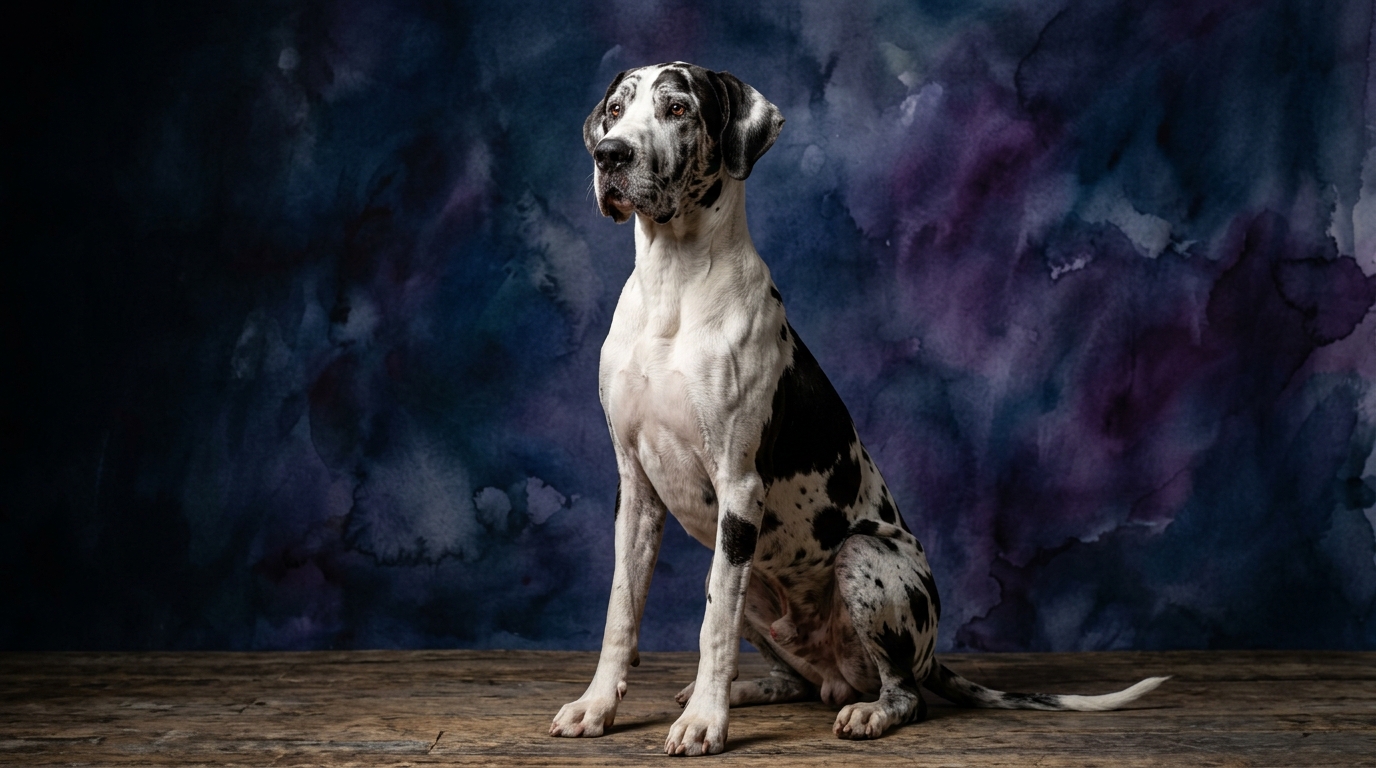
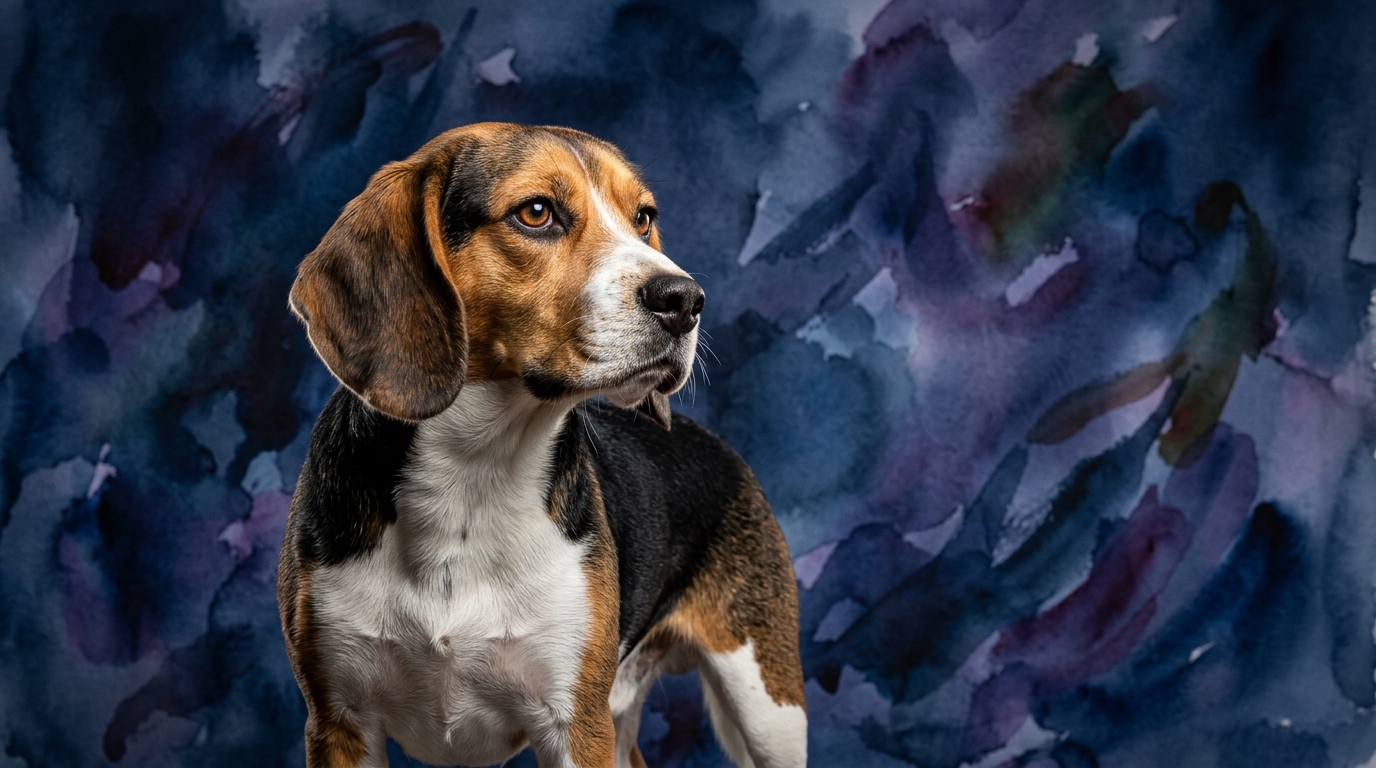
The Cosmic Pet Pet IQ Lab evaluates canine intelligence across five key dimensions: Problem Solving, Training Speed, Social Intelligence, Instinctive Drive, and Memory. These metrics provide a nuanced view beyond a simple 'smart or not smart' label, helping us understand how each breed processes information and interacts with their world. The Great Dane, ranked #48 by Coren, and the Beagle, ranked #72, present distinct cognitive landscapes.
The Great Dane exhibits a Problem Solving score of 3/5, indicating a moderate ability to navigate novel situations or figure out solutions independently, often preferring human guidance. Their Training Speed is also 3/5, meaning they learn new commands and routines at a steady, consistent pace. Where they truly shine is Social Intelligence, scoring 4/5, demonstrating a profound understanding of human emotions and cues. Their Instinctive Drive sits at 3/5, suggesting a balanced level of inherent urges like prey drive, while their Memory is 3/5, retaining information effectively with consistent reinforcement.
Conversely, the Beagle presents a Problem Solving score of 4/5, showcasing a robust capacity to overcome obstacles, especially those related to their primary sense. Their Training Speed is 2/5, indicating a slower acquisition of new commands, often requiring more patience and repetition. Social Intelligence for a Beagle is 3/5, meaning they are affable but may not always prioritize human interaction over their own interests. Their Instinctive Drive is a powerful 5/5, overwhelmingly dominated by their scenting abilities, and their Memory is 4/5, particularly strong for scent trails and associated experiences.
Where the Great Dane Excels Cognitively
The Great Dane's cognitive strengths are most apparent in their social and collaborative capacities. With a Social Intelligence score of 4/5, they possess an exceptional ability to read and respond to human emotions and intentions. This makes them profoundly empathetic companions, often anticipating their owner's needs or moods. Their lower Instinctive Drive (3/5) compared to a Beagle means they are less frequently diverted by environmental stimuli, allowing for more sustained, focused interaction with their human counterparts.
Their moderate Problem Solving (3/5) and Training Speed (3/5), while not top-tier, are often leveraged effectively through their social intelligence. A Great Dane, eager to please and attuned to human signals, will often apply their problem-solving skills to tasks presented by their owner, rather than pursuing independent, instinct-driven objectives. This collaborative cognitive style makes them highly responsive in a structured family environment, emphasizing partnership over independent exploration.
Where the Beagle Demonstrates Cognitive Superiority
The Beagle's cognitive prowess shines brightest in areas directly tied to their hound heritage. Their Problem Solving score of 4/5 is a testament to their incredible ability to navigate complex environments, specifically to follow and interpret scent trails. This isn't just about sniffing; it involves intricate mental mapping, remembering specific scent signatures, and overcoming physical barriers to reach a perceived source. Their intelligence in this domain is highly specialized and formidable.
Their overwhelming Instinctive Drive (5/5), primarily their sense of smell, coupled with a strong Memory (4/5), creates a dog uniquely equipped for persistent pursuit and recall of sensory information. A Beagle can remember a scent from days prior and connect it to a specific location or event, demonstrating a powerful form of associative memory. This drive and memory, while challenging in a domestic setting, are unparalleled for tasks requiring sustained focus on olfactory cues, making them natural detectives of the canine world.
Training: Great Dane's Eagerness vs. Beagle's Distraction
When considering ease of training, the Great Dane generally presents a more straightforward experience due to their balanced cognitive profile. Their Training Speed of 3/5, combined with their superior Social Intelligence (4/5) and moderate Instinctive Drive (3/5), means they are typically eager to please and less prone to independent distractions. They learn at a steady pace, responding well to positive reinforcement and clear, consistent communication. Their inherent desire to be close to their human companions often translates into a willingness to focus on commands, as it strengthens the bond they value so highly.
The Beagle, by contrast, presents a greater training challenge, primarily due to their formidable Instinctive Drive (5/5) and lower Training Speed (2/5). While they possess strong Problem Solving (4/5) and Memory (4/5), these cognitive assets are often directed by their nose, making them notoriously difficult to keep focused on human-initiated tasks when a compelling scent is present. Their independent nature, driven by centuries of tracking, means they require immense patience, high-value rewards, and highly engaging training methods to compete with the allure of the olfactory world. Their problem-solving skills might even be employed to 'solve' how to get to that interesting smell, rather than obeying a 'stay' command.
Lifestyle Suitability: Calm Companion vs. Scenting Adventurer
The Great Dane, with its higher Social Intelligence (4/5) and moderate Instinctive Drive (3/5), is often an ideal companion for owners seeking a more relaxed, but still engaged, home life. While they are large and require regular exercise, their cognitive makeup means they are content to be close to their people, observing and participating in family activities. They thrive on companionship and clear communication, making them excellent choices for owners who appreciate a dog deeply attuned to their emotional landscape and willing to integrate seamlessly into a structured home environment. They are less prone to creating their own 'entertainment' through destructive behaviors if their social needs are met.
The Beagle, conversely, is best suited for active owners who can provide ample outlets for their powerful Instinctive Drive (5/5) and Problem Solving (4/5). Their need to explore with their nose is not merely a preference but a fundamental cognitive requirement. Owners who enjoy long, exploratory walks, scent work, or canine sports like agility or tracking will find a rewarding partnership with a Beagle. These dogs require consistent mental stimulation that engages their natural abilities; without it, their independent problem-solving and drive can lead to challenging behaviors like excessive barking, digging, or escaping to follow a captivating scent.
FAQs on Great Dane vs. Beagle Intelligence
What does 'Instinctive Drive' mean for these breeds? Instinctive Drive refers to a breed's innate urges, such as hunting, herding, or guarding. For the Great Dane (3/5), this drive is moderate, making them generally more biddable, whereas for the Beagle (5/5), it's extremely high, particularly for scent-tracking, which can override other learned behaviors.
Which breed is better for first-time dog owners based on IQ? The Great Dane's higher Social Intelligence and moderate Training Speed generally make them a more forgiving choice for first-time owners, as they are often more attuned to human cues and easier to guide. Beagles, with their intense instinctive drive and slower training speed, require more experience and patience.
How does 'Problem Solving' differ between the two? The Great Dane's Problem Solving (3/5) is more about figuring out human-directed tasks or adapting to routine. The Beagle's Problem Solving (4/5) is highly specialized, focusing on complex environmental navigation and obstacle-overcoming, particularly when driven by a scent trail, showcasing a different kind of cognitive ingenuity.
The Verdict
Choose a Great Dane if you seek a deeply empathetic, socially intelligent companion that integrates smoothly into family life with moderate, consistent training. Their cognitive strengths lie in collaboration and attunement to human needs.
Opt for a Beagle if you are an active owner ready to channel an intense, scent-driven intelligence into engaging activities like tracking or scent work. Their independent problem-solving and powerful memory thrive when their innate drives are fulfilled.
🧠 Find Your Pet's IQ Score
Our Pet IQ Lab assessment covers 25+ tests across 5 cognitive dimensions — personalized to your breed.
Take the Full IQ Test →Frequently Asked Questions
What does 'Instinctive Drive' mean for these breeds?
Instinctive Drive refers to a breed's innate urges, such as hunting, herding, or guarding. For the Great Dane (3/5), this drive is moderate, making them generally more biddable, whereas for the Beagle (5/5), it's extremely high, particularly for scent-tracking, which can override other learned behaviors.
Which breed is better for first-time dog owners based on IQ?
The Great Dane's higher Social Intelligence and moderate Training Speed generally make them a more forgiving choice for first-time owners, as they are often more attuned to human cues and easier to guide. Beagles, with their intense instinctive drive and slower training speed, require more experience and patience.
How does 'Problem Solving' differ between the two?
The Great Dane's Problem Solving (3/5) is more about figuring out human-directed tasks or adapting to routine. The Beagle's Problem Solving (4/5) is highly specialized, focusing on complex environmental navigation and obstacle-overcoming, particularly when driven by a scent trail, showcasing a different kind of cognitive ingenuity.