Side-by-Side Cognitive Profiles: Decoding Canine Minds
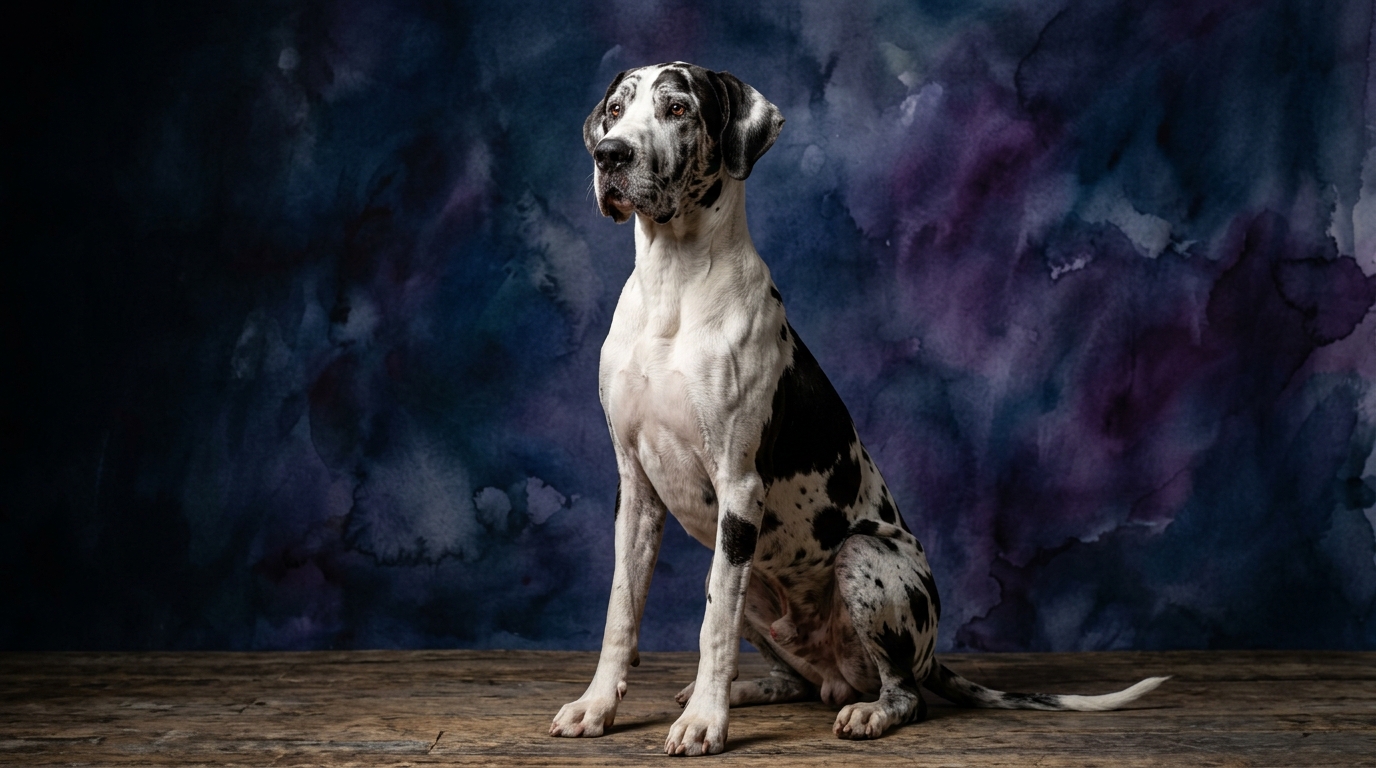
The Great Dane, recognized for its noble stature and gentle disposition, holds a Coren rank of #48, reflecting its established place in canine cognitive studies. Its IQ profile paints a picture of a thoughtful, socially attuned companion. Scoring 3/5 in Problem Solving, the Great Dane often approaches novel situations with careful observation, preferring to analyze before acting. They can navigate household challenges and solve basic puzzles, but their inclination is often to seek human guidance rather than tackling complex, multi-step tasks independently. This thoughtful approach aligns with their generally cooperative nature.
In Training Speed, the Great Dane also registers a 3/5. This indicates a steady, consistent learning pace rather than instantaneous comprehension. They respond exceptionally well to positive reinforcement, clear communication, and patient repetition, making them capable students who reliably absorb commands over time. Their willingness to please, coupled with their moderate learning speed, ensures that with consistent effort, they develop a robust repertoire of learned behaviors. Their Social Intelligence is where the Great Dane truly excels, earning a 4/5. They possess a remarkable ability to interpret human emotions, body language, and vocal cues, often anticipating their family's needs or offering comfort intuitively. This high social acumen fosters deep emotional bonds and allows them to integrate seamlessly into family life, adapting to various dynamics with empathy and understanding. Their Instinctive Drive, at 3/5, is moderate. While they may exhibit some natural guarding tendencies or a mild prey drive, these are generally not overpowering. Their instincts are primarily channeled towards companionship and family integration, making them less prone to independent pursuits driven by strong primal urges. Finally, their Memory, also 3/5, is solid. They reliably retain learned commands, routines, and familiar faces, contributing to their consistent behavior and enduring relationships within their environment.
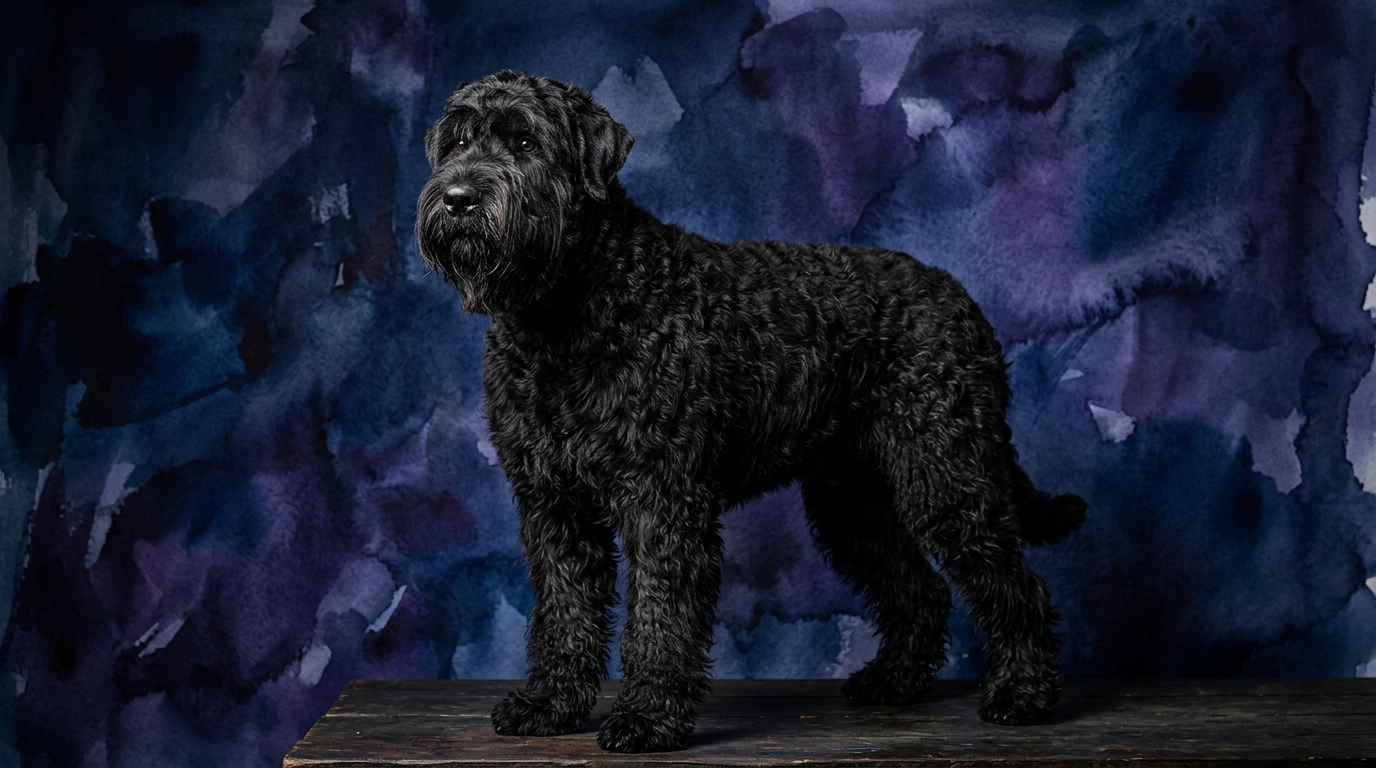
The Black Russian Terrier, a breed developed for protection, is not yet Coren-ranked, suggesting a less standardized or widely researched cognitive profile, but our Pet IQ Lab analysis offers valuable insights into its unique mental architecture. Its Problem Solving score of 3/5, while numerically matching the Great Dane, manifests differently. The BRT often applies its problem-solving skills to practical scenarios, particularly those related to its perceived duties of vigilance and protection. They demonstrate a persistent and sometimes independent approach to overcoming obstacles, especially when it involves navigating their territory or fulfilling a task. Their solutions can be direct, driven by a strong sense of purpose.
The Black Russian Terrier's Training Speed is also 3/5. They are capable of learning complex commands, but their strong will and discerning nature mean they require a confident, consistent, and experienced handler. While they absorb information, they may also evaluate the command's purpose or test boundaries, reflecting a thoughtful rather than purely compliant learning style. This breed learns effectively when leadership is clearly established and trust is built. Their Social Intelligence is rated 3/5. The BRT forms profound, unwavering bonds with its immediate family, demonstrating deep loyalty and understanding within that trusted circle. However, they are typically reserved, watchful, and discerning with strangers, not inclined towards universal friendliness. Their social cognition is geared towards acute discernment and protection, rather than broad, open interaction, which is a hallmark of their guardian role. The BRT's Instinctive Drive is 3/5, but this score represents a highly focused and potent drive towards guarding and protection. This instinct is fundamental to their being, influencing their territorial awareness and their readiness to defend their family. It is a powerful force that requires careful channeling through dedicated training. Lastly, their Memory, also 3/5, is strong and reliable for retaining commands, routines, and crucially, for distinguishing between familiar individuals and potential threats. This robust memory is vital for their consistent application of learned behaviors and their ability to recognize changes in their environment.
Where the Great Dane Excels Cognitively
The Great Dane's cognitive prowess shines most brightly in its social intelligence, where it achieves an impressive 4/5. This breed possesses an extraordinary capacity to read and respond to human emotions and subtle cues, making them exceptionally empathetic companions. Their cognitive framework allows for a deep attunement to their family's needs, often anticipating desires or offering comfort without explicit prompts. This superior social cognition contributes significantly to their gentle demeanor and their seamless integration into diverse household dynamics, enabling them to adapt to changes and new people with remarkable ease and understanding. They don't merely follow commands; they often grasp the underlying intent, fostering a profound connection that few breeds match in its intuitive depth. Their social aptitude means they are often less prone to misunderstanding human signals, leading to fewer behavioral challenges rooted in miscommunication.
Where the Black Russian Terrier Demonstrates Unique Cognitive Strengths
While the Black Russian Terrier shares several IQ scores with the Great Dane, its cognitive strengths manifest uniquely, particularly in how its problem-solving and instinctive drive are integrated with its social intelligence. The BRT's cognitive processes are deeply rooted in discernment and protection. Its 3/5 in problem-solving, coupled with a highly focused instinctive drive, means it excels at assessing potential threats and strategizing protective responses more effectively than solving abstract puzzles. Its social intelligence, though rated 3/5, is intensely loyal and selective, allowing it to form profound, unwavering bonds within its chosen family while maintaining a keen, analytical distance from outsiders. This specific cognitive makeup makes the BRT uniquely adept at its role as a formidable, intelligent guardian, where unwavering loyalty, situational awareness, and a strong protective instinct are paramount. Their cognitive strength lies in their ability to analyze, decide, and act with purpose in protecting their inner circle.
Trainability: Navigating Distinct Canine Minds
When considering ease of training, real behavioral differences between these two breeds become apparent, despite their similar training speed scores. The Great Dane, with its 4/5 social intelligence, often demonstrates an intrinsic desire to please its human companions. This innate eagerness to connect and comply makes them generally more amenable to training. They tend to respond very well to positive reinforcement, praise, and gentle guidance, forming strong associations between commands and rewards. Their relatively moderate instinctive drive means they are less likely to be distracted by independent pursuits or to challenge established hierarchies. Early socialization and consistent, kind training build a cooperative foundation, making the Great Dane a rewarding student for most owners who can provide clear, positive direction.
The Black Russian Terrier, while also scoring 3/5 in training speed, presents a different set of considerations. Their strong will, combined with their discerning social intelligence and potent guarding instincts, means training requires a more experienced and confident handler. They are certainly capable of learning complex tasks, but they often require a trainer who can establish clear leadership and demonstrate unwavering consistency. BRTs may test boundaries more frequently than Great Danes, and their independent streak means they need to respect the trainer's authority before fully committing. While they learn, their learning is often paired with an evaluation of the command's purpose, rather than blind compliance. Successful training with a BRT involves channeling their inherent drives into productive, desired behaviors, demanding patience, firmness, and a deep understanding of their unique psyche, ensuring their formidable capabilities are directed appropriately.
Lifestyle Compatibility: Active vs. Relaxed Ownership
Choosing between a Great Dane and a Black Russian Terrier also hinges significantly on an owner's lifestyle and experience. The Great Dane, despite its immense size, often thrives in homes with a more relaxed indoor atmosphere, provided their moderate exercise needs are consistently met. Their high social intelligence and generally calm demeanor make them excellent companions for owners who appreciate a gentle giant that enjoys lounging on the couch as much as a leisurely walk. They suit individuals or families seeking a deeply affectionate and relatively low-key canine presence, capable of adapting to various daily rhythms without intense demands for constant activity or mental stimulation beyond companionship. They are often content to be near their people, making them a good fit for those who value a calm, present dog.
The Black Russian Terrier, conversely, generally requires a more active and experienced owner. Their working heritage, coupled with their robust physique and inherent guarding instincts, means they need consistent physical exercise and substantial mental engagement. Owners prepared for regular, vigorous walks, jogging, or participation in dog sports like obedience, agility, or protection work will find the BRT a fulfilling partner. Their strong will and discerning nature demand an owner who can provide firm, consistent leadership and structured activities. They are best suited for individuals or families with prior large-breed experience who are committed to channeling their powerful drives into productive outlets, rather than leaving them to their own devices, which can lead to boredom and undesirable behaviors. Their need for purpose means they thrive with owners who can provide a 'job' or regular structured engagement.
The Verdict
Choose the Great Dane if you seek a gentle, empathetic companion with high social intelligence, eager to integrate into a relaxed family setting and offer unconditional affection, provided moderate daily activity is met.
Opt for the Black Russian Terrier if you are an experienced, active owner seeking a discerning and fiercely loyal guardian, prepared to provide consistent, firm training and channel their strong working drives into structured activities.
🧠 Find Your Pet's IQ Score
Our Pet IQ Lab assessment covers 25+ tests across 5 cognitive dimensions — personalized to your breed.
Take the Full IQ Test →Frequently Asked Questions
Are Great Danes good with children?
Great Danes are generally known for their gentle and patient nature, making them typically good with children, especially due to their high social intelligence. However, their sheer size always necessitates supervision to prevent accidental bumps during play.
How much grooming does a Black Russian Terrier require?
The Black Russian Terrier's dense, coarse double coat demands significant grooming. They require regular brushing several times a week to prevent matting and shedding, along with professional grooming every 6-8 weeks for clipping and stripping to maintain coat health.
What is the primary difference in temperament between these two breeds?
The Great Dane is typically more universally friendly and outgoing, often seeking affection from many, reflecting its high social intelligence. The Black Russian Terrier, while deeply loyal to its family, is more reserved and discerning with strangers, prioritizing its protective instincts and forming bonds more selectively.