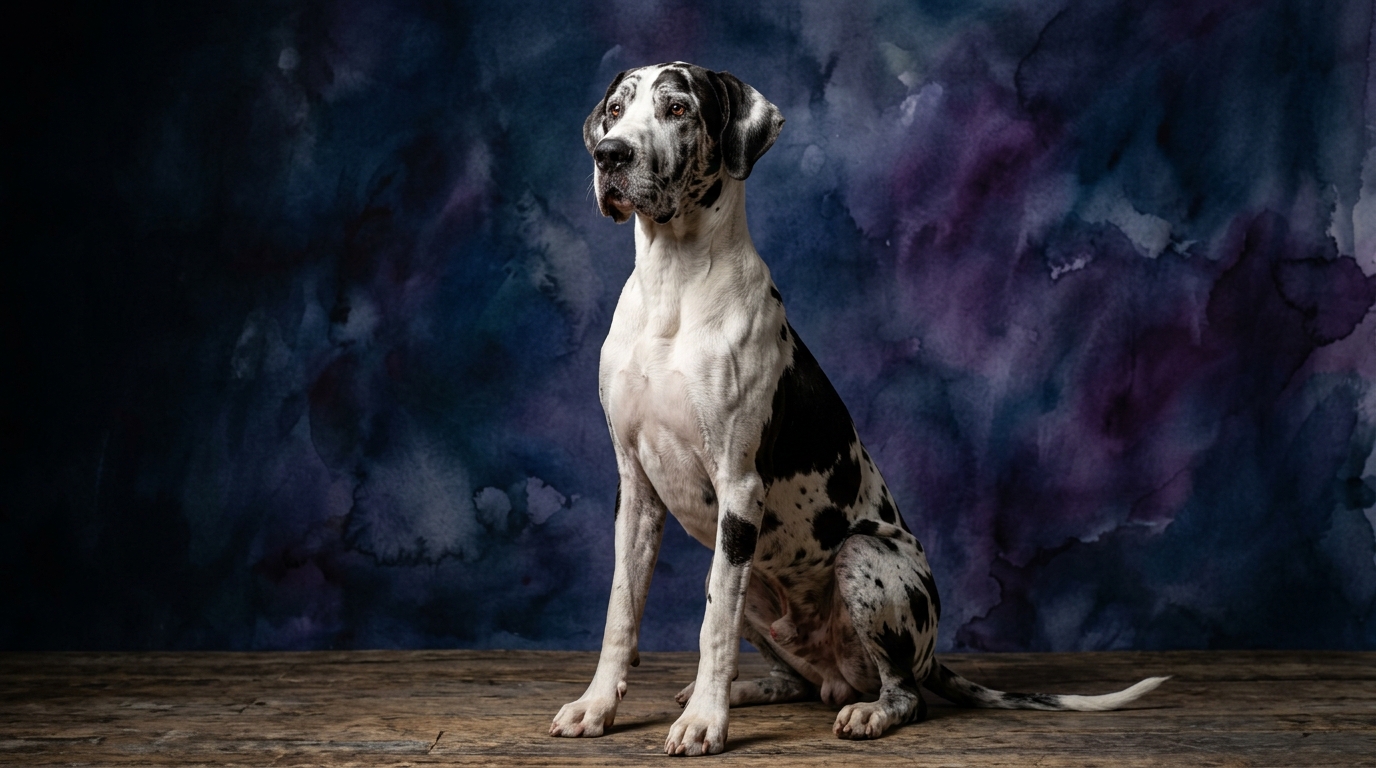
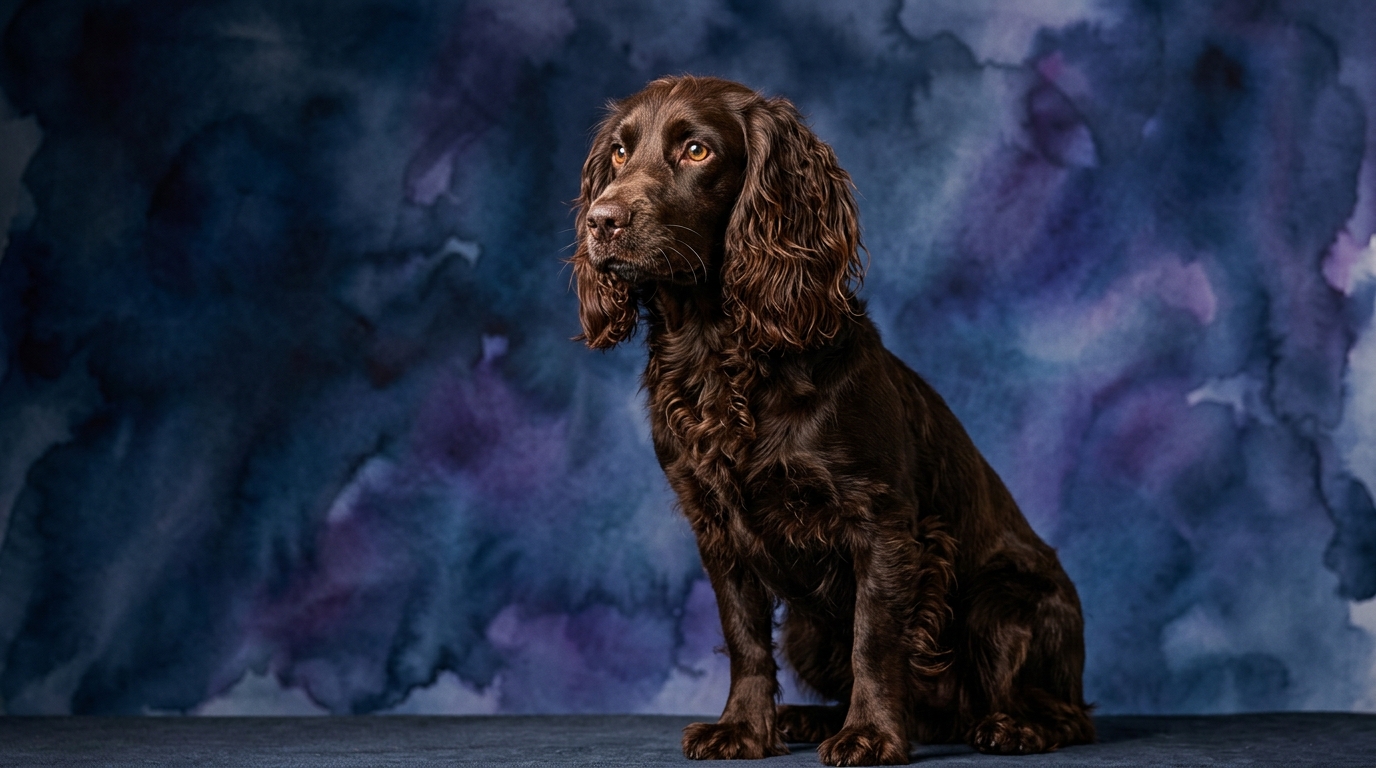
Side-by-Side IQ Profile: Great Dane vs. Boykin Spaniel
At The Cosmic Pet Pet IQ Lab, we delve into five key cognitive dimensions to paint a comprehensive picture of a breed's mental landscape. For the Great Dane, a member of the Working Group and ranked #48 by Coren, and the Boykin Spaniel, a dedicated Sporting dog, these metrics reveal distinct cognitive leanings.
The Great Dane exhibits a Problem Solving score of 3/5, indicating a capacity for navigating routine challenges and understanding basic environmental cues, but not necessarily a flair for complex puzzle-solving without human guidance. Their Training Speed also stands at 3/5; they learn at a moderate pace, responding well to consistent, positive reinforcement, though their sheer size necessitates early and thorough training for manageability. A standout trait is their Social Intelligence, rated at 4/5, reflecting a profound attunement to human emotions and family dynamics. Their Instinctive Drive is 3/5, a moderate level that, while present from their historical hunting roots, is often superseded by their desire for companionship. Finally, their Memory is 3/5, proving reliable for retaining routines and familiar faces.
The Boykin Spaniel, a breed not ranked by Coren but highly regarded in the Sporting Group, shares several cognitive scores with the Great Dane, but their application often differs. Their Problem Solving is 3/5, typically manifesting as practical, task-oriented ingenuity, especially in field scenarios like retrieving. Similarly, their Training Speed is 3/5; they are eager learners who thrive on engaging, activity-based instruction, though their spirited nature requires focus. Social Intelligence for the Boykin Spaniel is 3/5, denoting a friendly and adaptable nature, connecting well with their human families and other dogs, but perhaps without the same depth of empathetic perception as the Great Dane. Their Instinctive Drive is 3/5, a crucial aspect of their identity, channeling robust retrieving and scenting behaviors into purposeful activities. Their Memory also registers at 3/5, reliably retaining commands and task sequences vital for their working roles.
Where the Great Dane Excels Cognitively
The Great Dane's primary cognitive advantage lies in its exceptional Social Intelligence, scoring a 4/5 compared to the Boykin Spaniel's 3/5. This higher rating signifies a remarkable capacity for understanding and responding to human emotional states and complex social cues within their family unit. These gentle giants are often described as being deeply empathetic, frequently appearing to 'read the room' and offering comfort or quiet companionship without explicit prompting. Their large, reassuring presence, combined with this keen social perception, makes them incredibly intuitive companions.
This superior social cognition means a Great Dane often forms profoundly deep bonds, anticipating their owner's moods and reacting to subtle shifts in household dynamics. They are adept at learning the unspoken rules of a home and often strive to maintain harmony, making them highly integrated and sensitive family members. While their problem-solving might not involve complex manipulation, their social acumen allows them to navigate human relationships with grace and understanding.
Where the Boykin Spaniel Excels Cognitively
While the Boykin Spaniel matches the Great Dane in Problem Solving, Training Speed, Instinctive Drive, and Memory with a score of 3/5, their cognitive strength isn't necessarily in a higher raw score, but rather in the purposeful application and intensity of these dimensions, particularly within their sporting context. Their 3/5 Instinctive Drive, for example, is intrinsically linked to their breed's function as a retrieving dog, manifesting as focused determination and a relentless drive to work. This isn't just a general drive; it's a specialized, task-oriented motivation that defines their mental engagement.
Their Problem Solving (3/5) is often expressed through practical ingenuity in the field, figuring out the most efficient way to retrieve a fallen bird or navigate challenging terrain. This cognitive trait, coupled with their 3/5 Training Speed, means they excel in learning and executing complex sequences of commands related to hunting or dog sports. The Boykin's memory (3/5) reliably stores these intricate task sequences, allowing for consistent performance. Essentially, the Boykin Spaniel's cognitive profile is geared towards a highly focused, persistent, and effective execution of specific tasks, making them exceptional partners for active, goal-oriented pursuits where their innate drives are fully engaged.
Which is Easier to Train and Why
Both the Great Dane and the Boykin Spaniel share a Training Speed score of 3/5, suggesting neither breed is inherently 'easier' or 'harder' to train in a general sense. However, the nature of their training experience differs significantly due to their distinct cognitive strengths and physical characteristics. For the Great Dane, early and consistent training is paramount due to their eventual immense size. Their high social intelligence (4/5) means they genuinely desire to please their human companions and respond well to gentle, positive reinforcement methods that strengthen the bond. They are often eager to comply once they understand what is asked, making basic obedience relatively straightforward if the owner is consistent and patient. However, their moderate problem-solving and memory scores mean distractions can pull their focus, requiring engaging and repetitive sessions.
The Boykin Spaniel's training experience is shaped by their robust instinctive drive (3/5) and energetic nature. They are highly motivated by activities that tap into their natural retrieving and scenting abilities, making task-oriented training, such as agility or field work, particularly rewarding and effective. While they learn commands at a moderate pace, their enthusiasm and potential for independent thought require an owner who can channel their energy and focus with engaging, consistent methods. For general companion obedience, the Great Dane's desire for social harmony might make them seem more compliant in a home setting, provided their size is managed. The Boykin, while equally capable of learning, demands more active engagement and purpose-driven training to truly shine and prevent boredom-induced behaviors.
Which Suits Active Owners vs. Relaxed Owners
The distinction between these two breeds in terms of lifestyle compatibility is quite clear, largely dictated by their historical roles and energy levels. The Great Dane, despite its imposing stature, is generally considered a more relaxed companion once past puppyhood. Their moderate instinctive drive and contentment with being near their people, coupled with a preference for moderate exercise, make them well-suited for owners who appreciate a calm, affectionate presence and are content with daily walks and comfortable lounging. Their high social intelligence means they thrive on close companionship and are generally not prone to destructive behaviors born of boredom if their social needs are met. They fit well into households that value a tranquil, loving presence.
In stark contrast, the Boykin Spaniel is a true sporting dog, brimming with energy and an intrinsic desire for activity. Their moderate instinctive drive is geared towards vigorous physical and mental engagement, demanding more than just a casual stroll. These dogs thrive with active owners who can provide daily vigorous exercise, such as long runs, swimming, extensive retrieving sessions, or participation in dog sports like agility or dock diving. Their cognitive profile, particularly their task-oriented problem-solving and training speed, means they benefit immensely from having a 'job' to do. They are an ideal match for individuals or families with an active, outdoor-oriented lifestyle who are prepared to channel a significant amount of canine energy and intellect.
The Verdict
Choose a Great Dane if you seek a deeply empathetic, gentle companion who thrives on close family bonds and is content with a more relaxed daily routine, provided you commit to early, consistent training for their large size and social nature.
Opt for a Boykin Spaniel if you are an active individual or family seeking an eager, driven partner for outdoor adventures, dog sports, or field work, and can provide ample physical and mental engagement to satisfy their working instincts.
🧠 Find Your Pet's IQ Score
Our Pet IQ Lab assessment covers 25+ tests across 5 cognitive dimensions — personalized to your breed.
Take the Full IQ Test →Frequently Asked Questions
Is a Great Dane a good first dog for a new owner?
A Great Dane's gentle nature and high social intelligence can make them suitable, but their immense size requires an owner committed to early, consistent training and socialization to ensure manageability and safety. Their moderate exercise needs are often manageable for first-time owners who understand the commitment to their growth and care.
How much exercise does a Boykin Spaniel need daily?
Boykin Spaniels, originating as active hunting dogs, require substantial daily exercise, typically 60-90 minutes of vigorous activity like running, swimming, or retrieving sessions. This helps channel their instinctive drive and maintain their physical and mental well-being, preventing boredom and potential behavioral issues.
Do Great Danes and Boykin Spaniels get along with children?
Great Danes generally exhibit high social intelligence and a patient, gentle demeanor, making them excellent family dogs with children, though supervision is always advised due to their sheer size. Boykin Spaniels are typically friendly and good-natured, enjoying play with respectful children, especially if their energy needs are consistently met through appropriate outlets.