Side-by-Side Cognitive Profiles: Great Dane vs. Cardigan Welsh Corgi
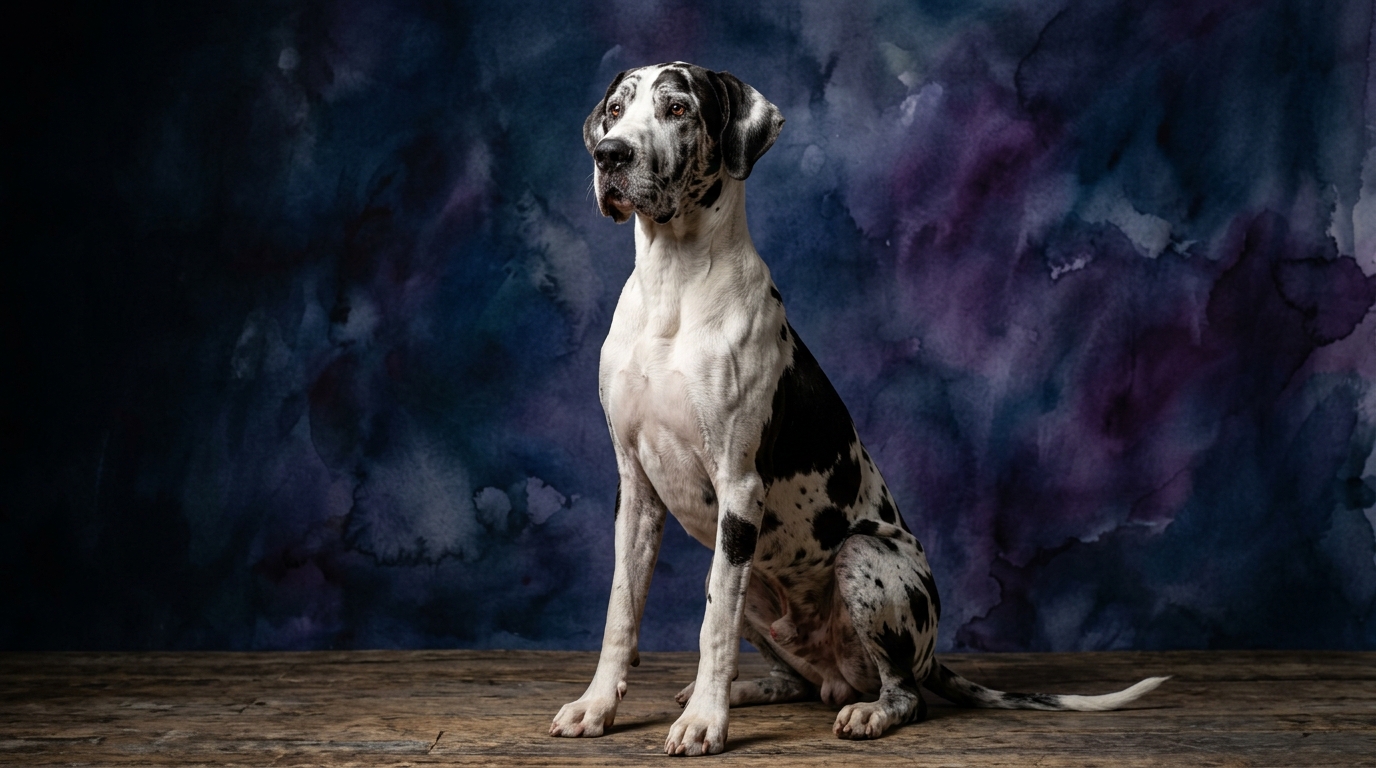
The Great Dane, a majestic working breed, holds a Coren rank of #48, placing them in the average working/obedience intelligence category. Their cognitive profile indicates a Problem Solving score of 3/5, suggesting they can grasp solutions to everyday challenges but may not always be the quickest to innovate without guidance. Training Speed also registers at 3/5, meaning they respond well to consistent, positive reinforcement but require more repetitions than some breeds to solidify new commands. Where Danes truly shine is in Social Intelligence, scoring an impressive 4/5; they are remarkably attuned to human emotions and family dynamics. Their Instinctive Drive is moderate at 3/5, typically manifesting as a protective instinct rather than a strong prey drive, and their Memory stands at 3/5, retaining information effectively with regular practice.
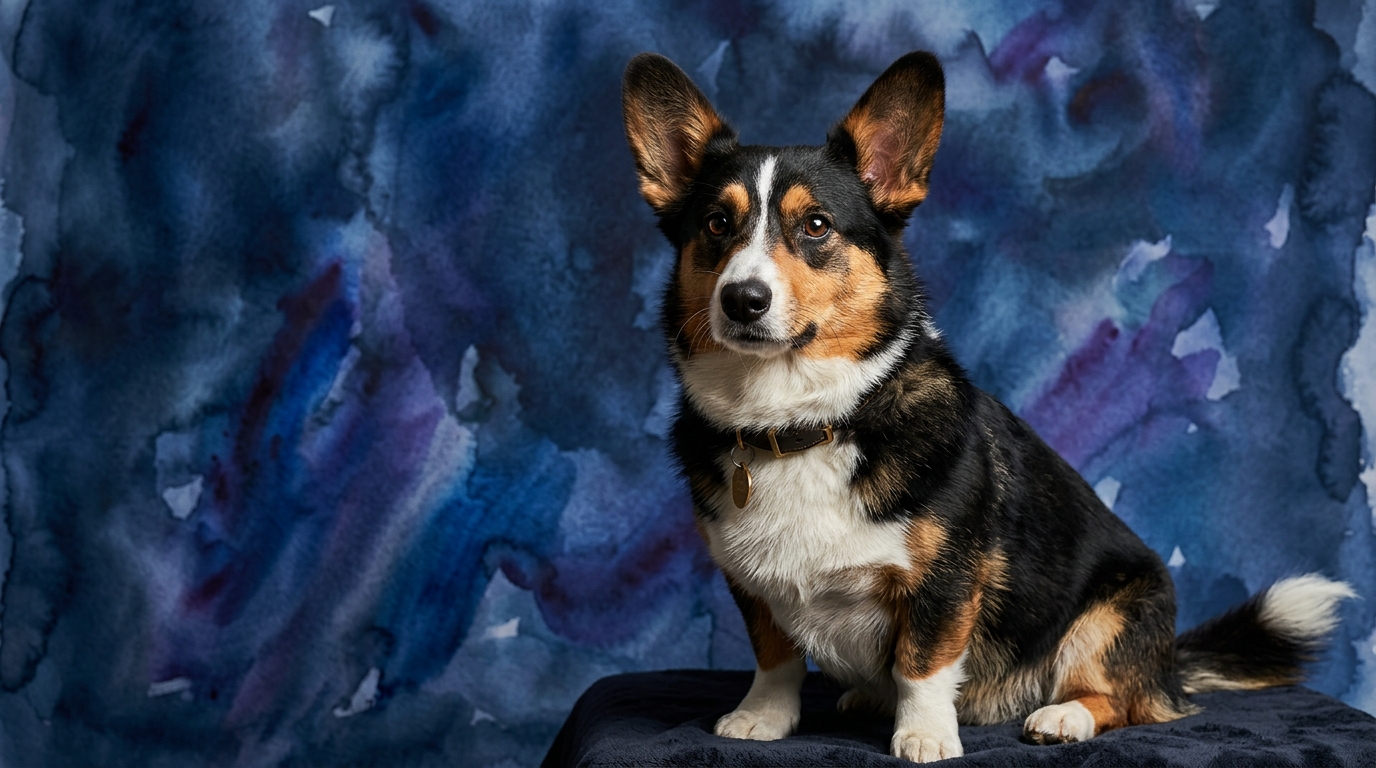
In contrast, the Cardigan Welsh Corgi, a spirited herding breed, boasts a higher Coren rank of #26, indicating excellent working and obedience intelligence. Their Problem Solving ability is rated 4/5, reflecting a resourceful nature and a knack for figuring things out independently. Training Speed also scores 4/5, highlighting their eagerness to learn and quick assimilation of new tasks and commands. Social Intelligence for the Corgi is 3/5; while they form strong bonds, their focus can often be more task-oriented, and they may require consistent socialization to navigate diverse social situations gracefully. Their Instinctive Drive is 3/5, primarily manifesting as a controlled herding impulse, and their Memory is notably strong at 4/5, allowing them to recall complex sequences and past experiences with remarkable accuracy.
Where the Great Dane Excels Cognitively
The Great Dane's cognitive strength lies prominently in their Social Intelligence, rated 4/5, surpassing the Corgi's 3/5. This dimension reflects their profound capacity for empathy and their ability to integrate seamlessly into human family structures. A Great Dane often displays a nuanced understanding of household routines and emotional states, acting as a gentle, intuitive companion who can pick up on subtle cues of joy, sadness, or stress from their human counterparts. They are often described as 'heart dogs' precisely because of this innate emotional intelligence, making them exceptional at providing comfort and companionship.
Their moderate Instinctive Drive (3/5) also contributes to a generally calm and adaptable temperament within a domestic setting. Unlike breeds with more intense drives, Great Danes are less likely to be overwhelmed by strong urges to chase or herd, making them easier to manage in varied environments once properly socialized. This lower intensity allows their social intelligence to flourish, as they can dedicate more cognitive resources to observing and responding to human interaction rather than being solely driven by primal instincts.
Where the Cardigan Welsh Corgi Shines Cognitively
The Cardigan Welsh Corgi demonstrates superior cognitive performance in several key areas. Their Problem Solving ability, rated 4/5, reflects a breed that is naturally curious and adept at navigating complex situations. This translates into a dog who can quickly assess a novel environment, figure out how to retrieve a toy from a tricky spot, or even understand multi-step commands. This strong problem-solving capacity is a direct legacy of their herding origins, where quick thinking and independent decision-making were crucial for managing livestock.
Coupled with their impressive Problem Solving is their excellent Training Speed (4/5) and Memory (4/5). Corgis are eager learners who rapidly absorb new information and retain it over long periods. This combination makes them highly responsive to training, excelling in obedience, agility, and other dog sports where precision and recall are paramount. They can master intricate routines and remember a vast repertoire of commands, making them a delight for owners who enjoy engaging in structured training activities and seeing rapid progress.
Which is Easier to Train and Why?
Based on their cognitive profiles, the Cardigan Welsh Corgi is generally considered easier to train than the Great Dane. With a Training Speed of 4/5 and a Problem Solving score of 4/5, Corgis quickly grasp new concepts and enjoy the mental challenge of learning. Their natural inclination to work and their strong memory (4/5) mean they solidify commands rapidly and are keen to please, making training sessions productive and often fun. Their smaller size also provides a practical advantage, as physical management during early training phases is less daunting.
The Great Dane, while certainly trainable, requires more patience and consistency, reflected in their Training Speed of 3/5. They are not stubborn, but their learning curve is a bit gentler, meaning more repetitions may be needed to achieve mastery. Their sheer size necessitates early and consistent training in basic manners and leash etiquette for safety and manageability. While they respond very well to positive reinforcement and bond deeply with their trainers, the process might feel slower compared to the Corgi's rapid acquisition of skills, demanding a more measured and persistent approach from their human companions.
Matching Breeds to Lifestyles: Active vs. Relaxed Owners
For owners with an active lifestyle who enjoy engaging in structured activities and mental challenges with their dog, the Cardigan Welsh Corgi is an excellent match. Their high Problem Solving, Training Speed, and Memory scores mean they thrive on having a 'job' to do, whether it's participating in agility courses, advanced obedience, or even learning complex tricks. These dogs benefit immensely from consistent mental stimulation and regular physical exercise that taps into their sharp minds and agile bodies. They are often happiest when learning and performing, making them ideal for individuals or families committed to an interactive and stimulating routine.
The Great Dane, while needing regular exercise, generally suits owners with a more relaxed yet attentive lifestyle. Their high Social Intelligence (4/5) makes them content as deeply bonded companions within the home, valuing calm routines and close proximity to their family. While young Danes can be boisterous, adult Danes typically settle into a serene presence, requiring moderate daily walks and playtime rather than intense, prolonged physical exertion. They are well-suited for individuals or families seeking a large, gentle companion who will offer unwavering affection and integrate smoothly into a tranquil domestic environment, provided their considerable size is accommodated.
The Verdict
Choose a Great Dane if you seek a profoundly social, empathetic companion that integrates seamlessly into family life, offering gentle presence and emotional support, and you can accommodate their size and moderate exercise needs.
Opt for a Cardigan Welsh Corgi if you enjoy engaging in structured training, dog sports, or providing consistent mental stimulation to a clever, agile canine, appreciating a smaller dog with a big personality and quick wit.
🧠 Find Your Pet's IQ Score
Our Pet IQ Lab assessment covers 25+ tests across 5 cognitive dimensions — personalized to your breed.
Take the Full IQ Test →Frequently Asked Questions
Are Great Danes difficult to train due to their size?
Great Danes are not difficult to train, but their size means early and consistent training is crucial for safety and manners. Their Training Speed of 3/5 indicates they require more patience and repetition than some breeds, but they respond well to positive reinforcement and form strong bonds with their trainers.
Do Cardigan Welsh Corgis bark a lot because of their herding instincts?
Cardigan Welsh Corgis can be vocal, often using barks to communicate or express excitement, a trait sometimes linked to their herding background where barking helped manage livestock. While their Instinctive Drive is 3/5, their Problem Solving (4/5) and Training Speed (4/5) mean excessive barking can often be managed with consistent training and mental stimulation.
Which breed is generally better with children, a Great Dane or a Cardigan Welsh Corgi?
Great Danes, with their 4/5 Social Intelligence, are often lauded for their gentle nature and patience with children, frequently acting as 'nanny dogs' due to their empathy and calm demeanor. Cardigan Welsh Corgis, while good family dogs, have a 3/5 Social Intelligence and higher energy, so interactions with children should always be supervised to ensure respectful play from both sides.