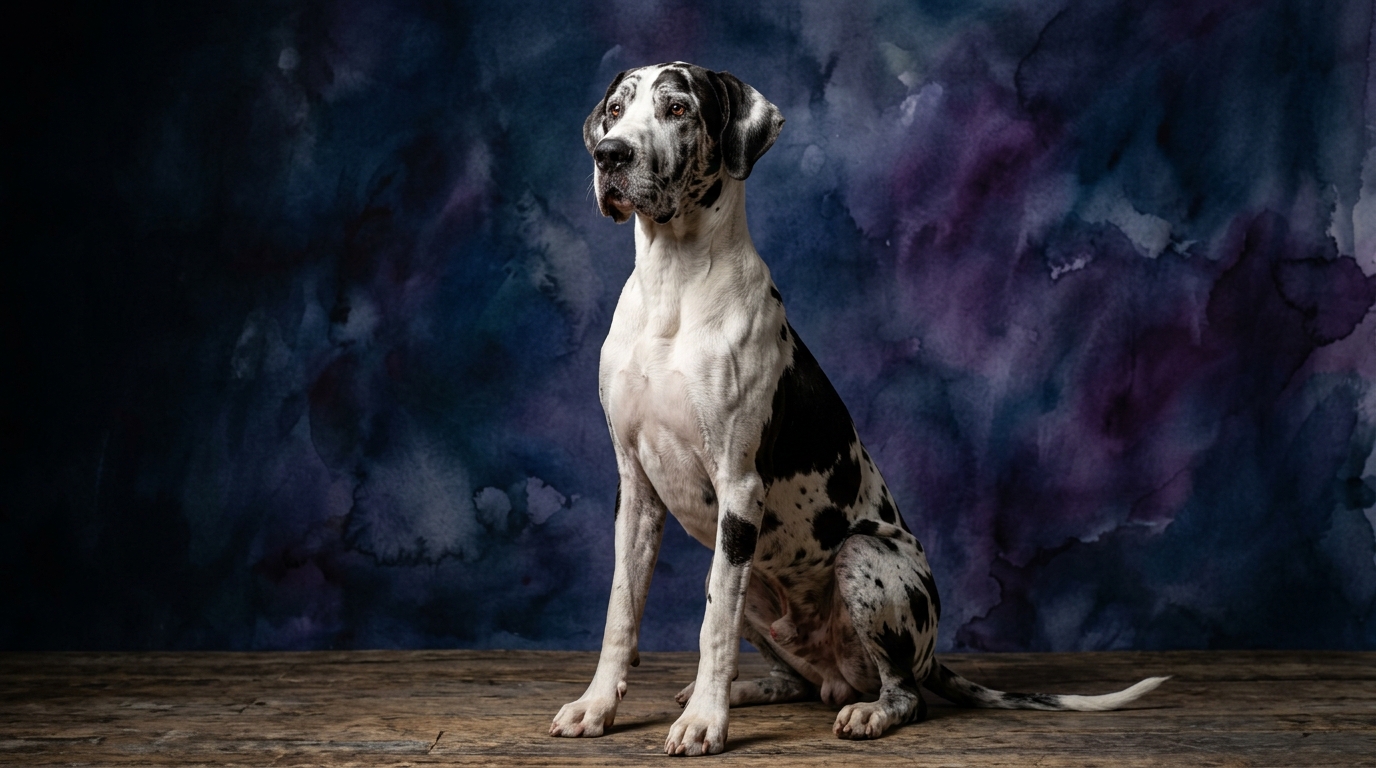
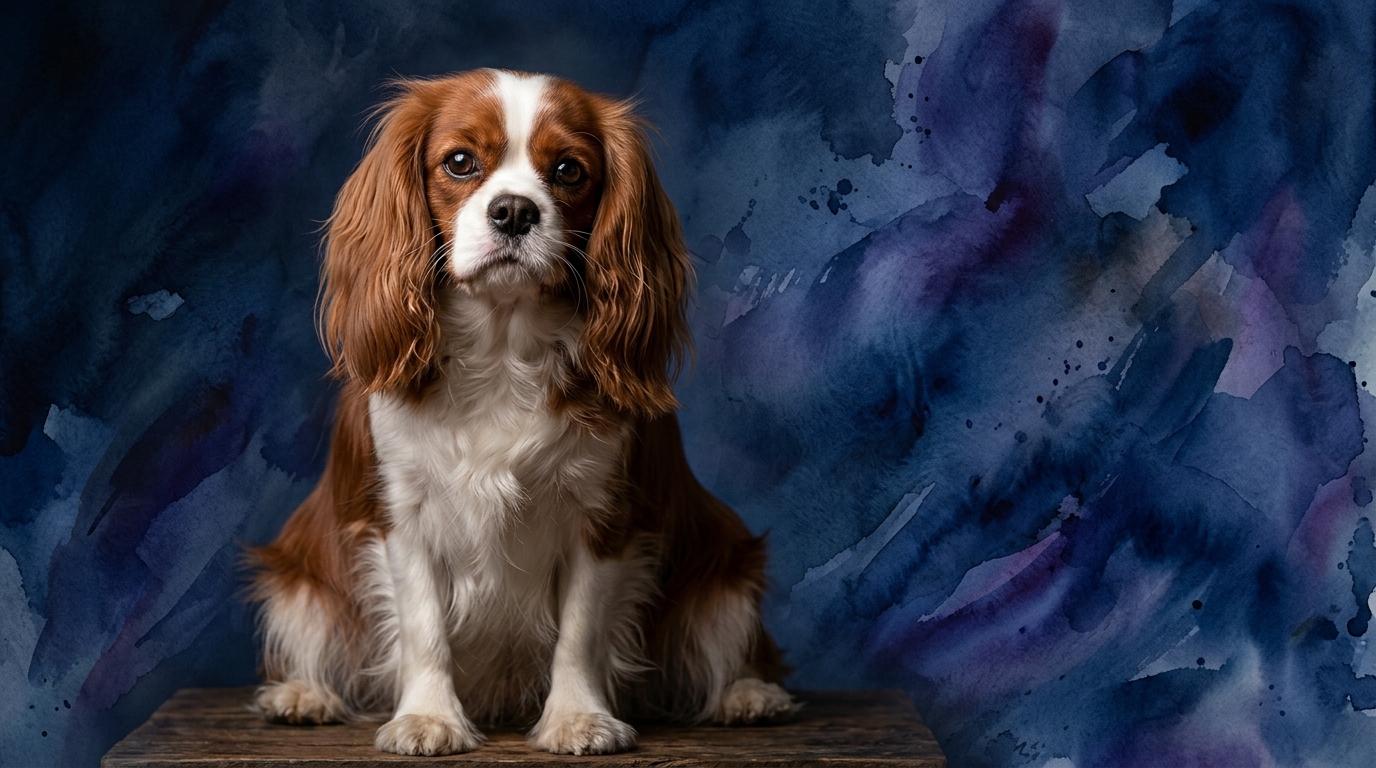
Side-by-Side IQ Profile: Great Dane vs. Cavalier
**Great Dane (Coren Rank #48):** These gentle giants possess a unique blend of cognitive traits. Their **Problem Solving (3/5)** indicates a moderate capacity for independent thought, allowing them to figure out basic puzzles or manipulate objects, though complex multi-step problems might require more guidance. Their solutions are often direct and pragmatic. **Training Speed (3/5)** means they absorb new commands at a steady pace; consistent repetition and clear communication are key, and once ingrained, commands tend to stick. Great Danes exhibit strong **Social Intelligence (4/5)**, showing a significant aptitude for understanding human emotions and social cues, often forming deep, empathetic bonds despite their imposing size. Their **Instinctive Drive (3/5)** is moderately present, with modern Danes often displaying a watchful nature or desire for companionship rather than intense prey drive. Finally, their **Memory (3/5)** is good for routines, locations, and familiar faces, aiding in long-term behavioral consistency.
**Cavalier King Charles Spaniel (Coren Rank #44):** The charming Cavalier presents a cognitive profile with some surprising parallels and one standout strength. Like the Great Dane, their **Problem Solving (3/5)** shows a moderate ability to navigate simple obstacles and understand immediate cause-and-effect, often using charm to achieve comfort or interaction. Their **Training Speed (3/5)** matches the Great Dane, indicating they learn new commands at a moderate rate, responding well to positive reinforcement and clear instructions, making them cooperative students due to their focus on human interaction. The Cavalier's true distinction lies in its **Social Intelligence (5/5)**. This perfect score signifies an exceptional ability to read and respond to human emotions and social cues, showing profound empathy and attunement to their owners' feelings. Their **Instinctive Drive (3/5)** is moderate, primarily focused on companionship and playful interaction. Their **Memory (3/5)** is solid for routines, learned commands, and familiar people and places, contributing to their adaptability within a home environment.
Where the Great Dane Wins Cognitively
While the Cavalier holds a slightly higher Coren rank, the Great Dane demonstrates distinct cognitive strengths, particularly in how their intelligence manifests within their imposing physical context. Their Social Intelligence score of 4/5, combined with their size, enables them to be discerning guardians. They excel at reading intentions, quickly differentiating between threats and friendly visitors, responding with appropriate calm or protective assertion. This sophisticated processing of social cues for security is a key differentiator. Their Problem Solving at 3/5, coupled with their physical capabilities, means they can tackle environmental challenges a smaller breed couldn't, such as navigating complex terrain or carefully moving around delicate objects. Their moderate Instinctive Drive (3/5) translates into a capacity for purposeful tasks requiring strength and a calm demeanor, like carrying items or assisting with mobility, leveraging their physical attributes with their cognitive processing.
Where the Cavalier King Charles Spaniel Wins Cognitively
The Cavalier King Charles Spaniel's cognitive profile reveals a clear advantage in Social Intelligence, earning a perfect 5/5. This signifies an extraordinary capacity for emotional attunement and understanding human social dynamics. Cavaliers are exceptionally empathetic, often anticipating owners' moods and offering comfort without direct prompting. They excel at reading subtle body language and vocal inflections, making them incredibly intuitive companions. This deep social awareness translates into a remarkable ability to integrate seamlessly into family life, feeling like an extension of their human companions. Furthermore, their Coren Rank of #44, compared to the Great Dane's #48, suggests a slightly quicker overall learning aptitude. While their other cognitive scores match the Great Dane, their superior social cognition often smooths the entire learning process and enhances their responsiveness in daily interactions.
Which is Easier to Train and Why
Both Great Danes and Cavaliers share a Training Speed score of 3/5, indicating a moderate learning pace for new commands. However, the *experience* of training differs significantly due to their other cognitive strengths. The Cavalier's perfect 5/5 Social Intelligence provides a distinct advantage in perceived trainability. Their profound desire to please and exceptional ability to read human cues make them highly motivated by positive reinforcement and keenly responsive to subtle shifts in an owner’s tone or body language. This fosters a smoother, more collaborative training process, as Cavaliers are inherently driven to maintain harmony. Great Danes, with an impressive 4/5 Social Intelligence, are certainly receptive to training and form strong bonds. Yet, their larger size means managing their physical presence during training requires more deliberate effort. While they learn commands effectively, their sheer mass means any lapse in focus can have greater physical implications. Thus, the Cavalier’s emotional responsiveness often makes them feel like the 'easier' student in everyday interactions.
Which Suits Active Owners vs. Relaxed Owners
The choice between these breeds also hinges on an owner's lifestyle and activity level. Despite their stature, Great Danes are often ‘gentle giants’ not requiring extreme athleticism. Their Instinctive Drive of 3/5 suggests they appreciate purposeful activity but aren't perpetually restless. They thrive with regular, moderate exercise—daily walks or supervised playtime. An active owner for a Great Dane enjoys consistent, calm outdoor time and has ample indoor space. They suit companions for steady, predictable outings, not high-endurance running partners. In contrast, the Cavalier King Charles Spaniel, also with an Instinctive Drive of 3/5, is far more adaptable for relaxed owners. While they enjoy short walks and playful bursts, their primary need is companionship. Their exceptional Social Intelligence (5/5) means they are content to simply be near their family, whether lounging or following them around. They are ideal for individuals or families with lower activity levels, prioritizing indoor companionship and gentle engagement over strenuous outdoor adventures.
The Verdict
If you seek a majestic, perceptive guardian with a gentle demeanor, capable of calm, purposeful tasks, and have ample space, the Great Dane is an excellent choice.
If your preference is for an incredibly empathetic, highly social, and adaptable companion who thrives on close interaction and has modest exercise needs, the Cavalier King Charles Spaniel will undoubtedly enrich your life.
🧠 Find Your Pet's IQ Score
Our Pet IQ Lab assessment covers 25+ tests across 5 cognitive dimensions — personalized to your breed.
Take the Full IQ Test →Frequently Asked Questions
Do Great Danes or Cavaliers respond better to positive reinforcement?
Both breeds, with their moderate training speed and social intelligence, respond very well to positive reinforcement. The Cavalier's exceptional social intelligence might make them appear more eager to please and thus more immediately responsive to praise and rewards, while Great Danes also thrive on clear, consistent positive feedback.
Is the Great Dane's size a factor in its intelligence or problem-solving?
While size doesn't directly dictate intelligence, a Great Dane's physical presence influences the *type* of problems it encounters and solves. Their Problem Solving score of 3/5, combined with their strength, means they might tackle environmental challenges differently than a smaller dog, leveraging their physical attributes.
How does a Cavalier's high social intelligence impact their behavior?
A Cavalier's perfect 5/5 social intelligence means they are incredibly attuned to human emotions and social cues. This translates into highly empathetic, adaptable, and responsive behavior, making them exceptional emotional support animals and companions who seamlessly integrate into family dynamics, often anticipating needs.