Side-by-Side IQ Profile: Great Dane vs. Chow Chow
At The Cosmic Pet Pet IQ Lab, we delve into the nuances of canine intelligence beyond mere anecdotal observations. Our standardized metrics provide a clearer picture of how breeds process information, learn, and interact with their world. For the Great Dane (Coren rank #48, Working group) and the Chow Chow (Coren rank #76, Non-Sporting group), a direct comparison of their cognitive dimensions reveals fascinating insights into their inherent capabilities and behavioral predispositions.
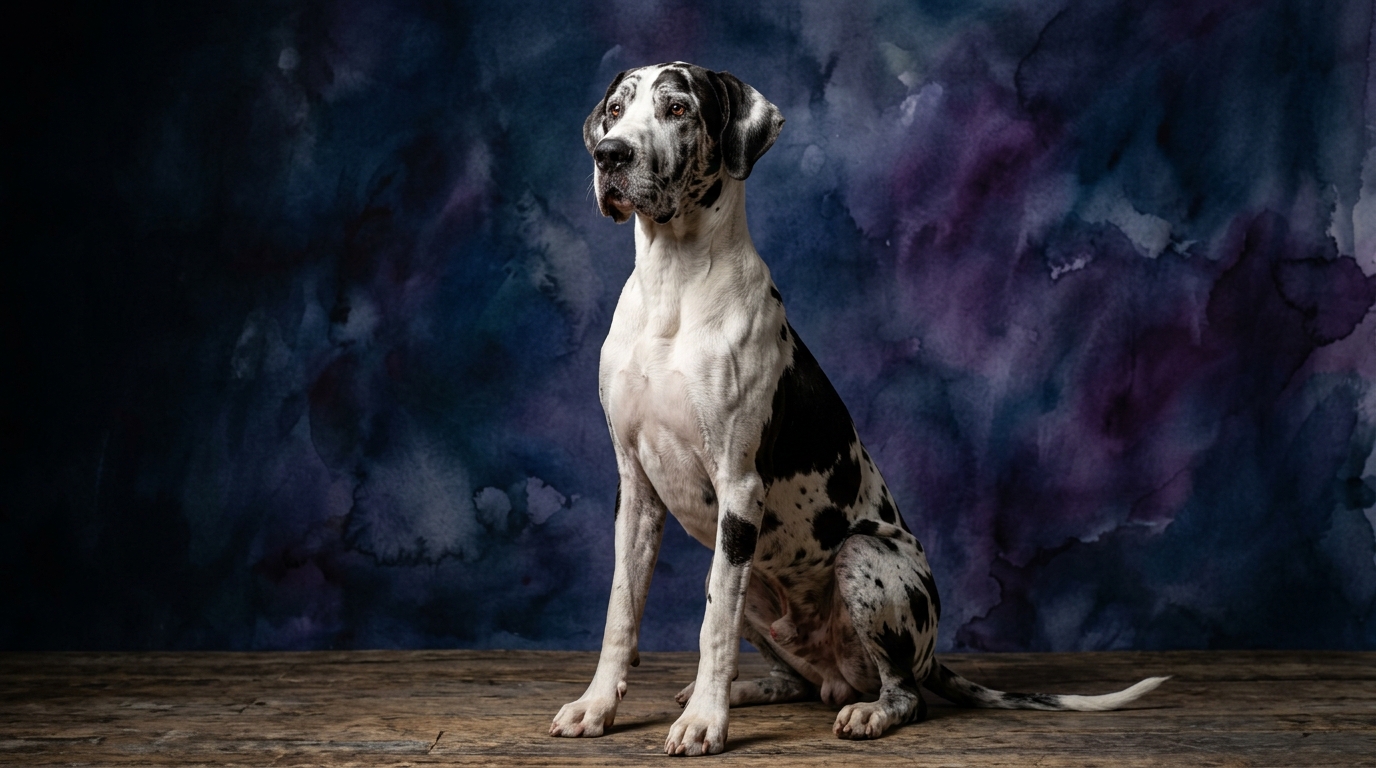
The Great Dane's cognitive profile paints a picture of a thoughtful, socially attuned companion:
Problem Solving (3/5): These large canines demonstrate a solid capacity for understanding and navigating their immediate environment. They can figure out moderately complex challenges like opening unlatched doors or retrieving toys from under furniture, often through observation and trial-and-error. While not known for intricate puzzle-solving, they apply their cognitive understanding to practical household situations, often seeking their human's assistance or approval in more perplexing scenarios.
Training Speed (3/5): Great Danes absorb new commands at a moderate pace, thriving on positive reinforcement and clear, consistent instruction. Their willingness to engage with their human facilitates learning, but their occasional bouts of 'selective hearing' or puppy-like exuberance mean that patience and repetition are key for solidifying new behaviors. They generally respond well to reward-based methods, forming strong associations between actions and positive outcomes.
Social Intelligence (4/5): This is a significant strength for the Great Dane. They possess a remarkable ability to read and respond to human emotions and social cues, often acting as sensitive barometers of household moods. Their social cognition allows them to form deep, empathetic bonds, seeking out companionship and offering comfort. This understanding extends to interpreting body language and vocal tones, making them highly responsive and interactive family members.
Instinctive Drive (3/5): Great Danes exhibit a moderate level of instinctive drives, including protective tendencies and a degree of prey drive, though these are typically well-managed within a family setting. Their guardian instincts are usually directed towards their immediate family, manifesting as a watchful presence rather than an aggressive pursuit. They are less driven by independent hunting urges compared to some other breeds.
Memory (3/5): They possess good long-term memory, retaining learned commands, routines, and recognizing individuals and places over extended periods. This contributes to their reliability and consistency once behaviors are established, allowing them to recall past experiences and apply learned lessons to new, similar situations.
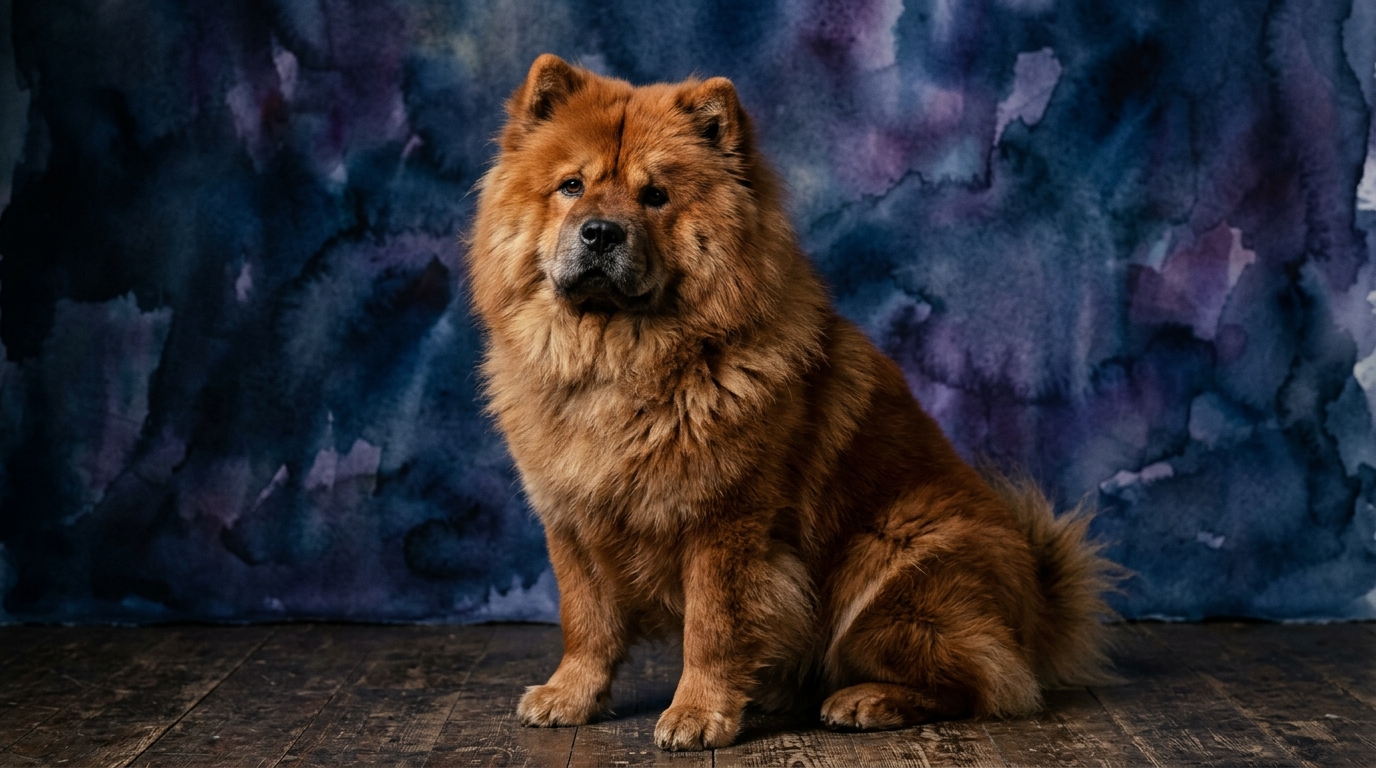
In contrast, the Chow Chow's profile highlights a more independent, discerning intellect:
Problem Solving (3/5): Chow Chows exhibit a practical approach to problem-solving, capable of understanding routines and navigating their environment effectively. They can learn to manipulate simple objects or find ways around minor obstacles. However, their independent nature means they often prefer to figure things out on their own terms, sometimes devising unique solutions that might not align with human expectations but are effective from their perspective.
Training Speed (3/5): Learning new commands happens at a moderate rate for Chow Chows, but their distinct independent streak often requires a different training philosophy. They are not inherently eager to please and will comply only when they perceive a clear benefit or if the request aligns with their own agenda. Trainers must be patient, consistent, and creative in motivating them, as traditional obedience methods might be met with polite but firm resistance.
Social Intelligence (3/5): While deeply loyal and affectionate towards their chosen family, the Chow Chow's social intelligence leans towards discernment rather than overt engagement. They are often reserved, even aloof, with strangers and less demonstrative in their affection compared to many breeds. Their social cognition is focused on identifying their core social circle and maintaining clear boundaries, making them less outwardly expressive but highly perceptive within their trusted sphere.
Instinctive Drive (3/5): Chow Chows possess a moderate instinctive drive, notably strong territoriality and a tendency towards independent decision-making. Their guardian instincts are pronounced, often leading to a watchful and protective demeanor over their home and family. Unlike breeds driven by strong pack dynamics, their instincts guide them towards self-reliance and a clear understanding of their domain.
Memory (3/5): They demonstrate good memory for their established routines, family members, and the boundaries of their personal space. This consistent recall contributes to their predictable, albeit sometimes stubborn, demeanor. They remember past interactions and learn from experiences, reinforcing their preferences and routines over time.
Where the Great Dane Cognitively Excels
The Great Dane's standout cognitive advantage lies in their superior social intelligence, rated 4/5. This translates into a profound ability to read and react to human emotional states, making them exceptionally responsive companions. They often anticipate an owner's needs or mood, offering comfort or initiating play at opportune moments. This high degree of social cognition means they process complex interpersonal dynamics more readily, exhibiting a greater capacity for empathy and a stronger desire for cooperative interaction. Their cognitive framework allows them to integrate seamlessly into diverse family structures and social settings, understanding subtle cues that might elude a less socially attuned breed. This manifests behaviorally as a dog that is highly attuned to its human's well-being and consistently seeks engagement and approval.
Where the Chow Chow Cognitively Shines
While both breeds share a 3/5 problem-solving score, the Chow Chow's cognitive strength is rooted in its pronounced autonomous decision-making. Their inherent self-reliance means they are less inclined to look to their human for immediate guidance when faced with a challenge, preferring instead to assess situations and formulate solutions independently. This cognitive trait is particularly evident in scenarios related to territory management or personal space; they often make decisions based on their internal assessment of what is best for themselves or their immediate domain. This independence, though sometimes interpreted as stubbornness during training, is a testament to their capacity for self-directed thought and action, enabling them to navigate their world with a distinct sense of purpose without constant human intervention. They process information with a focus on self-sufficiency, leading to practical, often effective, solutions that prioritize their own comfort and security.
Trainability: Great Dane vs. Chow Chow
The Great Dane is generally perceived as easier to train, primarily due to their higher social intelligence (4/5) and innate desire to please. Their cognitive framework is geared towards understanding and responding to human communication, making them receptive to commands and eager to earn approval. For instance, a Great Dane is more likely to make eye contact, respond quickly to verbal cues, and adjust its behavior based on subtle changes in its owner's tone or body language, readily forming associations between actions and rewards. This responsiveness stems from their strong social bond and cognitive processing of human feedback. Their moderate training speed (3/5) is bolstered by their inherent cooperativeness, making consistent, positive reinforcement highly effective.
In contrast, the Chow Chow, with its 3/5 social intelligence and marked independence, often requires a more nuanced and patient approach to training. While capable of learning at a moderate pace (3/5), their compliance is frequently contingent on their own perceived benefit or desire. A Chow Chow might understand a command perfectly but choose to disregard it if it doesn't align with its immediate interests or if it prefers to assert its autonomy, exhibiting a behavioral preference for self-determination over immediate obedience. Training success with a Chow Chow relies heavily on building mutual respect and making sessions engaging and rewarding from their perspective, rather than relying solely on their desire to please. Their independent problem-solving nature means they often require a trainer who can adapt to their unique learning style and motivations.
Lifestyle Match: Active vs. Relaxed Owners
Great Danes, despite their imposing size, possess a balanced energy level that can suit both moderately active and relaxed owners. Their moderate instinctive drive (3/5) means they enjoy daily walks, playtime, and engaging in family activities, but they are equally content to spend a quiet afternoon lounging beside their human companions. Their high social intelligence (4/5) means they thrive on constant interaction and being an integral part of family life, whether that involves a long hike or simply a movie night on the couch. They are adaptable companions who appreciate both physical and mental engagement with their family, making them suitable for owners who enjoy a mix of activity and downtime.
Chow Chows are distinctly better suited for relaxed owners who understand and respect their dignified and independent nature. Their moderate instinctive drive (3/5) is often expressed as territorial patrols and a preference for consistent, moderate exercise rather than vigorous, high-impact activities. They require regular, albeit not strenuous, physical activity to stay healthy. Critically, their lower social intelligence (3/5) means they are less demanding of constant interaction and are often content to observe their surroundings from a distance, preferring a calm, predictable environment. They thrive with owners who provide clear boundaries, consistent leadership, and respect their need for personal space and quiet contemplation, making them ideal for those seeking a less overtly demonstrative companion.
The Verdict
Choose a Great Dane if you seek a highly social, empathetic companion eager to be part of every family activity and responsive to your emotional cues. Their moderate trainability and strong desire to please make them a rewarding partner for consistent training and social engagement.
Choose a Chow Chow if you appreciate a dignified, independent companion who values their personal space and offers loyalty on their own terms, thriving in a calm household with clear boundaries and an owner who respects their self-sufficient nature.
🧠 Find Your Pet's IQ Score
Our Pet IQ Lab assessment covers 25+ tests across 5 cognitive dimensions — personalized to your breed.
Take the Full IQ Test →Frequently Asked Questions
Are Great Danes easy to house train?
Yes, Great Danes are generally quite easy to house train due to their moderate memory (3/5) and strong desire to please their owners. Consistent routines and positive reinforcement quickly establish good habits, and their social intelligence (4/5) helps them understand household expectations for appropriate elimination.
Do Chow Chows get along with other pets?
Chow Chows can coexist with other pets, especially if socialized from a young age, but their independent nature and territorial instincts (3/5) mean careful introductions and supervision are often necessary. They may prefer to be the sole canine companion or require a slow, managed integration into a multi-pet household to ensure harmony.
How much exercise do these breeds need?
Great Danes require moderate daily exercise, such as long walks or playtime, to maintain their physical and mental well-being, aligning with their 3/5 instinctive drive. Chow Chows also need regular, moderate exercise, but their activity levels are generally lower, preferring shorter, consistent outings over strenuous, high-impact activities.