Side-by-Side IQ Profile
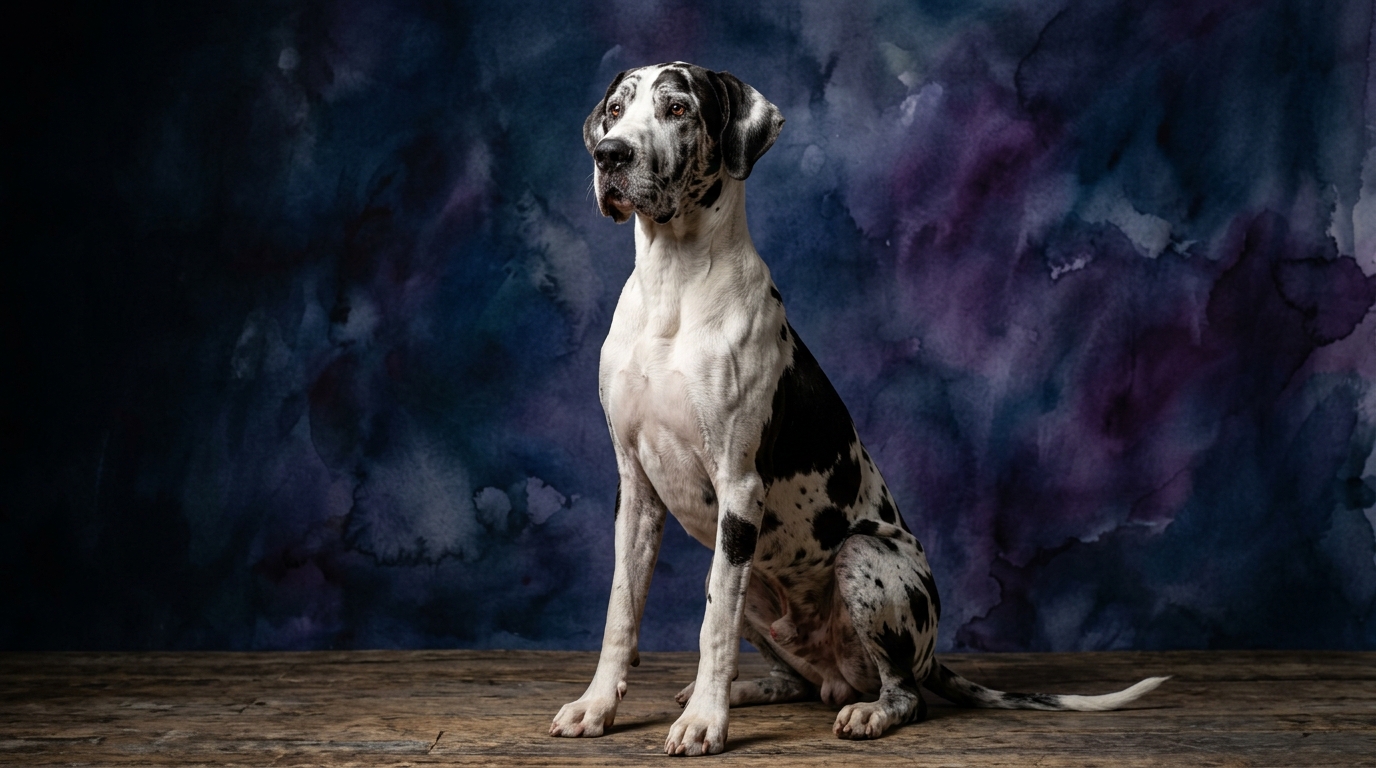
**Great Dane:**
**Problem Solving (3/5):** Possesses a moderate ability to figure out novel situations or overcome obstacles, often relying on observation and a calm approach rather than immediate trial-and-error. They can learn routines and anticipate events, showing practical intelligence.
**Training Speed (3/5):** Takes a moderate amount of repetition to grasp new commands, but once learned, they tend to retain them well. Their willingness to please can often make the training process feel smoother.
**Social Intelligence (4/5):** Demonstrates a notable capacity for understanding human emotions, subtle cues, and social dynamics within a household. This higher score indicates a strong empathy and a deep desire for companionship and connection with their family.
**Instinctive Drive (3/5):** Exhibits a moderate level of innate behaviors, primarily leaning towards protective instincts for their family and a strong bond-forming drive. While not a working breed in the traditional sense, their historical role involved guarding.
**Memory (3/5):** Holds a moderate memory for learned commands, experiences, and familiar faces. They recognize people and places readily, contributing to their steadfast companionship.
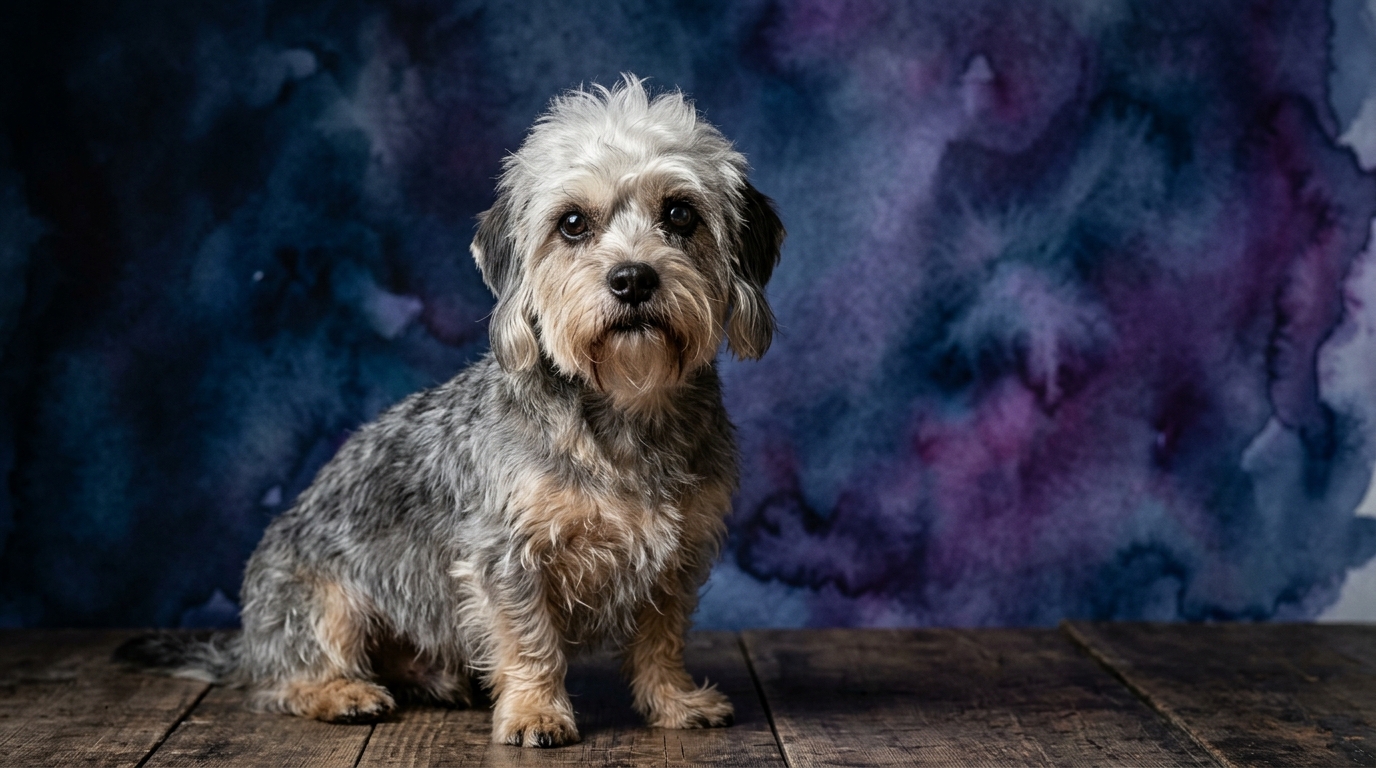
**Dandie Dinmont Terrier:**
**Problem Solving (3/5):** Displays a moderate aptitude for tackling challenges, often employing persistence and a tenacious spirit. They are adept at navigating complex environments, particularly those related to their traditional role of hunting small game.
**Training Speed (3/5):** Requires a moderate number of repetitions to learn new commands. While capable learners, their independent nature can sometimes make consistency a larger factor in their training success.
**Social Intelligence (3/5):** Shows a moderate understanding of social cues and interactions, forming strong bonds with their chosen family. They are affectionate but might be less overtly empathetic or attuned to subtle human emotions compared to breeds with higher scores in this area.
**Instinctive Drive (3/5):** Possesses a moderate but focused set of innate behaviors, heavily influenced by their terrier heritage. This includes a drive for digging, chasing, and exploring, often with a determined, self-reliant approach.
**Memory (3/5):** Exhibits a moderate memory for commands, routines, and past experiences. They recall learned behaviors and familiar individuals, contributing to their reliability once a task is mastered.
Where Great Dane Wins Cognitively
The Great Dane distinctly shines in the realm of social intelligence, scoring a 4/5 compared to the Dandie Dinmont Terrier's 3/5. This isn't merely about being friendly; it reflects a deeper capacity for emotional attunement and understanding human social structures. A Great Dane often displays a remarkable ability to read the room, sensing shifts in mood or tension, and responding with comforting presence or gentle redirection. They are profoundly empathetic, often mirroring the emotional state of their human companions, and their large, expressive eyes can convey a nuanced understanding of interaction. This makes them exceptional emotional support animals and deeply integrated family members, often anticipating needs or offering quiet solace without explicit prompting. Their cognitive strength here lies in their sophisticated interpretation of non-verbal cues and their strong drive to maintain harmony within their social group, a trait less pronounced in the more self-focused terrier.
Where Dandie Dinmont Terrier Wins Cognitively
While both breeds share a 3/5 in most cognitive dimensions, the Dandie Dinmont Terrier's problem-solving and instinctive drive, though numerically equivalent, manifest with a distinctive edge in specific contexts. Its terrier heritage imbues it with a tenacious and independent approach to challenges. Where a Great Dane might wait for guidance or try a more direct, social approach to problem-solving, a Dandie is more inclined to persistent, independent exploration and cunning to achieve its goal, especially if it involves scent or digging. Their 3/5 instinctive drive is keenly channeled towards earthdog activities or tracking small game, requiring a specific kind of focused, self-directed mental effort that outpaces the Great Dane's broader, more companion-oriented instincts. This breed excels at intricate tasks that require sustained, independent thought and physical dexterity in confined spaces, a cognitive niche where its smaller stature and plucky determination are distinct advantages.
Which is Easier to Train and Why
When considering ease of training, the Great Dane generally presents a more straightforward experience, primarily due to its superior social intelligence (4/5) compared to the Dandie Dinmont Terrier's (3/5). While both breeds share a moderate training speed (3/5), meaning they learn at a similar pace, the Great Dane's strong desire to please and its deep connection to its human companions makes it inherently more cooperative. They are more likely to engage willingly in training sessions, motivated by praise and positive interaction, and are highly responsive to human direction. Their cognitive understanding of social dynamics means they quickly grasp what is expected of them within the family unit. In contrast, the Dandie Dinmont Terrier, while capable, often exhibits a more independent and sometimes stubborn streak, characteristic of its terrier lineage. Its instinctive drive, focused on self-directed tasks like hunting and digging, can occasionally override a desire to comply with human commands, especially if a more compelling scent or activity presents itself. Training a Dandie often requires more creativity, patience, and consistent reinforcement to keep their independent minds engaged and focused on the task at hand, making the process feel more challenging despite their comparable learning speed.
Which Suits Active Owners vs Relaxed Owners
For owners seeking a more relaxed yet deeply connected companion, the Great Dane often proves an excellent match. Despite their imposing size, they are typically quite serene indoors, preferring to lounge near their humans. Their cognitive profile, particularly their high social intelligence, means they thrive on companionship and thrive in homes where they can be an integral part of daily life, even if that involves quiet evenings. They require moderate daily exercise, such as a good walk or playtime, but are not typically high-energy dogs demanding constant, vigorous activity. Their calm demeanor and strong bond with family make them ideal for individuals or families who appreciate a gentle, empathetic presence and are content with engaging in less physically demanding, but very socially rich, interactions.
The Dandie Dinmont Terrier, conversely, is better suited for owners who are prepared for a different kind of “active” engagement. While not necessarily requiring miles of running, they need consistent mental stimulation and outlets for their innate terrier drives. Their problem-solving abilities and instinctive drive (both 3/5) manifest as a need for purposeful activity – digging, chasing, exploring, and puzzle-solving. Owners who enjoy engaging in dog sports like earthdog trials, scent work, or agility, or who are committed to daily interactive play and training sessions, will find the Dandie a rewarding companion. They thrive with owners who can channel their tenacious spirit and independent thought into constructive activities, rather than expecting a purely placid lapdog. Their “active” owner is one who is actively involved in stimulating their terrier mind and body.
The Verdict
Opt for the Great Dane if your lifestyle values a deeply empathetic, socially intelligent companion who will integrate seamlessly into family life, offering gentle presence and responding readily to emotional cues and moderate activity.
Select the Dandie Dinmont Terrier if you appreciate an independent, tenacious spirit and are prepared to engage proactively with a dog that thrives on mental stimulation, purposeful activity, and has a plucky determination for exploration.
🧠 Find Your Pet's IQ Score
Our Pet IQ Lab assessment covers 25+ tests across 5 cognitive dimensions — personalized to your breed.
Take the Full IQ Test →Frequently Asked Questions
Does a Great Dane's size impact its training difficulty, even with good social intelligence?
While their social intelligence aids willingness, a Great Dane's sheer size necessitates early and consistent training to manage their strength and ensure good manners, regardless of their mental aptitude. Physical control becomes a practical consideration that complements their cognitive cooperation.
Are Dandie Dinmont Terriers difficult to live with due to their strong instinctive drives?
Dandie Dinmont Terriers are not inherently difficult, but their instinctive drives for digging and chasing require thoughtful management and outlets. Providing appropriate activities and consistent training helps channel these natural behaviors positively, preventing frustration for both dog and owner.
How do these breeds compare in terms of adaptability to different living environments?
Great Danes, despite their size, can adapt to apartment living if given sufficient outdoor exercise and indoor space, thriving on human companionship. Dandie Dinmont Terriers are also adaptable to various homes but require secure outdoor areas or leashed walks to satisfy their exploratory and hunting instincts safely.