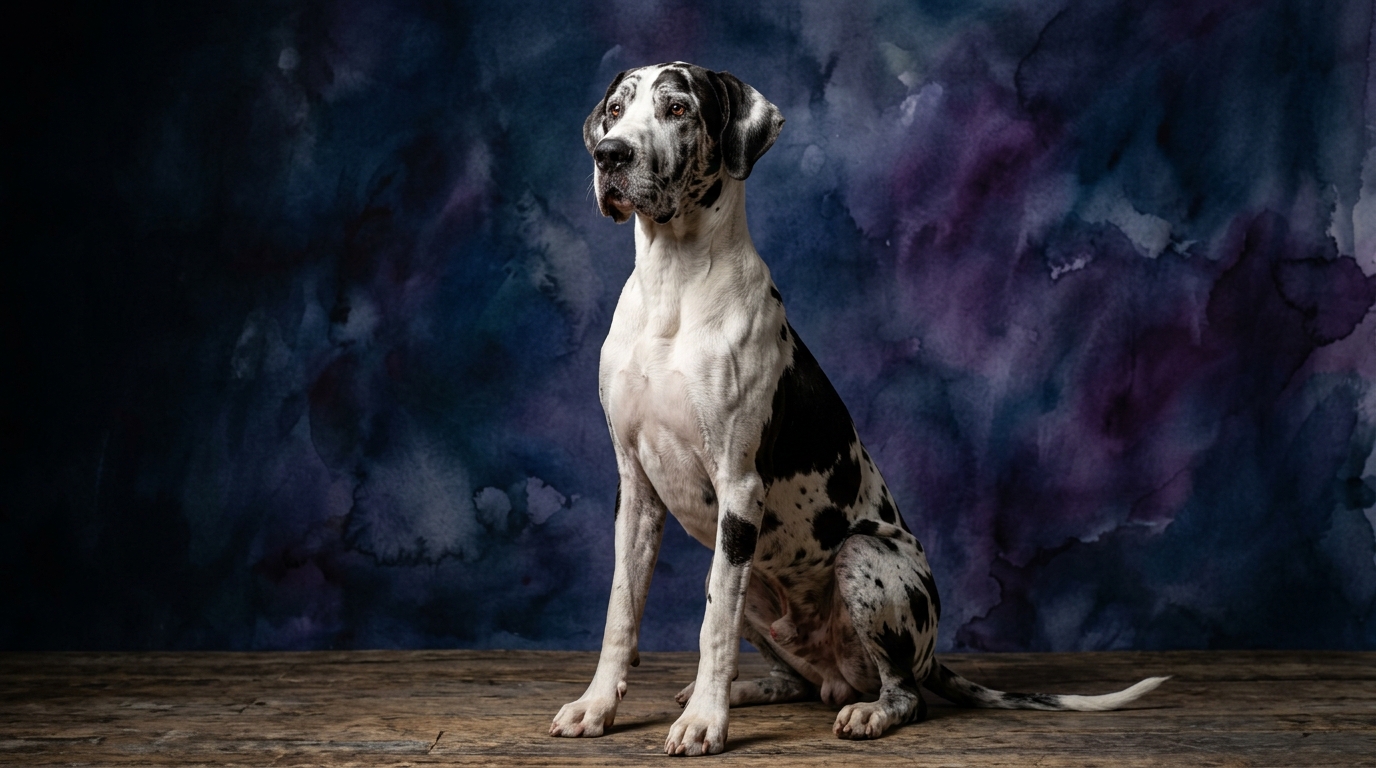
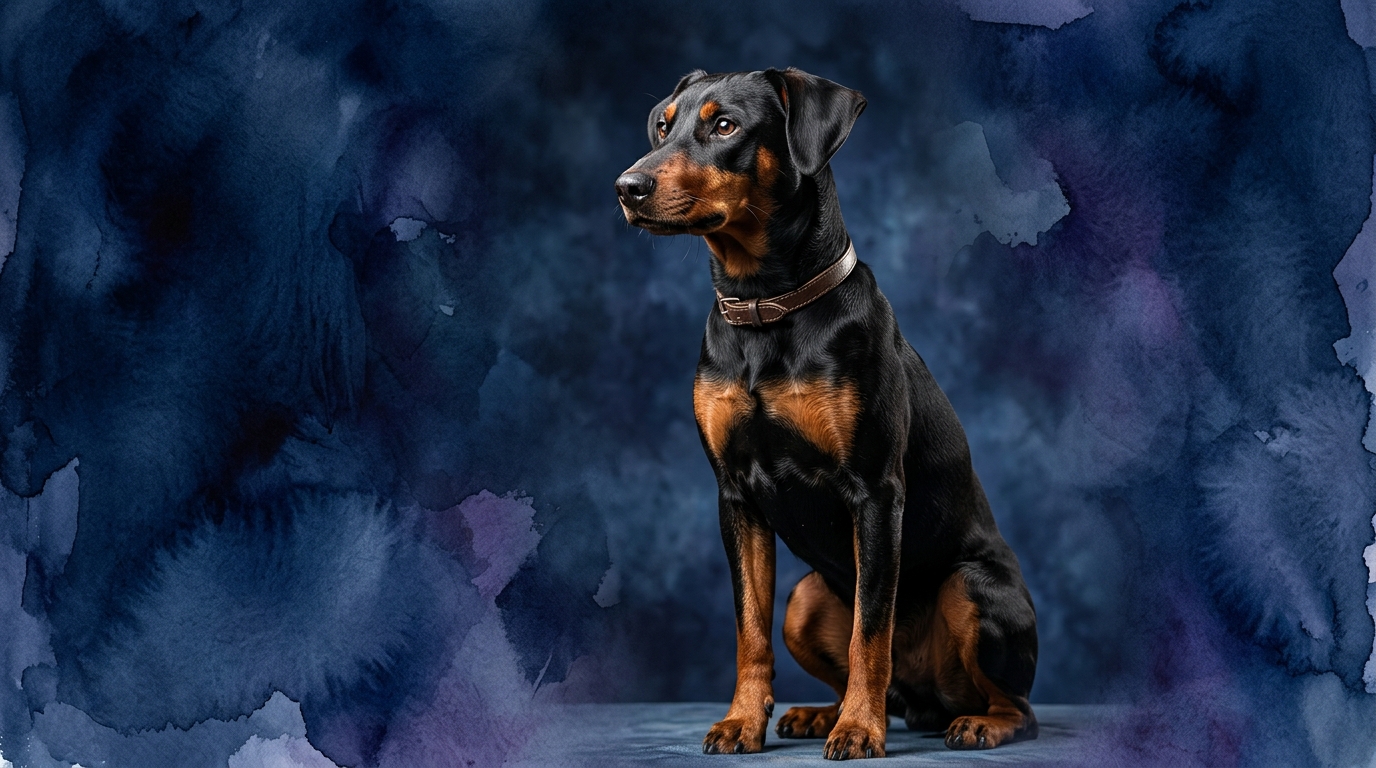
The Cosmic Pet IQ Lab: Great Dane vs. German Pinscher Profile
In The Cosmic Pet Pet IQ Lab, we delve into the core cognitive dimensions that shape our canine companions. For the Great Dane, a Working group member Coren-ranked at #48, and the German Pinscher, also a Working group dog, we observe a blend of shared and distinct mental strengths. While both breeds register similar scores across several categories, the application and underlying expression of these cognitive traits vary significantly.
The Great Dane’s IQ profile includes a Problem Solving score of 3/5, indicating a capacity for navigating moderate challenges, often by applying learned solutions rather than inventing complex new strategies. Their Training Speed is 3/5, suggesting they absorb commands effectively with consistent, positive reinforcement, though perhaps not with the instantaneous grasp of some other breeds. Where they truly excel is in Social Intelligence, scoring an impressive 4/5; this reflects a profound ability to understand and respond to human emotions and social cues. Their Instinctive Drive is 3/5, reflecting a moderate level of inherent protective and companionable behaviors, while their Memory stands at 3/5, enabling them to retain training and recognize familiar faces and routines over time.
The German Pinscher, though not Coren-ranked, presents an IQ profile that highlights a different set of cognitive priorities. Their Problem Solving score is 3/5, showing an active mind capable of figuring out environmental puzzles, like how to access a forbidden treat or navigate obstacles. Their Training Speed is also 3/5, meaning they are responsive to instruction but benefit from engaging, varied sessions to maintain focus. Their Social Intelligence is 3/5, indicating strong bonds with their family and an understanding of pack dynamics, though perhaps with a more independent flair than the Great Dane. Instinctive Drive for the German Pinscher is 3/5, reflecting a keen alertness and a historical background rooted in vermin control, manifesting as vigilance. Finally, their Memory also scores 3/5, allowing them to recall past experiences and learned behaviors, contributing to their adaptability.
Where the Great Dane Excels Cognitively
The Great Dane’s standout cognitive strength lies in their exceptional Social Intelligence, scoring a 4/5 compared to the German Pinscher's 3/5. This isn't merely about being friendly; it's a deep-seated capacity for empathy and emotional attunement. A Great Dane often demonstrates an uncanny ability to read human moods, offering comfort when sensing sadness or adjusting their playfulness based on a child's energy levels. They are acutely aware of the social dynamics within their human family, often acting as gentle, reassuring presences that subtly support emotional well-being. This profound connection makes them extraordinary companions, capable of understanding nuances in tone, body language, and intent, fostering a bond that transcends simple obedience. Their cognitive process in social settings is one of thoughtful observation and responsive interaction, making them highly intuitive partners in daily life.
Where the German Pinscher Shines Cognitively
While both breeds share a 3/5 Problem Solving score, the German Pinscher’s cognitive prowess often manifests through a combination of their problem-solving ability and their moderate Instinctive Drive, coupled with a vigilant nature. Their intelligence is often expressed through quick observation and self-reliant action. A German Pinscher might be quicker to investigate an unusual sound, figure out how to manipulate a latch, or navigate a complex environment with a sense of purpose and independence. They possess a sharp wit and a tendency to assess situations rapidly, making split-second decisions based on their environmental observations and innate drives. This blend of cognitive traits means they are often adept at navigating the world on their own terms, demonstrating a resourceful and independent approach to challenges that requires minimal human prompting once a goal is identified.
Trainability: A Tale of Two Temperaments
Both the Great Dane and German Pinscher hold a 3/5 score for Training Speed, indicating a moderate learning curve, but their temperaments dictate different approaches to effective training. The Great Dane, with their higher social intelligence and inherent desire to please, generally approaches training with a cooperative spirit. Their sheer size, however, necessitates early and consistent training for manners, leash etiquette, and impulse control. They respond best to gentle, positive reinforcement methods, thriving on praise and affection. While they may not pick up complex tricks in a single session, their willingness to engage and their excellent memory for learned behaviors make them reliable and steadfast pupils over time, provided consistency is maintained.
The German Pinscher, conversely, can present a different set of training considerations due to their independent streak and keen alertness. While they learn commands, their moderate instinctive drive and curious nature mean they can be easily distracted by environmental stimuli. Training sessions need to be engaging, varied, and firm yet fair, to capture and maintain their attention. They are intelligent and capable, but owners must be prepared to be creative and persistent to overcome potential stubbornness or a preference for self-directed activity. Their trainability is high, but it requires an owner who understands how to channel their energy and focus their sharp minds effectively.
Lifestyle Compatibility: Active vs. Relaxed Owners
When considering lifestyle, the Great Dane generally suits owners who appreciate a calm, affectionate companion and can provide moderate exercise. Despite their imposing size, they are not typically high-octane dogs requiring hours of intense activity; rather, they thrive on companionship, leisurely walks, and a structured, predictable routine. Their high social intelligence means they genuinely want to be an integral part of family life, often content to lounge near their people. Relaxed owners who enjoy a gentle giant's presence, valuing cuddles and serene companionship, will find a wonderful match.
The German Pinscher, on the other hand, is better suited for active owners who can provide consistent mental and physical stimulation. Their alertness, combined with their moderate instinctive drive, means they possess significant energy and curiosity that needs constructive outlets. Activities like agility, advanced obedience, long exploratory walks, or engaging puzzle toys are ideal for keeping their minds and bodies engaged. Owners who enjoy an energetic partner for various activities and are prepared to invest time in training and enrichment will appreciate the German Pinscher's zest for life and vigilant nature.
The Verdict
Choose the Great Dane if your home thrives on a deeply empathetic, gentle giant who offers profound emotional connection and a calm, reassuring presence, provided you can accommodate their size and moderate exercise needs.
Opt for the German Pinscher if you seek a vigilant, spirited companion eager for intellectual challenges and consistent activity, valuing a loyal, independent partner who keeps you on your toes.
🧠 Find Your Pet's IQ Score
Our Pet IQ Lab assessment covers 25+ tests across 5 cognitive dimensions — personalized to your breed.
Take the Full IQ Test →Frequently Asked Questions
Is a Great Dane's lower problem-solving score a disadvantage?
Not necessarily; their 3/5 problem-solving is sufficient for most daily tasks, and they often prefer to collaborate with their human companions on challenges, leveraging their high social intelligence to seek guidance and work together.
How does the German Pinscher's instinctive drive manifest?
Their 3/5 instinctive drive typically translates into a keen awareness of their surroundings, a propensity for chasing small critters, and a vigilant nature, making them excellent, alert watchdogs who are quick to react to novel stimuli.
Despite similar IQ scores, what's the key difference in their overall cognitive approach?
The Great Dane leans into social cooperation and empathy, often seeking human direction, while the German Pinscher, though social, often exhibits a more independent, observant, and self-reliant approach to navigating its world and solving problems.