Side-by-Side Cognitive Profile: Great Dane vs. Giant Schnauzer
The Cosmic Pet Pet IQ Lab employs a detailed five-dimensional framework to assess canine intelligence, providing a nuanced understanding of each breed's cognitive strengths and inclinations. Let's examine how the Great Dane and Giant Schnauzer measure up.
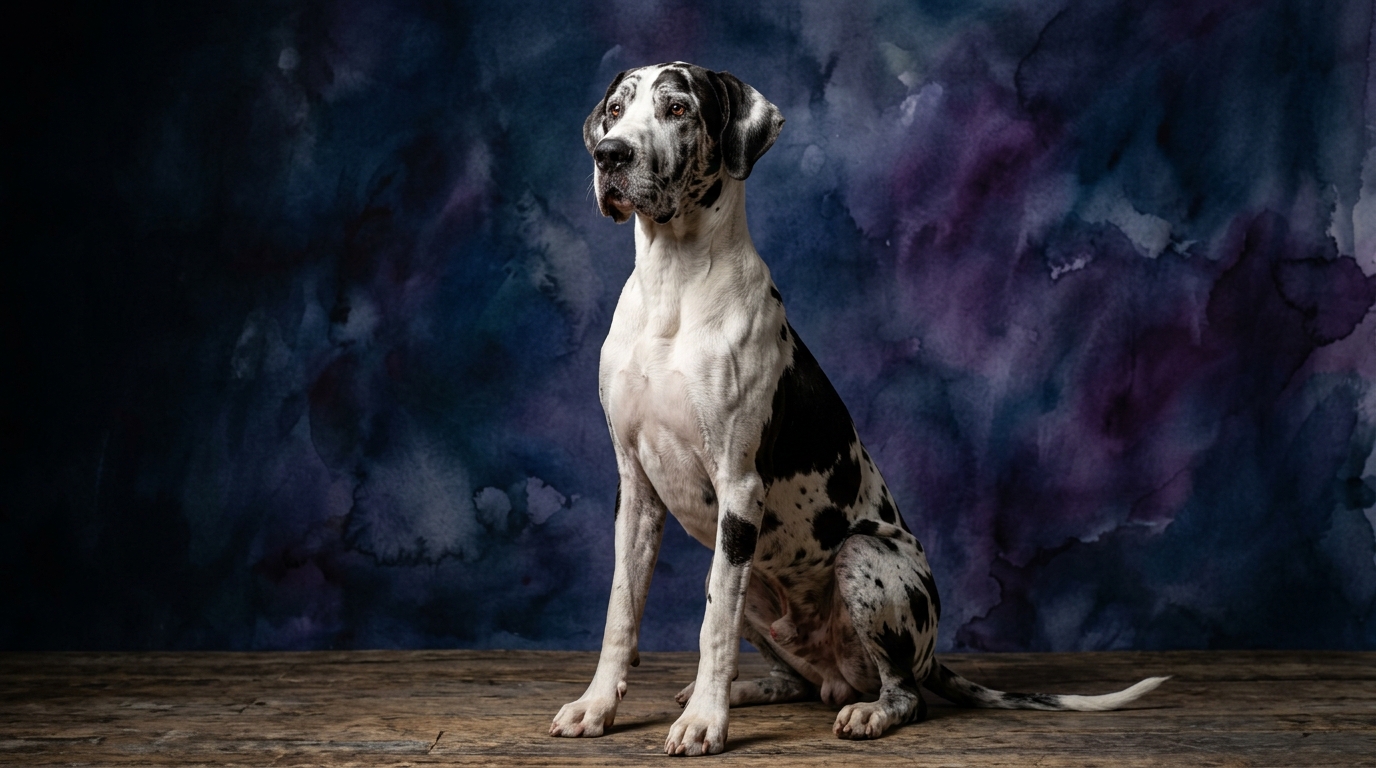
The Great Dane, a majestic working breed with a Coren rank of #48, demonstrates a balanced, companion-centric cognitive makeup. Their Problem Solving is rated 3/5, indicating they are not typically inclined to devise complex, multi-step solutions independently; they often prefer established routines or human guidance when faced with novel challenges. Training Speed also sits at 3/5, meaning they grasp basic commands at a moderate pace, requiring consistent, patient repetition to solidify new behaviors, especially given their deliberate physical movements. A notable strength is their Social Intelligence, rated 4/5, where they excel at reading human emotions and intentions, forming deep, empathetic bonds with their families and seamlessly integrating into household dynamics. Their Instinctive Drive is 3/5; while possessing a historical working background, modern Great Danes exhibit moderate prey or guarding instincts that are generally manageable. Memory is also 3/5, suggesting they retain learned commands and routines adequately, benefiting from consistency to reinforce their recall.
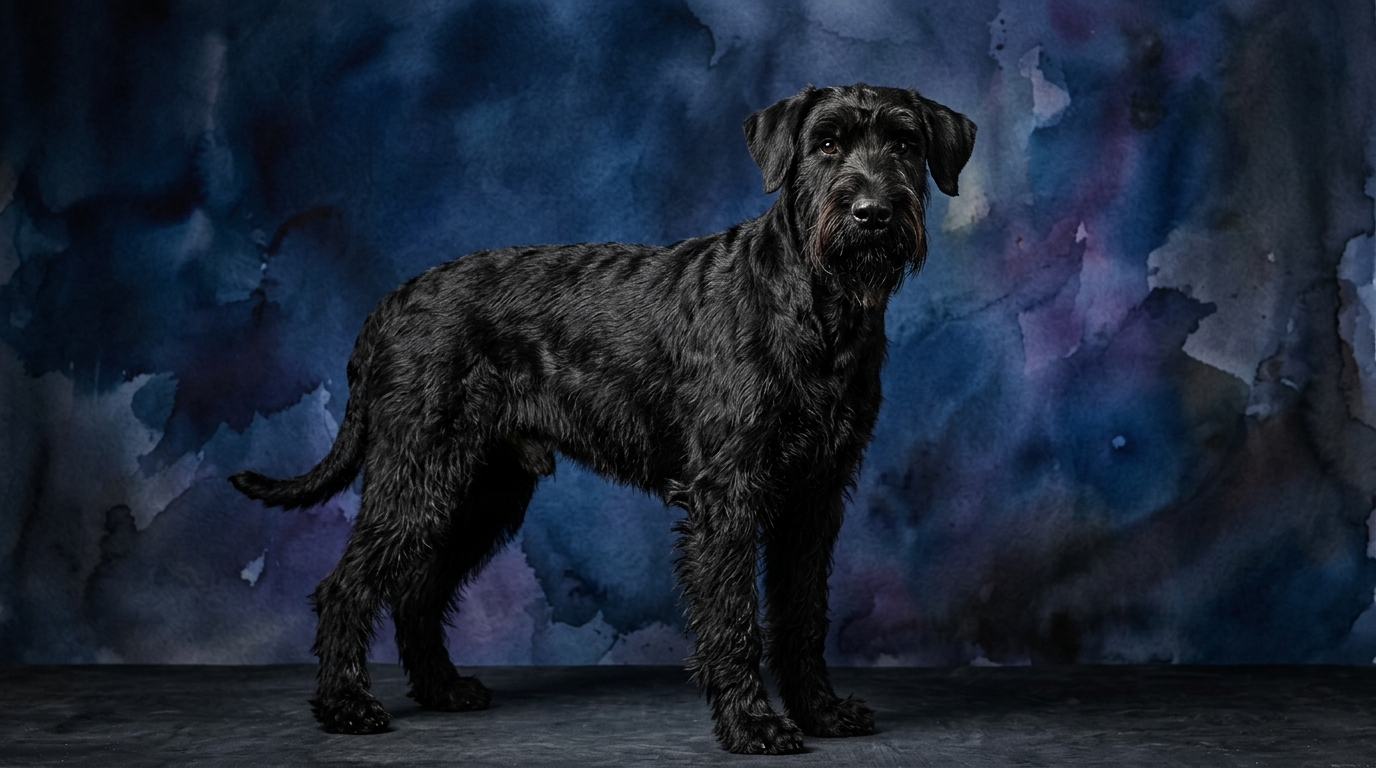
In contrast, the Giant Schnauzer, another robust working breed holding a higher Coren rank of #28, showcases a more task-oriented and mentally agile profile. Their Problem Solving is a strong 4/5, reflecting an impressive ability to analyze situations and devise effective strategies, whether it's navigating complex environments or manipulating objects to achieve a goal. Training Speed also scores 4/5; these dogs pick up new commands and complex sequences with remarkable quickness, often needing fewer repetitions to master new skills. Their Social Intelligence is 3/5; while fiercely loyal to their family, they can be more reserved with strangers and might not exhibit the same intuitive empathy as some breeds, preferring clear communication. The Instinctive Drive is 3/5, aligning with their heritage as guard and herding dogs, manifesting as vigilance and a protective nature that requires appropriate channeling. Finally, their Memory is 4/5, indicating a robust capacity for retaining commands, routines, and specific events over extended periods, making them excellent candidates for advanced training and tasks requiring sustained recall.
Where the Great Dane Excels Cognitively
The Great Dane's cognitive prowess shines brightest in its exceptional social intelligence, scoring a commendable 4/5 in this dimension. This isn't merely about being friendly; it's about an profound ability to read and interpret the subtle nuances of human emotion and social cues. A Great Dane often seems to anticipate its owner's mood, offering comfort during distress or joining in celebratory moments with an almost uncanny perception. Their empathy allows them to form incredibly strong, intuitive bonds, making them highly responsive companions who integrate seamlessly into family life. This deep understanding of social dynamics means they thrive on close companionship, often seeking out physical proximity and responding sensitively to the emotional atmosphere of their home. This cognitive strength underpins their 'gentle giant' reputation, fostering a relationship built on mutual understanding and emotional connection rather than complex task performance.
Where the Giant Schnauzer Holds the Cognitive Edge
The Giant Schnauzer truly distinguishes itself with superior ratings in problem-solving and training speed, both at 4/5, further bolstered by a 4/5 memory. Their cognitive agility allows them to quickly assess new situations and strategize effective solutions, whether it's figuring out how to open a childproof gate or mastering intricate sequences in agility courses. This sharp intellect is coupled with a remarkable capacity for rapid learning, meaning they absorb and apply new commands and complex routines with impressive efficiency, often requiring fewer repetitions than many other breeds. They genuinely enjoy mental challenges and excel in activities that demand sustained thought, quick decision-making, and precise execution. Their excellent memory ensures that once a lesson is learned, it is retained, allowing them to build an extensive repertoire of skills and knowledge, making them formidable partners in competitive dog sports or various working roles.
Training Dynamics: Which Breed Is Easier to Shape?
When it comes to ease of training, the Giant Schnauzer generally holds an advantage due to its higher scores in training speed (4/5), problem-solving (4/5), and memory (4/5). These dogs possess a keen desire to learn and a remarkable ability to quickly grasp new concepts and commands, often needing fewer repetitions to achieve mastery. Their inherent drive to engage in structured work, combined with their sharp intellect, means they thrive on mental challenges and consistent guidance, making them excellent candidates for advanced obedience, protection work, or dog sports. They are quick studies who can progress rapidly through training levels, often enjoying the process of learning complex tasks.
In contrast, the Great Dane, with its 3/5 ratings across problem-solving, training speed, and memory, requires a more patient, consistent, and positive reinforcement-based approach. While willing to please and socially intelligent, they might take longer to generalize commands to different environments and can be more prone to distractions. Their training benefits from shorter, more frequent sessions and a focus on building foundational behaviors through gentle encouragement rather than intense pressure. While capable of learning a wide range of commands, their pace is more deliberate, and trainers should be prepared for a journey focused on reinforcing basic manners and capitalizing on their desire for companionship, rather than pushing for rapid mastery of intricate tasks. The Giant Schnauzer's quicker cognitive processing and retention mean they are often ready for advanced tasks sooner, whereas the Great Dane thrives with a more relaxed, relationship-focused training pace.
Matching Lifestyles: Active Owners vs. Relaxed Companions
The cognitive profiles of these two breeds offer clear guidance for matching them with suitable owner lifestyles. The Giant Schnauzer, with its higher problem-solving ability, rapid training speed, and moderate instinctive drive, is an ideal fit for active owners who are committed to providing consistent mental and physical engagement. These dogs thrive on structured activities such as advanced obedience, agility, tracking, or protection sports, and will excel with owners who enjoy hiking, running, or regular, challenging training sessions. Their need for purpose and mental stimulation makes them excellent partners for individuals or families who lead an active, goal-oriented lifestyle and are prepared to channel their sharp intellect and energy constructively.
Conversely, the Great Dane, distinguished by its higher social intelligence and more moderate instinctive drives, is perfectly suited for relaxed owners who prioritize companionship and a less intense activity schedule. While they still require daily walks and mental enrichment, their contentment often stems from being physically close to their family and participating in the calm rhythm of household life. They are excellent 'couch potatoes' who appreciate a tranquil environment, frequent cuddles, and consistent, gentle interaction. Owners who value an empathetic, intuitive presence and are content with moderate exercise and a strong emotional bond will find a Great Dane an incredibly rewarding and devoted family member. Their needs lean more towards emotional connection and social integration than constant high-impact physical exertion or complex mental tasks.
The Verdict
Choose a Great Dane if you seek a deeply empathetic, socially attuned companion who thrives on close family bonds and a generally relaxed home environment.
Opt for a Giant Schnauzer if you are an active individual or family prepared for consistent training and eager to engage a sharp, challenge-loving dog in advanced activities.
🧠 Find Your Pet's IQ Score
Our Pet IQ Lab assessment covers 25+ tests across 5 cognitive dimensions — personalized to your breed.
Take the Full IQ Test →Frequently Asked Questions
Are Great Danes stubborn during training?
Great Danes aren't typically stubborn, but their moderate training speed (3/5) means they might require more patience and consistency to learn new commands. They respond best to positive reinforcement and clear, calm guidance rather than harsh methods, as their social intelligence (4/5) makes them sensitive to human emotions.
Do Giant Schnauzers need a lot of mental stimulation?
Yes, Giant Schnauzers absolutely benefit from significant mental stimulation due to their high problem-solving ability (4/5) and quick training speed (4/5). Without sufficient mental challenges through training, puzzles, or dog sports, they can become bored and potentially develop undesirable behaviors, making mental engagement crucial for their well-being.
How do their social needs compare?
Great Danes have a higher social intelligence (4/5) and thrive on constant human interaction, often forming strong, empathetic bonds with their families, frequently seeking closeness. Giant Schnauzers, while fiercely loyal to their pack, have a moderate social intelligence (3/5) and can be more reserved or watchful, particularly with strangers, valuing their family's presence but perhaps less overtly expressive of affection.