Side-by-Side Cognitive Profiles: Great Dane vs. Havanese
The Cosmic Pet Pet IQ Lab employs a five-dimensional framework to assess canine cognition, offering a nuanced view beyond mere obedience. Let's delve into how the Great Dane and Havanese measure up.
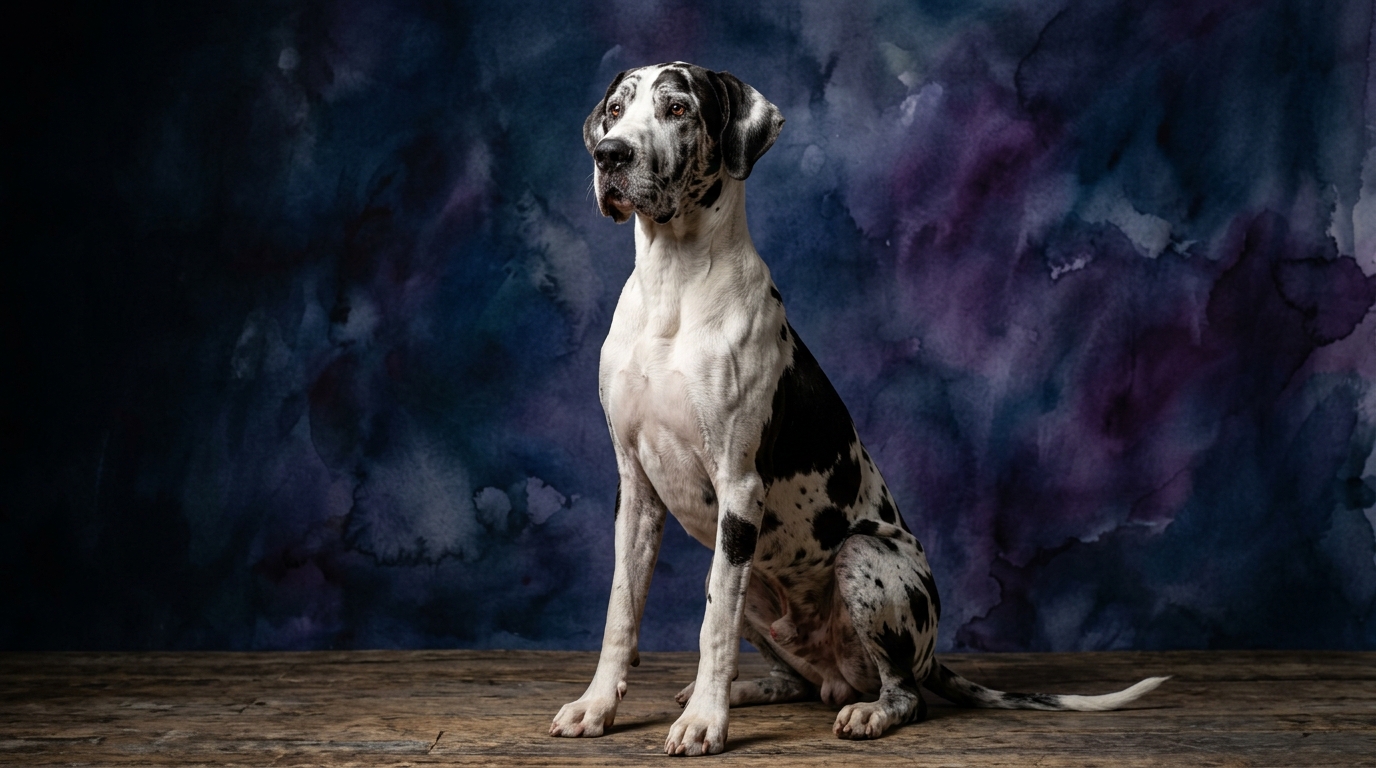
**Great Dane:** This breed, ranked #48 by Coren, presents a unique cognitive blend. Their **Problem Solving** capability sits at a 3/5, indicating they are capable of understanding multi-step tasks when guided but might not independently devise complex solutions quickly. Their approach tends to be more deliberate than spontaneous. **Training Speed** is also 3/5, meaning they absorb new commands at a moderate pace, benefiting greatly from consistency and positive reinforcement. Their **Social Intelligence** is a notable 4/5; they excel at reading human emotions, forming deep bonds, and understanding household dynamics, often displaying empathy. **Instinctive Drive** is rated 3/5, reflecting a moderate, often protective instinct towards family or a strong desire for companionship, rather than a pronounced prey drive. Finally, their **Memory** is 3/5, allowing for good retention of learned commands, routines, and recognition of people and places.
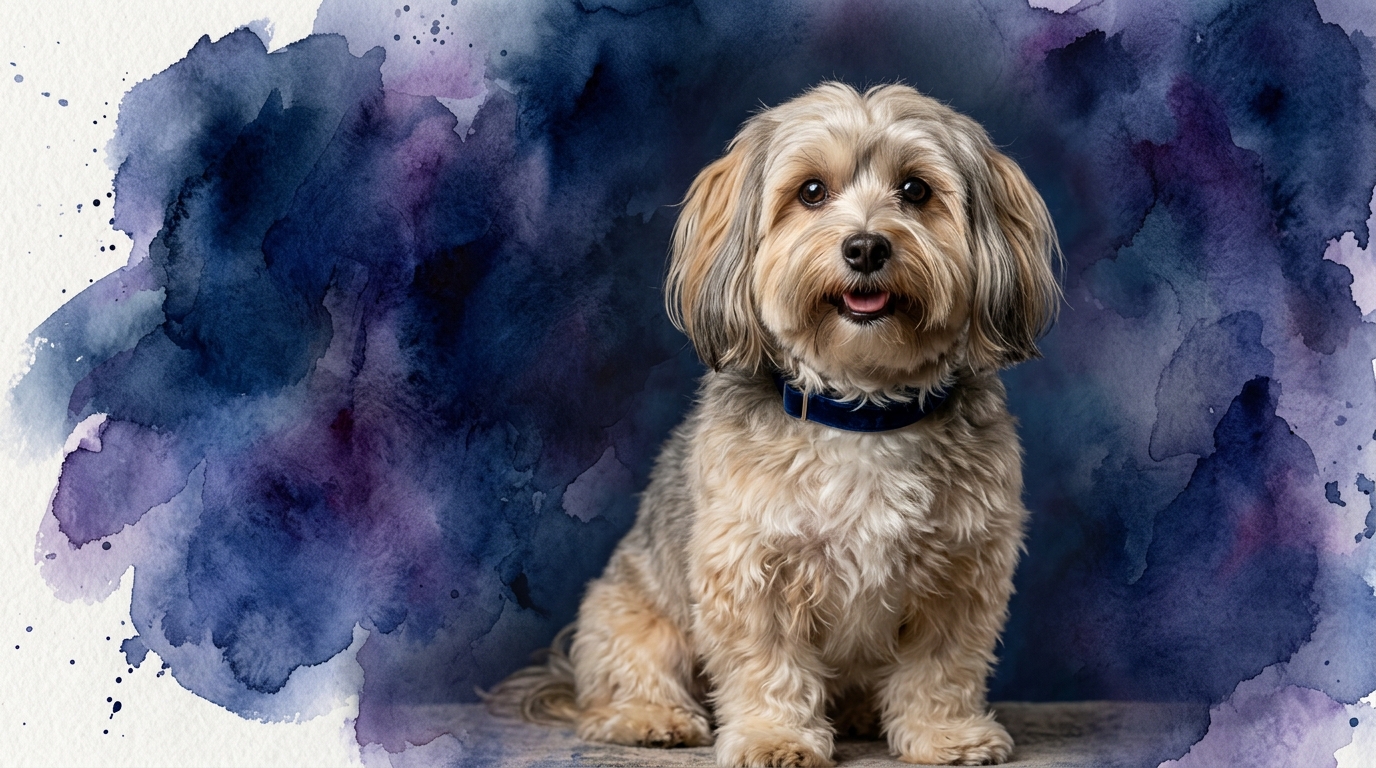
**Havanese:** Unranked by Coren but with a distinct cognitive profile, the Havanese offers a charming contrast. Their **Problem Solving** aptitude is 3/5, similar to the Great Dane, showing they can navigate challenges and figure out ways to get attention or access desired items through observation and trial-and-error. Their **Training Speed** is also 3/5, suggesting they learn at a moderate pace and thrive with engaging, positive methods, though they can become bored with excessive repetition. The Havanese truly shines in **Social Intelligence** with a perfect 5/5 score. They display an extraordinary ability to connect with humans and other animals, are highly attuned to social interactions, and often seek to be the center of attention, adapting readily to various social settings. Their **Instinctive Drive** is a lower 2/5, with their primary instinct often being companionship and proximity-seeking, rather than strong territoriality or prey drive. Their **Memory** is 3/5, providing solid recall for people, places, and learned behaviors, aiding their adaptability and house manners.
Where the Great Dane's Cognition Excels
While both breeds share similar scores in problem-solving, training speed, and memory, the Great Dane’s cognitive strengths manifest uniquely. Their 4/5 social intelligence, combined with their physical presence, allows them to serve as remarkably empathetic and gentle guardians. They possess a profound ability to read complex human emotions, offering comfort and understanding without requiring explicit commands. This nuanced social understanding, coupled with their deliberate problem-solving approach, means they often respond to situations with a thoughtful calmness. Their memory for routines and the specific needs of their family members contributes to their reliability as a steadfast companion, often anticipating needs rather than reacting impulsively.
Where the Havanese's Cognition Stands Out
The Havanese truly distinguishes itself with a perfect 5/5 in social intelligence. This exceptional cognitive trait translates into an unparalleled ability to integrate into diverse social environments, charming strangers, other pets, and children alike. Their high social acumen makes them adept at understanding human social cues, often leveraging their charm to gain attention or affection. This breed thrives on interaction and engagement, using their cognitive skills to navigate complex family dynamics and adapt to new situations with remarkable ease. Furthermore, their lower 2/5 instinctive drive means they are less prone to issues stemming from strong prey instincts or territorial aggression, making them more pliable and generally agreeable companions in varied social settings.
Training Aptitude: Great Dane vs. Havanese
With both breeds scoring 3/5 in training speed, neither is inherently quicker at grasping new commands than the other. However, the *approach* to training and the *types* of behaviors they excel at can differ significantly. The Great Dane’s moderate social intelligence and desire to please their owner makes them responsive to consistent, patient training. Their deliberate nature means they may take a bit longer to process complex sequences, but once learned, commands are typically retained well. Their larger size means agility for intricate tricks might not be their forte, but their calm demeanor makes them excellent candidates for therapy work or obedience tasks requiring steady focus.
The Havanese, with its superior 5/5 social intelligence, often thrives on training that involves interaction and positive reinforcement, as they are highly motivated by human attention and praise. Their quickness and smaller stature make them excellent for trick training and agility, where their natural exuberance can be channeled. However, their lower instinctive drive means they might require more varied and engaging training sessions to prevent boredom, as constant repetition may not hold their interest as effectively. While both breeds learn at a similar pace, the Havanese's social drive often makes them appear more eager and responsive in interactive training scenarios, especially for attention-seeking behaviors, whereas the Great Dane responds well to clear, calm direction for foundational commands.
Suitability for Active vs. Relaxed Owners
The Great Dane, despite its imposing size, is often described as a 'gentle giant' and can be surprisingly content with a relaxed lifestyle. They require regular, moderate exercise to maintain health, but are not typically high-energy dogs seeking constant activity. They will thrive with owners who appreciate a calm, steady presence, have ample space for them to move comfortably indoors, and can provide consistent, gentle engagement. They are well-suited for individuals or families who enjoy quiet companionship and are prepared for a large, affectionate presence that enjoys lounging as much as a daily stroll.
The Havanese, conversely, is a breed that, while small, possesses a surprising amount of energy and playfulness. They enjoy daily walks, interactive playtime, and significant mental stimulation. Their exceptional social nature means they thrive on constant interaction and being involved in family activities. They are best suited for owners who are active in terms of engagement and interaction, even if the physical exercise requirements are moderate. They are not content to be mere lap warmers; they need a family that can provide consistent attention, games, and opportunities for social interaction, making them ideal for those who want a lively, interactive companion.
The Verdict
For individuals seeking a calm, empathetic companion with a strong family bond, who appreciates their deliberate approach to life and enjoys a large, gentle presence, the Great Dane is an excellent choice.
For those desiring a highly interactive, socially adept companion who thrives on engagement and can adapt seamlessly to various family and social environments, the Havanese will be a perfect match.
🧠 Find Your Pet's IQ Score
Our Pet IQ Lab assessment covers 25+ tests across 5 cognitive dimensions — personalized to your breed.
Take the Full IQ Test →Frequently Asked Questions
Are Great Danes or Havanese better with children?
Great Danes, with their 4/5 social intelligence and gentle nature, often display remarkable patience and empathy with children, making them excellent family companions. Havanese, at 5/5 social intelligence, also excel with children, thriving on interaction and play, though their smaller size means interactions should be supervised to prevent accidental injury.
Do Havanese bark more than Great Danes?
Havanese, with their alert nature and strong social drive, can be more prone to barking to communicate or gain attention, especially if not adequately stimulated. Great Danes, while capable of barking, are often more reserved and use their voice for specific alerts rather than frequent communication, generally being quieter companions.
Which breed is more adaptable to apartment living?
The Havanese, due to its smaller size and moderate exercise needs, is generally more adaptable to apartment living, provided they receive sufficient mental stimulation and daily walks. Great Danes, despite their calm indoor demeanor, require significant space to move comfortably and often benefit from a yard, making apartment living more challenging.