Side-by-Side Cognitive Profiles
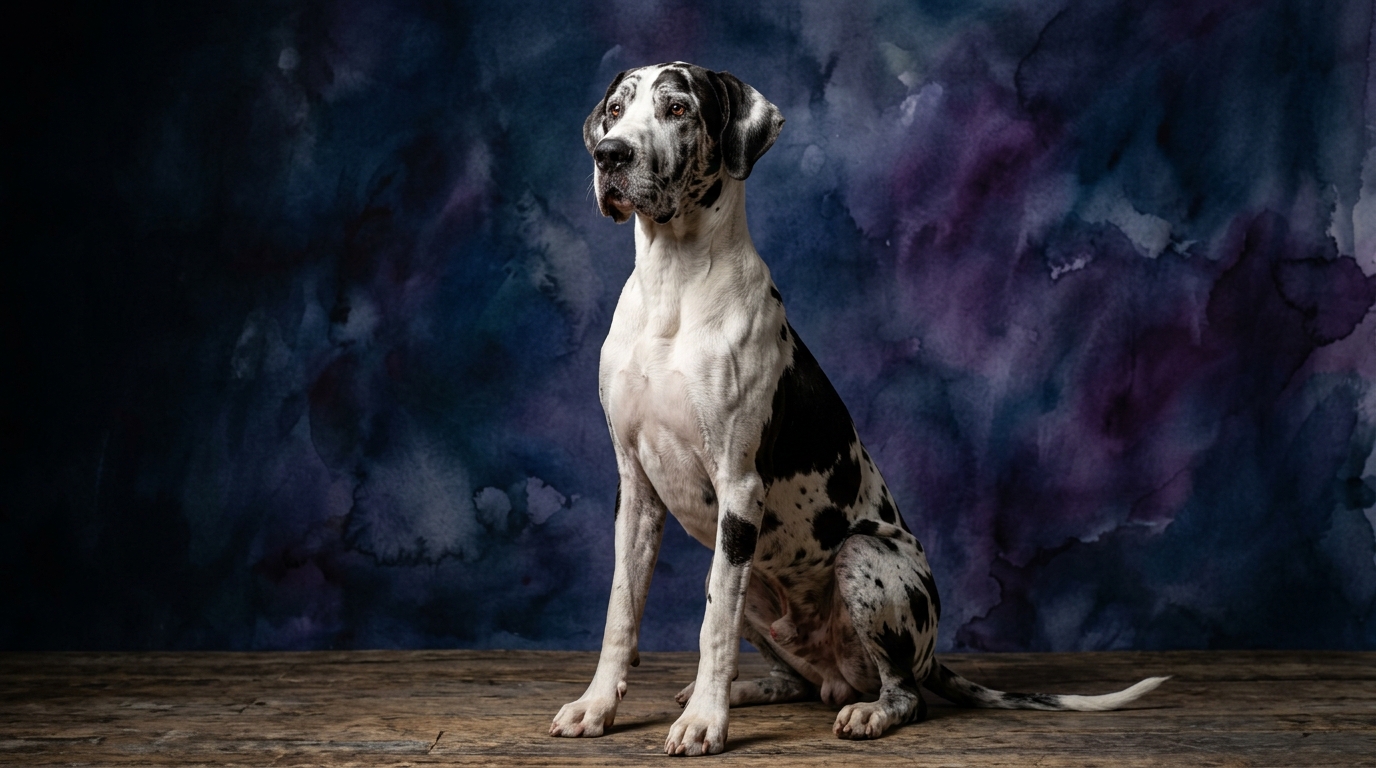
The Great Dane, a member of the Working Group, presents a balanced cognitive profile, ranking #48 on Coren's scale of dog intelligence. Their Problem Solving ability, rated 3/5, allows them to figure out moderate challenges like opening latches, often using their physical presence effectively. Training Speed, also 3/5, means they learn new commands steadily, responding best to patient, consistent methods and positive reinforcement. A standout trait is their Social Intelligence, scoring 4/5, highlighting their exceptional capacity to read human emotions and form profound, empathetic bonds. Their Instinctive Drive, at 3/5, is moderate, encompassing some guarding tendencies but often directed more towards companionship than independent tasks. Finally, their Memory, rated 3/5, ensures reliable retention of routines, commands, and familiar faces.
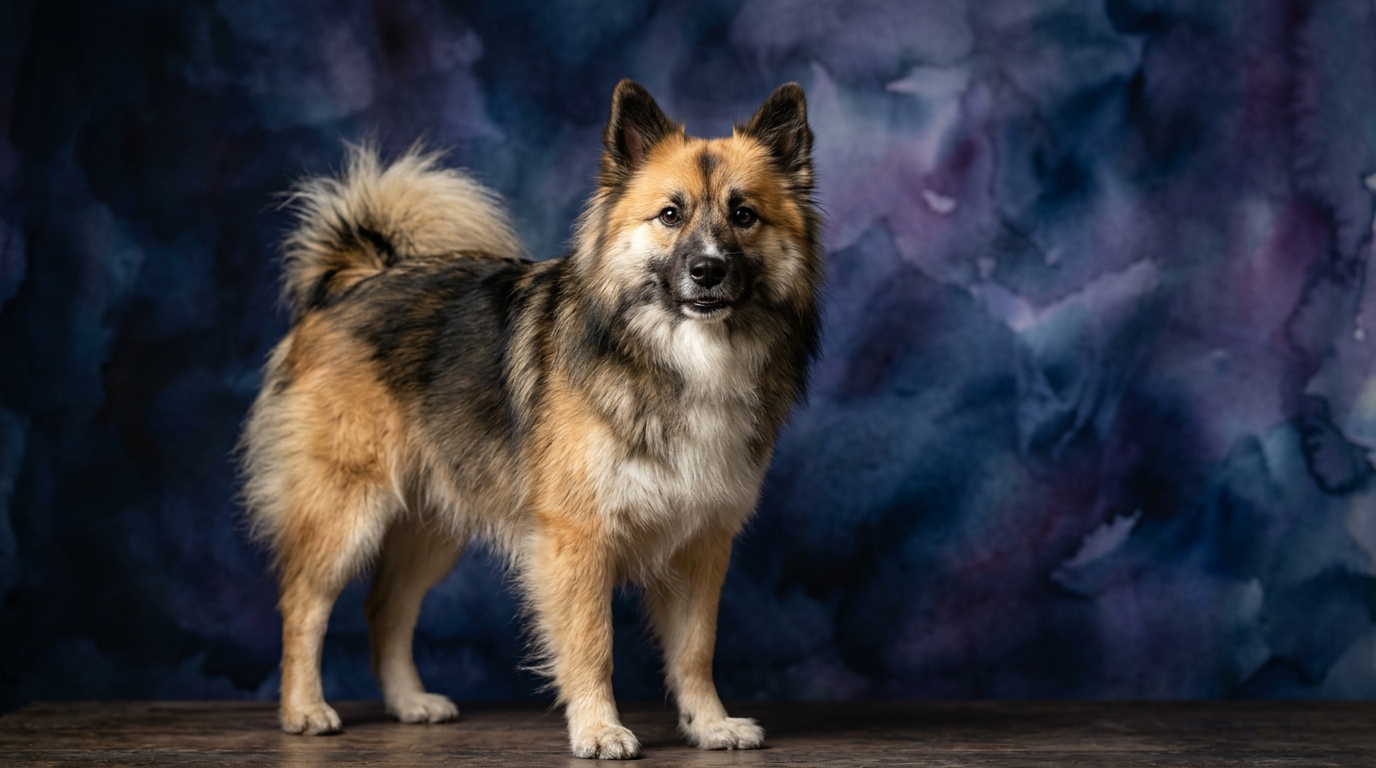
The Icelandic Sheepdog, a Herding Group member, though not Coren-ranked, shares several cognitive scores, but their application differs due to their origin. Their Problem Solving ability, 3/5, manifests as resourcefulness in dynamic, real-world scenarios, particularly those involving livestock or varied terrains, adapting quickly to changing conditions. Training Speed, also 3/5, reflects their eagerness to learn but also an independent streak requiring engaging, varied training to prevent boredom. Their Social Intelligence, rated 3/5, means they are attuned to their human companions and communicate effectively, though perhaps less focused on subtle emotional nuances compared to the Great Dane, often prioritizing their environment or 'job.' Instinctive Drive, 3/5, is a dominant feature, characterized by strong herding impulses, vigilance, and vocalization, requiring an outlet for this innate energy. Their Memory, also 3/5, ensures they recall commands, routes, and past experiences well, aiding complex herding tasks.
Where the Great Dane Wins Cognitively
The Great Dane's most pronounced cognitive advantage lies in their superior Social Intelligence, scoring 4/5 compared to the Icelandic Sheepdog's 3/5. This translates into an exceptional capacity for emotional attunement; Great Danes are often described as highly empathetic, keenly sensing their owner's mood and responding with comfort. They excel at reading subtle human body language and vocal tones, making them remarkably intuitive companions who often seek to please and maintain harmony within the household. This deep understanding of human social dynamics means they can adapt their behavior to suit the family's rhythm, often choosing to be a calm, reassuring presence. Their problem-solving, while 3/5, is often applied in a domestic context, leveraging their understanding of household routines and human responses rather than solely relying on brute force or independent action. Their comparatively lower instinctive drive means cognitive energy is often directed towards human interaction and companionship, solidifying their role as sensitive, family-oriented thinkers.
Where the Icelandic Sheepdog Wins Cognitively
The Icelandic Sheepdog's cognitive strengths, while sharing similar numerical ratings, shine brightly in contexts demanding real-time adaptability and independent decision-making, particularly stemming from their herding heritage. Their Problem Solving, rated 3/5, is exceptionally practical and situation-dependent; they are adept at quickly assessing and reacting to dynamic environments, such as separating livestock or navigating challenging terrain without direct commands. This quick-thinking resourcefulness allows them to make independent judgments in fluid situations, critical for a herding dog. While their Social Intelligence is 3/5, it is a highly communicative intelligence, often expressed through distinct vocalizations and body language to convey observations or needs regarding their perceived 'flock.' Their strong Instinctive Drive, also 3/5 but highly focused, means they possess an innate motivation to work and engage with their environment, channeling cognitive energy into purposeful activity. This drive, combined with a robust memory for routes and tasks, allows them to excel in activities requiring sustained focus and engagement with complex, changing scenarios, showcasing a unique blend of physical and mental agility tailored for their original purpose.
Training Ease: Great Dane vs. Icelandic Sheepdog
When considering ease of training, the nuanced differences in their cognitive profiles become apparent. The Great Dane, with their 4/5 Social Intelligence and strong desire for companionship, tends to be highly responsive to positive reinforcement and praise. Their sensitivity to human emotion means they often strive to please, making them relatively eager learners in a structured, calm environment. Training often focuses on manners and managing their substantial size gently; they grasp these concepts well due to their attunement to human expectations. While their Training Speed is 3/5, their motivation often comes from strengthening the bond with their handler, making them compliant. Conversely, the Icelandic Sheepdog, also with a 3/5 Training Speed, is eager and intelligent but possesses a strong independent streak rooted in their herding instincts. Training them requires engaging methods that channel their innate drive and prevent boredom. They learn quickly but may challenge boundaries or find alternative 'jobs' if not consistently stimulated. Owners must be prepared to manage vocalizations and redirect herding impulses, making training a continuous process of engagement and redirection rather than just compliance. The Great Dane often seeks to perform *for* their owner, while the Icelandic Sheepdog performs *with* their owner, sometimes with a mind of their own.
Suitability for Active vs. Relaxed Owners
The divergent cognitive and instinctive profiles of these two breeds make them suitable for vastly different owner lifestyles. For the relaxed owner, the Great Dane often proves to be an ideal match. Despite their imposing size, their moderate Instinctive Drive (3/5) and high Social Intelligence (4/5) mean they are generally content with moderate daily exercise, like a long walk, followed by ample time lounging and interacting with family. They thrive on close companionship, often preferring to be close to their humans. Their cognitive energy is largely directed towards social bonding and peaceful coexistence, making them excellent companions for those who enjoy a calm, affectionate presence. In stark contrast, the Icelandic Sheepdog is best suited for active owners. Their strong herding instincts and inherent drive for purposeful activity demand significant mental and physical stimulation daily. An Icelandic Sheepdog with insufficient outlets for their 3/5 Instinctive Drive and 3/5 Problem Solving can become bored, vocal, or destructive. Owners must be prepared for vigorous activities like agility, herding trials, long hikes, or advanced obedience training to satisfy their need to work and think. They are not content with just a casual stroll; they need a 'job' that engages both their body and their quick, resourceful mind.
The Verdict
Choose the Great Dane if you seek an empathetic, calm, giant companion who thrives on close family interaction and moderate activity, appreciating their intuitive social nature.
Choose the Icelandic Sheepdog if you're an active owner ready to channel a spirited, resourceful herding dog's energy into challenging activities and consistent training, valuing their independent problem-solving.
🧠 Find Your Pet's IQ Score
Our Pet IQ Lab assessment covers 25+ tests across 5 cognitive dimensions — personalized to your breed.
Take the Full IQ Test →Frequently Asked Questions
Do Great Danes really need a lot of space?
Yes, their substantial size means they require ample room to move comfortably indoors and out. While they can adapt to smaller living spaces with sufficient outdoor exercise, they truly thrive when they have space to stretch and lounge without feeling confined.
Are Icelandic Sheepdogs good with children?
Icelandic Sheepdogs are generally good-natured and patient, but their herding instincts can sometimes lead them to 'herd' children by nipping at heels. Early socialization and training are crucial to teach them appropriate interactions and redirect this natural behavior positively.
How much exercise do these breeds need?
Great Danes require moderate daily exercise, such as long walks, but are also content with lounging. Icelandic Sheepdogs, conversely, demand substantial daily physical and mental stimulation, including vigorous play, long hikes, or dog sports, to prevent boredom and destructive behaviors.