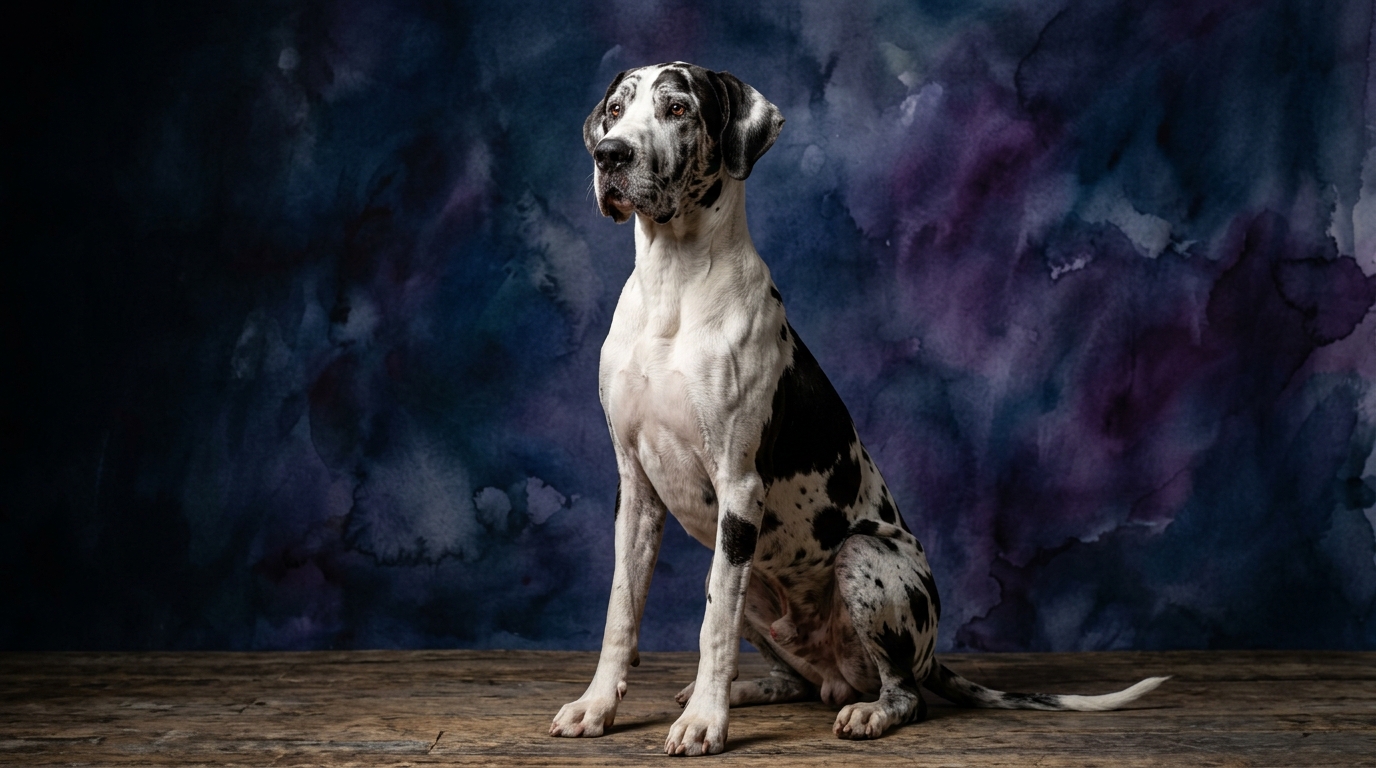
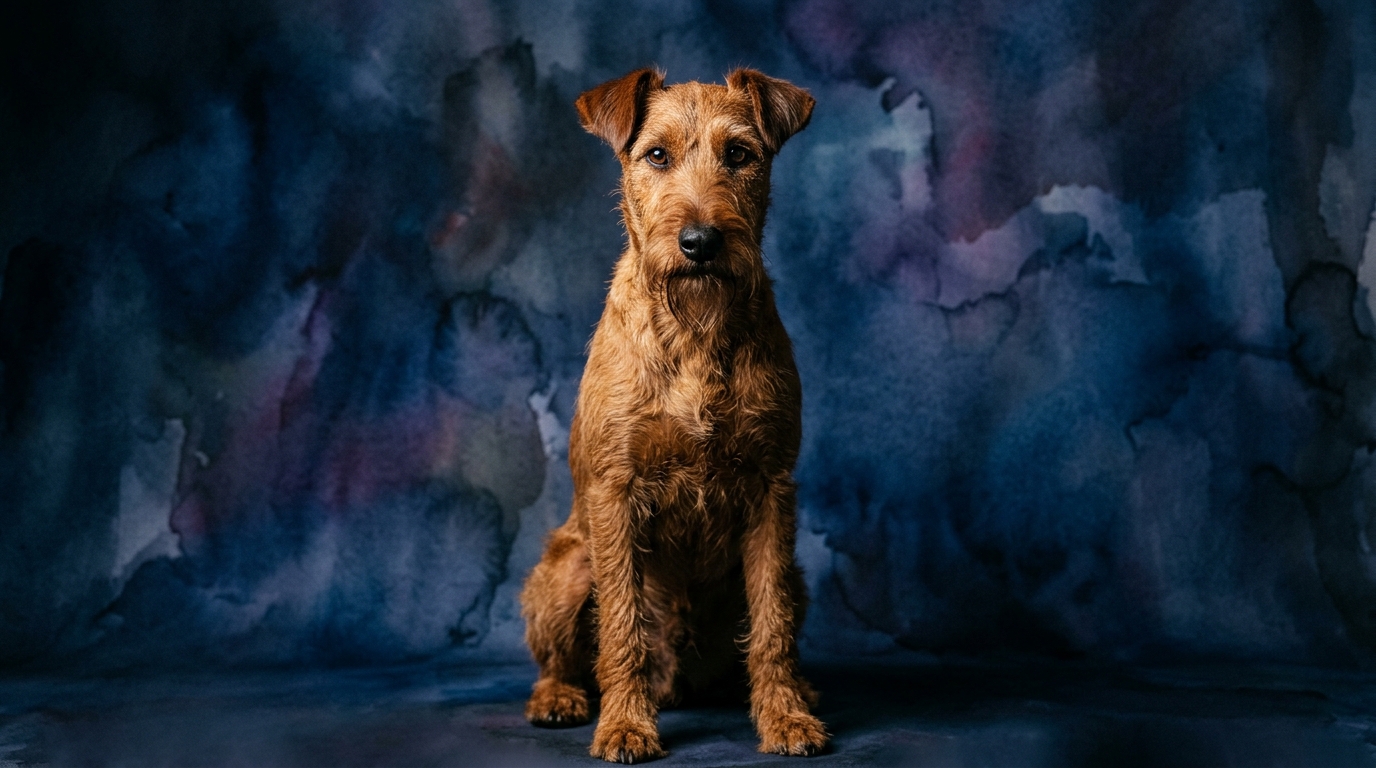
Side-by-Side IQ Profile: Great Dane vs. Irish Terrier
The Cosmic Pet Pet IQ Lab assesses canine cognition across five key dimensions. For the Great Dane, a Working group dog with a Coren ranking of #48, its profile is as follows: Problem Solving (3/5): Great Danes exhibit practical problem-solving, often focused on navigating their environment to be near companions or accessing comfortable spots. They can figure out basic environmental challenges but aren't prone to complex strategizing. Training Speed (3/5): They learn new commands at a steady, moderate pace. Consistency and positive reinforcement are crucial, as their sensitivity means harsh methods are counterproductive to effective learning. Social Intelligence (4/5): Their exceptional ability to read human emotions and social cues is a hallmark. This empathy and desire for deep connection drive their interactions, making them highly attuned to their family's moods. Instinctive Drive (3/5): Their drives are moderately developed, primarily manifesting as a protective instinct towards family. While some prey drive exists, it's generally not as intense as dedicated hunting breeds. Memory (3/5): Great Danes possess a solid memory for learned commands, routines, and experiences, retaining training well over time, especially with positive reinforcement.
The Irish Terrier, a Terrier group dog without a Coren ranking, presents a distinct cognitive makeup: Problem Solving (3/5): Irish Terriers are resourceful problem-solvers, especially when engaging their natural terrier instincts like finding hidden objects or navigating obstacles. Their persistence often aids these efforts. Training Speed (3/5): Capable of learning quickly, their speed is balanced by a strong independent streak. They grasp commands efficiently but may require more motivation and creative approaches for consistent compliance. Social Intelligence (3/5): They form deep, loyal bonds with family, understanding household pack dynamics. However, they can be more discerning or reserved with strangers, evaluating new interactions carefully. Instinctive Drive (3/5): This breed possesses a robust instinctive drive, particularly a strong prey drive and inclination for independent exploration and vermin hunting. This fuels their curiosity and tenacity. Memory (3/5): Irish Terriers possess good memory, enabling them to recall commands and routines effectively. They remember both positive and negative experiences, influencing future learning.
Where the Great Dane Wins Cognitively
The Great Dane's standout cognitive strength lies in their Social Intelligence, rated at an impressive 4 out of 5. Their profound empathy and capacity for reading human emotions are exceptional, often anticipating their owner's needs or moods without overt cues. This sensitivity translates into a deep, intuitive bond, making them highly responsive to subtle human cues and remarkably attuned to the emotional atmosphere of their home. Their desire to please and connect on an emotional level means they excel at being a harmonious, understanding presence, particularly adept at roles requiring a gentle, perceptive nature like therapy work, where emotional attunement is paramount.
Where the Irish Terrier Wins Cognitively
The Irish Terrier's cognitive edge manifests in its tenacious instinctive drive, rated 3 out of 5, which, while numerically similar to the Great Dane, expresses itself very differently. Their drive is rooted in self-reliance and purposeful action, often involving independent exploration and determined pursuit of objectives. This means they excel at tasks requiring persistence, cleverness, and robust physical engagement, such as complex agility courses or scent work where they must independently follow a trail and overcome obstacles. Their resourcefulness is about overcoming challenges to satisfy inherent curiosity and drive, making them formidable in activities demanding independent thought and grit rather than solely human-directed tasks.
Which is Easier to Train and Why
When considering ease of training, the Great Dane, despite its moderate training speed (3/5), often presents a smoother path due to its superior Social Intelligence (4/5). Their innate desire to connect and please their human companions makes them highly receptive to positive reinforcement and gentle guidance. They aim to maintain harmony and respond well to clear, consistent communication. While their sheer size necessitates early and consistent training for control, their willingness to cooperate and empathetic nature make the learning process less confrontational and more collaborative, thriving on a loving bond.
The Irish Terrier, also rated 3/5 for training speed, requires a different approach. Their strong instinctive drive (3/5) and independent nature mean they are quick to learn but might prioritize their own interests over a given command, especially with distractions. Training an Irish Terrier demands creativity, patience, and understanding of their spirited personality. Owners must make training fun, engaging, and relevant to their natural drives, channeling their tenacity into desired behaviors rather than trying to suppress it. Their inherent terrier grit means training often involves more inventive motivation to ensure consistent compliance and focus.
Which Suits Active Owners vs. Relaxed Owners
For the more relaxed owner seeking a calm, steadfast companion, the Great Dane is often a better fit. Despite their massive stature, they are generally content with moderate daily exercise—a good walk or some playtime in a secure yard. Their high social intelligence means they thrive on close companionship and are often happiest lounging near their family, observing household activity. They do not demand constant mental or physical exertion, preferring a serene home environment where their affectionate and sensitive nature can truly blossom. Their primary need is for human connection and a comfortable space to stretch out.
Conversely, the Irish Terrier is ideally suited for active owners who enjoy consistent engagement and outdoor adventures. Their robust instinctive drive (3/5) and energetic disposition mean they require significant daily physical activity and mental stimulation. Long walks, vigorous play sessions, agility training, or scent work can channel their tenacity and problem-solving abilities. Owners who appreciate a spirited, tenacious partner for hiking, running, or dog sports will find the Irish Terrier a rewarding companion, thriving when given a "job" or a challenging activity that utilizes their natural instincts and boundless energy.
The Verdict
For those seeking a profoundly empathetic and gentle companion who thrives on deep emotional connection and a calm home environment, the Great Dane is an excellent choice, offering a sensitive presence and unwavering loyalty.
Conversely, if you desire an energetic, resourceful partner who excels with consistent mental and physical challenges and relishes independent exploration, the spirited Irish Terrier will prove a tenacious and engaging companion for an active lifestyle.
🧠 Find Your Pet's IQ Score
Our Pet IQ Lab assessment covers 25+ tests across 5 cognitive dimensions — personalized to your breed.
Take the Full IQ Test →Frequently Asked Questions
Are Great Danes good with children?
Yes, Great Danes are generally very gentle and patient with children due to their high social intelligence and calm temperament. However, their large size means supervision is always necessary to prevent accidental bumps or knocks, especially with very young children.
Do Irish Terriers bark a lot?
Irish Terriers can be prone to barking, especially if not adequately stimulated or trained. Their strong instinctive drive and territorial nature can lead them to bark at perceived threats or novelties, but consistent training and mental engagement can manage this tendency.
What is the main difference in temperament between these two breeds?
The Great Dane typically exhibits a calm, sensitive, and profoundly affectionate temperament, prioritizing companionship and emotional connection. The Irish Terrier, in contrast, is known for its spirited, tenacious, and independent nature, thriving on activity and possessing a bold, sometimes mischievous, personality.