A Side-by-Side Cognitive Profile
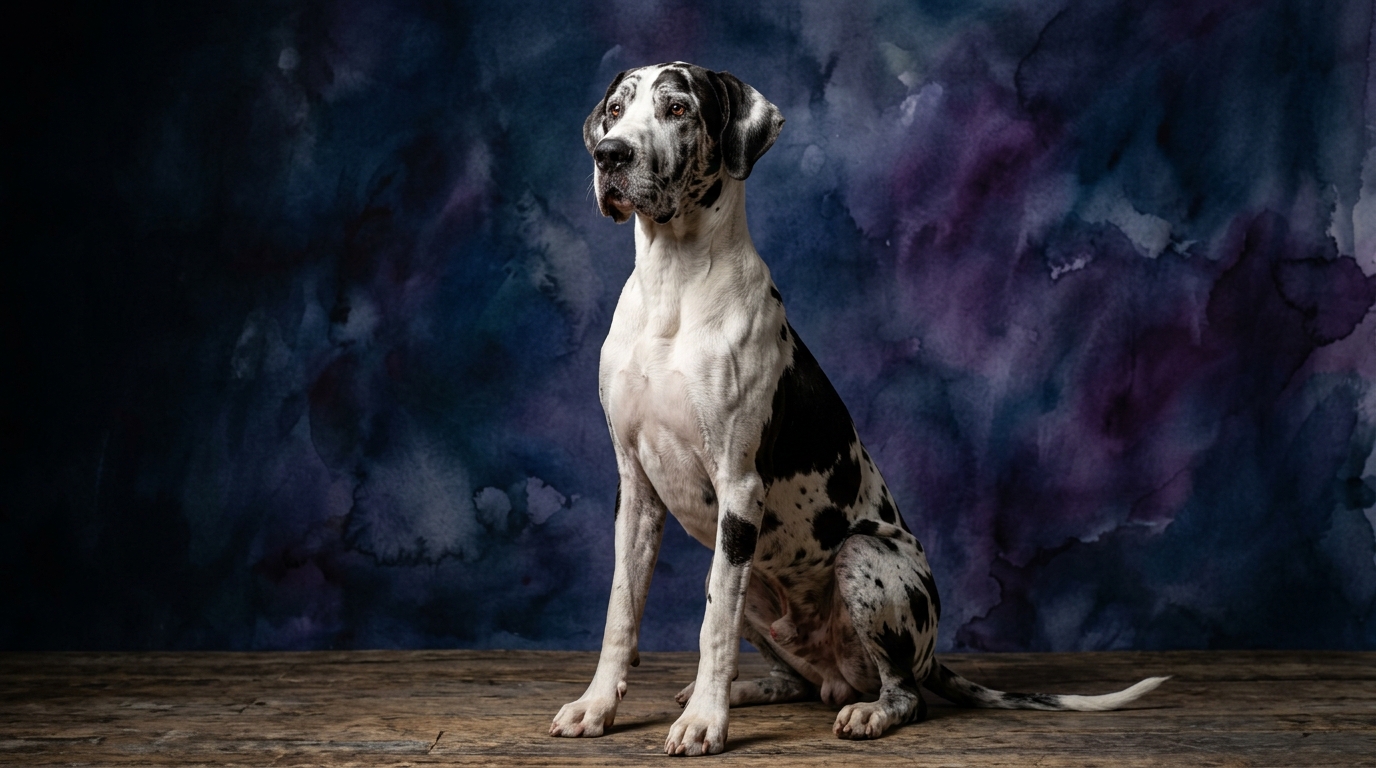
The Cosmic Pet Pet IQ Lab offers a fascinating look into the mental makeup of our canine companions, using five key dimensions to map their cognitive strengths. For the Great Dane, often dubbed the 'Apollo of Dogs,' their profile is marked by a balanced aptitude across many areas, leaning into their companionable nature. Their problem-solving ability scores a 3 out of 5, indicating they can navigate new situations and figure out practical solutions, though they might not be the most inventive strategists. Training speed also registers at a 3 out of 5, suggesting they are consistent learners who grasp commands steadily rather than instantly. Where the Great Dane truly distinguishes itself is in social intelligence, earning a remarkable 4 out of 5, highlighting their profound capacity to understand human emotions and social cues. Instinctive drive is a moderate 3 out of 5, reflecting a balanced prey drive and protective instincts, while memory also scores 3 out of 5, allowing them to retain routines and learned behaviors effectively.
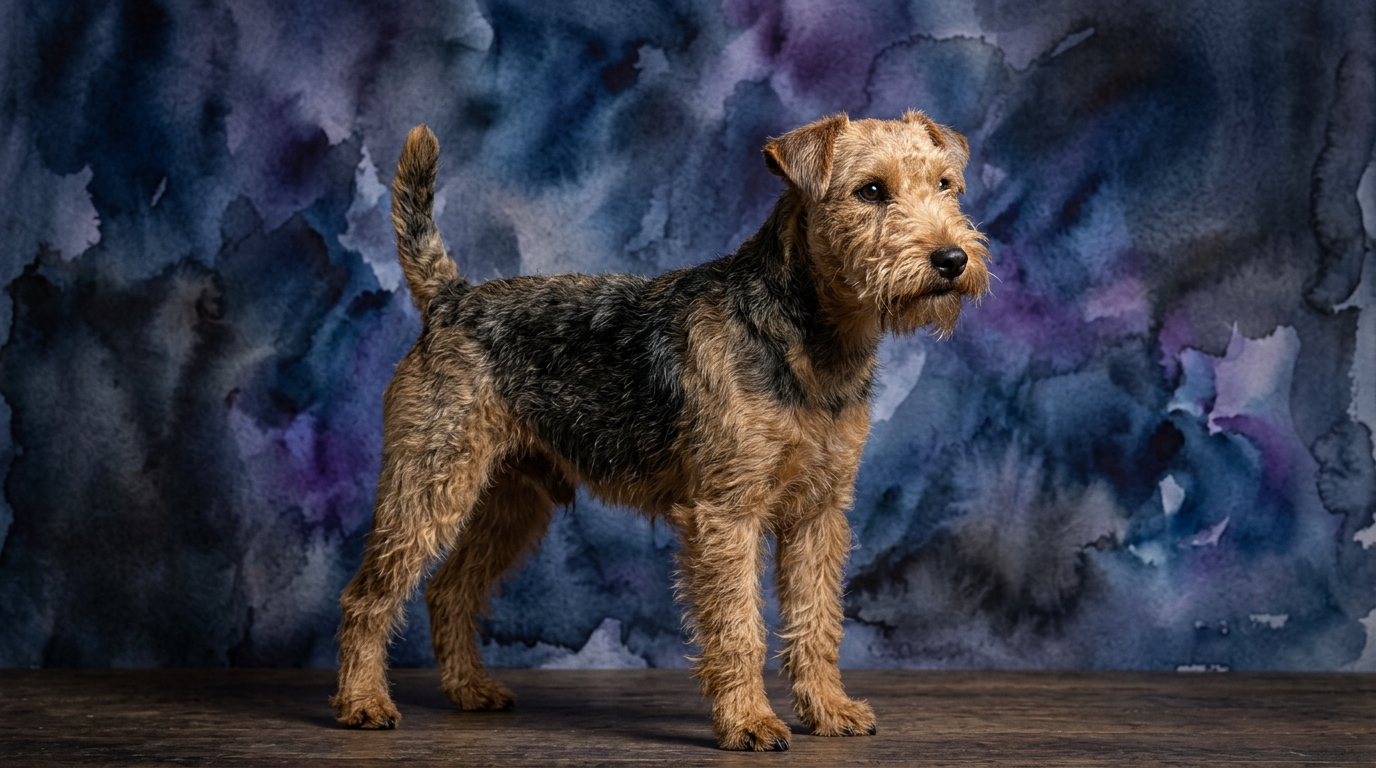
In contrast, the Lakeland Terrier, a sturdy and spirited breed from England's Lake District, presents a profile that, on paper, appears similar in many aspects but manifests quite differently in practice. Their problem-solving ability also scores 3 out of 5, but for a terrier, this often translates to a tenacious, practical approach to overcoming obstacles, particularly those related to their working heritage. Their training speed matches the Great Dane at 3 out of 5, meaning they are capable learners but require engaging and consistent methods to maintain focus. Social intelligence for the Lakeland Terrier is 3 out of 5, indicating they form strong bonds with their family but tend to be more independent and less overtly empathetic than the Great Dane. Instinctive drive, also 3 out of 5, is often channeled into their persistent hunting and digging behaviors, reflecting their original purpose. Memory scores 3 out of 5, allowing them to remember commands and routines, but their independent spirit can sometimes make application inconsistent.
Where the Great Dane Excels Cognitively
The Great Dane's standout cognitive advantage lies unequivocally in its social intelligence, scoring a full point higher at 4 out of 5 compared to the Lakeland Terrier's 3 out of 5. This superior social acumen means Great Danes possess an exceptional ability to read and respond to human emotions and social dynamics. They are often highly attuned to their owners' moods, offering comfort or retreating when sensing distress. This makes them remarkably intuitive companions, capable of forming deep, empathetic bonds. Their perceptiveness allows them to integrate seamlessly into family life, understanding unspoken cues and adapting their behavior to maintain harmony. This isn't just about being affectionate; it's a sophisticated cognitive function that involves interpreting complex social signals, making them excellent therapy dogs or emotional support animals, a role where their gentle nature and empathetic intelligence truly shine.
Where the Lakeland Terrier's Cognition Shines
While many of their IQ scores align, the Lakeland Terrier's cognitive strengths, particularly in problem-solving and instinctive drive, manifest with a distinct terrier tenacity. Their 3 out of 5 in problem-solving isn't about grand strategic thinking, but rather about resourceful, persistent, and often independent solutions to immediate, practical challenges. This might mean figuring out how to bypass a gate, unearth a buried treasure, or outsmart a small critter. Their instinctive drive, also 3 out of 5, is tightly coupled with this practical problem-solving, fueling their determination to pursue a goal relentlessly, whether it's a scent trail or a perceived mission. This blend of focused drive and pragmatic problem-solving makes them exceptionally adept at tasks requiring persistence and a certain degree of self-reliance, distinguishing their mental approach from the Great Dane's more socially-oriented intelligence.
Training: Giant Gentleness vs. Terrier Tenacity
When considering ease of training, the Great Dane generally presents a more straightforward path for most owners, despite both breeds sharing a 3 out of 5 training speed score. The Great Dane's higher social intelligence (4/5) plays a pivotal role here; they are often eager to please their human companions and highly receptive to praise and positive reinforcement. Their large size necessitates early and consistent training for manners and obedience, which they typically accept with a gentle willingness to cooperate. Their ability to read human cues helps them anticipate expectations, making the training process feel like a collaborative effort, building on their innate desire for companionship and harmony within the household.
The Lakeland Terrier, while equally capable of learning (3/5 training speed), often requires a more creative and patient approach due to their inherent terrier independence and strong instinctive drives. Their 3 out of 5 social intelligence means they are less motivated by a desire to simply please and more by what benefits them or satisfies their innate curiosity and drive. Their instinctive drive, also 3 out of 5, means they can be easily distracted by environmental stimuli—a squirrel, a rustle in the bushes—making focus a challenge. Training a Lakeland often involves turning lessons into engaging games, utilizing their problem-solving skills, and maintaining a firm, consistent, and positive approach to overcome their self-reliant nature and channel their energy productively.
Lifestyle Match: Active Engagement vs. Calm Companionship
The choice between a Great Dane and a Lakeland Terrier also significantly hinges on an owner's lifestyle and what they seek in a canine companion. Great Danes, despite their enormous size, are often described as 'gentle giants' who enjoy a balance of moderate exercise and ample indoor relaxation. Their high social intelligence means they thrive on close companionship and being an integral part of family activities, even if those activities involve lounging on the couch. They are well-suited for owners who appreciate a calm, empathetic presence in the home, can provide consistent, gentle guidance, and have space for a large dog to stretch out. They need mental engagement through interaction and consistent routines, rather than constant high-intensity physical demands.
The Lakeland Terrier, by contrast, is a dynamo in a compact package, requiring significant mental and physical stimulation to be truly content. Their terrier drive and practical problem-solving skills mean they need outlets for their energy, curiosity, and instinct to explore and investigate. They are best suited for active owners who enjoy engaging their dog in various activities such as hiking, agility, earthdog trials, or extended play sessions. These owners should be prepared for a dog with a robust personality that benefits from structured training, puzzle toys, and consistent challenges to prevent boredom and channel their spirited energy constructively. A relaxed owner who cannot meet these needs might find a Lakeland Terrier's independence and drive challenging to manage.
The Verdict
Choose a Great Dane if you seek a deeply empathetic, gentle, and intuitive companion who excels at reading social cues and thrives on calm, consistent companionship within the family.
Opt for a Lakeland Terrier if you are an active owner who enjoys a spirited, independent, and tenacious dog, capable of resourceful problem-solving and requiring engaging physical and mental challenges.
🧠 Find Your Pet's IQ Score
Our Pet IQ Lab assessment covers 25+ tests across 5 cognitive dimensions — personalized to your breed.
Take the Full IQ Test →Frequently Asked Questions
Are Great Danes good with children?
Yes, Great Danes are generally very good with children due to their high social intelligence and gentle nature. They are often patient and tolerant, though their large size means supervision is always essential to prevent accidental bumps.
Do Lakeland Terriers bark a lot?
Lakeland Terriers can be prone to barking, especially if not properly stimulated or trained, due to their alert nature and instinctive drive. They often use their voice to signal perceived threats or express boredom.
How much exercise does each breed need?
Great Danes require moderate daily exercise, typically a few walks and playtime, balancing activity with rest. Lakeland Terriers need more vigorous and consistent exercise, including varied activities to satisfy their high energy and mental curiosity.