Side-by-Side IQ Profile: Great Dane vs. Lhasa Apso
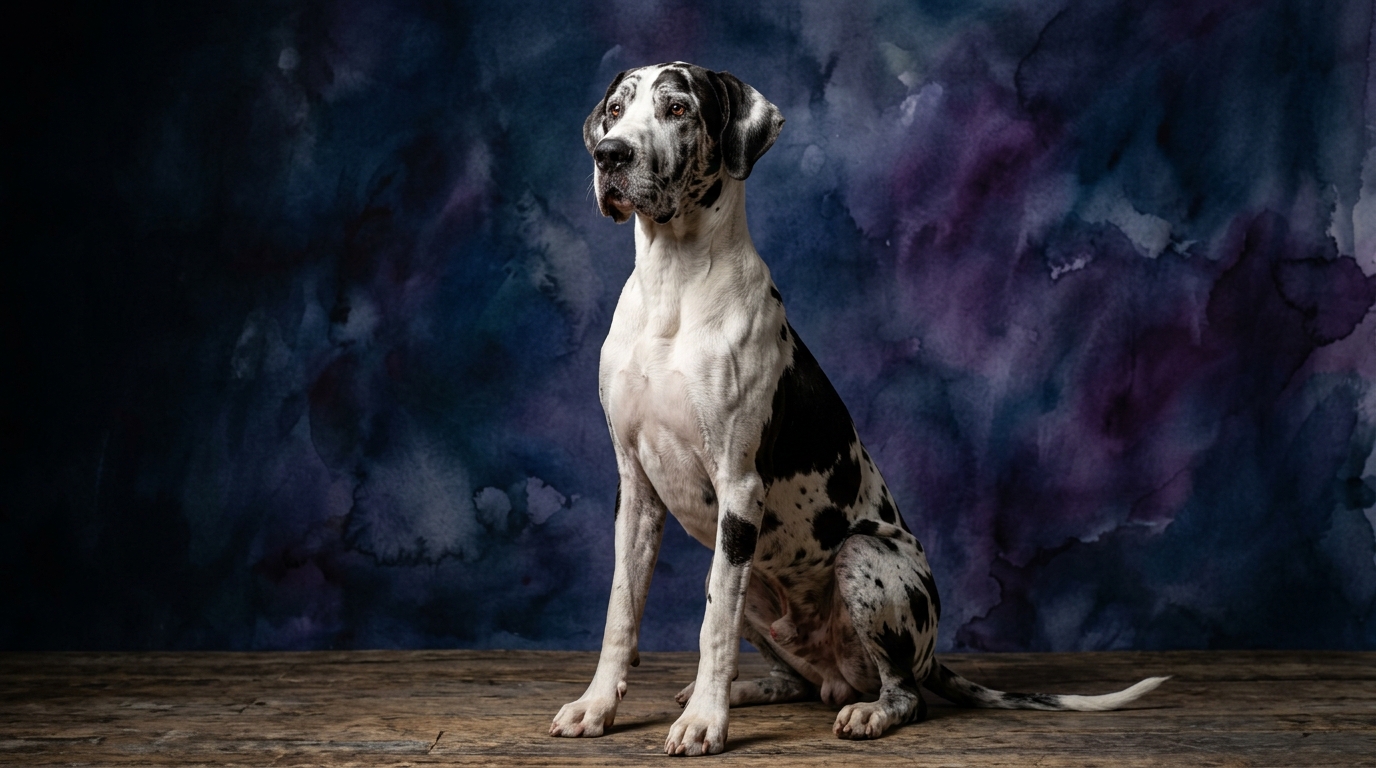
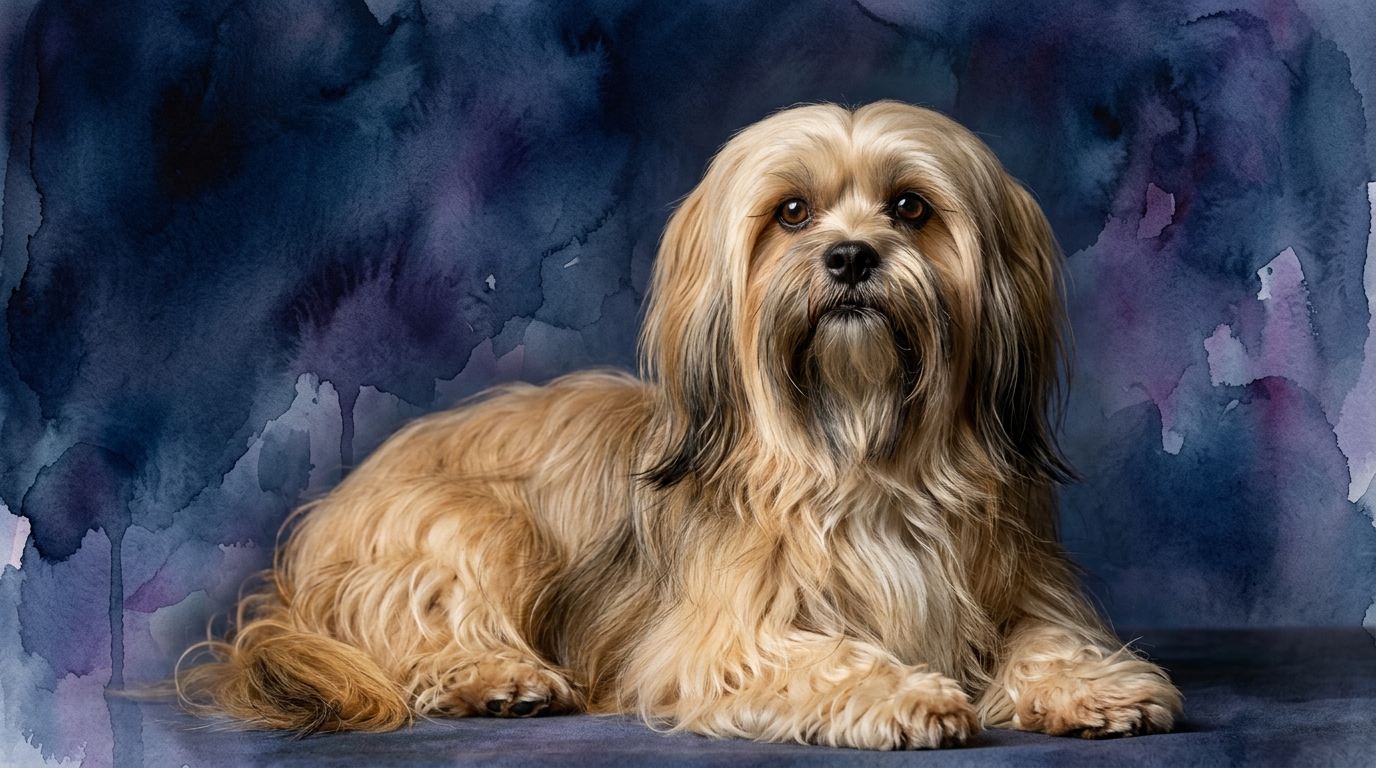
At The Cosmic Pet Pet IQ Lab, we evaluate canine intelligence across five key dimensions. Let's delve into how the Great Dane (Working Group, Coren rank #48) and the Lhasa Apso (Non-Sporting Group, Coren rank #68) measure up.
For the Great Dane, their **Problem Solving (3/5)** shows a moderate capacity for independent solutions, often approaching novel situations directly rather than with complex strategizing. Their **Training Speed (3/5)** indicates they require a moderate number of repetitions to grasp new commands, though their willingness to engage ensures steady progress. A standout trait is their **Social Intelligence (4/5)**, reflecting a high attunement to human emotions and social cues, fostering deep, empathetic bonds. Their **Instinctive Drive (3/5)** is moderate, balancing their working heritage with a gentle disposition. Finally, their **Memory (3/5)** demonstrates a solid, average ability to recall learned behaviors and routines.
The Lhasa Apso’s profile reveals consistent scores across the board. Their **Problem Solving (3/5)** aptitude is moderate, often manifesting as resourceful independence in achieving their own desired outcomes. Similarly, their **Training Speed (3/5)** means they also require moderate repetitions, though their independent streak may influence *when* they choose to demonstrate understanding. Their **Social Intelligence (3/5)** is moderate, allowing them to form strong family bonds while retaining a degree of self-sufficiency. A moderate **Instinctive Drive (3/5)** is rooted in their sentinel dog history, leading to focused territorial awareness. Their **Memory (3/5)** is average, effectively serving their independent nature by retaining important boundaries and preferred behaviors.
Where the Great Dane Wins Cognitively
The Great Dane's cognitive profile truly excels in its exceptional **social intelligence (4/5)**, a score that significantly surpasses the Lhasa Apso's. This superior aptitude translates into a profound ability to interpret and respond to human emotions and social cues with remarkable precision. A Great Dane is deeply attuned to its owner's mood, often offering comfort or mirroring their calm demeanor without needing explicit direction. This heightened empathy fosters a deeper, more intuitive human-animal bond, making them incredibly responsive to subtle non-verbal communication and the emotional climate of their home. Their capacity for understanding complex social dynamics within a family unit means they often integrate seamlessly, anticipating needs and reacting with a gentle sensitivity. This cognitive strength is invaluable in a companion animal, allowing for a harmonious coexistence built on mutual understanding and emotional connection.
Where the Lhasa Apso's Cognitive Profile Shines
While the Lhasa Apso's numerical scores are consistent at 3/5, their cognitive profile demonstrates a distinct advantage in **independent problem-solving and self-reliance**, particularly when viewed through the lens of their historical purpose. Their 3/5 problem-solving isn't solely about performing complex human-directed tasks, but rather about resourcefully navigating their environment and achieving their own objectives with clever, self-serving ingenuity. This manifests as a sharp ability to figure out how to get what they want, be it a specific toy, a cozy spot, or attention, often with charming persistence. Their moderate instinctive drive, combined with this independent problem-solving, makes them incredibly effective watchdogs who don't rely solely on human direction to alert or observe. They possess an inherent confidence in their own judgment, a cognitive trait that served them well as vigilant sentinels in their native Tibet, allowing them to assess situations and react with conviction and a strong sense of purpose.
Which is Easier to Train and Why
When considering ease of training, the Great Dane generally presents a more straightforward experience, largely due to its superior **social intelligence (4/5)** compared to the Lhasa Apso's 3/5. While both breeds share a moderate **training speed (3/5)**, the Dane's greater attunement to human cues means they are often more eager to please and receptive to instruction. They actively seek to understand their human's expectations, making them more pliable and less likely to challenge commands. Their willingness to engage and form a cooperative partnership makes the training process feel like a collaborative effort, often requiring less intrinsic motivation once the human-animal bond is established.
In contrast, the Lhasa Apso's independent nature and moderate social intelligence mean they might assess whether a command aligns with their own immediate desires before complying. While equally capable of learning commands, their training often requires more patience, consistency, and a highly motivating reward system to overcome their inherent self-determination. They might learn the command just as quickly but may choose to execute it on their own terms, presenting a unique challenge that requires a trainer to build strong trust and clear boundaries. Their intelligence allows them to understand, but their independence dictates when and if they will respond immediately.
Which Suits Active Owners vs. Relaxed Owners
The choice between these two breeds regarding owner lifestyle preferences is quite distinct. The **Great Dane**, despite its immense size, often surprises owners with its relatively relaxed indoor demeanor, yet its Working Group heritage means it benefits significantly from moderate daily activity. Owners who appreciate structured walks, opportunities for socialization, and perhaps some light obedience or trick training will find a Great Dane a rewarding companion. Their high social intelligence makes them excellent partners for owners who enjoy a strong, interactive bond and want a dog that is deeply involved in family life, even if the 'activity' is simply accompanying them throughout the day.
The **Lhasa Apso**, on the other hand, with its smaller stature and more independent cognitive leanings, can be an excellent fit for **relaxed owners** who appreciate a dog with a strong personality that doesn't demand constant strenuous exercise. While they enjoy short walks and playtime, their moderate energy levels mean they are content with indoor living and thrive on mental stimulation through puzzle toys or observing their surroundings. They suit owners who enjoy a companion that is alert and protective but also values their own space and is comfortable entertaining themselves. Their self-reliant problem-solving means they can be quite content in a home where their human companions lead a calmer, less overtly 'active' lifestyle, though consistent interaction and training are still crucial for their well-being.
The Verdict
Choose a Great Dane if you seek a profoundly empathetic and highly socially attuned companion who thrives on deep human connection and gentle, cooperative training.
Opt for a Lhasa Apso if you value an independent, resourceful companion with a keen observational nature, suited for a more relaxed home environment that respects their self-assured temperament.
🧠 Find Your Pet's IQ Score
Our Pet IQ Lab assessment covers 25+ tests across 5 cognitive dimensions — personalized to your breed.
Take the Full IQ Test →Frequently Asked Questions
Are Great Danes good with children?
Yes, Great Danes generally exhibit a gentle and patient demeanor, especially due to their high social intelligence, making them often very good with children, though supervision is always essential given their large size. They are typically attuned to the delicate nature of interactions with younger family members.
Do Lhasa Apsos bark a lot?
Lhasa Apsos, with their historical role as sentinel dogs and moderate instinctive drive, can be prone to alert barking. They are vigilant and will often bark to announce strangers or unusual sounds, a trait that can be managed with consistent training and early socialization.
How much exercise do these breeds need?
Great Danes require moderate daily exercise, including walks and playtime, to maintain their physical and mental well-being, despite their often calm indoor presence. Lhasa Apsos have lower exercise needs, content with short walks and indoor play, making them suitable for less active households.