Side-by-Side Cognitive Profiles: Great Dane vs. Parson Russell Terrier
At The Cosmic Pet Pet IQ Lab, we evaluate canine intelligence across five key dimensions, offering a nuanced view of how each breed’s mind operates. For the Great Dane, a breed historically valued for its imposing presence and calm demeanor, and the Parson Russell Terrier, a compact dynamo bred for relentless pursuit, their cognitive scores reveal distinct mental architectures.
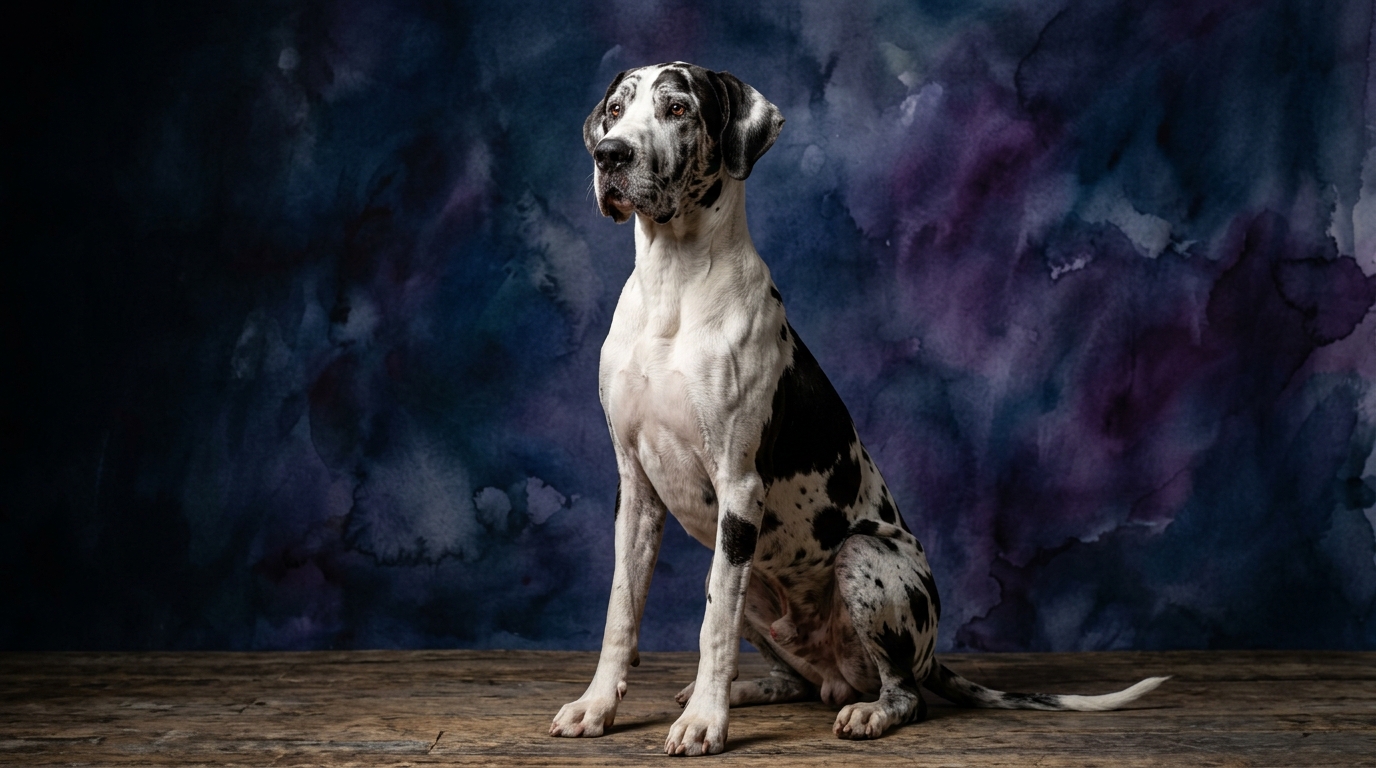
The Great Dane, ranked #48 by Coren and belonging to the Working Group, presents a balanced cognitive profile. Their Problem Solving is rated 3/5, indicating a practical, deliberate approach to challenges, often relying on observation rather than impulsive action. Training Speed is also 3/5, meaning they are receptive learners who benefit from consistent, positive reinforcement to solidify new behaviors. A standout trait is their Social Intelligence at 4/5, demonstrating an exceptional ability to understand and respond to human emotional cues and social dynamics, fostering deep interpersonal bonds. Their Instinctive Drive is 3/5, manifesting as a watchful, protective awareness rather than a strong prey drive. Lastly, their Memory is 3/5, ensuring they reliably recall commands, routines, and familiar faces.
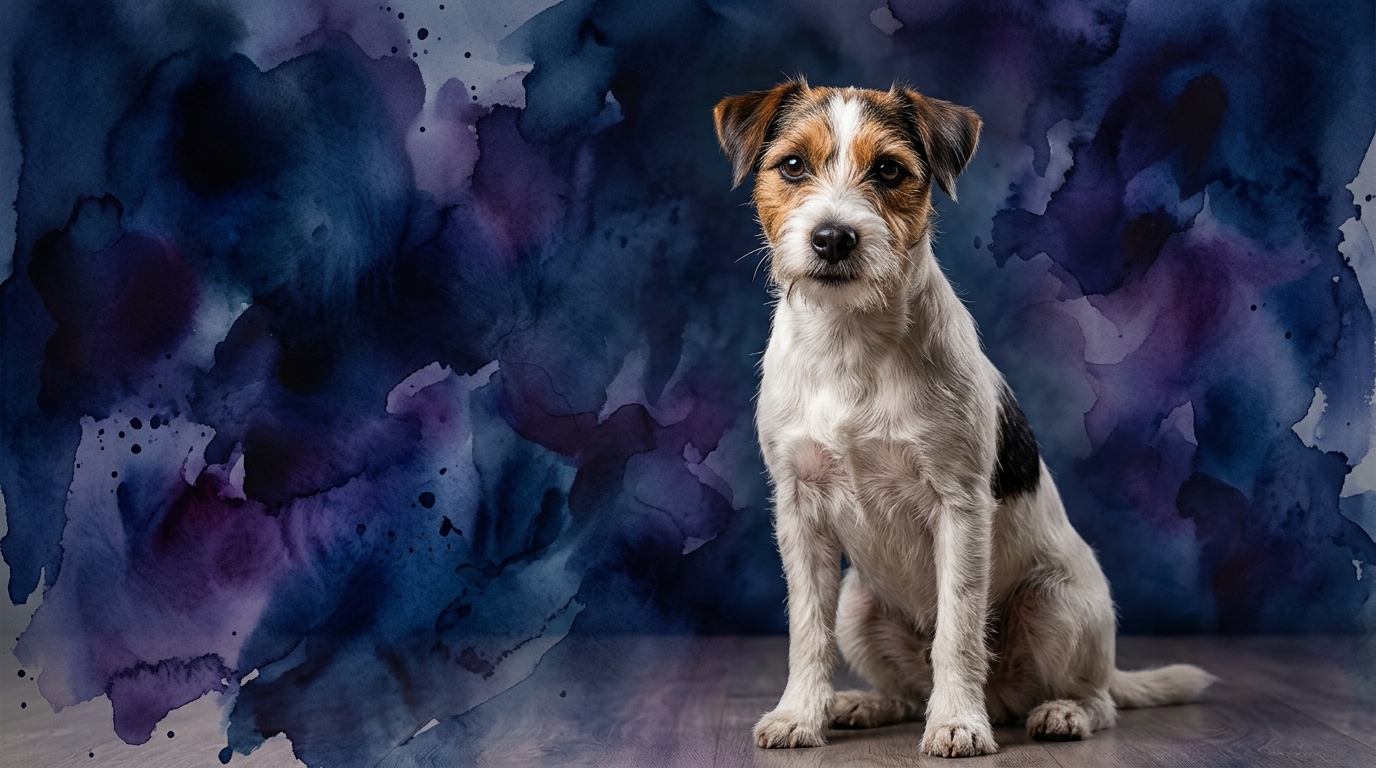
The Parson Russell Terrier, belonging to the Terrier Group and not Coren-ranked, shares several scores with the Great Dane, but their application of these traits is uniquely terrier. Their Problem Solving is 3/5, characterized by tenacious ingenuity, often involving persistent physical manipulation to achieve a goal. Training Speed is 3/5, indicating quick learning but often requiring engaging methods to overcome their independent spirit. Social Intelligence stands at 3/5; while affectionate, they are more independent in their social interactions, often driven by their own agenda rather than subtle human signals. Their Instinctive Drive is 3/5, powerfully expressed as a pronounced prey drive, digging instinct, and relentless curiosity. Their Memory is also 3/5, allowing them to recall past experiences and training cues effectively, even if their independence sometimes dictates immediate compliance.
Where the Great Dane Shines Cognitively
The Great Dane distinctively excels in social intelligence, scoring a 4/5 compared to the Parson Russell Terrier's 3/5. This advantage means Great Danes are typically more attuned to human emotional states and social cues, displaying a remarkable capacity for empathy and understanding subtle shifts in family dynamics. Their cognitive strength lies in their ability to form profound social bonds and anticipate human needs, often acting as gentle, intuitive companions who respond thoughtfully to their environment. This higher social acumen translates into a dog that integrates seamlessly into family life, often seeking to comfort or engage based on a nuanced reading of human behavior, making them exceptional emotional anchors within a household. Their calm and observant nature allows them to process social information with a depth that sets them apart, fostering a truly reciprocal relationship with their human companions.
Where the Parson Russell Terrier Excels Cognitively
While the numerical scores for problem-solving, training speed, instinctive drive, and memory are identical for both breeds, the Parson Russell Terrier's unique cognitive 'win' lies in the *application* of these traits within their specialized terrier context. Their problem-solving, rated 3/5, is often characterized by a relentless, independent ingenuity, particularly in tasks requiring persistence and physical manipulation to achieve a goal, such as exploring complex spaces or retrieving objects from challenging locations. This breed's instinctive drive, also 3/5, is intensely focused on tasks like scent tracking and digging, demonstrating a focused mental energy and tenacity that, while not scoring higher, is profoundly effective for their historical working purpose. Their cognitive prowess shines in scenarios demanding sustained, independent effort and clever navigation of physical obstacles, often showcasing a 'can-do' attitude that belies their size. Their ability to remain task-oriented and persistent in the face of challenges is a cognitive strength uniquely suited to their breed's heritage.
Ease of Training: Great Dane vs. Parson Russell Terrier
Despite both breeds scoring 3/5 in training speed, the Great Dane generally presents an easier training experience due to its superior social intelligence (4/5). Great Danes are often more motivated by human approval and connection, making them more inclined to cooperate and respond to cues. Their calm disposition and desire to please their primary caregivers mean they are less likely to become distracted by environmental stimuli or exhibit the independent streak that can challenge trainers. Their innate understanding of human expectations allows for smoother communication during training sessions. In contrast, the Parson Russell Terrier, with its strong instinctive drives and independent nature, often requires more engaging, game-based training methods to maintain focus and compliance. While quick to learn, their training journey can be more about channeling their tenacity and prey drive rather than simply teaching commands, demanding consistent mental stimulation to prevent boredom and undesirable behaviors. The Great Dane's inherent desire for harmonious partnership often makes the training process smoother and more predictable, while the Parson Russell requires a more inventive and patient approach to harness its spirited intellect.
Matching Breeds to Lifestyles: Active vs. Relaxed Owners
The choice between these breeds significantly depends on an owner's lifestyle and energy levels. The Great Dane, despite its imposing size, often suits more relaxed owners. While they do require regular walks and space to stretch their legs, their moderate energy levels and propensity for lounging mean they are content with a few focused exercise sessions daily, followed by extensive periods of calm companionship. Their higher social intelligence makes them ideal for owners who value a deeply connected, empathetic companion that thrives on human presence and gentle interaction, often content to be a dignified presence by their owner's side. Conversely, the Parson Russell Terrier is an ideal match for highly active owners. Their robust energy, keen curiosity, and strong instinctive drives demand consistent, vigorous exercise, mental challenges, and opportunities for 'work.' Owners who enjoy activities like hiking, agility, earthdog trials, or extended play sessions will find a devoted partner in the Parson Russell, as their cognitive makeup thrives on constant engagement and purposeful activity. Their mental and physical needs are substantial, requiring an owner equally committed to an active, stimulating routine.
The Verdict
Choose the Great Dane if you seek a calm, deeply empathetic companion who integrates seamlessly into family life and thrives on close social connection, offering a gentle, predictable presence.
Opt for the Parson Russell Terrier if you are an active individual or family ready to provide consistent mental and physical challenges for a tenacious, independent, and endlessly curious partner.
🧠 Find Your Pet's IQ Score
Our Pet IQ Lab assessment covers 25+ tests across 5 cognitive dimensions — personalized to your breed.
Take the Full IQ Test →Frequently Asked Questions
Do Great Danes really have a good memory?
Yes, Great Danes possess a solid memory, scoring 3/5 in this dimension. They reliably recall commands, routines, and the individuals they interact with regularly, which contributes to their consistent behavior and ease of living within a structured home environment. This memory helps them maintain learned behaviors over time with appropriate reinforcement.
Is the Parson Russell Terrier difficult to train because of its independence?
While Parson Russell Terriers are quick learners (3/5 training speed), their independent nature and strong instinctive drives can present training challenges. They require engaging, consistent, and reward-based methods to keep them motivated and focused, often needing more creative approaches to channel their tenacity and curiosity effectively.
How does social intelligence impact daily life with these breeds?
A Great Dane's higher social intelligence (4/5) means they are more attuned to human emotions and social cues, often anticipating needs and seeking to comfort, fostering a deeper, more intuitive bond. A Parson Russell Terrier's (3/5) social intelligence, while present, is more independent; they are affectionate but often more driven by their own exploratory impulses, requiring owners to understand their distinct communication style and provide appropriate outlets for their energy.