Side-by-Side Cognitive Profiles
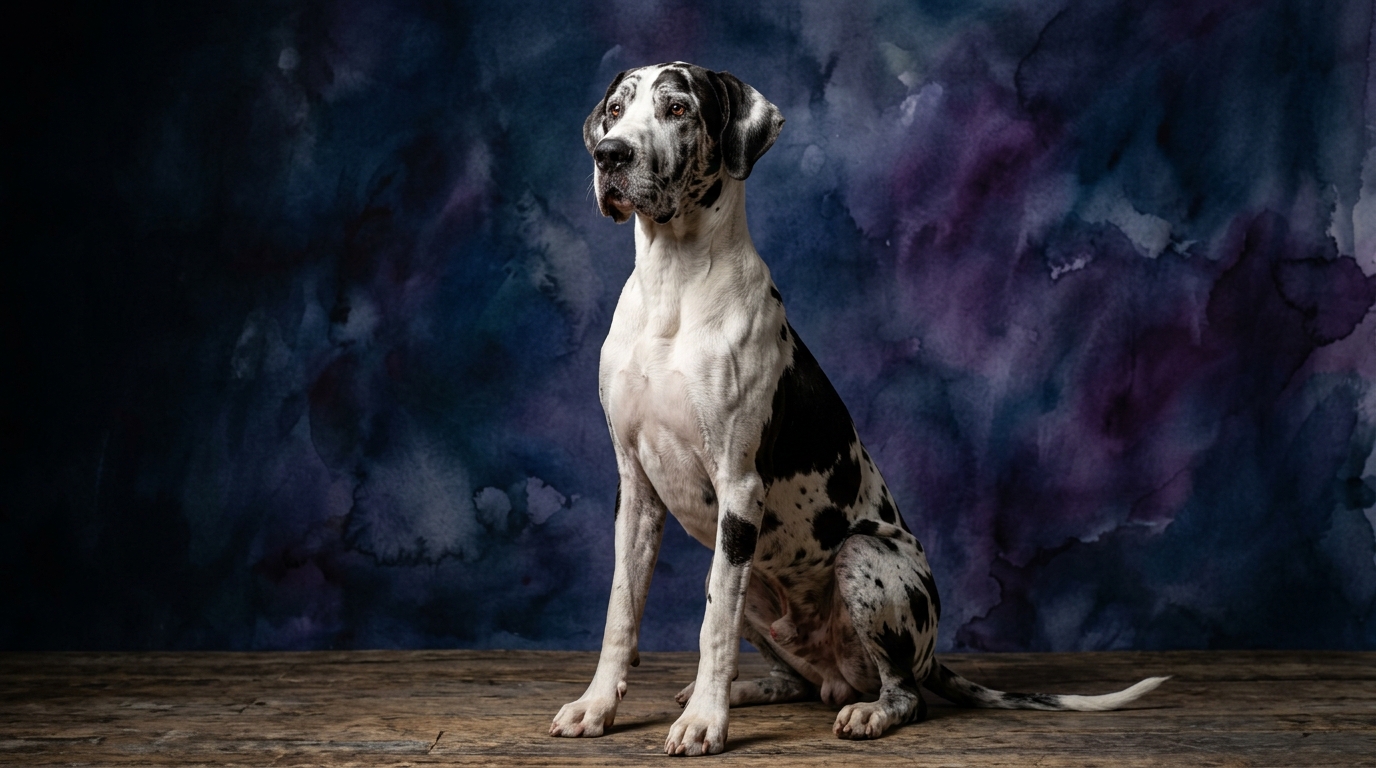
Our Cosmic Pet IQ Lab assesses five key dimensions of canine intelligence, offering a detailed look into how different breeds process and interact with their world. For the majestic Great Dane, classified as a Working breed, we observe a Coren rank of #48, indicating a solid average performance across many cognitive tasks. Their problem-solving ability scores a 3/5, suggesting they can navigate moderately complex tasks and learn from experience, though they may not always be the most innovative in novel situations. Training speed also sits at 3/5, meaning they grasp new commands and routines at a consistent, average pace, thriving with patient, clear instruction. Where the Great Dane truly shines is in social intelligence, earning a 4/5, reflecting their exceptional ability to read human cues, understand emotional states, and form profound, empathetic bonds. Their instinctive drive is 3/5, indicating a moderate inherent motivation for tasks, often expressed through companionship or gentle guardianship, rather than intense working drives. Finally, their memory is rated 3/5, allowing them to retain learned behaviors and significant experiences effectively over time.
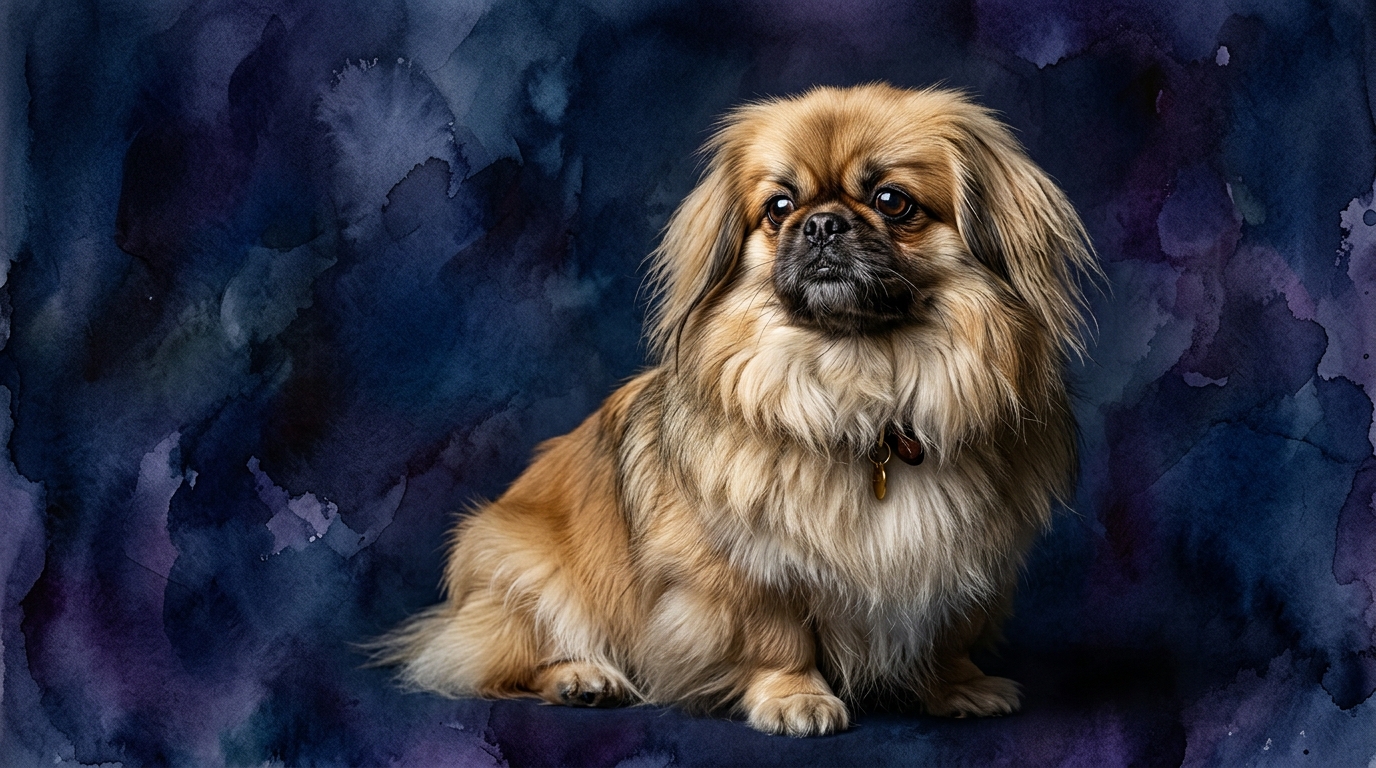
In contrast, the charming Pekingese, a Toy breed, holds a Coren rank of #77, positioning them lower on the obedience and working intelligence scale, yet still demonstrating distinct cognitive aptitudes. Across the board, the Pekingese scores 3/5 in problem-solving, training speed, social intelligence, instinctive drive, and memory. Their problem-solving prowess is practical, often focused on navigating their immediate environment for comfort or attention, relying on learned routines rather than abstract reasoning. A 3/5 training speed means they learn at a comparable pace to the Great Dane, requiring consistent, positive reinforcement methods, though their independent nature might occasionally influence their willingness. Their social intelligence, at 3/5, shows they understand human intentions and emotions, but often interpret them with a unique, sometimes self-serving, independence. The 3/5 instinctive drive is typically directed towards companionship and guarding their personal space, rather than complex working tasks. Lastly, their 3/5 memory ensures they remember their routines, preferred people, and experiences adequately.
Where the Great Dane Excels Cognitively
The Great Dane's standout cognitive strength lies in their remarkable social intelligence, rated at 4/5. This isn't merely about being friendly; it signifies a profound capacity for empathy and an acute awareness of human emotions and intentions. A Great Dane with a 4/5 social intelligence is often highly attuned to their owner's mood, capable of offering comfort during distress or mirroring joy with palpable enthusiasm. They excel at deciphering subtle non-verbal cues, making them exceptionally responsive companions who often anticipate their human's needs. This deep social awareness translates into an innate desire to connect and please, fostering an incredibly strong and reciprocal bond. For instance, they might instinctively lean into their owner when sensing anxiety or adjust their play to match a child's energy level, demonstrating a sophisticated understanding of social dynamics that goes beyond simple learned behaviors. This high level of social cognition makes them outstanding family members, deeply integrated into the emotional fabric of their household, and capable of nuanced interactions that enrich daily life significantly.
Where the Pekingese Finds its Cognitive Niche
While the Pekingese doesn't boast numerically higher scores in any specific cognitive dimension compared to the Great Dane, their collective 3/5 ratings across problem-solving, training speed, social intelligence, instinctive drive, and memory represent an exceptionally well-adapted cognitive profile for their historical role and preferred lifestyle. Their problem-solving acumen, for instance, might manifest not in complex outdoor tasks but in masterfully navigating indoor environments to secure the most comfortable sunbeam or strategize for optimal lap time. This focused application of intellect ensures their needs are met within their preferred, often luxurious, domain. Similarly, their 3/5 instinctive drive is a significant advantage for owners seeking a companion less driven by the urge to herd or hunt, translating to a more serene and contained presence. Their social intelligence, while rated 3/5, enables a nuanced understanding of human companionship, allowing them to form deep, often fiercely loyal, bonds with their chosen people, albeit sometimes with a charmingly independent streak. This cognitive setup makes them masters of their personal comfort and adept at securing affection on their own terms, which for many, is a profound 'win' in a companion.
Ease of Training: Understanding Behavioral Nuances
Both the Great Dane and the Pekingese share a 3/5 rating for training speed, suggesting they learn new commands at an average pace. However, the nuances of their cognitive profiles, particularly their social intelligence, significantly impact the *experience* of training. A Great Dane's 4/5 social intelligence means they are often highly motivated by a desire to please their human and are deeply attuned to their owner's emotional responses. This makes them highly cooperative pupils; while they may not learn a new trick in one session, their willingness to engage and their responsiveness to positive reinforcement can make the training process feel smoother and more rewarding. They often seek approval and connection during training, which can be a powerful motivator.
The Pekingese, with a 3/5 social intelligence, also understands cues and human intentions, but their independent streak is often more pronounced. This means while they are capable of learning at an average speed, they might require more patience and a greater focus on finding specific motivators that align with their interests, such as high-value treats or comfortable rewards. Their historical role as regal companions meant less emphasis on complex obedience and more on simply being present and cherished. Therefore, training a Pekingese might involve more creative strategies to capture and maintain their attention, often leveraging their self-assured nature rather than relying solely on a strong desire to please. Real behavioral differences include the Great Dane's tendency to lean into their handler for reassurance and connection, while a Pekingese might offer a more discerning gaze, weighing the value of the request against their current comfort or inclination.
Matching Breeds to Lifestyles: Active vs. Relaxed Owners
When considering which breed aligns with an owner's lifestyle, their cognitive profiles offer valuable insights beyond just physical activity levels. The Great Dane, despite their moderate 3/5 instinctive drive, thrives with owners who can provide consistent engagement and ample space. Their 4/5 social intelligence means they genuinely seek and flourish with deep human interaction, making them ideal for owners who are present, emotionally available, and enjoy incorporating their dog into daily activities, even if those activities aren't intensely athletic. They are not necessarily a breed for extreme sports, but they need regular, structured walks and playtime to keep both their large bodies and their highly social minds content. An active owner for a Great Dane is one who is active in their companionship and dedicated to mental stimulation through interaction.
The Pekingese, with 3/5 ratings across all cognitive dimensions, is perfectly suited for a more relaxed, indoor-centric lifestyle. Their moderate instinctive drive means they do not possess an overwhelming urge for strenuous activities, making them content with shorter strolls and indoor play. Their 3/5 social intelligence allows them to form strong, affectionate bonds, but often with a charmingly independent quality that doesn't demand constant, high-energy engagement. They are excellent companions for individuals or families who appreciate a devoted presence that requires less rigorous physical exertion and is happy to share a comfortable couch. A relaxed owner for a Pekingese is someone who values quiet companionship and appreciates a dog that is self-sufficient in its contentment, yet always ready for a cuddle.
The Verdict
Choose a Great Dane if you value profound social connection and have the space and commitment for a large, emotionally responsive companion who thrives on close interaction, even if their learning pace is average.
Opt for a Pekingese if you desire an independent yet affectionate companion well-suited to a calm, indoor lifestyle, appreciating their self-assured nature and ability to form strong bonds on their own terms.
🧠 Find Your Pet's IQ Score
Our Pet IQ Lab assessment covers 25+ tests across 5 cognitive dimensions — personalized to your breed.
Take the Full IQ Test →Frequently Asked Questions
Does size correlate with intelligence in dogs?
The Cosmic Pet IQ Lab data suggests that physical size alone does not directly determine cognitive scores across all dimensions. While larger breeds might have different environmental challenges or historical roles, their fundamental problem-solving or memory capacities can be quite similar to smaller breeds.
How does social intelligence impact daily life with these breeds?
A Great Dane's 4/5 social intelligence means they are often highly attuned to their family's moods and intentions, making for a deeply empathetic companion. A Pekingese's 3/5 social intelligence indicates they understand cues, but might express their affection and independence in more subtle, self-directed ways.
Are Great Danes or Pekingese more prone to specific training challenges?
Both breeds share a 3/5 training speed, indicating an average learning curve. However, a Great Dane's willingness to please due to higher social intelligence can sometimes simplify training, while a Pekingese's independent streak might require more patience and finding specific motivators tailored to their personality.