Side-by-Side IQ Profile: Great Dane vs Pumi
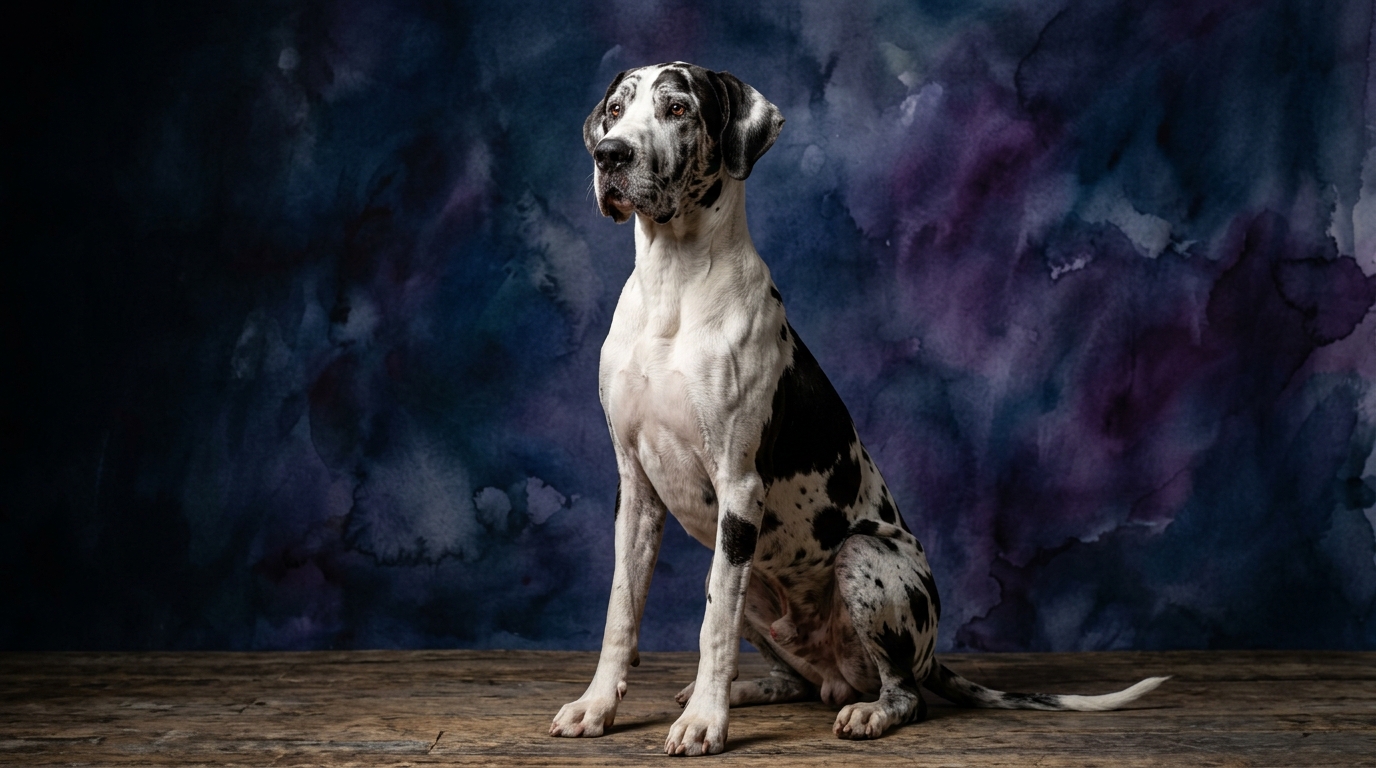
The Great Dane, a Working group dog, registers a Coren rank of #48, placing it in the realm of consistent learners. Its Problem Solving is rated 3/5, suggesting it capably navigates familiar challenges but may not independently devise complex solutions to novel situations. Training Speed also scores 3/5, indicating a moderate pace of learning new commands, where clear, patient instruction yields steady results. A standout attribute is its Social Intelligence at 4/5, reflecting a deep capacity to interpret human emotions and integrate seamlessly into family dynamics. Instinctive Drive sits at 3/5, pointing to a moderate expression of protective and companion-oriented behaviors. Finally, Memory is 3/5, meaning these dogs retain learned behaviors and routines effectively.
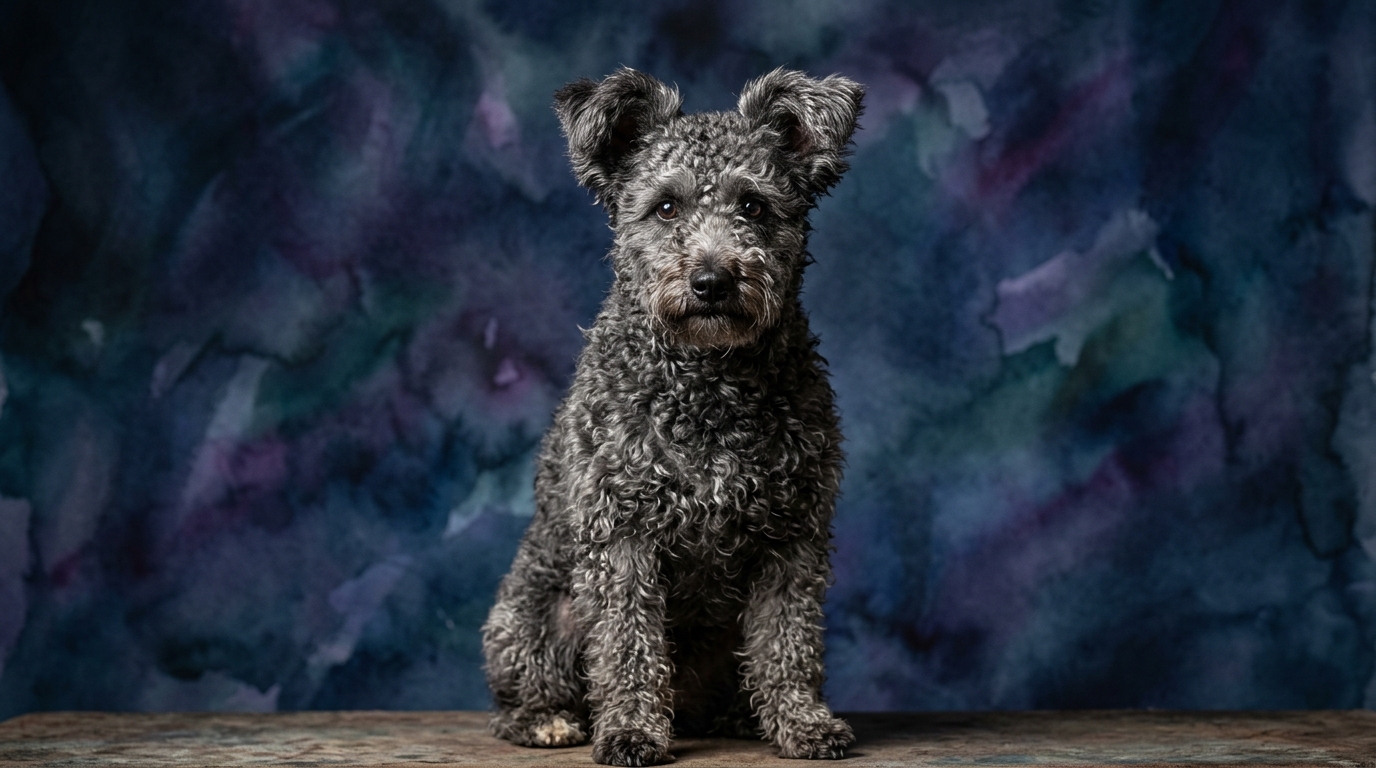
In contrast, the Pumi, a Herding group dog, is not Coren-ranked but exhibits a distinct cognitive profile shaped by its active working heritage. Its Problem Solving is 3/5, signifying a moderate ability to figure out practical tasks, often applying a persistent, trial-and-error approach. Training Speed also comes in at 3/5, indicating a readiness to learn, particularly when tasks are engaging and provide mental stimulation. Social Intelligence for the Pumi is 3/5, showing a good capacity for understanding human cues, though perhaps with a more independent streak than some companion breeds. Instinctive Drive is 3/5, prominently featuring its herding impulse to gather and manage movement. Memory is 3/5, allowing it to recall learned commands and routines dependably.
Where the Great Dane Wins Cognitively
The Great Dane's cognitive edge shines brightest in its Social Intelligence, scoring 4/5 compared to the Pumi's 3/5. This dimension isn't merely about being friendly; it reflects a profound ability to discern subtle human moods, intentions, and emotional states. A Great Dane often demonstrates an almost intuitive understanding of its owner's feelings, offering comfort or space as needed. This superior social attunement makes them exceptional companions for individuals seeking a deeply connected canine presence. Their capacity for empathy and their gentle, often reserved demeanor are direct manifestations of this heightened social awareness, allowing them to adapt smoothly to diverse household dynamics and provide quiet, reassuring companionship without demanding constant interaction.
Where the Pumi Wins Cognitively
While the Pumi shares similar numerical scores across most dimensions, its unique application of Problem Solving and Instinctive Drive offers a distinct advantage in specific contexts. The Pumi's 3/5 Problem Solving, fueled by its herding heritage, often manifests as a more proactive and task-oriented approach to its environment. Unlike the Great Dane, whose problem-solving might lean towards observing and waiting for human cues, the Pumi is more inclined to actively engage with obstacles or puzzles, attempting various solutions to achieve a goal. Its 3/5 Instinctive Drive, specifically its ingrained herding impulse, is a powerful cognitive tool. This drive equips the Pumi with an innate ability to organize, manage, and anticipate movement, making it highly effective in activities requiring focus, agility, and strategic thinking, such as dog sports or actual herding work. This active mental engagement, even at a 3/5 rating, provides a robust cognitive framework for practical, dynamic tasks.
Which is Easier to Train and Why
Both the Great Dane and the Pumi share a Training Speed score of 3/5, suggesting neither is inherently a 'quick study' in the traditional sense, but their approaches to learning differ significantly. The Great Dane's higher Social Intelligence (4/5) often translates into a strong desire to please its human companions. This willingness to cooperate, coupled with their generally calm disposition, can make them receptive to training, especially when positive reinforcement and clear communication are used. Their immense size, however, necessitates early and consistent training for safety and manageability. A Great Dane might be less prone to independent ventures during training sessions, preferring to work collaboratively. The Pumi, despite the same 3/5 Training Speed, often brings a higher intensity and independent spirit to the training arena. Their active minds and strong herding drive mean they thrive on engaging, varied tasks. If training becomes repetitive or lacks mental stimulation, a Pumi might become easily bored or channel its energy into self-directed behaviors. While eager to learn, their moderate social intelligence means they might require more motivational variety and benefit from training methods that tap into their innate drives, rather than solely relying on a desire to please.
Which Suits Active Owners vs. Relaxed Owners
The choice between these two breeds largely hinges on an owner's lifestyle and their capacity for canine engagement. The Great Dane, with its elevated Social Intelligence and moderate Instinctive Drive, is an excellent match for more relaxed owners. These majestic dogs are often content with moderate daily exercise, preferring to spend significant time lounging comfortably alongside their human family. Their cognitive strengths lie in their ability to integrate into the home environment, providing calm, empathetic companionship. They are less driven by a constant need for external tasks or vigorous activity. In contrast, the Pumi is ideally suited for active owners. Its herding background and the dynamic application of its Problem Solving and Instinctive Drive mean it requires substantial mental and physical stimulation. A Pumi thrives on having a 'job,' whether it's participating in agility, obedience, or other dog sports. Owners who enjoy outdoor activities, structured training, and can provide consistent engagement will find the Pumi to be a highly rewarding and energetic partner, as an under-stimulated Pumi may invent its own less desirable forms of entertainment.
The Verdict
Choose the Great Dane if you seek a deeply empathetic, calm, and socially attuned companion who enjoys a relaxed home life, valuing connection and quiet presence over constant activity.
Choose the Pumi if you are an active owner looking for an engaging, task-oriented partner who thrives on mental challenges, agility, and a structured, stimulating routine.
🧠 Find Your Pet's IQ Score
Our Pet IQ Lab assessment covers 25+ tests across 5 cognitive dimensions — personalized to your breed.
Take the Full IQ Test →Frequently Asked Questions
Are Great Danes truly 'gentle giants' in terms of their intelligence?
Yes, their high social intelligence score supports this characterization. Great Danes demonstrate a profound capacity to understand and respond to human emotions, preferring harmonious interactions and often providing quiet, empathetic comfort to their families.
Does the Pumi's herding background significantly influence its problem-solving abilities?
Absolutely. The Pumi's historical role required independent decision-making in managing livestock, which translates to a practical, persistent, and task-oriented approach to problem-solving, even if not highly abstract. They are often keen to figure out how to achieve a goal.
How do the memory scores of these breeds compare in daily life and training?
Both Great Danes and Pumis have a moderate memory score of 3/5. This means they generally remember routines, commands, and familiar people reliably, but consistent reinforcement for less frequently practiced skills will help maintain their recall over time.