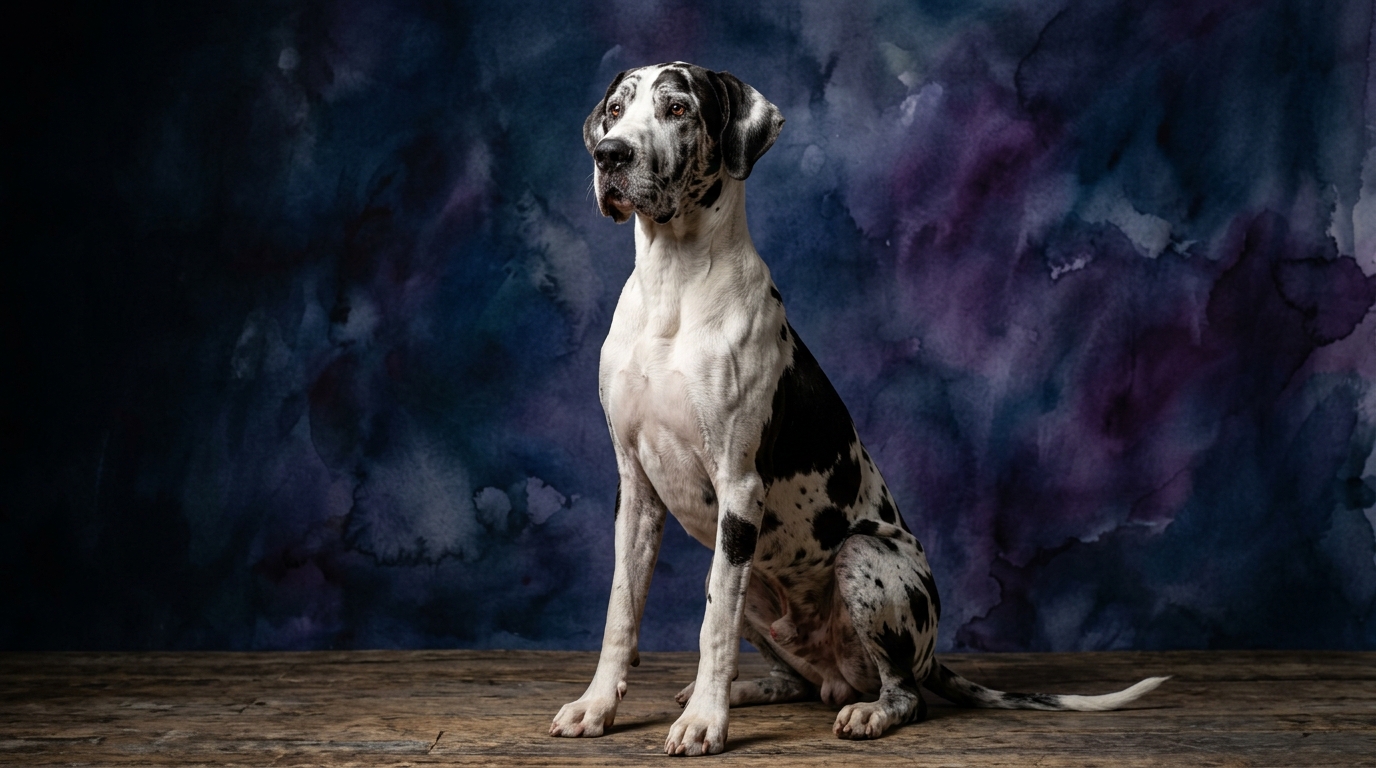
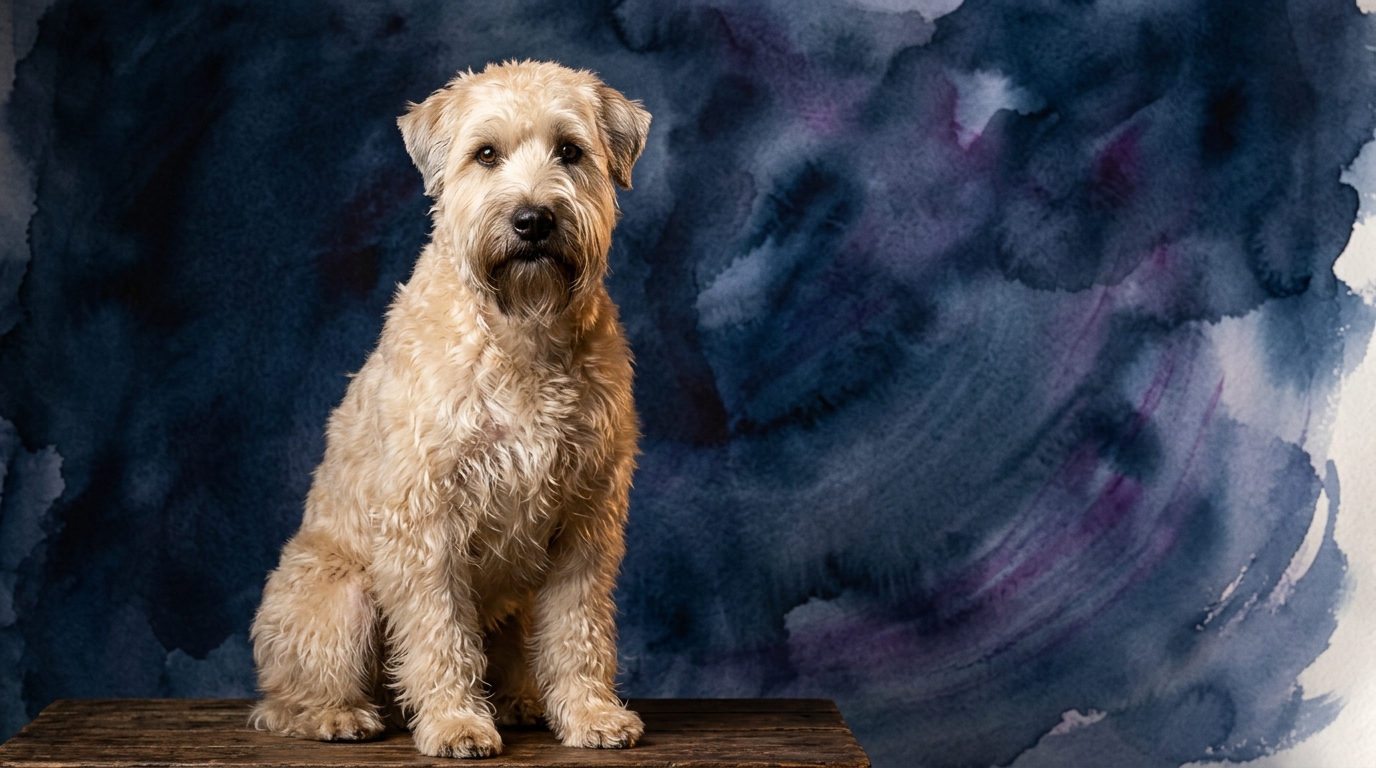
Side-by-Side IQ Profile: Unpacking Breed Cognition
At The Cosmic Pet Pet IQ Lab, we evaluate canine intelligence across five key dimensions. For Problem Solving, both the Great Dane and the Soft Coated Wheaten Terrier score a 3 out of 5. For the Great Dane, this means they are capable of navigating complex tasks and understanding cause-and-effect, though they often prefer to wait for human guidance rather than independently seeking out elaborate solutions. The Wheaten Terrier, also at 3/5, approaches problem-solving with a characteristic terrier tenacity; they might not always find the quickest solution, but they are resourceful and persistent in their attempts to achieve a goal, often employing creative (and sometimes mischievous) strategies.
In Training Speed, both breeds register a 3 out of 5. The Great Dane, with its desire to please and cooperative nature, typically absorbs new commands at a moderate pace, especially when training is consistent and positive. Their receptiveness makes the learning process generally smooth. The Soft Coated Wheaten Terrier, while equally capable of learning at a moderate speed, can sometimes present a more dynamic training challenge due to its independent streak. They may require more engaging, varied methods to maintain focus and enthusiasm, reflecting their terrier heritage.
Social Intelligence is where a notable difference emerges. The Great Dane earns a 4 out of 5, indicating an exceptional capacity to read human emotions, understand subtle cues, and form deep, empathetic bonds. They are often highly attuned to their family's moods, offering comfort or companionship instinctively. The Soft Coated Wheaten Terrier scores a 3 out of 5 in social intelligence. They are affectionate and interactive with their families, enjoying close relationships, but their social engagement tends to be more direct and on their own terms, less about anticipating human needs and more about initiating play or seeking attention.
Regarding Instinctive Drive, both breeds stand at 3 out of 5. The Great Dane's moderate drive manifests as a protective instinct for their home and family, without an overwhelming prey drive that demands constant management. They are generally content without excessive stimulation of these primal urges. The Soft Coated Wheaten Terrier's 3/5 drive aligns with its terrier classification, including a moderate inclination to chase small animals, dig, and explore its surroundings. These are manageable drives, but they require consistent direction and appropriate outlets to prevent unwanted behaviors.
Finally, for Memory, both breeds are rated 3 out of 5. The Great Dane possesses a reliable memory, retaining a wide array of commands, routines, and recognizing individuals and places over extended periods. Their recall for learned behaviors is solid. Similarly, the Soft Coated Wheaten Terrier demonstrates good memory for commands and past experiences. However, their independent nature might occasionally make them appear to 'forget' a command if a more compelling distraction presents itself, highlighting a selective application of their memory rather than a deficit.
Where the Great Dane Wins Cognitively
The Great Dane undeniably holds a cognitive edge in the realm of social intelligence, scoring a commendable 4 out of 5. This superior capacity translates into an extraordinary ability to read and respond to human emotional states and subtle cues. A Great Dane often seems to possess an intuitive understanding of a family member's mood, offering a comforting nudge or a quiet presence precisely when needed. Their nuanced grasp of social dynamics allows them to integrate seamlessly into a household, often acting as a sensitive barometer for the emotional climate. This deep social awareness makes them particularly adept as therapy dogs or simply as profoundly empathetic companions, anticipating desires before they are even articulated, a trait less pronounced in many other breeds.
Where the Soft Coated Wheaten Terrier Wins Cognitively
While the Soft Coated Wheaten Terrier's individual cognitive scores largely mirror those of the Great Dane, their terrier heritage imbues their intellect with a distinct flavor that offers unique advantages. Their 3 out of 5 in problem-solving often manifests as persistent resourcefulness, a 'never give up' attitude when faced with a challenge. This isn't just about finding a solution, but about the tenacious pursuit of one, whether it's figuring out how to retrieve a toy from under furniture or outmaneuvering a puzzle feeder. This intrinsic drive to engage with their environment and solve 'terrier problems' independently can be a significant asset for owners who appreciate a dog with initiative and a spirited approach to life's little mysteries. Their focused determination, even at a 3/5 instinctive drive, means they approach tasks with a vibrant curiosity and a willingness to explore, often bringing a lively energy to their cognitive endeavors.
Training Dynamics: Great Dane vs. Wheaten Terrier
When considering ease of training, the Great Dane generally presents a more straightforward experience due to its higher social intelligence. With a 4/5 in this dimension, Great Danes are typically more attuned to their owner's intentions and desires, making them eager to cooperate and respond to commands. Their desire to please and bond deeply with their human companions often translates into a more receptive student, even with both breeds scoring 3/5 in training speed. They are less likely to challenge authority and more inclined to follow direction, especially with positive reinforcement. The Soft Coated Wheaten Terrier, while equally capable of learning at a 3/5 training speed, brings a classic terrier independence to the training arena. Their 3/5 social intelligence means they are affectionate but often have their own ideas, requiring more patience, creativity, and consistency from their trainer to maintain engagement and prevent selective deafness. Wheatens thrive with training that feels like a partnership, rather than strict command-and-obey, often making the process a more dynamic and interactive challenge.
Lifestyle Match: Active vs. Relaxed Owners
The Great Dane, despite its immense size, often surprises owners with its relatively relaxed indoor demeanor once its moderate exercise needs are met. Their 3/5 instinctive drive means they aren't constantly seeking out high-octane activities. They are well-suited for owners who enjoy moderate daily walks or yard play, followed by ample couch time and quiet companionship. Their calm presence makes them excellent partners for relaxed owners who appreciate a gentle giant's serene companionship. In contrast, the Soft Coated Wheaten Terrier, with its terrier group heritage and 3/5 instinctive drive, is generally a better fit for more active owners. While not hyperactive, Wheatens possess bursts of energy and a zest for life that demands regular outlets. They thrive on engaging activities like agility, long walks, supervised playtime, or even dog sports that challenge both their bodies and minds. Owners who appreciate a playful, energetic companion and are committed to providing consistent mental and physical stimulation will find the Wheaten a rewarding match.
The Verdict
Choose the Great Dane if you seek a profoundly empathetic companion attuned to your emotional landscape, desiring a gentle giant that integrates seamlessly into family life with a calm, cooperative demeanor.
Opt for the Soft Coated Wheaten Terrier if you prefer a spirited, resourceful partner with an independent streak, ready for engaging activities and bringing a lively, tenacious energy to everyday interactions.
🧠 Find Your Pet's IQ Score
Our Pet IQ Lab assessment covers 25+ tests across 5 cognitive dimensions — personalized to your breed.
Take the Full IQ Test →Frequently Asked Questions
Are Great Danes easy to house train?
Great Danes, with their 3/5 training speed and 4/5 social intelligence, are generally receptive to house training. Their desire to please their owners and their ability to understand routines means they pick up on house rules relatively quickly with consistent positive reinforcement and a structured schedule.
Do Soft Coated Wheaten Terriers bark a lot?
Soft Coated Wheaten Terriers can be vocal, often using barks to express excitement, alert their owners to visitors, or communicate their desires. While their 3/5 instinctive drive doesn't make them excessive barkers by nature, their terrier enthusiasm means they will readily use their voice, which can be managed with early training.
Which breed is better with children?
Both breeds can be wonderful with children, but in different ways. The Great Dane's high social intelligence and gentle nature often make them incredibly patient and tolerant with kids, acting as a calm, watchful presence. The Soft Coated Wheaten Terrier, while affectionate, brings a more playful and energetic dynamic, often engaging children in spirited games, requiring supervision due to their exuberance.