Side-by-Side IQ Profile: Great Dane vs. Standard Schnauzer
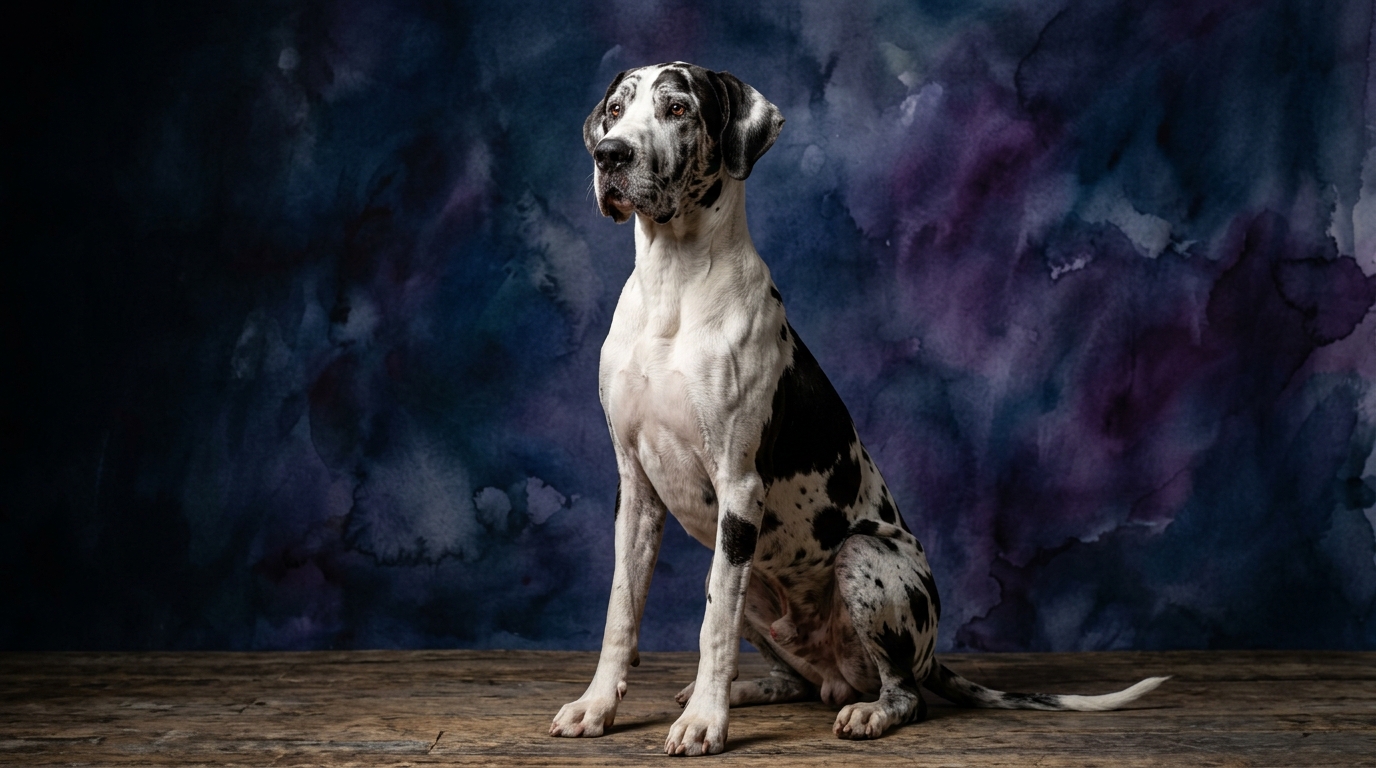
The Great Dane, holding a Coren rank of #48 among working breeds, exhibits a deliberate approach to cognitive tasks. Their Problem Solving is rated 3/5, indicating a capacity to resolve challenges, though they often prefer to observe or rely on human guidance rather than immediately devising intricate independent solutions. Training Speed also stands at 3/5; while they certainly learn, it requires consistent, patient reinforcement to solidify new commands and behaviors, becoming reliable once established. Where Great Danes truly shine is in Social Intelligence, scoring a strong 4/5. They possess a remarkable ability to read human emotions, offering comfort or understanding with a gentle presence, fostering profound bonds. Their Instinctive Drive is 3/5, leaning more towards a watchful guardianship and companionship rather than intense, task-oriented pursuit. Finally, their Memory is 3/5, meaning they retain routines and familiar associations well, though perhaps not the complex sequences a more agile learner might master.
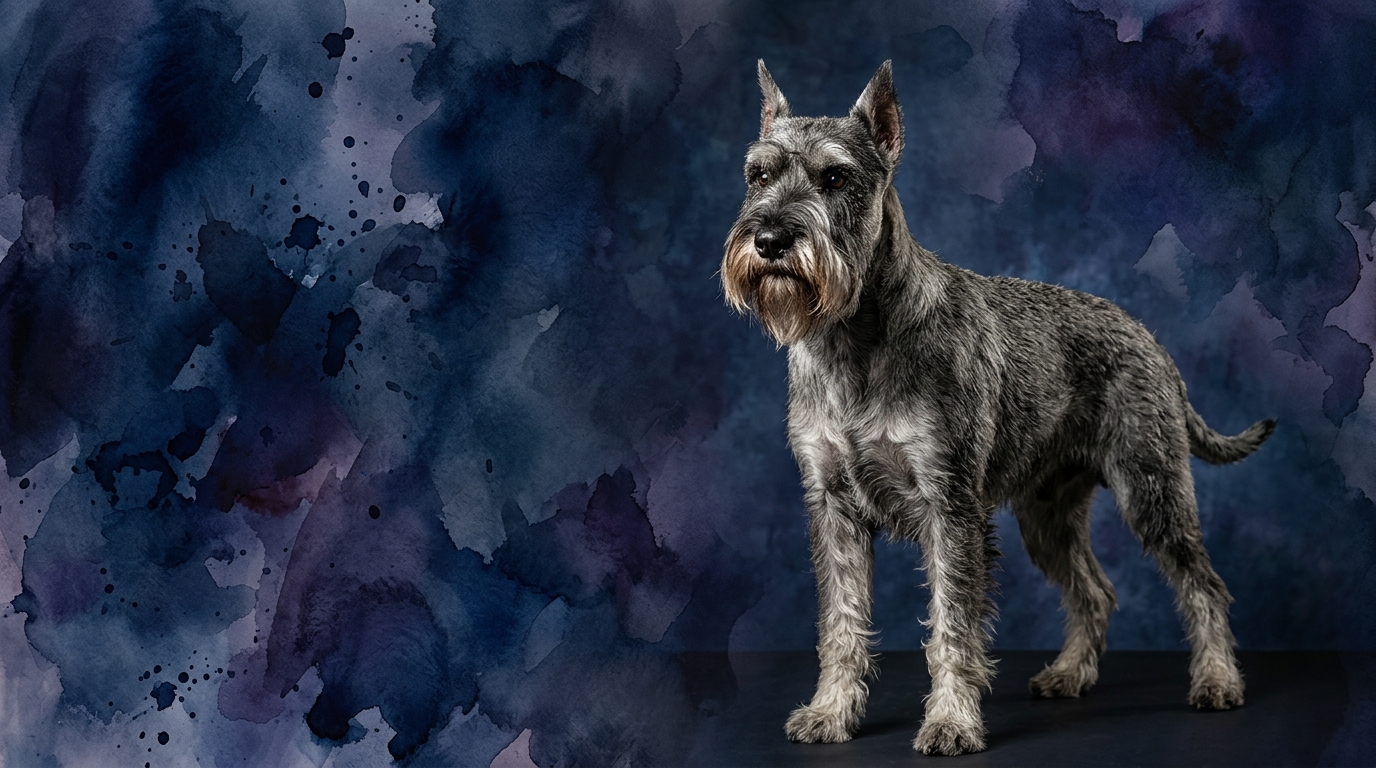
In contrast, the Standard Schnauzer, holding a higher Coren rank of #22, demonstrates a more agile and proactive cognitive style. Their Problem Solving is rated 4/5, indicating a resourceful nature capable of figuring out puzzles, navigating complex environments, or even manipulating objects to achieve a goal. Training Speed is also 4/5, making them quick studies who grasp new commands with enthusiasm and require fewer repetitions to achieve proficiency. While their Social Intelligence is 3/5, they are fiercely loyal to their family, though they might be more reserved with strangers and less overtly expressive of emotional nuances compared to the Great Dane. Their Instinctive Drive is 3/5, reflecting their historical roles in tasks requiring alertness and purpose, translating into a focused engagement with their environment. Their Memory, rated 4/5, is robust, allowing them to recall a wide array of commands, intricate routines, and even long-past experiences with impressive accuracy, making them excellent candidates for advanced training.
Where the Great Dane Wins Cognitively
The Great Dane's cognitive triumph lies squarely in its superior Social Intelligence, rated 4/5 compared to the Standard Schnauzer's 3/5. This isn't just about being friendly; it's a profound capacity for emotional attunement. Great Danes excel at perceiving subtle shifts in human mood, offering quiet comfort during distress, or reflecting joy with a calm, accepting presence. Their gentle nature fosters an environment where they seamlessly integrate into the family's emotional landscape, often anticipating needs or reacting to non-verbal cues with remarkable sensitivity. This strong social cognition makes them exceptional therapy prospects, capable of providing deep emotional support and companionship that few breeds can match.
Where the Standard Schnauzer Wins Cognitively
Conversely, the Standard Schnauzer excels in a triad of cognitive functions: Problem Solving (4/5), Training Speed (4/5), and Memory (4/5). Their higher Coren rank reflects this general cognitive agility. A Standard Schnauzer approaches challenges with an independent, strategic mindset, often attempting various methods to overcome an obstacle rather than waiting for assistance. This might manifest as figuring out how to open a childproof gate or devising a unique strategy to retrieve a hidden toy. Their rapid Training Speed means they absorb new commands and complex sequences with remarkable efficiency, making them a joy for owners interested in advanced obedience or dog sports. Coupled with their robust Memory, they retain these intricate skills and learned behaviors over long periods, allowing them to build an extensive repertoire of talents and respond reliably to cues, even after a break from training.
Which is Easier to Train, and Why?
Considering their respective IQ profiles, the Standard Schnauzer is generally easier to train, primarily due to its 4/5 Training Speed and 4/5 Memory. They exhibit a genuine eagerness to learn and please, absorbing new commands and complex tasks quickly. Their capacity for independent problem-solving also means they can generalize learned behaviors to new situations with less direct prompting. For instance, once they understand 'stay,' they are more likely to apply it reliably in varying environments. The Great Dane, with its 3/5 Training Speed and Memory, requires more patience and repetition. While equally eager to please its beloved family, the Great Dane processes new information at a more measured pace. Training must be consistent and utilize positive reinforcement to build confidence, but once a command is mastered, their 4/5 Social Intelligence ensures they are highly motivated to comply for their human companions. However, their sheer size makes early and consistent training in manners and basic obedience absolutely critical for managing their physical presence safely.
Suitability for Active vs. Relaxed Owners
The choice between these breeds often aligns with an owner's lifestyle and energy levels. Standard Schnauzers, with their higher Problem Solving, Training Speed, and Memory, are ideally suited for active owners who relish engaging their dog in diverse mental and physical challenges. They thrive in environments that offer dog sports like agility, obedience, tracking, or even advanced trick training, where their quick wit and robust recall can be fully utilized. They are partners for adventure, always ready for the next puzzle or excursion. For relaxed owners seeking a more serene yet deeply connected companion, the Great Dane often proves a better fit. While they still require regular exercise to maintain their physical health, their 4/5 Social Intelligence and more moderate instinctive drive mean they are content with being a comforting, watchful presence within the home. They are less driven by constant mental stimulation and more by the emotional rhythm of their human family, making them excellent, gentle giants for quieter households that appreciate a profound, empathetic bond.
The Verdict
For those seeking a deeply empathetic, gentle giant whose profound social intelligence makes them an unparalleled companion in comfort and emotional connection, the Great Dane is the clear choice.
If, however, you desire a mentally agile, quick-witted partner eager to master complex tasks and thrive on varied intellectual challenges, the Standard Schnauzer will prove a rewarding and engaging companion.
🧠 Find Your Pet's IQ Score
Our Pet IQ Lab assessment covers 25+ tests across 5 cognitive dimensions — personalized to your breed.
Take the Full IQ Test →Frequently Asked Questions
Do Great Danes learn slowly?
Great Danes have a 3/5 training speed, meaning they require more patience and consistent repetition to grasp new commands. However, once learned, their strong bond with their owners ensures good compliance.
Are Standard Schnauzers good at dog sports?
Absolutely. With 4/5 ratings in problem-solving, training speed, and memory, Standard Schnauzers excel in dog sports like agility, obedience, and tracking, thriving on the mental and physical engagement.
Which breed is more independent in problem-solving?
Standard Schnauzers, with their 4/5 problem-solving score, tend to be more independent and resourceful in tackling challenges compared to Great Danes, which score 3/5 and often look to their owners for cues.