Side-by-Side Cognitive Profiles: Great Dane vs. Xoloitzcuintli
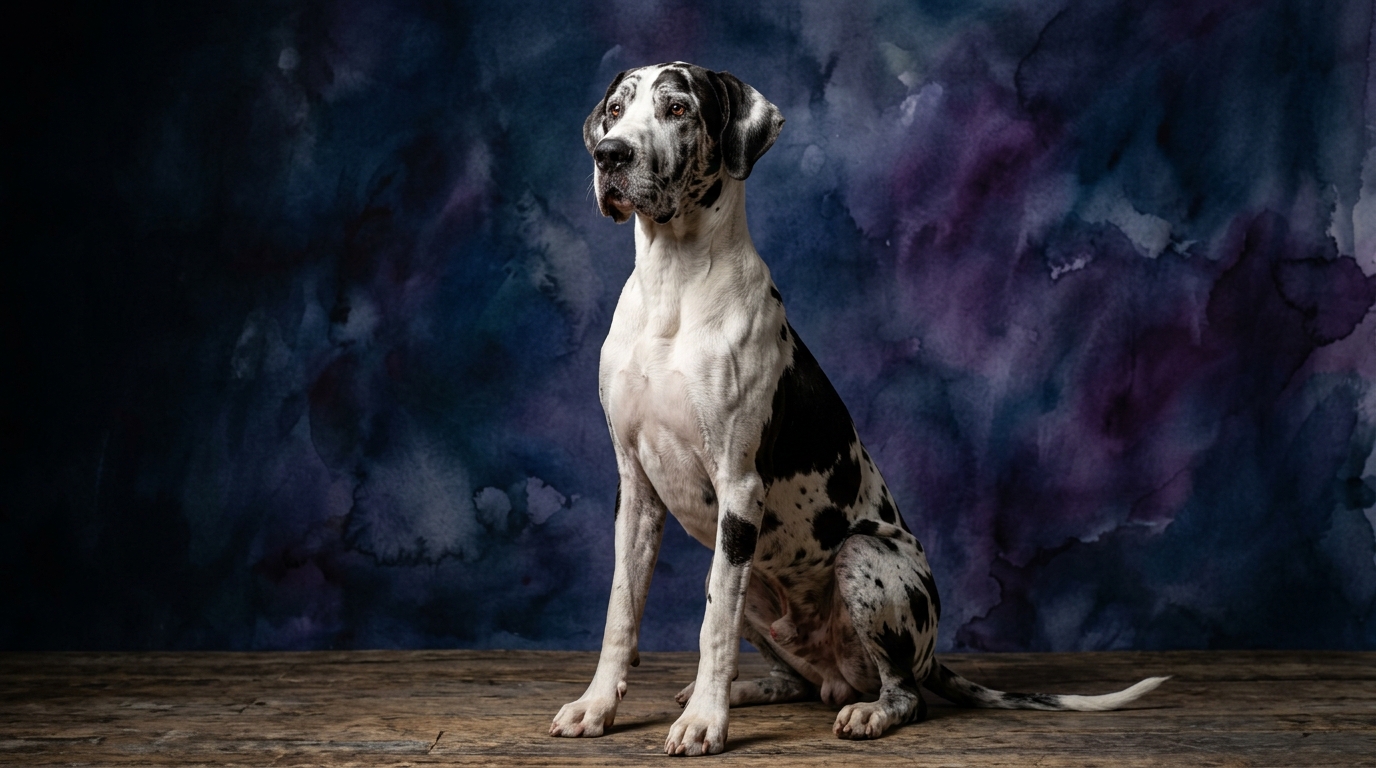
At The Cosmic Pet Pet IQ Lab, we evaluate canine intelligence across five key dimensions. For the Great Dane, a breed often recognized for its gentle demeanor, its cognitive profile includes Problem Solving at 3/5, indicating a capacity for understanding and navigating moderately complex situations, such as figuring out how to open a simple latch or retrieving a favored toy from a tricky spot, but without an inherent drive for intricate mental puzzles. Their Training Speed is also 3/5, meaning they learn new commands and routines at a steady, reliable pace with consistent positive reinforcement, neither exceptionally fast nor particularly slow. Where they truly shine is in Social Intelligence, scoring a notable 4/5; these dogs are deeply attuned to human emotions and social cues, often anticipating needs and offering comfort. Instinctive Drive sits at 3/5, reflecting a balanced level of inherent behaviors like companionship and guarding, while Memory is 3/5, providing adequate recall for daily tasks and learned experiences. The Great Dane’s Coren rank of #48 places them squarely in the average working/obedience intelligence category.
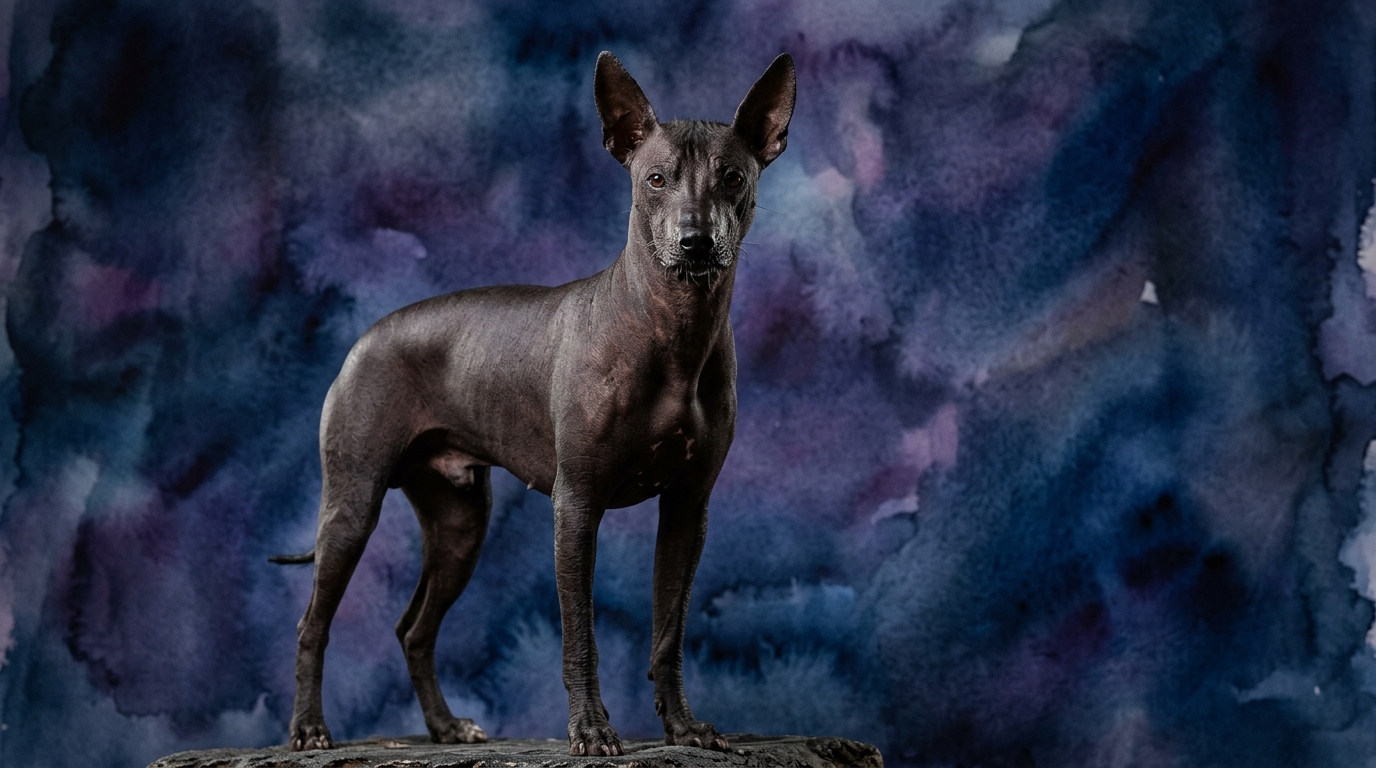
The Xoloitzcuintli, an ancient breed known for its distinctive appearance, shares several cognitive scores with the Great Dane, yet their manifestation can differ significantly. Their Problem Solving also rates at 3/5, suggesting a practical intelligence capable of navigating their environment and solving everyday challenges, perhaps finding the easiest route around an obstacle or subtly communicating a need. Training Speed is 3/5, indicating they learn efficiently with clear, patient instruction, though their motivation might stem from a different place than the Great Dane's. Social Intelligence for the Xoloitzcuintli is 3/5; while intensely loyal and bonded to their family, they can be reserved or even aloof with strangers, forming selective but deep connections. Their Instinctive Drive is 3/5, often manifesting as a strong protective instinct coupled with an independent spirit. Memory is 3/5, providing a functional capacity for retaining information and routines necessary for their daily lives. The Xoloitzcuintli is not Coren-ranked, but their profile suggests a robust, functional intelligence honed by centuries of close companionship and guardian roles.
Where the Great Dane Cognitively Excels
The Great Dane’s distinct cognitive advantage lies in its superior Social Intelligence, scoring 4/5 compared to the Xoloitzcuintli’s 3/5. This higher acumen translates into a remarkable ability to read and respond to human emotions and social dynamics. Great Danes often preemptively offer comfort or respond to subtle shifts in mood, perhaps by resting their head on a distressed owner or quietly observing from a comforting distance. This manifests as a strong desire for companionship and an ability to integrate seamlessly into family dynamics, often acting as gentle giants who understand when a quiet presence is needed. They are less likely to be aloof and more inclined to seek out and engage in social interactions with family members, making them intuitive emotional anchors in a household. Their understanding of social cues extends to other pets and even respectful strangers, fostering smoother interspecies and human-dog relationships, making them adept at navigating complex social landscapes within a home.
Where the Xoloitzcuintli Cognitively Excels
While both breeds share a 3/5 in Instinctive Drive, the Xoloitzcuintli's ancient lineage as a companion and guardian in diverse environments has fostered a particular brand of self-reliance, a cognitive strength rooted in their ability to assess situations independently and act with a degree of discernment rather than constantly seeking human direction. This doesn't imply a lack of bonding, but rather that their decision-making process is often more internally driven. For instance, a Xolo might meticulously observe a new person or object from a distance, processing environmental information with a focused, cautious approach before deciding whether to engage, showcasing a keen sense of self-preservation and situational awareness. Their protective instincts are often coupled with this independence, leading to a thoughtful, rather than purely reactive, response to perceived novelties or perceived threats, which can be interpreted as a nuanced form of practical problem-solving in their environment.
Training Dynamics: Great Dane vs. Xoloitzcuintli
When it comes to training, both breeds score 3/5 in Training Speed, but their differing social intelligence impacts the experience. The Great Dane’s higher Social Intelligence (4/5) often translates to a more cooperative and eager training experience. Great Danes typically possess a strong desire to please their human companions and thrive on positive interaction, making them highly receptive to praise and affection. Their attentiveness to social cues means they are often more responsive to verbal encouragement, gentle corrections, and the overall emotional atmosphere of a training session. They are less likely to become stubborn or resistant if the trainer builds a strong, trusting relationship, making them generally amenable to learning new commands and behaviors with steady progress. Their motivation is often deeply tied to maintaining social harmony and receiving consistent positive reinforcement, which simplifies the training process for many owners.
The Xoloitzcuintli, while equally capable of learning with a Training Speed of 3/5, may present a different training dynamic due to their more reserved social intelligence (3/5) and stronger independent streak. They are not inherently driven by the same pervasive desire to please as the Great Dane; instead, they respond best to clear, fair, and engaging methods that respect their self-reliant nature. A Xolo might subtly 'question' the purpose behind a command, requiring a trainer to demonstrate consistency and value in the requested action. Success with a Xolo often hinges on establishing a foundation of mutual respect and providing mental stimulation through the training itself, rather than relying solely on enthusiastic compliance. They are not difficult, but their training requires a nuanced understanding of their specific motivations, which might be more task-oriented or based on a clear benefit, demanding patience and ingenuity from their human teacher.
Lifestyle Match: Active vs. Relaxed Owners
For active owners, the Xoloitzcuintli often proves to be a more suitable companion. Despite their calm demeanor indoors, Xoloitzcuintli possess a surprising amount of energy and mental acuity, requiring regular, vigorous exercise and intellectual engagement to prevent boredom. Their instinctive drive (3/5) and independent nature mean they thrive on activities that challenge both their bodies and minds, such as long, exploratory hikes, agility courses, or complex scent work games. Owners who appreciate a dog with a strong, discerning will and who can provide consistent, varied outlets for their energy and curiosity will find the Xolo a profoundly rewarding companion. Their historical roles as active companions and guardians suggest a capacity for sustained activity and mental sharpness, making them excellent partners for owners with an active lifestyle who enjoy exploring and engaging in structured dog sports.
Conversely, relaxed owners might find the Great Dane a more fitting match. While Great Danes certainly need daily exercise to maintain their physical health, their overall energy levels are generally lower once they mature past puppyhood, and their higher social intelligence (4/5) makes them content with being close, gentle companions. Their problem-solving (3/5) and training speed (3/5) are perfectly sufficient for basic obedience and managing household routines, but they aren't typically driven by an incessant need for constant mental challenges or high-octane physical activity. A Great Dane often thrives in a home environment where they can be a central, cherished family member, enjoying leisurely walks, ample cuddle time on the sofa, and simply being present with their humans. Their empathetic nature means they are often attuned to a relaxed household's pace, making them ideal for owners who prioritize deep companionship, a calm presence, and a dog that seamlessly integrates into a quieter, affectionate lifestyle.
The Verdict
Opt for the Great Dane if your lifestyle values a highly empathetic, socially engaged companion who integrates seamlessly into family life and thrives on close human interaction.
Select the Xoloitzcuintli if you appreciate an independent, discerning companion with a protective streak, and are prepared to engage their active mind and body with consistent, varied activities.
🧠 Find Your Pet's IQ Score
Our Pet IQ Lab assessment covers 25+ tests across 5 cognitive dimensions — personalized to your breed.
Take the Full IQ Test →Frequently Asked Questions
Are Great Danes easy to house train?
Great Danes, with their strong social intelligence and desire to please their humans, generally respond well to consistent house training. Establishing a clear routine and using positive reinforcement helps them quickly understand expectations and where to relieve themselves.
Do Xoloitzcuintli get along with children?
Xoloitzcuintli can form deep, loyal bonds with their immediate family, including children. However, their reserved social intelligence means they may prefer older, respectful children who understand their need for personal space and quiet interactions.
What kind of mental stimulation do Xolos need?
Xoloitzcuintli benefit from mental challenges that engage their problem-solving skills and independent nature. This can include puzzle toys, structured scent games, or learning new tricks through positive reinforcement, all of which keep their discerning minds occupied.