Side-by-Side Cognitive Profiles
At The Cosmic Pet Pet IQ Lab, we analyze canine cognition across five key dimensions. While general intelligence scales like Coren's rank the Airedale Terrier higher at #29 compared to the Great Pyrenees at #64, a deeper dive into their specific cognitive strengths paints a more nuanced picture of their mental aptitudes.
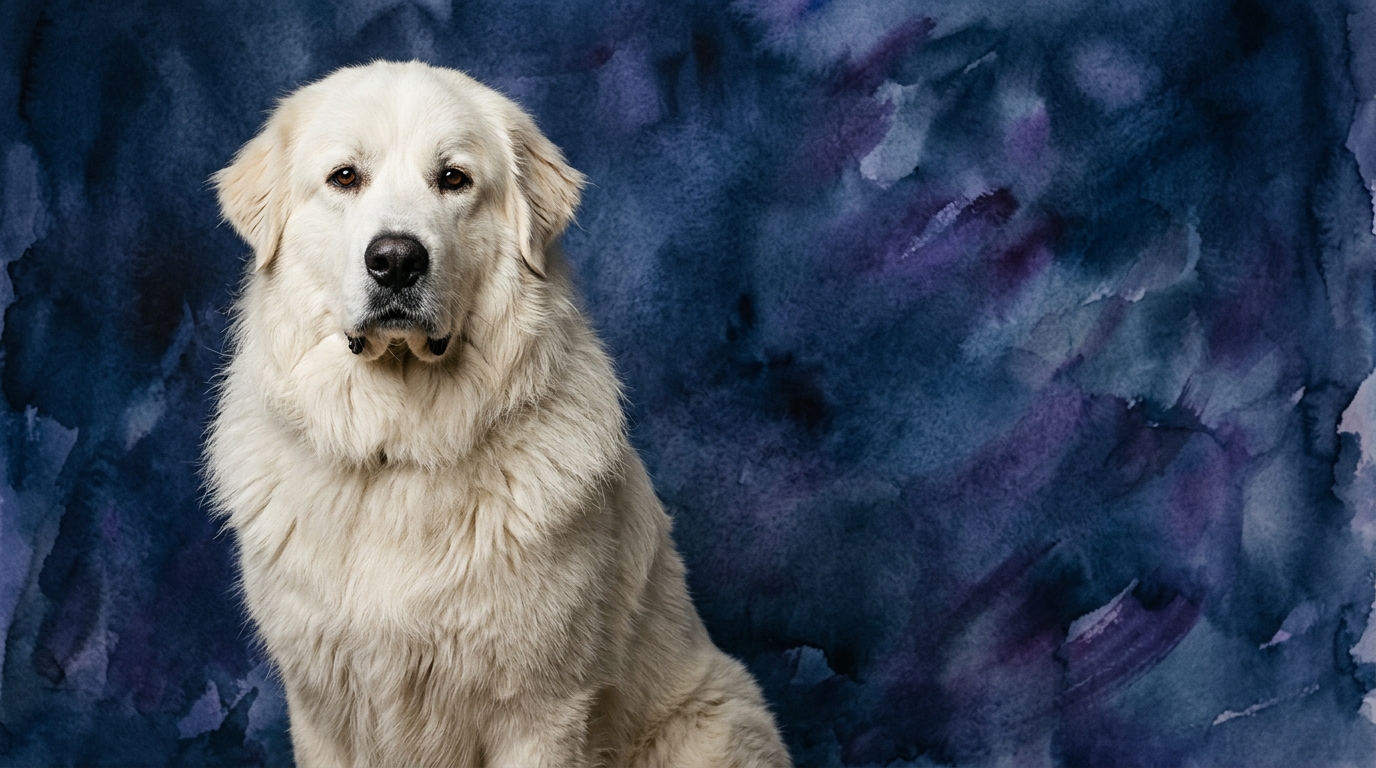
The Great Pyrenees (Coren rank #64) exhibits a cognitive profile shaped by centuries of independent guardianship. Their Problem Solving ability rates at 3/5, indicating a functional, self-directed approach to challenges, often relying on instinct rather than human instruction. Training Speed is also 3/5; they learn at a moderate pace but prioritize their own perceived purpose. Social Intelligence stands at 3/5, reflecting a discerning nature, deeply bonded with their family and charges but reserved with strangers. Their Instinctive Drive is 3/5, dominated by a strong, autonomous guarding imperative. Memory is rated 3/5, reliable for routines, boundaries, and recognizing familiar individuals.
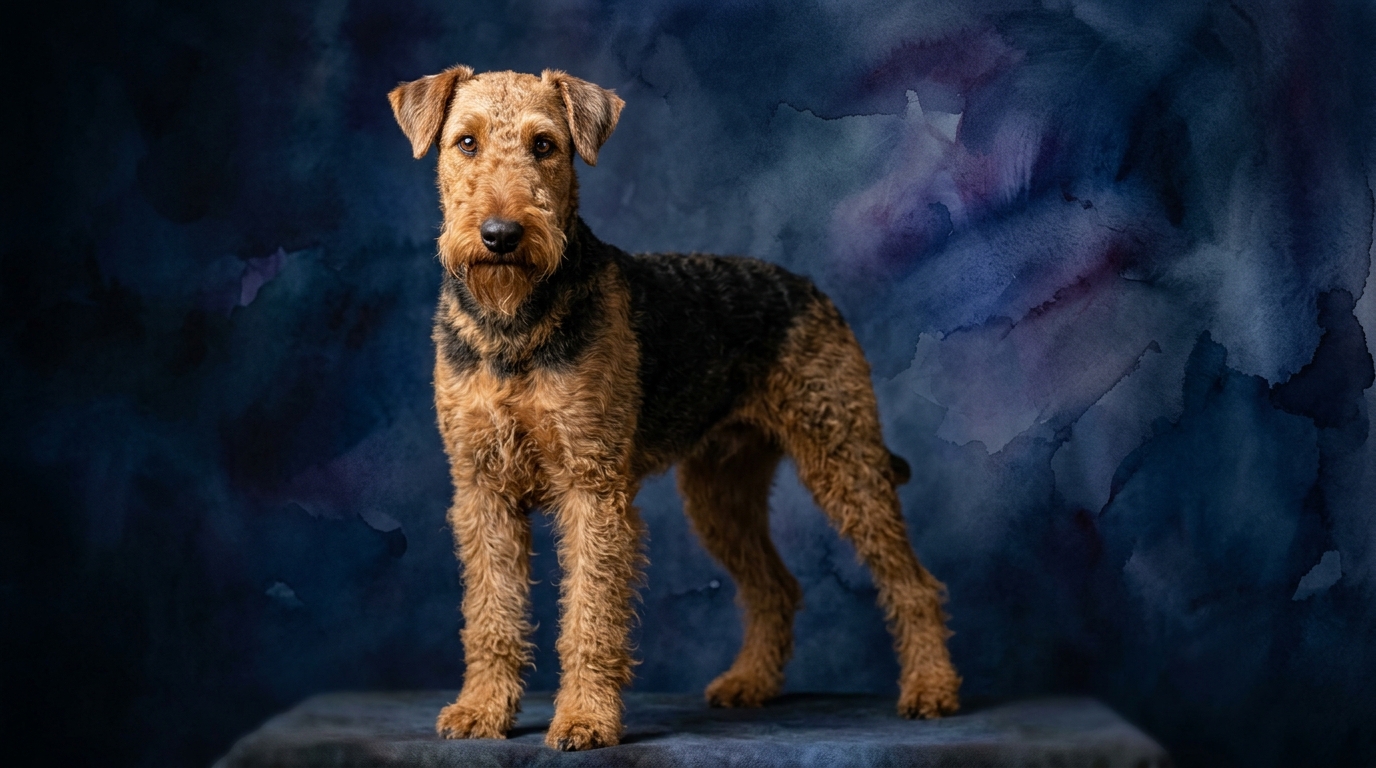
Conversely, the Airedale Terrier (Coren rank #29) displays a more agile and interactive cognitive makeup. Their Problem Solving earns a 4/5, showing a proactive and often experimental approach to figuring out solutions. Training Speed is 4/5, meaning they absorb new commands and concepts with notable quickness. Social Intelligence matches at 3/5, indicating a balanced understanding of social cues and forming strong family attachments while maintaining a confident demeanor. Their Instinctive Drive is 3/5, characterized by a strong prey drive, curiosity, and tenacity. Memory is a robust 4/5, allowing them to recall complex sequences and experiences with considerable accuracy.
Where the Great Pyrenees Excels Cognitively
While the Great Pyrenees may not numerically 'win' in individual cognitive dimensions against the Airedale, its distinct blend of abilities creates a unique cognitive strength: autonomous, specialized decision-making. Its 3/5 Problem Solving, combined with its 3/5 Instinctive Drive for guarding, translates into exceptional self-sufficiency in livestock protection or home security. A Pyrenees makes independent judgments about potential threats and boundaries without requiring constant human directives, a critical form of specialized intelligence for its role. Their 3/5 Social Intelligence means they are discerning, not overly eager to befriend strangers, which is a significant cognitive advantage for a guardian whose primary function is protection, not universal friendliness. This specific profile allows for unwavering vigilance and a self-reliant protective presence, a cognitive triumph in its own right.
Where the Airedale Terrier Shows Cognitive Superiority
The Airedale Terrier demonstrates clear cognitive advantages in several key areas. Their 4/5 Problem Solving capacity indicates a superior ability to adapt to novel situations and devise creative solutions, often through inventive strategies or focused experimentation. This mental agility makes them adept at navigating new challenges and excelling in various dog sports that demand quick thinking. Furthermore, their 4/5 Training Speed means they grasp new commands and routines more rapidly than the Great Pyrenees, making the initial stages of obedience training often quicker and more immediately rewarding. Their robust Memory, also rated 4/5, reinforces this, enabling them to retain a larger and more intricate set of learned behaviors and experiences over time, contributing significantly to their renowned versatility and adaptability.
Training Dynamics: Compliance vs. Independence
When considering ease of training for conventional obedience and complex tasks, the Airedale Terrier generally presents as the more straightforward student. Their 4/5 Training Speed means they pick up new commands and concepts with greater alacrity, and their 4/5 Memory ensures these lessons stick effectively. Airedales often thrive on engagement and mental challenges, making them more receptive to varied and stimulating training methods. However, their strong instinctive drive and independent terrier spirit mean training requires consistency, firm yet fair leadership, and engaging techniques to prevent boredom or stubbornness from taking root.
The Great Pyrenees, with its 3/5 Training Speed and 3/5 Memory, requires more patience and a fundamentally different approach. Their inherent independence, a byproduct of generations of autonomous guarding, means they often weigh commands against their own perceived purpose or comfort. They are not necessarily 'slow' learners, but rather 'deliberate' learners who need to understand the 'why' behind a command, or at least perceive it as beneficial or non-threatening to their domain. Their training is less about quick compliance and more about building a respectful partnership and consistent routine, often requiring owners to be more persuasive and understanding of their self-reliant nature than strictly demanding.
Matching Canine Cognition to Owner Lifestyles
The cognitive profiles of these two breeds naturally align with different owner lifestyles. The Airedale Terrier is better suited for active owners who relish consistent mental and physical engagement. Their higher problem-solving capacity and quicker training speed mean they thrive on activities like agility, advanced obedience, scent work, or regular, varied outings that stimulate their minds and bodies. Owners who enjoy teaching new tricks, providing consistent mental challenges, and participating in dog sports will find the Airedale a rewarding and capable partner. Their energetic nature and strong drive necessitate regular outlets to prevent boredom and potential behaviors stemming from under-stimulation.
The Great Pyrenees generally aligns better with relaxed owners who appreciate a more self-sufficient and calm presence, provided their fundamental needs for guarding and security are met. While they require regular exercise, it's often more about patrolling their territory or a leisurely walk rather than intense, high-impact activities. Their independent nature means they are less reliant on constant human direction for entertainment or validation. Owners seeking a steadfast, watchful companion who is content with a predictable routine and ample space to observe their surroundings will find the Pyrenees a good fit. However, 'relaxed' does not mean 'hands-off'; they still require consistent, gentle guidance and socialization to appropriately manage their innate guarding instincts.
The Verdict
Opt for a Great Pyrenees if you seek an independent, steadfast guardian with a calm demeanor, valuing autonomous decision-making in protection over rapid obedience. They are ideal for owners who appreciate a self-reliant companion and can provide ample space and a predictable routine where their watchful nature can flourish.
Select an Airedale Terrier if you desire an agile, versatile companion eager for mental and physical challenges, capable of learning complex tasks quickly. They suit active owners who enjoy engaging in varied training, sports, and adventures with a spirited, adaptable partner.
🧠 Find Your Pet's IQ Score
Our Pet IQ Lab assessment covers 25+ tests across 5 cognitive dimensions — personalized to your breed.
Take the Full IQ Test →Frequently Asked Questions
Is a Great Pyrenees difficult to train?
Training a Great Pyrenees requires patience and understanding of their independent nature. While they learn steadily, their guarding instincts mean they often prioritize their own judgment over immediate compliance, necessitating consistent, gentle, and persuasive methods.
Are Airedale Terriers good for first-time dog owners?
Airedale Terriers can be suitable for first-time owners who are prepared for their energetic nature and need for mental stimulation. Their quick learning ability is a plus, but their strong will and prey drive require commitment to consistent training and socialization.
Which breed is more protective, Great Pyrenees or Airedale Terrier?
The Great Pyrenees is inherently more protective due to its centuries-long role as a livestock guardian, exhibiting a strong, autonomous protective instinct towards its family and territory. While Airedales are watchful, their protective tendencies are generally less pronounced and more situational.