Side-by-Side IQ Profile: Great Pyrenees vs. American Foxhound
At The Cosmic Pet Pet IQ Lab, we evaluate canine intelligence across five dimensions, and it's fascinating to observe how two breeds can share the same numerical scores while exhibiting vastly different applications of those capacities. Both the Great Pyrenees and the American Foxhound score 3 out of 5 in Problem Solving, Training Speed, Social Intelligence, Instinctive Drive, and Memory. However, their breed-specific histories illuminate the unique ways these scores manifest.
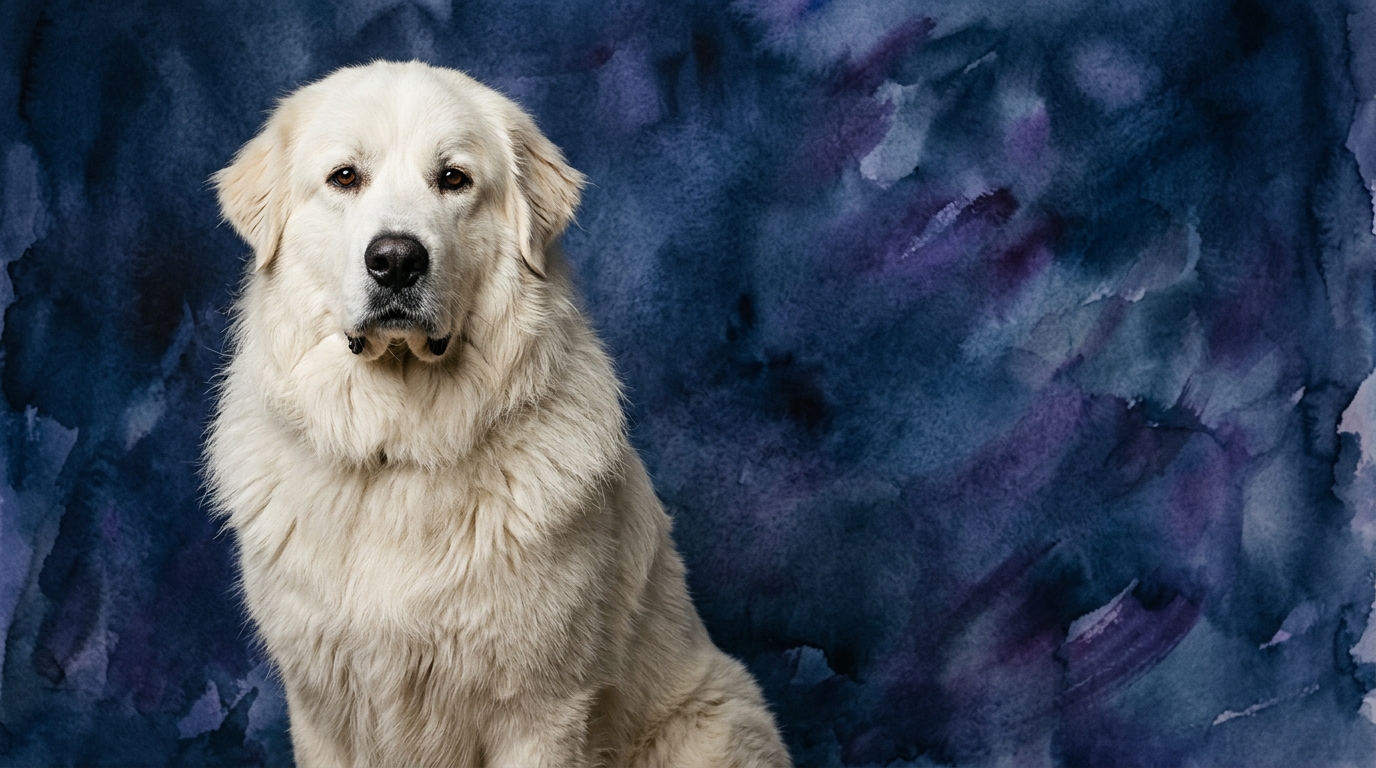
For the Great Pyrenees, a working breed ranked #64 by Coren, a 3/5 in Problem Solving signifies their strategic capacity to assess environmental threats to their flock, making independent decisions about intervention and navigating complex social dynamics within their protected group. This isn't about solving abstract puzzles but about autonomous, practical judgment in a guardian role. Their Training Speed at 3/5 reflects a deliberate, often independent nature; while capable of learning, their inherent self-reliance means they might not rush to obey commands if they perceive them as unnecessary or conflicting with their duties. Social Intelligence at 3/5 means a nuanced understanding of their 'flock's' emotions and needs, displaying gentle protectiveness, while shifting to careful observation and discernment towards strangers. Their Instinctive Drive, also 3/5, is an unwavering instinct to guard and protect, manifesting as vigilance and territoriality, often operating with minimal human direction. Finally, their Memory at 3/5 is practical, recalling territory, individuals within their care, established routines, and accepted versus unaccepted visitors, all supporting their consistent guardian role.
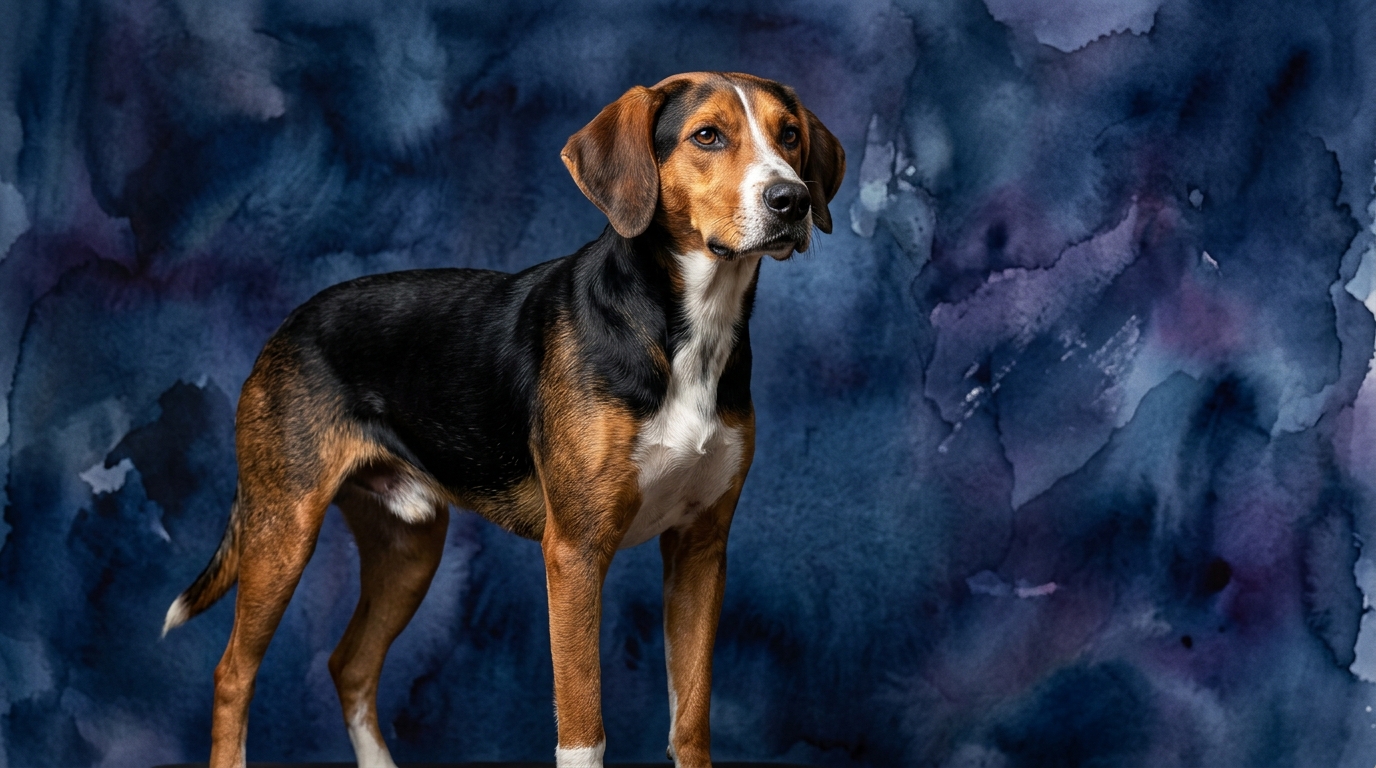
The American Foxhound, a hound breed not Coren-ranked, also scores 3/5 across the board, but these scores tell a different story. Their Problem Solving at 3/5 centers on tracking and hunting, deciphering complex scent trails, navigating varied and challenging terrain efficiently, and collaborating within a pack to locate prey—an adaptive, sensory-driven form of intelligence. A 3/5 in Training Speed highlights their independent, scent-driven focus; while they can learn commands, especially those related to hunting, their powerful olfactory instincts can make traditional obedience challenging as they are easily diverted by interesting smells. Their Social Intelligence at 3/5 reflects strong pack cohesion, understanding canine hierarchies and cooperating effectively during hunts, and learning to interpret cues from human handlers. The Instinctive Drive at 3/5 is their overriding scenting ability and the persistent pursuit of prey, a powerful and guiding instinct. Their Memory at 3/5 is exceptionally tuned to scent patterns, recalling specific trails, previous finds, and routes taken during hunts, alongside pack dynamics and signals used in cooperative efforts.
Where Great Pyrenees Wins Cognitively
The Great Pyrenees' cognitive strengths shine in areas demanding independent judgment and protective autonomy. Unlike breeds requiring constant direction, the Pyrenees excels at assessing situations and making decisions without immediate human input, a trait honed over centuries of guarding livestock alone in vast pastures. Their ability to discern friend from foe, to calmly observe before acting, and to understand subtle social cues within their 'flock' allows for a nuanced protective strategy. This breed demonstrates a quiet, pervasive vigilance, where their cognitive processing is constantly evaluating their environment for potential threats, prioritizing the safety of their charges above all else. Their problem-solving isn't about quick tricks but about strategic, long-term safeguarding, anticipating potential issues rather than merely reacting to them.
Where American Foxhound Wins Cognitively
The American Foxhound's cognitive prowess is deeply rooted in their specialized sensory processing and sustained, goal-directed behavior. Their olfactory intelligence is unparalleled, allowing them to follow incredibly faint and complex scent trails over vast distances and varied terrains, a cognitive feat that requires immense focus and discriminatory power. This isn't just a physical act but a continuous problem-solving exercise, interpreting a world of invisible information. Furthermore, their ability to work cohesively within a pack, communicating and coordinating their efforts during a hunt, showcases a distinct form of social intelligence geared towards collaborative achievement. Their memory for intricate scent patterns and hunting routes demonstrates a highly specialized cognitive mapping, allowing for efficient and persistent pursuit.
Which is Easier to Train and Why
Despite both breeds scoring 3/5 in training speed, the practical experience of training them diverges significantly due to their inherent motivations and historical roles. The Great Pyrenees, with its independent guardian nature, can be perceived as more challenging for traditional obedience training. Their problem-solving often leads them to question commands, deciding if an instruction aligns with their protective duties or makes logical sense from their perspective. Training requires immense patience, positive reinforcement, and understanding that they are partners, not subordinates. They respond best to consistent, fair methods that respect their autonomy, often learning commands but choosing when to execute them based on their own assessment of the situation.
Conversely, the American Foxhound, while equally capable of learning, presents a different set of training challenges. Their powerful instinctive drive for scenting can make recall and off-leash reliability particularly difficult. Once they pick up a captivating scent, their focus becomes almost singular, overriding other commands. Training a Foxhound means competing with an ancient, deeply ingrained instinct. Success hinges on rigorous early socialization, consistent recall practice in varied environments, and channeling their drive into appropriate activities like scent work or tracking. While they can learn quickly for tasks aligned with their hunting instincts, convincing them to ignore a compelling scent trail requires a level of cognitive override that is profoundly difficult to instill.
Which Suits Active Owners vs. Relaxed Owners
The choice between a Great Pyrenees and an American Foxhound largely depends on an owner's lifestyle and their capacity to meet specific breed needs. The Great Pyrenees, while appearing majestic and somewhat laid-back as adults, is not truly a 'relaxed' dog in the traditional sense. They require space, a stable environment, and an owner who understands their need for vigilance and occasional bursts of protective action. Their exercise needs are moderate once past puppyhood, often content with patrolling their territory, but their mental stimulation comes from observing and assessing their surroundings. They suit owners who appreciate an independent, watchful companion and who can provide a calm, secure home, possibly with a yard to patrol, rather than demanding high-intensity physical activity.
The American Foxhound, however, is unequivocally suited for active owners. This breed possesses immense stamina, bred for hours of sustained running and tracking. They thrive on vigorous daily exercise, ideally incorporating activities that engage their powerful sense of smell, such as long walks, trail running, or organized scent work. A relaxed owner would struggle immensely with a Foxhound's energy levels, which, if not adequately channeled, can lead to destructive behaviors or incessant vocalization. They need an owner committed to providing consistent physical outlets and mental challenges that satisfy their ingrained hunting drive, making them ideal companions for hikers, runners, or those involved in canine sports.
The Verdict
When to choose a Great Pyrenees hinges on an owner valuing an independent, watchful guardian who makes thoughtful, autonomous decisions to protect their home and family, offering a calm yet ever-vigilant presence.
When to choose an American Foxhound means embracing a high-energy, scent-driven companion whose cognitive strengths lie in relentless pursuit and olfactory problem-solving, perfect for owners dedicated to vigorous outdoor activity and specialized scent work.
🧠 Find Your Pet's IQ Score
Our Pet IQ Lab assessment covers 25+ tests across 5 cognitive dimensions — personalized to your breed.
Take the Full IQ Test →Frequently Asked Questions
Do Great Pyrenees and American Foxhounds learn at the same rate given their identical training speed scores?
While both breeds score 3/5 in training speed, the *type* of learning and motivation differs. Pyrenees learn deliberately, often questioning commands, while Foxhounds learn quickly for scent-related tasks but can be single-minded when following a trail, making traditional obedience challenging.
How does their problem-solving ability differ despite both having a 3/5 score?
The Great Pyrenees' problem-solving focuses on strategic threat assessment and independent guardian decisions, prioritizing the safety of its charges. The American Foxhound's problem-solving is centered on interpreting complex scent trails and navigating varied terrain during pursuit, a more sensory-driven form of intelligence.
Which breed is more vocal, and how does this relate to their intelligence?
American Foxhounds are generally more vocal, using their bay to communicate during hunts, a trait linked to their social intelligence within a pack. Great Pyrenees can be vocal with barking as a warning, demonstrating their protective instinctive drive and their cognitive assessment of potential threats.