A Side-by-Side Look at Cognitive Profiles
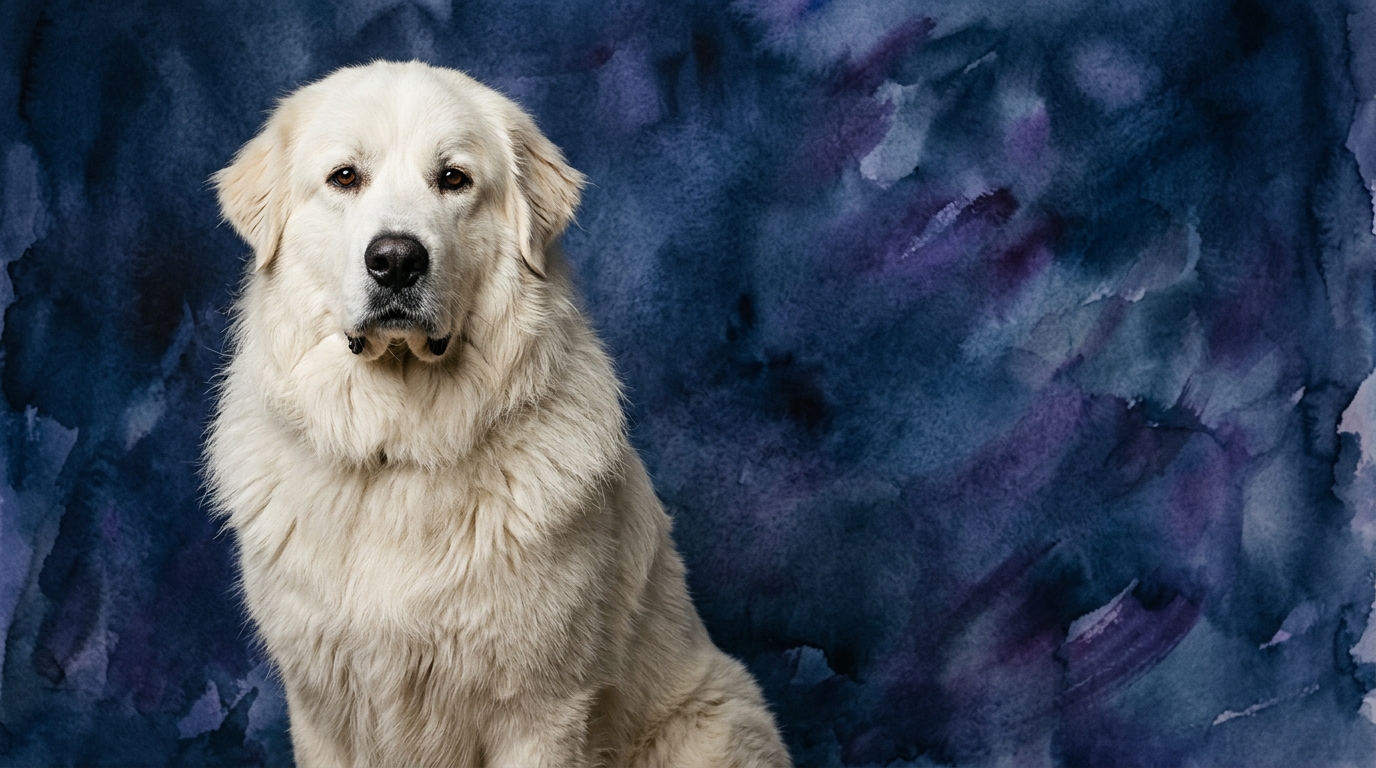
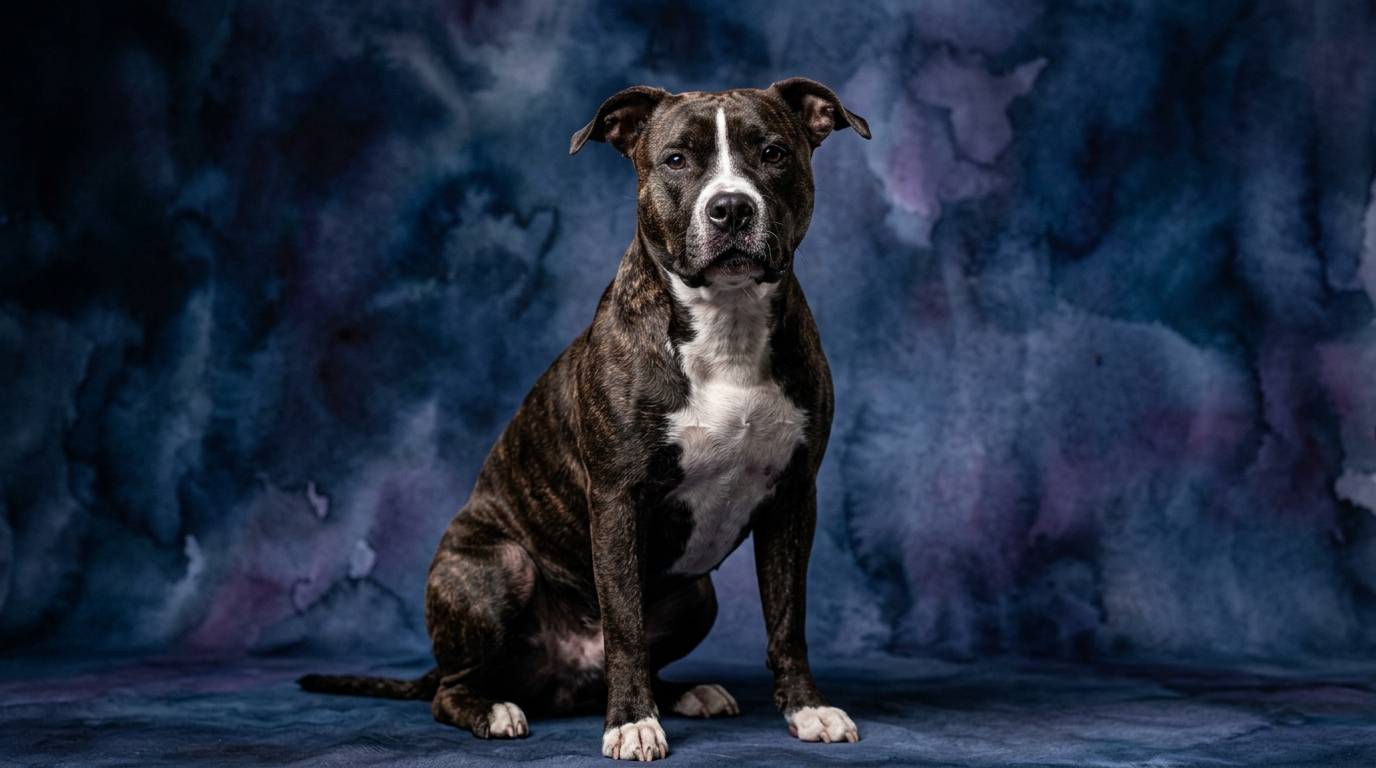
At The Cosmic Pet Pet IQ Lab, we evaluate canine intelligence across five key dimensions: problem-solving, training speed, social intelligence, instinctive drive, and memory. While both the Great Pyrenees and the American Staffordshire Terrier demonstrate competence, their individual scores reflect deeply ingrained breed purposes and cognitive styles. The Great Pyrenees, a majestic Working breed, ranks #64 on the Coren scale, while the American Staffordshire Terrier, a resilient Terrier breed, sits higher at #48, suggesting a difference in their capacity for handler-directed work.
For the Great Pyrenees, we observe a Problem Solving score of 3/5. This breed is remarkably resourceful when it comes to independent decision-making in protective scenarios, often devising its own solutions to perceived threats without direct human instruction. Their Training Speed is also 3/5; they learn, but their inherent independence means they process commands through their own judgment, often choosing to comply only if it aligns with their perceived duty. Social Intelligence scores 3/5, reflecting their astute ability to assess strangers and situations for potential threats, prioritizing family safety. Their Instinctive Drive is a strong 3/5, rooted in deeply embedded guarding and territorial behaviors. Finally, their Memory is rated 3/5, allowing them to retain crucial information about their environment and family.
In contrast, the American Staffordshire Terrier presents a different cognitive landscape. Their Problem Solving is 3/5, indicating an ability to navigate complex tasks and puzzles, often with a clear focus on achieving a desired outcome like a toy or interaction. Their Training Speed is 3/5, reflecting their general eagerness to please and motivation by positive reinforcement, which makes them quick to pick up new commands. Social Intelligence scores 3/5, as they are often adept at reading human emotions and intentions, frequently seeking connection. Their Instinctive Drive is 3/5, characterized by tenacity, a robust prey drive, and a strong desire for physical engagement. A notable difference appears in their Memory, which is 4/5, signifying a superior capacity for retaining commands, routines, and experiences, contributing to consistent performance.
Where the Great Pyrenees' Cognition Shines
The Great Pyrenees excels in domains requiring autonomous decision-making and self-reliance, a direct reflection of their heritage as independent livestock guardians. Their problem-solving isn't about solving a puzzle for a treat, but rather assessing a dynamic environment for threats and implementing solutions without human input. A Pyr might independently move a flock away from danger or stand firm against an intruder, relying on its own judgment. This self-sufficiency is a cognitive strength, enabling them to operate effectively in solitary, expansive environments.
Their social intelligence, while scoring 3/5, is specifically tailored for nuanced threat assessment. They are masters at discerning subtle cues from strangers, categorizing them as friend, foe, or neutral, often with a reserved but watchful demeanor. This isn't about being universally gregarious; it's about a sophisticated ability to protect their charges by understanding intent. Their instinctive drive to guard is not merely reactive; it's a proactive, deeply embedded cognitive process that constantly evaluates surroundings, making them vigilant protectors whose internal compass guides their actions.
The American Staffordshire Terrier's Cognitive Edge
The American Staffordshire Terrier's cognitive strengths lie in areas fostering collaboration and consistent performance, particularly highlighted by their superior Memory score of 4/5. This enhanced memory allows them to build a vast repertoire of learned behaviors and routines, making them highly reliable in structured activities. They remember not just *what* to do, but *how* to do it consistently, invaluable in obedience or agility. Their problem-solving, while also 3/5, often manifests as focused determination to achieve a goal involving human interaction or approval, like retrieving a hidden toy for their owner.
Their social intelligence, also 3/5, often leans towards a desire for connection and understanding human cues for engagement. An AmStaff is typically attuned to its owner's mood and intentions, often seeking to participate and please. This collaborative spirit means their problem-solving and learning are often driven by a desire to work *with* their human, making them highly responsive to guidance. Their instinctive drive, while strong, is often channeled into focused activities when provided with appropriate outlets, demonstrating tenacity in pursuit of a shared objective.
Training Dynamics: Which Breed Learns Faster?
When considering ease of training, the American Staffordshire Terrier generally presents a more straightforward path for the average owner. Their higher memory score (4/5) combined with their inherent eagerness to please and collaborative nature means they are often quicker to consistently perform new commands. They thrive on positive reinforcement and the opportunity to work alongside their human companions, making training sessions engaging and productive. Behavioral differences are key: an AmStaff often sees a command as an invitation to collaborate and earn praise.
The Great Pyrenees, while capable of learning, requires a different training approach due to their independent nature and 3/5 training speed. They learn, but their deeply ingrained history as autonomous livestock guardians means they often process commands through a filter of 'Does this make sense for my duty?' or 'Is this truly necessary?' They are not inherently disobedient, but self-directed. Training a Pyr involves building a profound relationship of trust and respect, understanding that their compliance is often earned through patient reinforcement rather than immediate, rote obedience. They learn at their own pace and often decide *when* to execute a command based on their assessment.
Matching Breeds to Lifestyles: Active vs. Relaxed Owners
For owners who lead an active lifestyle and seek a canine partner for structured activities, the American Staffordshire Terrier is often an excellent match. Their robust physical build, combined with their desire for mental stimulation and collaborative spirit, means they thrive on consistent exercise, training classes, and engaging in dog sports. They enjoy being an integral, active part of a dynamic household, requiring regular outlets for their energy and tenacity. An AmStaff will often seek out interaction and engagement, making them ideal for owners who enjoy daily, interactive routines.
The Great Pyrenees, while majestic, requires a different kind of 'relaxed' owner. They are not necessarily low-energy dogs; rather, their activity is often characterized by bursts of patrolling and vigilance interspersed with long periods of watchful repose. An owner who appreciates their independent nature and provides ample, secure space for them to observe and 'guard' their territory will find a good fit. They don't typically demand intense, structured daily exercise in the same way an AmStaff might, but they need mental engagement through their inherent guarding duties and a family that understands their self-sufficient temperament. 'Relaxed' for a Pyr owner means accepting their independence and providing a consistent, stable environment for them to fulfill their protective instincts.
The Verdict
Choose the Great Pyrenees if you seek an independent, steadfast guardian who makes autonomous decisions regarding the safety of their family and territory, valuing quiet vigilance over immediate obedience. This breed is for those who appreciate a self-reliant protector with a deep-seated sense of duty.
Choose the American Staffordshire Terrier if you desire an engaged, trainable companion eager for collaborative activities, consistent interaction, and a dog that thrives on learning new skills and being an active, integrated family member. This breed suits owners who enjoy proactive training and a responsive partner.
🧠 Find Your Pet's IQ Score
Our Pet IQ Lab assessment covers 25+ tests across 5 cognitive dimensions — personalized to your breed.
Take the Full IQ Test →Frequently Asked Questions
Do Great Pyrenees need a lot of exercise?
Great Pyrenees need moderate exercise and ample secure space to patrol their perceived territory, but they are not typically high-energy dogs that require intense, constant activity. Their exercise often involves watchful wandering and short bursts of activity rather than prolonged, vigorous workouts.
Are American Staffordshire Terriers good with children?
With proper socialization from a young age, consistent training, and appropriate supervision, American Staffordshire Terriers can be affectionate and loyal family members. Their tenacity and energy require owners to establish clear boundaries and provide engaging outlets for their drive.
How do their guarding instincts differ?
The Great Pyrenees guards primarily through deterrence and presence, acting as an independent livestock guardian whose actions are often proactive. The American Staffordshire Terrier's guarding instinct is more reactive and family-focused, often tied to their strong bond with their people and their desire to protect their immediate family unit.