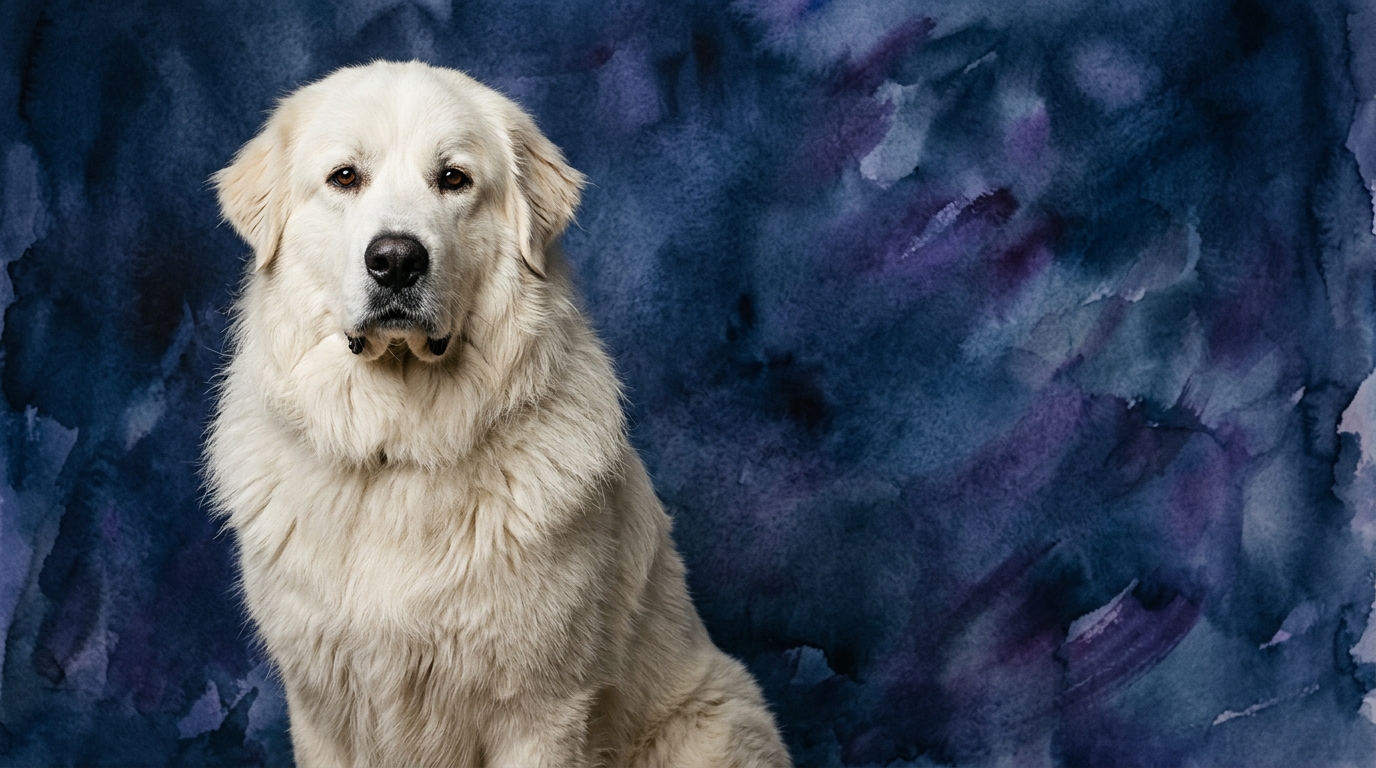
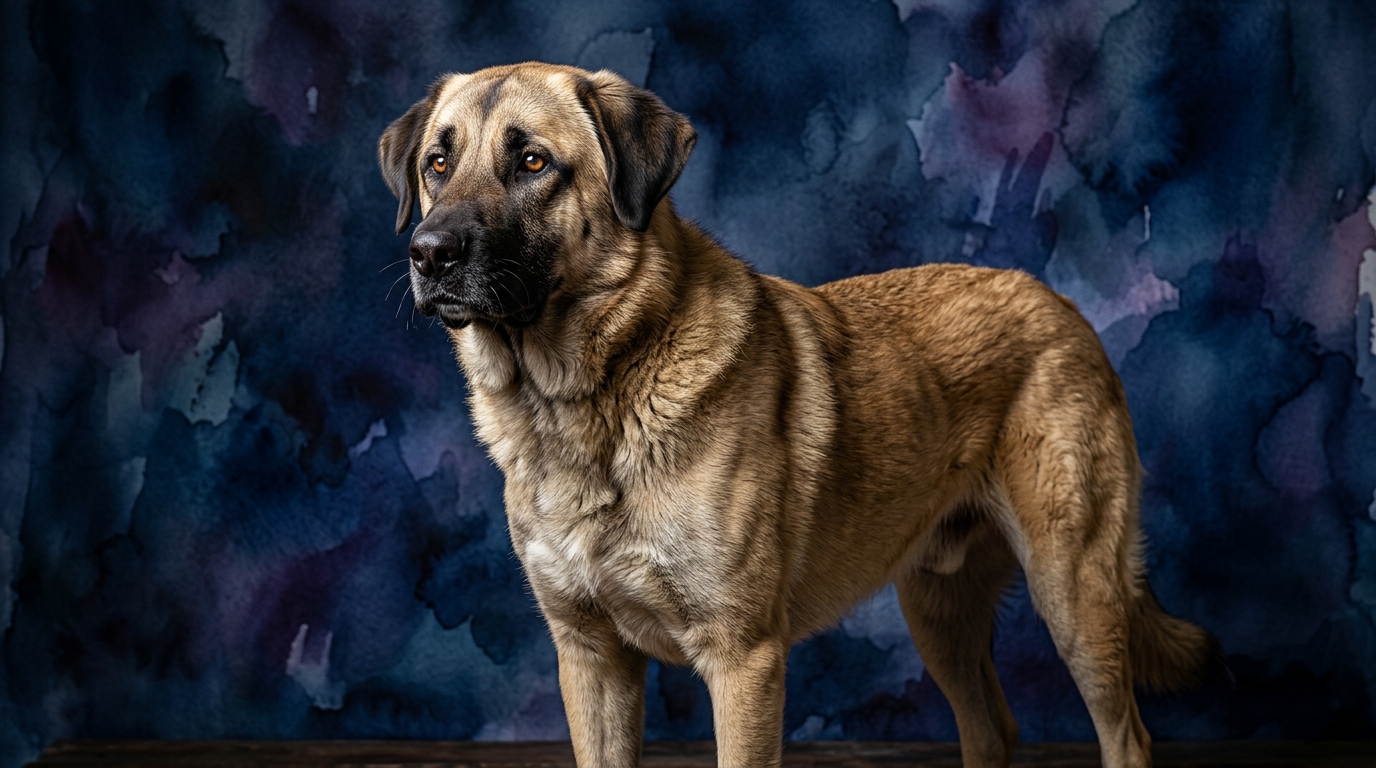
Side-by-Side Cognitive Profile: Great Pyrenees vs. Anatolian Shepherd Dog
The Cosmic Pet Pet IQ Lab categorizes canine intelligence across five key dimensions, and both the Great Pyrenees and the Anatolian Shepherd Dog score a consistent 3/5 in each, reflecting their specialized working roles rather than a deficit in mental capacity. For the Great Pyrenees, ranked #64 by Coren, its Problem Solving at 3/5 often manifests as a thoughtful, deterrent-focused strategy; they might assess a potential threat and choose a non-confrontational, yet effective, method like barking or posturing to move it along. Their Training Speed, also 3/5, indicates they learn at a moderate pace, but their independent nature means they require consistent, patient guidance, often prioritizing their innate guardian duties over strict obedience.
Social Intelligence at 3/5 for the Great Pyrenees highlights their capacity to bond deeply with their charges and family, while maintaining a discerning but generally tolerant attitude towards known, non-threatening individuals. Their Instinctive Drive, 3/5, is powerfully geared towards watchful protection, often employing their imposing presence and bark as primary tools. Memory, at 3/5, allows them to recall safe boundaries, flock members, and routines, building a reliable internal map of their territory. For the Anatolian Shepherd Dog, which is not Coren-ranked but shares the same IQ scores, Problem Solving at 3/5 often leans towards more decisive and direct confrontation when a threat is identified; they are less likely to simply deter and more prone to actively engaging to protect. Their Training Speed of 3/5 is also moderate, but their strong will and independent thought mean that training requires a firm, experienced handler who can channel their natural drive.
The Anatolian Shepherd Dog's Social Intelligence, 3/5, is characterized by a profound loyalty to their immediate family and flock, but a more reserved and often suspicious stance towards strangers, reflecting their intense protective instincts. Their Instinctive Drive, also 3/5, is expressed through an unwavering vigilance and a readiness to act decisively against perceived threats, making them formidable guardians. Memory at 3/5 for the Anatolian enables them to establish and recall territorial boundaries with precision, identify specific threats, and maintain a clear understanding of their protective duties within their environment.
Where the Great Pyrenees Excels Cognitively
The Great Pyrenees often demonstrates a cognitive edge in its ability to manage a broader spectrum of social interactions with a more placid demeanor. Their Problem Solving, while rated 3/5, frequently involves a nuanced assessment of threat levels, preferring intimidation and presence over direct engagement, which requires a subtle understanding of social cues and environmental context. This less confrontational approach means they excel in environments where a gentle, watchful presence is paramount, and where overreaction could be detrimental.
Their 3/5 Social Intelligence allows them to integrate smoothly into a larger, more diverse family unit, including various types of livestock and even other domestic pets, often developing a patient, tolerant rapport. The Pyrenees' memory for a wider range of non-threatening stimuli contributes to their calm, consistent guardianship, remembering who belongs and who is merely passing through without necessitating an aggressive response. This cognitive inclination towards measured response makes them particularly effective in less volatile, more populated agricultural settings.
Where the Anatolian Shepherd Dog Shines Cognitively
The Anatolian Shepherd Dog's cognitive strengths lie in its intense vigilance and decisive, assertive problem-solving, even with a 3/5 rating. Their Problem Solving often involves a rapid, accurate assessment of a genuine threat, followed by a swift and potent response. This decisive action is crucial in environments with significant predator pressure or where a more immediate, forceful intervention is required to protect the flock.
Their 3/5 Social Intelligence is marked by a deep, discerning loyalty, making them exceptionally protective of their immediate charges and family. This strong discernment means they are less likely to be swayed by novelty or superficial friendliness, relying instead on a keen evaluation of intent. The Anatolian's memory, also 3/5, is particularly strong for territorial boundaries and specific threats, allowing them to maintain an unyielding vigilance and an unwavering commitment to their protective duties, often acting with significant independence and confidence in their judgments.
Training Dynamics: Which Breed is More Amenable?
When considering trainability, neither the Great Pyrenees nor the Anatolian Shepherd Dog are considered easy in the traditional sense, both scoring 3/5 for Training Speed, largely due to their independent, self-thinking LGD nature. The Great Pyrenees, with its generally more laid-back and less confrontational temperament, can sometimes be perceived as 'easier' to manage in day-to-day life. Their training challenges often stem from a tendency towards selective hearing or a preference for surveying their territory over engaging in repetitive obedience drills. They might learn commands, but their execution will always be filtered through their guardian instincts; a 'stay' command might be ignored if they perceive a need to investigate something on the horizon, a real behavioral difference stemming from their roaming instinct.
The Anatolian Shepherd Dog, by contrast, often presents a more formidable training challenge due to its strong will, intense focus, and discerning nature. While equally capable of learning (3/5 Training Speed), their inherent assertiveness and territorial drive mean they require a highly confident, consistent, and experienced handler. Real behavioral differences include their tendency to confront threats directly and their inherent suspicion of strangers, which, if not managed with early socialization and firm guidance, can lead to difficulties. Training an Anatolian is less about forcing compliance and more about establishing a clear, respected leadership role that channels their immense protective drives effectively.
Matching Breeds to Lifestyles: Active vs. Relaxed Owners
Neither the Great Pyrenees nor the Anatolian Shepherd Dog are typically suited for owners seeking a jogging partner or a dog for intense, structured sports. Both require ample space and a purpose, but their energy demands differ. For owners who are 'relaxed' in terms of seeking a low-energy companion for strenuous physical activities, the Great Pyrenees might be the more suitable choice. Their placid nature means they are generally content to patrol their territory, observe, and conserve energy, making them excellent companions for a quiet homestead or a family with a large yard where their presence alone acts as a deterrent. They thrive on routine and a calm environment, requiring mental engagement through their guardian duties rather than constant physical exertion.
Conversely, owners who are 'active' in their approach to dog management, training, and providing consistent leadership will find the Anatolian Shepherd Dog a more fitting, albeit demanding, partner. While not requiring hours of running, their intense vigilance and assertive nature demand an owner who is equally engaged in providing structure, clear boundaries, and ongoing socialization. An Anatolian needs a 'working' relationship with their owner, one built on mutual respect and a clear understanding of roles. Their cognitive disposition for decisive action means they need an owner who can consistently guide that drive, making them less suitable for a truly 'relaxed' owner who prefers a hands-off approach.
The Verdict
Choose the Great Pyrenees if you seek a calm, patient guardian with a broad social tolerance, whose protective instincts lean towards gentle deterrence and watchful presence, fitting a more relaxed home environment.
Opt for the Anatolian Shepherd Dog if you are an experienced, assertive owner prepared to consistently guide a vigilant, decisive guardian with intense protective instincts and a strong independent will.
🧠 Find Your Pet's IQ Score
Our Pet IQ Lab assessment covers 25+ tests across 5 cognitive dimensions — personalized to your breed.
Take the Full IQ Test →Frequently Asked Questions
What's the main difference in their guarding style?
The Great Pyrenees typically employs a more passive, deterrent-based guarding style, using its size, bark, and presence to ward off threats. The Anatolian Shepherd Dog, while also using deterrence, is more prone to direct, assertive confrontation when it perceives a genuine threat to its flock or family.
Are either breed good with children or other pets?
Both breeds can be good with children and other pets within their own family, especially when raised with them from a young age and properly socialized. However, the Great Pyrenees is generally more tolerant and patient, while the Anatolian Shepherd Dog's protective instincts require more careful management and supervision around unfamiliar individuals or animals.
Which breed is more prone to wandering?
The Great Pyrenees is generally more prone to wandering or expanding its perceived territory beyond fenced boundaries, driven by its instinct to patrol a wider area. The Anatolian Shepherd Dog, while also independent, tends to be more intensely territorial and less likely to stray far from its designated space, preferring to defend its established perimeter.