Side-by-Side IQ Profile: Great Pyrenees vs. Border Terrier
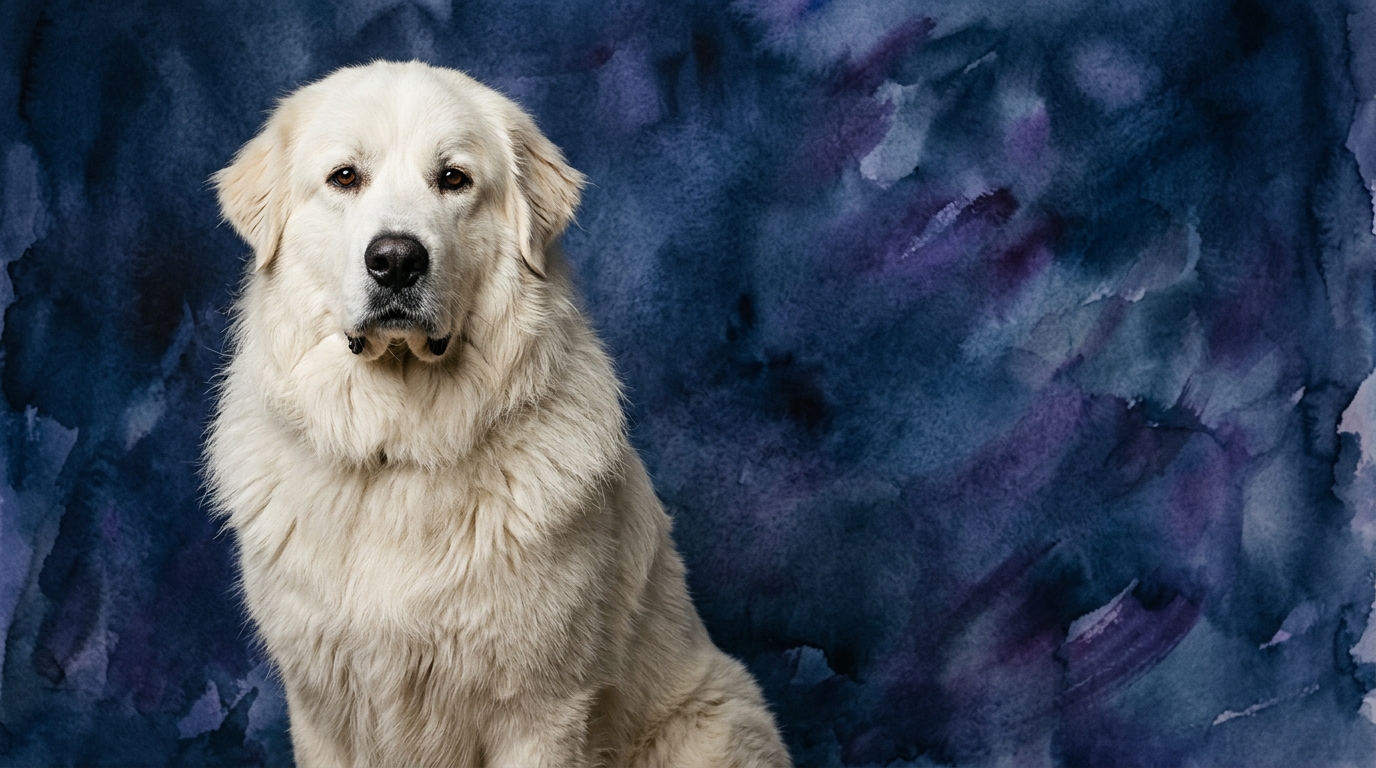
The Great Pyrenees, ranked #64 by Coren, presents a cognitive makeup tailored for solitary, long-term vigilance. Its Problem Solving score of 3/5 indicates a deliberate, often unhurried approach to challenges; rather than quick innovation, it relies on assessment and steady application of known methods. Training Speed, also at 3/5, suggests a moderate learning curve, requiring consistent, patient repetition to integrate new commands, reflecting its independent nature rather than an eagerness for human instruction.
Social Intelligence at 3/5 means the Pyrenees understands its social environment sufficiently, but prioritizes independent judgment in its guarding duties over constant human interaction. Its Instinctive Drive, a balanced 3/5, is primarily focused on territorial protection, expressing itself through patient observation and measured intervention rather than high-energy pursuit. Finally, a Memory score of 3/5 implies adequate retention of experiences and training, though complex or infrequently practiced tasks might require refreshers, underscoring its preference for routine and consistency in its expansive domain.
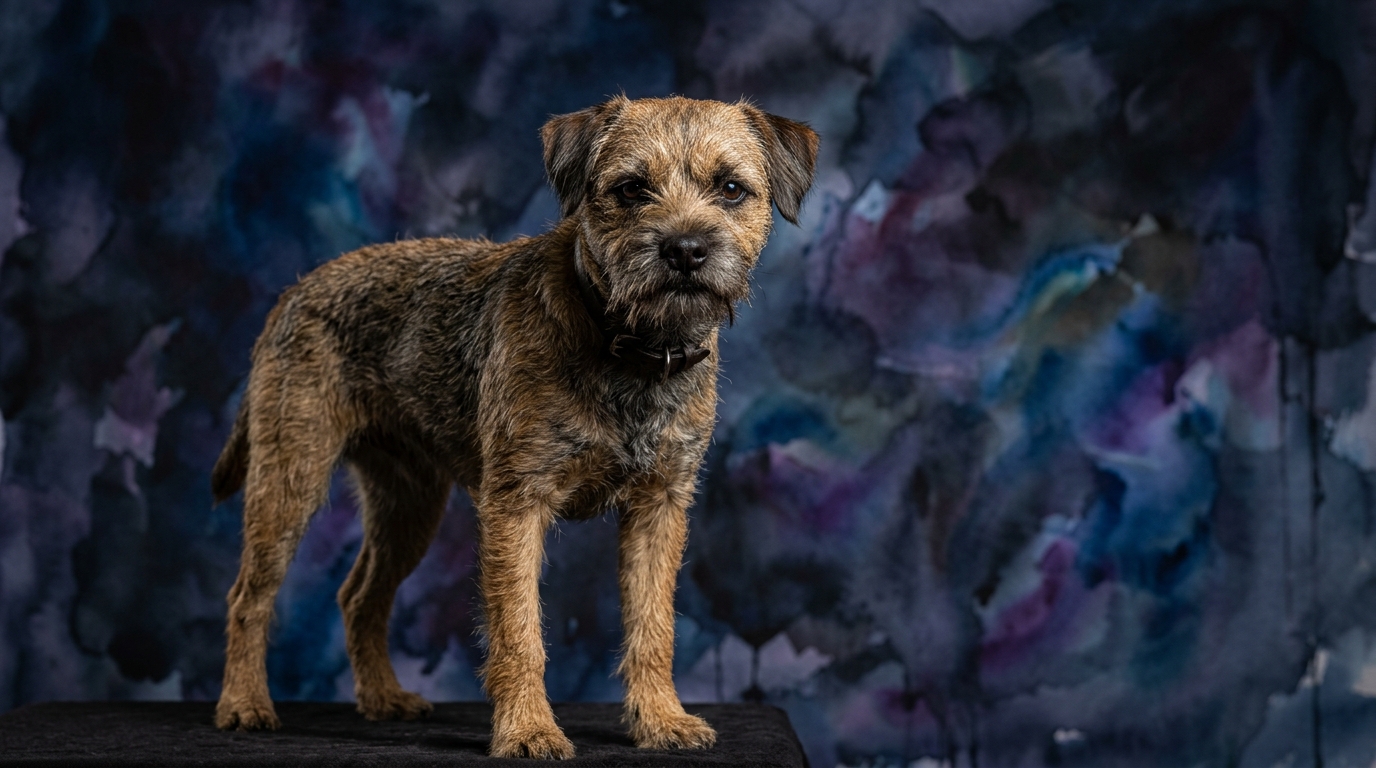
In contrast, the Border Terrier, holding a Coren rank of #30, exhibits a more agile and task-oriented cognitive profile. Its Problem Solving at 4/5 highlights a resourceful and persistent mind, adept at figuring out immediate solutions to physical obstacles or strategic challenges, a trait invaluable for navigating complex underground tunnels. Training Speed, rated 4/5, signifies a quick uptake of new commands and concepts, fueled by an inherent eagerness to engage and learn from its human companions.
Social Intelligence for the Border Terrier, at 3/5, suggests it is capable of effective communication within its social group, but maintains a degree of terrier independence, not always seeking constant direction. Its Instinctive Drive, also 3/5, is strongly channeled towards prey pursuit, manifesting as keen focus and determination when presented with opportunities for "the chase." Completing its profile, a Memory score of 4/5 indicates excellent retention, allowing it to recall learned tasks, routes, and experiences with remarkable longevity, making it a reliable partner in consistent activities.
Where the Great Pyrenees Wins Cognitively
The Great Pyrenees' cognitive strengths shine in areas demanding independent judgment and sustained vigilance, a subtle yet profound form of intellect often overlooked. While its problem-solving is rated 3/5, this doesn't imply a lack of mental capacity but rather a deliberate, measured approach. In a vast pasture, a Pyrenees must assess a potential threat—is it a predator, a lost hiker, or merely a blowing plastic bag?—without immediate human input. Its success lies in the nuanced ability to differentiate, and then respond appropriately, often through a slow, intimidating presence rather than a quick, reactive chase. This independent decision-making, honed over centuries, is a hallmark of its unique cognitive strength.
Furthermore, its social intelligence, though rated 3/5, is highly specialized for its role. This isn't about understanding complex human emotional nuances, but about reading the environmental and social cues of its livestock and the surrounding landscape. It develops deep bonds with its flock, understanding their patterns and vulnerabilities. Its memory (3/5) supports this by cataloging the familiar versus the anomalous in its territory, allowing it to recognize changes that might signify danger. This consistent, unwavering awareness and contextual understanding of its environment, maintained over long, solitary hours, represents a significant cognitive advantage for its specific purpose. It's a steady, reliable mental presence, rather than a quick-thinking innovator.
Where the Border Terrier Wins Cognitively
The Border Terrier excels in agile, practical problem-solving, a direct reflection of its 4/5 score in this domain. Unlike the Pyrenees' deliberate assessment, the Border Terrier's mind is geared for rapid, iterative solutions to immediate physical challenges. Imagine a terrier needing to navigate a complex network of tunnels to reach its quarry; it will quickly try different angles, dig at weak points, and learn from immediate feedback, demonstrating remarkable ingenuity and persistence. This quick thinking, combined with its tenacious spirit, allows it to overcome obstacles that would stymie a less focused or less adaptable breed.
Its superior training speed (4/5) and memory (4/5) also give the Border Terrier a distinct cognitive edge in learning complex behaviors and retaining them over time. This breed picks up new commands and multi-step tasks with impressive alacrity, often eager to engage in mentally stimulating activities. Whether it's mastering agility courses, learning intricate trick sequences, or remembering specific routes during walks, the Border Terrier demonstrates a capacity for absorbing and applying information efficiently. This combination of quick learning and strong retention makes it an exceptionally responsive and versatile companion for owners who enjoy active training and mental engagement.
Which is Easier to Train and Why?
Without question, the Border Terrier presents an easier training experience for most owners due to its Coren rank of #30 and its higher scores in Training Speed (4/5) and Memory (4/5). These dogs possess a natural eagerness to engage with their handlers and a quick comprehension of new commands. Their historical role, while independent in hunting, often involved working in conjunction with humans, fostering a responsiveness that translates well to formal training. They thrive on mental stimulation and positive reinforcement, quickly forming associations between actions and rewards, making them highly receptive to learning and retaining a wide array of behaviors, from basic obedience to complex sports.
The Great Pyrenees, with its Coren rank of #64 and 3/5 scores across Training Speed and Memory, poses a greater challenge in traditional obedience training. Their centuries-old purpose as independent livestock guardians ingrained a deep-seated self-reliance and a tendency to make their own decisions rather than blindly follow human directives. A Pyrenees might understand a command but choose not to execute it if it perceives no immediate value or if it conflicts with its guarding instincts. Training requires immense patience, unwavering consistency, and a profound understanding of their independent nature. Owners must work to build cooperation and trust, often relying on gentle persuasion and positive reinforcement, rather than expecting immediate, unwavering obedience from a dog whose primary directive is to think for itself.
Which Suits Active Owners vs. Relaxed Owners?
The Border Terrier is unequivocally better suited for active owners who relish mental and physical engagement. Their 4/5 problem-solving and training speed mean they require consistent outlets for their intelligent and tenacious energy. They excel in activities like agility, earthdog trials, obedience, and extensive hiking, where their quick wits and endurance can be fully utilized. An owner who can provide varied daily exercise, structured training, and puzzle toys will find the Border Terrier a joyful, fulfilling companion. Without sufficient stimulation, a Border Terrier may channel its cognitive drive into less desirable behaviors, such as digging, excessive barking, or destructive chewing, making them a poor fit for truly relaxed or sedentary lifestyles.
Conversely, the Great Pyrenees, while requiring space, aligns more with owners who might be described as "relaxed" in terms of high-intensity activity, but who are deeply committed to a dog's emotional and physical well-being. A Pyrenees is not a dog for jogging or intense dog sports; their 3/5 scores in problem-solving and training speed, combined with their large size, mean they are more about a steady, calm presence. They thrive in environments where they have a territory to survey, even if it's just a large yard, and a family to guard. Their idea of activity is often a leisurely patrol or a long, quiet nap in a strategic location. A "relaxed" owner for a Pyrenees means someone who appreciates their independent spirit, understands their need for vigilant oversight, and is prepared for their deep, calm companionship rather than constant interactive play or rigorous training sessions.
The Verdict
For individuals seeking a stoic, independent guardian presence who values deliberate decision-making over rapid obedience, and has sufficient space for a large, calm companion deeply attuned to its environment, the Great Pyrenees is an ideal choice.
For owners who desire an engaged, agile, and quick-witted companion, ready for mental challenges, consistent training, and regular physical activity that taps into its tenacious, problem-solving nature, the Border Terrier will be a rewarding partner.
🧠 Find Your Pet's IQ Score
Our Pet IQ Lab assessment covers 25+ tests across 5 cognitive dimensions — personalized to your breed.
Take the Full IQ Test →Frequently Asked Questions
Do Great Pyrenees dogs bark a lot?
Yes, their instinctive drive as guardians means they use barking to alert and deter perceived threats, especially during the night. This vocalization is a natural part of their cognitive profile, requiring owners to understand its inherent purpose rather than expecting it to be easily silenced.
Are Border Terriers good for apartment living?
While their compact size makes them physically adaptable to apartments, their high problem-solving and training speed mean they require significant daily mental and physical exercise to prevent boredom and potential destructive behaviors. They thrive with active engagement and consistent outings, not just confined spaces.
How do their Coren ranks relate to their IQ scores?
The Coren rank broadly reflects a breed's working and obedience intelligence, aligning closely with training speed and problem-solving abilities. The Pyrenees' #64 and Border Terrier's #30 reflect the latter's quicker comprehension and trainability, while the specific IQ scores provide a more nuanced breakdown of each breed's distinct cognitive strengths beyond just obedience.