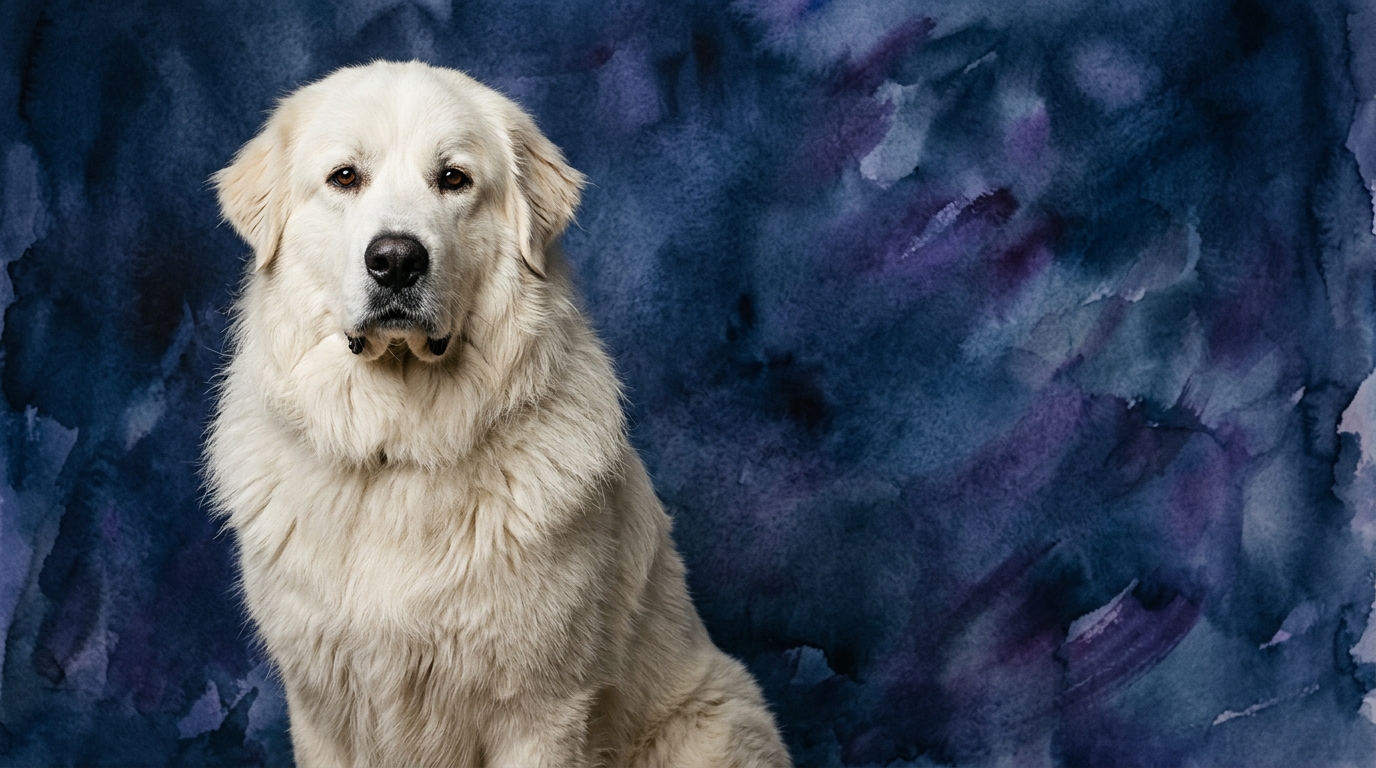
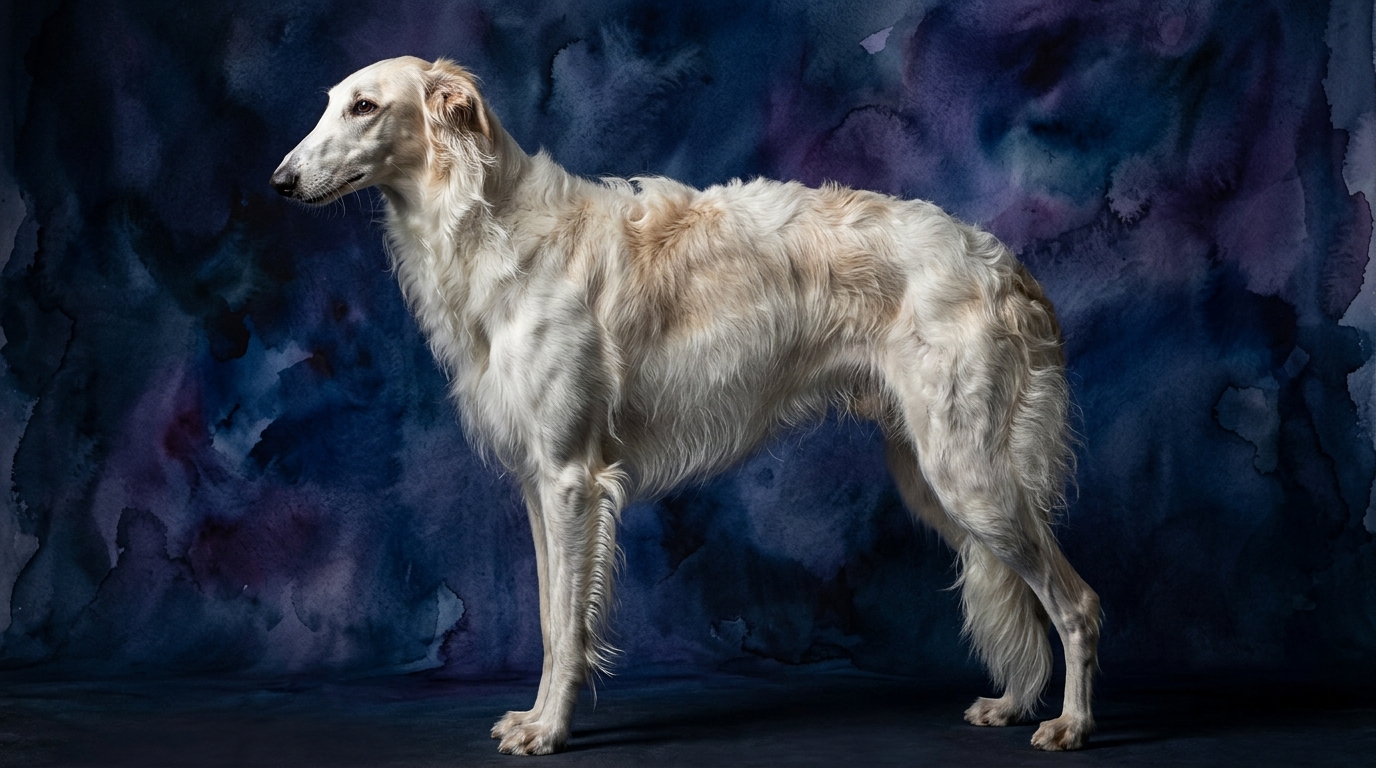
Side-by-Side IQ Profile: Great Pyrenees vs. Borzoi
**Great Pyrenees Problem Solving (3/5):** The Great Pyrenees applies its problem-solving acumen to protecting its charges. This might involve strategically positioning itself to deter perceived threats, identifying weak points in a perimeter, or figuring out how to reunite a straying flock member. Their solutions are often self-directed and rooted in their guardian instincts, making them adept at independent decision-making in complex, dynamic environments without constant human instruction.
**Borzoi Problem Solving (3/5):** Borzoi demonstrate problem-solving primarily in pursuit and capture. This could mean anticipating a rabbit's evasive maneuvers, navigating challenging terrain at high speed, or finding the most efficient path to intercept quarry. Their cognitive strategies are geared towards rapid assessment and execution during a chase, requiring swift, independent judgment to overcome obstacles and achieve their objective.
**Great Pyrenees Training Speed (3/5):** A Great Pyrenees can grasp new commands, but their inherent independence, cultivated over centuries of solitary livestock guarding, often means they weigh the utility of a command against their own perceived needs or duties. While they possess the capacity to learn quickly, their compliance might be selective, especially if a command seems trivial or contradicts their guarding instincts, making consistent obedience a nuanced endeavor.
**Borzoi Training Speed (3/5):** Borzoi also learn commands with reasonable speed, yet their sighthound heritage means their attention can be profoundly diverted by visual stimuli or the irresistible urge to chase. They understand what is asked, but their powerful prey drive can override learned responses, particularly in stimulating environments. This means while they acquire knowledge, applying it consistently requires careful management of their environment and strong motivation.
**Great Pyrenees Social Intelligence (3/5):** The Great Pyrenees displays a keen awareness of its family unit and surrounding environment, discerning subtle shifts in mood or potential threats. They form deep, protective bonds with their “flock” (human or animal), understanding social hierarchies and dynamics within their established group. However, their social intelligence often manifests as reservedness or wariness towards unfamiliar individuals, a trait honed by their protective role.
**Borzoi Social Intelligence (3/5):** Borzoi exhibit a refined social sensitivity, often picking up on their owner's emotional state with quiet perceptiveness. They form profound, often selective, bonds with their human companions, showing affection in a dignified, sometimes understated manner. While they can be aloof or indifferent to strangers, they possess an internal understanding of social cues within their trusted circle, preferring calm and respectful interactions.
**Great Pyrenees Instinctive Drive (3/5):** The defining instinct of the Great Pyrenees is guardianship. This manifests as an unwavering commitment to protecting its territory and family, expressed through vigilant observation, vocal alerts, and a calm, imposing presence. Their drive is rooted in self-sufficiency and a profound sense of responsibility, leading them to act as independent protectors rather than seeking constant human direction.
**Borzoi Instinctive Drive (3/5):** Borzoi are powered by an intense sighthound prey drive, compelling them to pursue anything that moves quickly. This instinct is deeply ingrained, manifesting as an explosive burst of speed and an unwavering focus during a chase. Their drive is solitary and self-rewarding, making them formidable hunters who follow their visual cues with remarkable single-mindedness.
**Great Pyrenees Memory (3/5):** A Great Pyrenees retains information pertinent to its guarding duties, remembering safe territories, the faces of familiar people and animals, and past threats. They recall routines and expectations, allowing them to perform their protective roles effectively over time. While they remember commands, their application remains subject to their independent judgment.
**Borzoi Memory (3/5):** Borzoi possess a good memory for training, familiar routes, and specific hunting scenarios. They can recall learned behaviors and associate them with contexts. However, like their training speed, their memory for specific commands can be overshadowed by the immediate activation of their prey drive, especially when visual stimuli trigger their powerful instincts.
Where the Great Pyrenees Wins Cognitively
The Great Pyrenees excels in independent, autonomous problem-solving directly related to protection and resource management. Their cognitive strength lies in their ability to assess complex environmental situations, identify potential threats, and devise effective, self-initiated deterrents without constant human intervention. This stems from centuries of working alone with livestock, where split-second decisions were crucial for survival. For instance, a Pyrenees might independently figure out how to guide a lost lamb back to the flock, or strategically position itself to intercept a coyote, demonstrating a profound understanding of its role and environment. This contrasts with breeds that might wait for a command, showcasing a superior capacity for self-directed tactical thinking in their specific domain.
Where the Borzoi Wins Cognitively
The Borzoi's cognitive strengths shine in the rapid, dynamic processing required for high-speed pursuit and object tracking. Their minds are exceptionally tuned to visual cues, allowing them to instantaneously calculate trajectories, predict prey movements, and navigate complex terrain at full sprint. This involves a highly specialized form of problem-solving—making split-second decisions about angles, speed, and obstacles while maintaining focus on a moving target. While a Great Pyrenees might ponder a situation, a Borzoi's cognitive process during a chase is almost instantaneous, a blur of sensory input and physical execution, demonstrating a superior capacity for real-time, instinct-driven performance. Their ability to remember specific hunting routes and the habits of local wildlife also highlights a specialized memory for dynamic environments.
Which is Easier to Train and Why
Neither the Great Pyrenees nor the Borzoi are typically described as "easy" to train in the conventional obedience sense, but for different reasons rooted in their behavioral predispositions. The Great Pyrenees, with its guardian heritage, often interprets commands through the lens of its independent judgment and protective duties. They are capable of learning, but their willingness to comply can be conditional; if a command doesn't align with their perceived responsibility or seems unnecessary, they may simply choose not to execute it. This is not defiance, but rather self-sufficiency, making consistent, rapid obedience a challenge without persuasive, positive reinforcement and a deep understanding of their motivations.
The Borzoi, on the other hand, possesses a strong capacity for learning, yet their powerful prey drive and sighthound instincts frequently override any learned commands, particularly in stimulating outdoor environments. A Borzoi might understand "come," but if a squirrel darts across their path, the primal urge to chase becomes an overwhelming priority. Their training challenges stem from distraction and the sheer intensity of their innate drives, requiring meticulous environmental management and a training approach that acknowledges and works with their natural inclinations, rather than against them. Therefore, training *reliability* is harder with a Borzoi due to their powerful, easily triggered instincts, while training *compliance* is harder with a Pyrenees due to their independent, self-willed nature.
Which Suits Active Owners vs. Relaxed Owners
For owners seeking a companion for highly active, structured activities like advanced obedience, agility, or competitive sports, neither breed is a straightforward fit. The Borzoi, while requiring significant bursts of exercise in a secure area to satisfy their need for running, are generally calm and relaxed indoors, making them suitable for owners who appreciate a quiet, dignified presence after their exercise needs are met. They are not typically "go-go-go" dogs for constant activity, but rather sprinters who enjoy lounging. A relaxed owner who can provide dedicated, high-intensity sprint sessions, but otherwise enjoys a calm indoor companion, might find a Borzoi suitable.
The Great Pyrenees generally requires a more relaxed, but consistent, exercise routine. They are not built for sustained high-speed activity, preferring patrolling, observing, and moderate walks. Their "activity" often involves mental engagement in their surroundings and guarding duties. Therefore, they suit owners who are relaxed in their personal pace but are diligent about providing a secure territory for their dog to oversee and regular, unhurried outdoor time. Owners who enjoy serene walks and appreciate a watchful, calm presence will find a Pyrenees a good match, understanding that their "activity" is more about vigilance and presence than intense physical exertion.
The Verdict
Choose the Great Pyrenees if you seek an independent, watchful guardian with a profound sense of responsibility for its family and territory, appreciating a calm, self-sufficient companion whose cognitive strengths lie in autonomous protection.
Opt for the Borzoi if you admire a graceful, quiet companion with an exceptional capacity for high-speed pursuit and visual tracking, understanding their need for secure, intense sprints and their reserved yet deeply affectionate nature indoors.
🧠 Find Your Pet's IQ Score
Our Pet IQ Lab assessment covers 25+ tests across 5 cognitive dimensions — personalized to your breed.
Take the Full IQ Test →Frequently Asked Questions
Do Great Pyrenees or Borzoi excel more in learning complex tricks?
Neither breed is typically celebrated for rapid acquisition of complex tricks. The Great Pyrenees' independent nature means they often question the utility of tricks, while the Borzoi's sighthound focus can make sustained attention challenging, especially with distractions. Both can learn, but their motivation often needs to be high and the training engaging.
How do their guardian or hunting instincts impact their trainability?
The Great Pyrenees' guardian instinct means they prioritize their perceived duty, sometimes over commands, requiring patient training that respects their self-sufficiency. The Borzoi's strong prey drive can make off-leash reliability difficult in open areas, as their instinct to chase often overrides learned behaviors, demanding secure environments for exercise.
Which breed is more adaptable to different living environments?
The Borzoi, despite its size, is often surprisingly adaptable to apartment living provided its intense exercise needs (sprinting in a secure area) are met daily, as they are calm indoors. The Great Pyrenees thrives best with ample outdoor space to patrol, making a large yard or rural setting more suitable for their territorial and protective instincts to flourish.