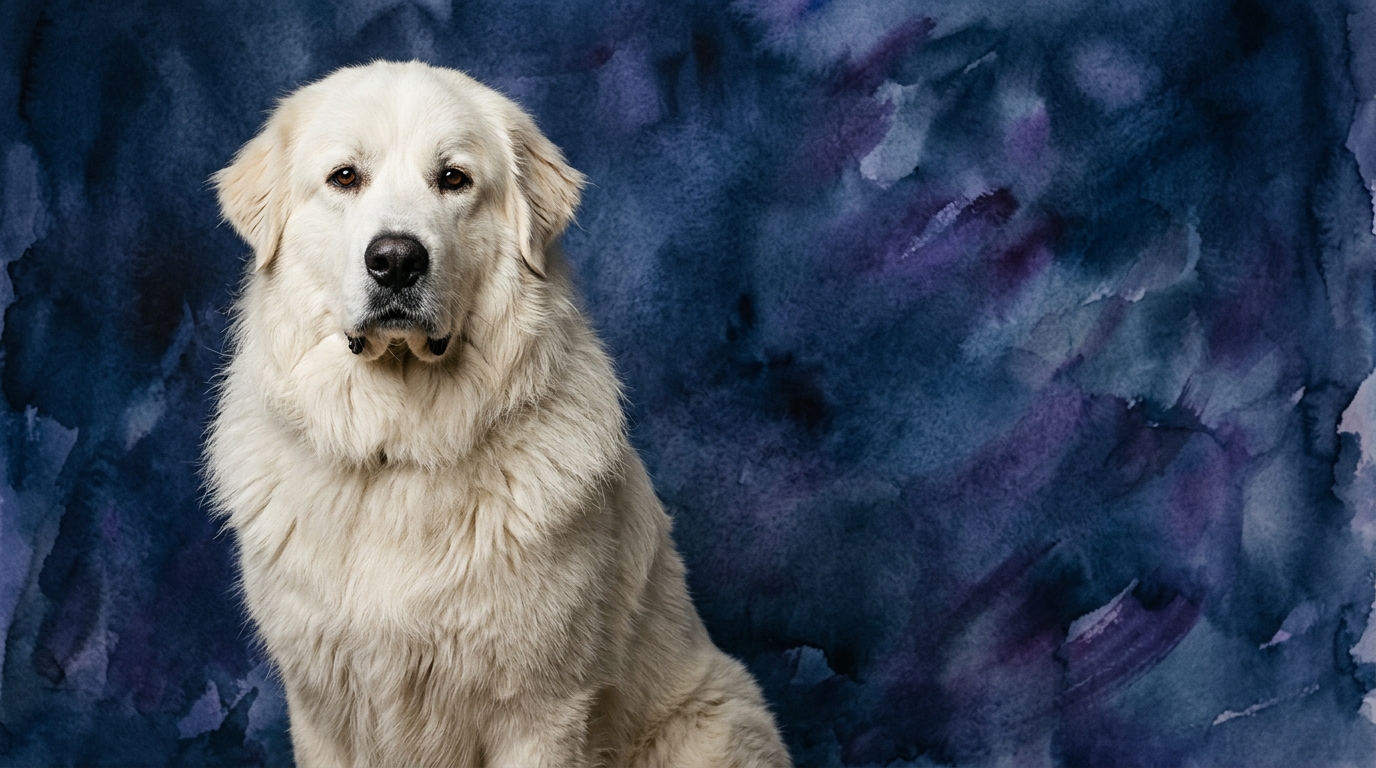
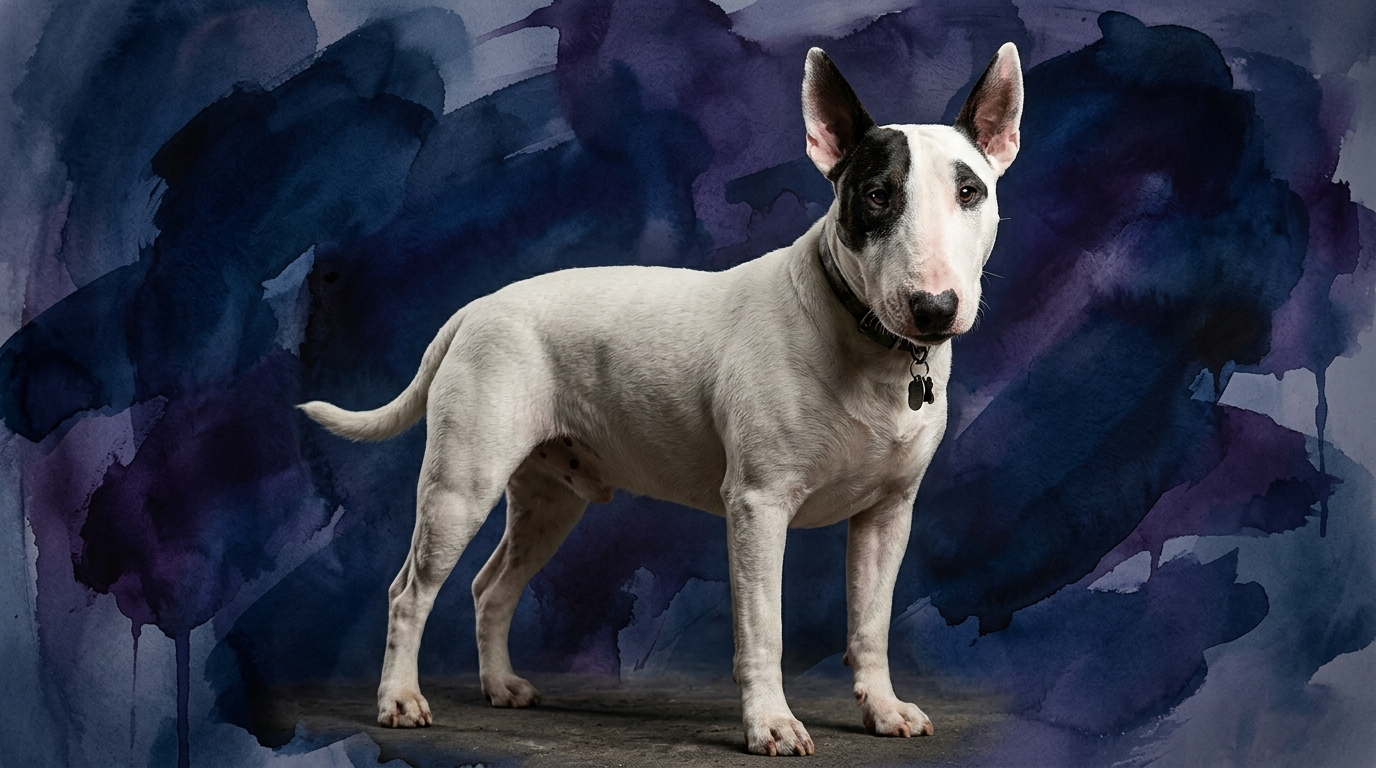
Side-by-side IQ profile
Both the Great Pyrenees and the Bull Terrier register a 3/5 across The Cosmic Pet Pet IQ Lab's five dimensions: Problem Solving, Training Speed, Social Intelligence, Instinctive Drive, and Memory. These identical numerical ratings, however, don't tell the full story of their cognitive styles. Understanding these breeds means looking beyond the scores to the application of their intellectual capacities, which are profoundly influenced by their historical roles and inherent temperaments.
For the Great Pyrenees, a 3/5 in Problem Solving reflects their capacity for independent judgment in complex, dynamic situations, particularly concerning livestock protection. Their 3/5 Training Speed indicates they learn at a steady pace but often require a compelling reason to comply, a trait rooted in their self-reliant guarding heritage. Social Intelligence at 3/5 speaks to their discerning nature, forming deep bonds with their "flock" while remaining wary of strangers. Their Instinctive Drive, also 3/5, is powerfully geared towards vigilance and protection, while a 3/5 Memory allows them to recall extensive territories and the routines of their charges.
The Bull Terrier's 3/5 in Problem Solving manifests as a resourceful and sometimes mischievous approach to challenges, often involving creative ways to achieve their desires or entertain themselves. Their 3/5 Training Speed highlights their ability to learn but also their occasional stubborn streak, requiring engaging and consistent methods. A 3/5 in Social Intelligence denotes a breed that is often quite charming and engaging with familiar people, though sometimes lacking subtlety. Their 3/5 Instinctive Drive is characterized by tenacity, a strong prey drive, and a playful intensity. Finally, their 3/5 Memory aids in recalling learned behaviors, tricks, and interactions, making them adept at remembering routines and cues.
Where Great Pyrenees wins cognitively
The Great Pyrenees excels in cognitive areas directly tied to their millennia-old role as independent livestock guardians. Their paramount strength lies in autonomous decision-making under low human supervision. A Pyrenees' problem-solving isn't about fetching a ball on command, but about assessing a potential threat to their flock—be it a predator or an unfamiliar person—and responding appropriately without waiting for human instruction. This requires a nuanced understanding of their environment, a keen sense of observation, and the ability to act decisively, often at night or in remote conditions.
Their social intelligence, while rated similarly numerically, is uniquely superior in its discerning vigilance and protective bonding. They form profound, quiet attachments to their charges, whether sheep or human family, and exhibit a calm, steady presence that reassures their flock while deterring intruders. This isn't a boisterous social engagement but a deeply ingrained, almost intuitive understanding of their protective duties and the welfare of those under their care, making them unparalleled in their specific field of cognitive application. Their memory is also particularly strong for geographical layouts and the patterns of their territory, crucial for effective patrolling.
Where Bull Terrier wins cognitively
The Bull Terrier shines in cognitive domains that demand adaptability, quick engagement, and a certain spirited ingenuity. Their problem-solving prowess often involves finding innovative, sometimes comical, solutions to satisfy their curiosity or obtain a desired object, demonstrating a resourceful and persistent mind. This can translate into figuring out how to open cabinets, retrieve inaccessible toys, or creatively solicit attention, showcasing a different kind of practical intelligence focused on interaction and immediate gratification.
Their social intelligence, while sometimes boisterous, is superior in its unwavering enthusiasm for human interaction and play. Bull Terriers possess an exceptional ability to engage with their human companions, interpreting moods and cues to initiate games or seek affection. Their instinctive drive, characterized by tenacity and a focused intensity, allows them to excel in activities that require sustained effort and determination, such as agility or scent work, once their interest is piqued. This strong drive, when channeled positively, makes them incredibly focused on tasks they enjoy, outperforming the more deliberate Pyrenees in certain types of active, cooperative learning.
Which is easier to train and why
When evaluating "easier to train," it's crucial to consider the type of training. The Great Pyrenees (Training Speed 3/5) presents challenges due to their inherent independence. Bred to guard autonomously, they often evaluate commands based on their own assessment of the situation, rather than immediate obedience. This means they are not inherently motivated by pleasing their owner in the same way some other breeds are. Training requires immense patience, understanding their motivations, and consistent, positive reinforcement that demonstrates the purpose of a command within their world. They learn, but they learn on their own terms, making traditional obedience a slower process.
The Bull Terrier (Training Speed 3/5) also possesses a formidable will and a streak of stubbornness. However, their strong desire for interaction and play can be powerful motivators. While they might test boundaries and get easily distracted by their high energy and prey drive, an engaging trainer who makes learning fun and rewarding can see quicker responses in obedience or trick training. Their challenge lies in consistency and focus; they might understand a command quickly but choose not to perform it if something more interesting captures their attention. Therefore, neither breed is "easy" in the conventional sense, but the Bull Terrier's drive for engagement can make cooperative learning feel more dynamic, while the Pyrenees demands a deeper philosophical understanding from their trainer.
Which suits active owners vs relaxed owners
For owners seeking a relaxed companion in terms of physical exertion, the Great Pyrenees is often a fitting choice, provided they understand the breed's mental and environmental needs. While not requiring extensive daily runs, a Pyrenees thrives with ample space to patrol, a consistent routine, and mental stimulation focused on their guarding instincts. A relaxed owner for a Pyrenees means someone who appreciates a calm, watchful presence, can manage occasional barking, and provides a secure environment for their independent nature to flourish, rather than expecting a highly active playmate.
Conversely, the Bull Terrier demands an undeniably active owner. This breed possesses significant energy and a robust personality that requires structured outlets. They need consistent physical exercise, such as brisk walks, vigorous play sessions, or participation in dog sports, to prevent boredom and destructive behaviors. Beyond physical activity, a Bull Terrier thrives on mental engagement through training, puzzle toys, and ample human interaction. A relaxed owner would likely find themselves overwhelmed by a Bull Terrier's need for stimulation, whereas an active, engaged owner will find a tireless and enthusiastic partner.
The Verdict
Choose a Great Pyrenees if you seek a majestic, independent guardian for your property or family, value a calm yet vigilant presence, and are prepared to accommodate their unique cognitive style and territorial instincts with ample space and patient understanding.
Opt for a Bull Terrier if you desire an energetic, playful, and fiercely loyal companion who thrives on consistent physical activity, engaging training, and an owner committed to channeling their tenacious spirit positively.
🧠 Find Your Pet's IQ Score
Our Pet IQ Lab assessment covers 25+ tests across 5 cognitive dimensions — personalized to your breed.
Take the Full IQ Test →Frequently Asked Questions
Are Great Pyrenees good family dogs?
Yes, if properly socialized from a young age, Great Pyrenees are typically gentle, patient, and protective of their human "flock," especially children. Their calm demeanor makes them excellent, watchful companions, though their independent nature means they may not always be overtly demonstrative.
Do Bull Terriers get along with other pets?
With early and consistent socialization, Bull Terriers can learn to coexist peacefully with other pets. However, their strong prey drive and potential for same-sex aggression mean careful introductions, consistent supervision, and ongoing training are crucial for a harmonious multi-pet household.
What is the biggest challenge in owning a Great Pyrenees?
The primary challenge often stems from their strong, innate guarding instincts, which can lead to persistent barking, especially at night, and a tendency towards independent decision-making that can make them appear stubborn during training. Managing these behaviors requires patience, understanding, and consistent, gentle guidance rather than force.