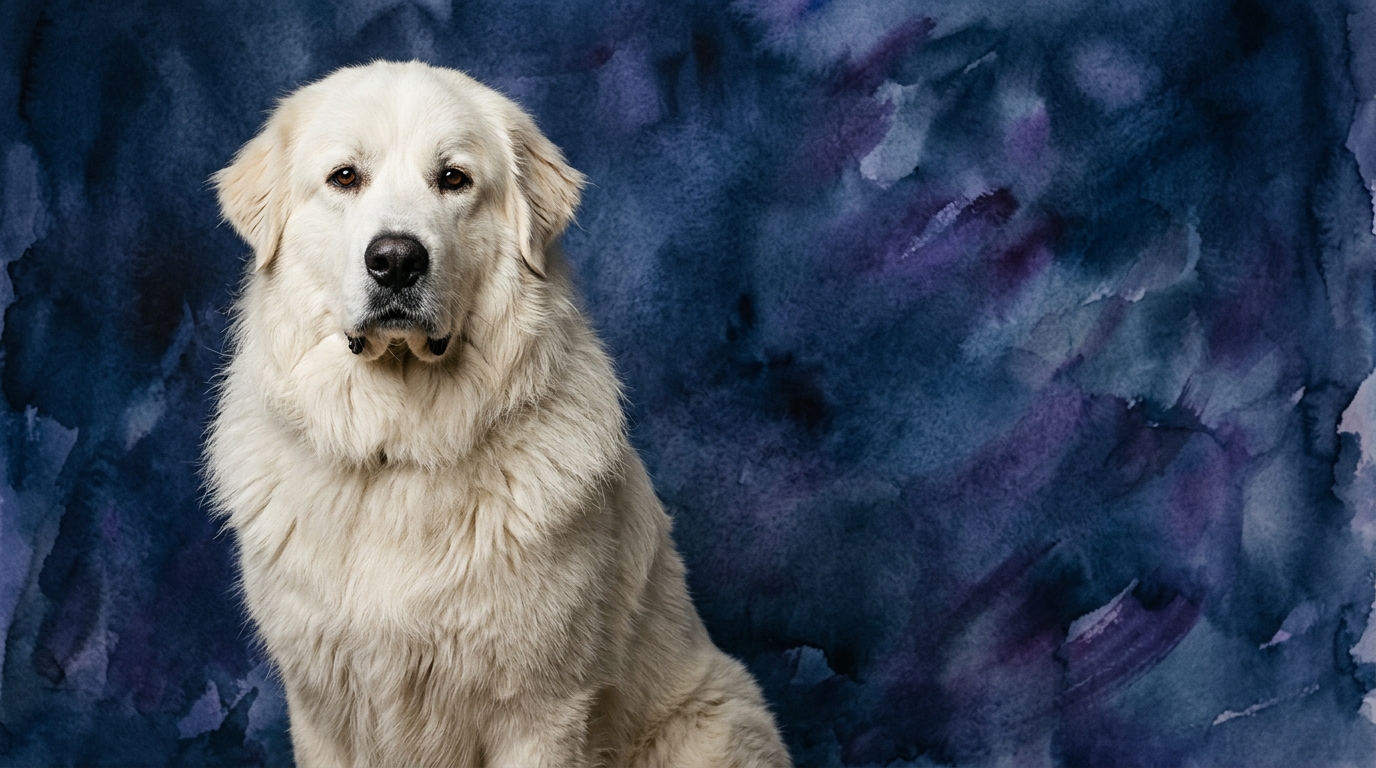
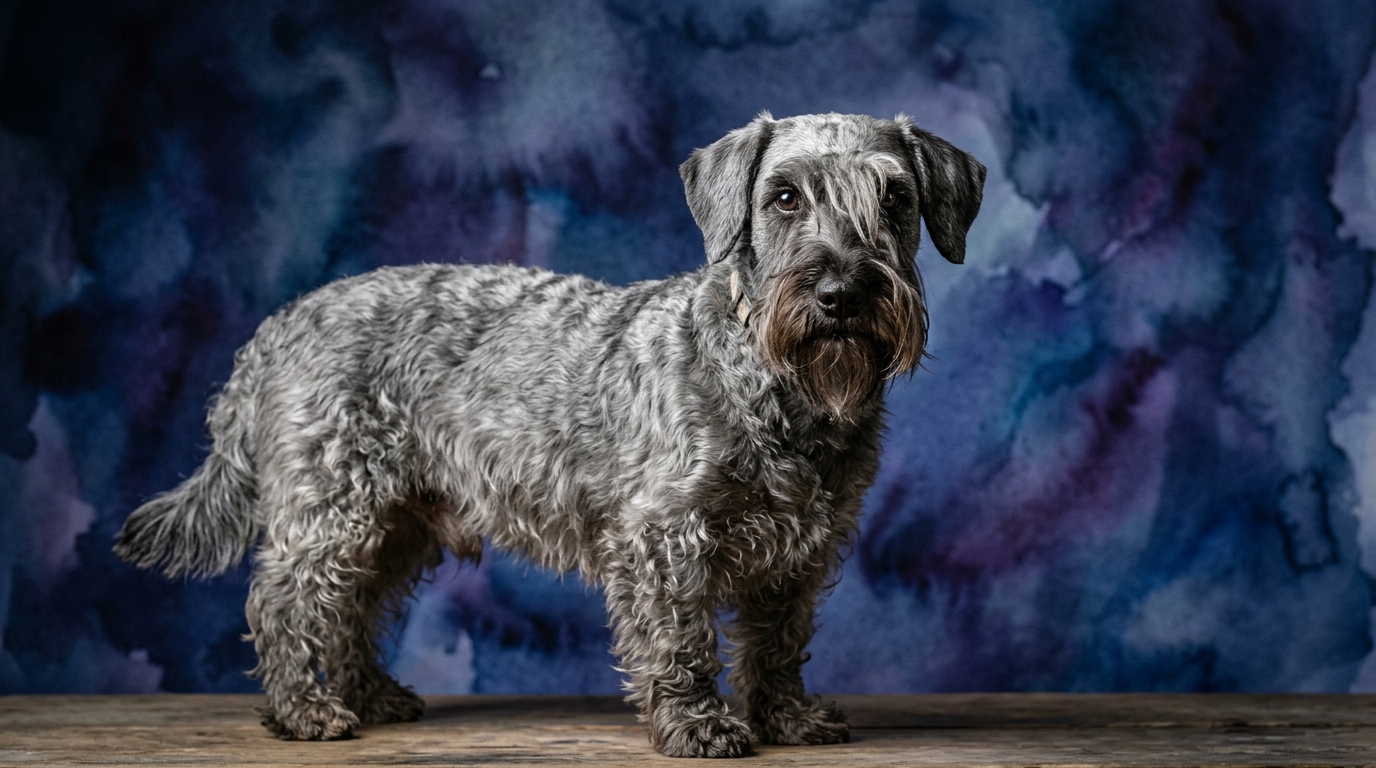
Side-by-Side Cognitive Profile: Great Pyrenees vs. Cesky Terrier
At The Cosmic Pet Pet IQ Lab, we evaluate canine cognition across five key dimensions. While both the Great Pyrenees and the Cesky Terrier score a 3/5 across the board in our standardized metrics, understanding the nuances of how these scores manifest within each breed's unique temperament and history is crucial.
The Great Pyrenees, a majestic Working dog Coren-ranked at #64, applies its problem-solving capacity (3/5) primarily to its role as a protector. This involves assessing environmental threats and devising strategies to deter them, such as positioning itself strategically or using its imposing presence. Their training speed (3/5) is moderate, but their independent nature often leads them to weigh commands against their own judgment of the situation, a trait honed by centuries of solitary guardianship. Social intelligence (3/5) is deeply attuned to their family or flock, making them astute at reading intentions within their inner circle, though they can be reserved with strangers. Their instinctive drive (3/5) is overwhelmingly centered on guarding and territorial defense, manifesting as vigilance rather than chase. Memory (3/5) is solid, particularly for routines, people, and places associated with their territory, aiding their long-term effectiveness as guardians.
The Cesky Terrier, a sturdy member of the Terrier group and not Coren-ranked, showcases its problem-solving skills (3/5) in tasks requiring ingenuity and persistence, such as navigating tight spaces or figuring out how to reach a burrow. They are clever at overcoming physical obstacles related to exploration or 'hunting' for hidden items. Training speed (3/5) is moderate; they learn well when engaged, but their terrier heritage means they can be independent and occasionally stubborn, requiring varied and stimulating methods. Social intelligence (3/5) allows them to form strong family bonds and adapt well to various social situations, often seeking to be involved in family activities. Their instinctive drive (3/5) is rooted in their working past, involving a strong prey drive, a desire to dig, and an inclination to explore small vermin. Memory (3/5) is good for commands, routines, and favored locations, contributing to their adaptability and ability to learn complex sequences.
Where the Great Pyrenees Wins Cognitively
The Great Pyrenees' cognitive strengths shine brightest in scenarios demanding independent judgment and proactive defense of a charge. Their problem-solving isn't about complex puzzles but about assessing environmental threats and formulating a protective response, often without direct human command. This manifests as an innate ability to distinguish between harmless wildlife and genuine danger, or to position themselves strategically to deter intruders, showcasing a profound situational awareness.
Their social intelligence, while perhaps reserved with strangers, is exceptionally tuned to the nuances of their family unit or flock. This allows them to anticipate needs or perceived threats to their dependents with remarkable precision, often acting on subtle cues before a human might even notice. This deep, protective social understanding, combined with their memory for routines and territory, makes them unparalleled in their specific niche of autonomous guardianship, a cognitive domain where few breeds can compete.
Where the Cesky Terrier Wins Cognitively
The Cesky Terrier, in contrast, showcases its cognitive advantages in tasks requiring tenacious focus, agility, and a certain cleverness in navigating physical challenges. Their problem-solving often involves figuring out how to access tight spaces, unearth hidden objects, or outmaneuver small prey, directly reflecting their earth-dog heritage. This requires a specific type of spatial reasoning and persistent application of effort.
This breed's instinctive drive for exploration and pursuit, combined with its moderate training speed, means it excels in activities that engage its senses and require persistent effort to achieve a goal. Their social intelligence, while perhaps less about solitary guardianship, allows them to integrate smoothly into active family dynamics, often initiating play or seeking interaction with a playful, yet determined, spirit, making them adept at engaging in interactive challenges with their human companions.
Which is Easier to Train and Why
When evaluating ease of training, the Great Pyrenees and Cesky Terrier present distinct challenges and rewards. The Great Pyrenees, with its Coren rank of #64, learns commands at a moderate pace (3/5 training speed), but its independent nature is a significant factor. Bred to make decisions without human intervention while guarding livestock, a Pyrenees might understand a command perfectly but choose not to execute it if it conflicts with their perceived duties or simply seems unnecessary to them. This isn't a lack of comprehension, but a strong will and an internal logic system that values self-reliance, meaning training often requires immense patience, consistency, and a deep understanding of their guardian instincts.
The Cesky Terrier, while not Coren-ranked, also exhibits a moderate training speed (3/5) and can be quite receptive to learning. However, their terrier heritage imbues them with a tenacious and sometimes stubborn streak, coupled with a strong prey drive. They learn quickly when motivated by engaging activities, treats, or toys, but can become easily distracted if their environment offers more interesting stimuli, such as a scent trail or a rustling leaf. Their eagerness to please is often balanced by their independent spirit and a desire to follow their own instincts, particularly when it comes to digging or chasing. Training a Cesky benefits from variety, short sessions, and making the learning process feel like a fun game to keep their sharp minds engaged and prevent boredom-induced mischief. Neither breed is inherently 'easy' in the traditional sense of a highly biddable working dog; rather, they demand different approaches to harness their unique cognitive profiles, with the Cesky generally being more overtly engaged in structured learning if properly motivated.
Which Suits Active Owners vs. Relaxed Owners
The Great Pyrenees generally suits a more relaxed owner, though 'relaxed' in this context refers to a person who appreciates a calm, watchful presence rather than a constant companion for high-octane activities. While they require regular, moderate exercise to maintain health, their energy levels are typically lower than many working breeds. Their primary 'activity' often involves patrolling their territory, which they do with a deliberate, steady pace. Owners who enjoy quiet companionship, long, unhurried walks, and have ample space for their dog to survey their domain will find a Pyrenees a fitting match. They thrive in environments where they can fulfill their guardian instincts, making them ideal for homes with large yards, rural settings, or those seeking a steadfast, independent protector.
The Cesky Terrier, conversely, aligns better with active owners who can provide consistent mental and physical stimulation. Their terrier instincts demand outlets for digging, chasing, and exploration. While they are adaptable to apartment living if adequately exercised, they are not content to simply lounge all day. Owners who enjoy engaging in dog sports like earthdog trials, obedience, agility, or simply long, varied walks with plenty of sniffing opportunities will find the Cesky a willing and enthusiastic partner. Their social intelligence and moderate training speed mean they enjoy being involved in family activities and appreciate owners who can provide structure, training, and playful interaction to channel their spirited energy. The 'activity' for a Cesky is more about interactive engagement and purposeful tasks, fitting well with a more hands-on and dynamic lifestyle.
The Verdict
Choose a Great Pyrenees if you seek an independent, steadfast guardian who excels at autonomous protection and offers calm, watchful companionship, thriving in spacious environments where their territorial instincts can be fulfilled.
Opt for a Cesky Terrier if you desire a tenacious, clever companion who thrives on mental and physical engagement, appreciating an owner who can provide consistent training, varied activities, and opportunities to satisfy their innate terrier drives.
🧠 Find Your Pet's IQ Score
Our Pet IQ Lab assessment covers 25+ tests across 5 cognitive dimensions — personalized to your breed.
Take the Full IQ Test →Frequently Asked Questions
Are Great Pyrenees good family dogs?
Great Pyrenees are often excellent family dogs, forming deep, protective bonds with their human family, including children. Their social intelligence is keenly tuned to their inner circle, making them gentle giants with those they consider their own. However, their size and independent nature mean early socialization and consistent, gentle training are essential for a harmonious household.
Do Cesky Terriers bark a lot?
Cesky Terriers can be prone to barking, a trait common among terriers, especially when they are bored, perceive a threat, or are alerting their owners to something interesting. Their instinctive drive to vocalize can be managed with consistent training and by providing sufficient mental and physical stimulation to prevent excessive barking.
How much exercise does a Great Pyrenees need?
A Great Pyrenees requires moderate exercise, typically consisting of one or two leisurely walks daily, totaling 30-60 minutes, along with access to a secure yard for patrolling. While not a high-energy breed for intense activities, regular movement is important for their joint health and overall well-being, but they are not suited for strenuous, prolonged exertion.