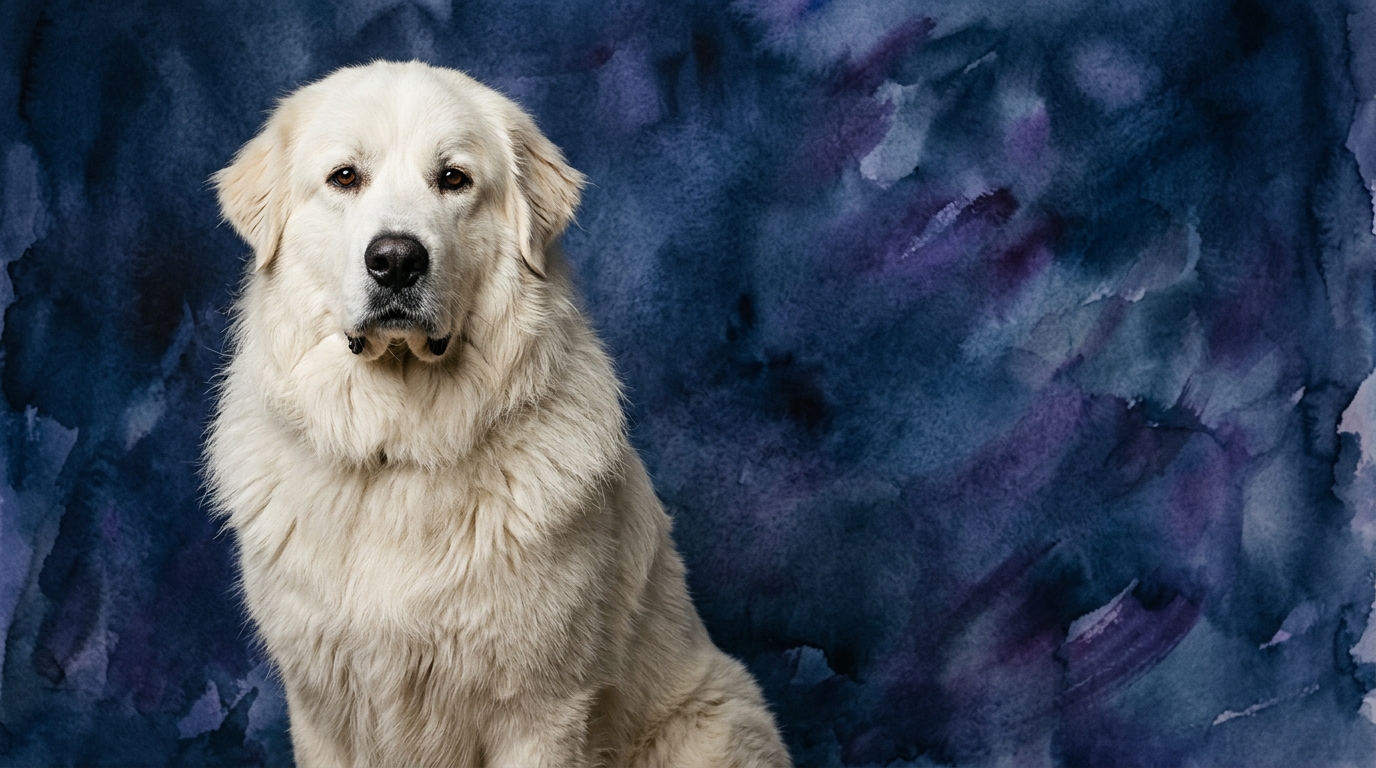
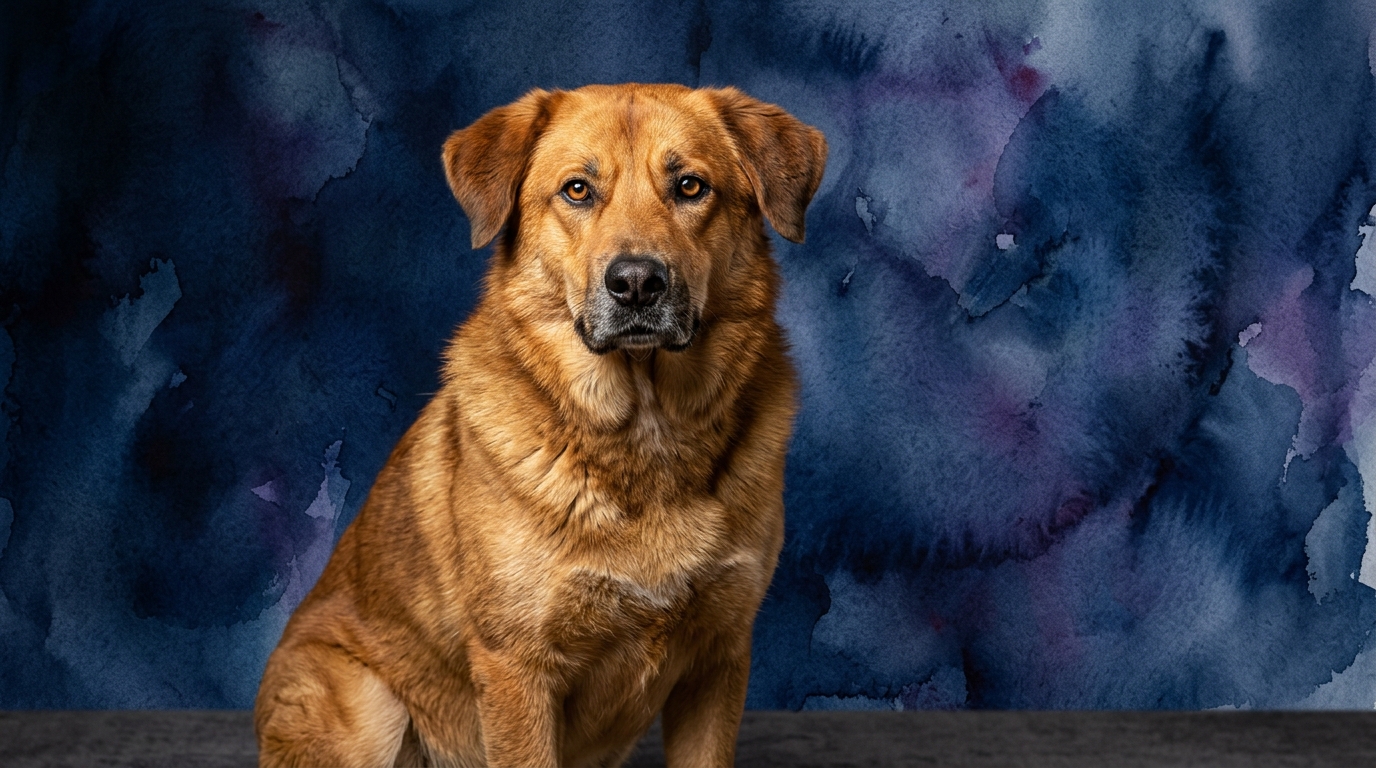
Side-by-Side IQ Profile: Great Pyrenees vs. Chinook
The Cosmic Pet Pet IQ Lab evaluates canine cognition across five crucial dimensions, offering a granular view into how different breeds perceive and interact with their world. For both the Great Pyrenees and the Chinook, each dimension scores a consistent 3 out of 5, indicating a moderate, capable intellect that is neither exceptionally high nor low in any single area. However, the *application* of these scores differs profoundly based on their evolutionary roles.
For the **Great Pyrenees**, a Coren-ranked #64 working breed, their 3/5 in **Problem Solving** reflects an aptitude for independent, practical solutions, particularly concerning territory management and threat assessment within their domain. A 3/5 **Training Speed** suggests a steady learning pace, though often tempered by an inherent self-reliance. Their **Social Intelligence** at 3/5 indicates a discerning nature, capable of understanding family dynamics but often reserved with strangers, prioritizing their 'flock.' The 3/5 **Instinctive Drive** is powerfully oriented towards guardianship and vigilance, an internal compass guiding their protective duties. Finally, their 3/5 **Memory** allows them to retain crucial information about their environment, routines, and perceived threats, vital for consistent oversight.
The **Chinook**, while not Coren-ranked, also scores 3/5 across the board, but with a different emphasis. Their 3/5 in **Problem Solving** typically manifests as collaborative effort, finding solutions to tasks alongside their human partners, like navigating complex trails. A 3/5 **Training Speed** signifies a good capacity for learning, often driven by an eagerness to please and engage. Their **Social Intelligence** at 3/5 points to an adaptable and companion-oriented nature, readily attuned to human moods and keen on participation. The 3/5 **Instinctive Drive** is characterized by a strong desire for companionship, pulling, and outdoor activity, thriving on purpose and shared ventures. Their 3/5 **Memory** supports their cooperative learning, allowing them to recall training cues, routes, and positive interactions, reinforcing their bonds and task consistency.
Where the Great Pyrenees Wins Cognitively
The Great Pyrenees' cognitive strengths shine brightest in scenarios demanding independent judgment and steadfast vigilance, particularly concerning territory and family protection. Their problem-solving (3/5) is uniquely geared towards assessing and neutralizing perceived threats without direct human command. A Pyrenees excels at autonomously determining the optimal position to survey their domain, evaluating whether a distant noise warrants a warning bark or quiet observation, and making nuanced decisions about when to intervene to protect their charges. This isn't about solving abstract puzzles, but about practical, real-time risk assessment and mitigation, a trait honed over centuries of livestock guardianship. Their instinctive drive (3/5) is a direct manifestation of this, providing an unwavering internal compass for protective duties, allowing them to make critical decisions even when humans are absent, a cognitive advantage in their specialized role.
Where the Chinook Wins Cognitively
The Chinook's cognitive advantages are most apparent in their capacity for cooperative engagement and adaptable learning, particularly in dynamic, task-oriented environments. Their problem-solving (3/5) often manifests as a collaborative effort, such as figuring out how to navigate a tricky trail section while pulling a sled or understanding complex multi-step commands during agility training. Unlike the Pyrenees' independent vigilance, the Chinook's intellect thrives on working *with* a human partner to achieve a shared goal. Their social intelligence (3/5) is geared towards reading human cues and adapting their behavior accordingly, making them highly responsive to direction and eager to participate in activities. This cooperative drive, combined with their memory (3/5) for learned tasks and routes, allows them to excel in pursuits requiring consistent partnership and adaptability to varied situations, from sledding to therapy work.
Which is Easier to Train and Why
When considering ease of training, the Chinook generally presents a more straightforward path for the average owner compared to the Great Pyrenees. The Chinook's training speed (3/5) is coupled with a strong desire to please and a high social intelligence (3/5), meaning they are often keen to engage with their handler and respond positively to direction. Their instinctive drive (3/5) is oriented towards companionship and activity, making them naturally inclined to cooperative tasks like pulling, hiking, or learning new commands for engagement. They respond well to positive reinforcement, seeing training as a shared activity that strengthens their bond with their human.
Conversely, the Great Pyrenees, while possessing the same training speed (3/5) score, often approaches learning with a distinct independence. Their centuries-honed role as autonomous livestock guardians means they are wired to make their own decisions. A Pyrenees will learn commands, but their compliance is often contingent on whether they perceive the command as logical or necessary within their own framework of duties. Their social intelligence (3/5) is more about observing and protecting their flock than eagerly seeking human direction for tasks. This can translate into a perception of stubbornness; however, it is more accurately described as a deep-seated self-reliance. Training a Pyrenees requires immense patience, consistency, and a deep understanding of their guardian mindset, often needing owners to demonstrate why a command is beneficial or aligns with their protective instincts, rather than just expecting blind obedience.
Which Suits Active Owners vs. Relaxed Owners
For owners seeking a highly active companion for adventures and structured activities, the Chinook is the clear choice. Their instinctive drive (3/5) for companionship and physical engagement means they thrive on regular exercise, hiking, sledding, or other canine sports. They are happiest when involved in family activities, offering a steady, energetic presence that matches an active lifestyle. Their cooperative nature makes them excellent partners for long treks or new skill acquisition.
In contrast, the Great Pyrenees suits a more relaxed owner in terms of high-intensity physical activity, but one who appreciates a mentally vigilant and independent companion. While they need regular, moderate exercise to stay healthy, their primary 'work' is often observation and guardianship, which is less about sprinting and more about patrolling and assessing. They are content with a secure yard to survey and a calm home environment, making them suitable for owners who enjoy a quiet, watchful presence rather than a constant demand for high-octane engagement. However, 'relaxed' does not mean 'hands-off'; a Pyrenees still requires consistent training, socialization, and an understanding of their deep-seated guardian instincts.
The Verdict
Choose a Great Pyrenees if you seek an independent, steadfast guardian who thrives on observation and protection, valuing a calm, vigilant presence and possessing the patience to work with a self-reliant mind.
Choose a Chinook if you desire an eager, cooperative, and physically active companion who excels in shared adventures and tasks, ready to engage as a devoted partner in an energetic lifestyle.
🧠 Find Your Pet's IQ Score
Our Pet IQ Lab assessment covers 25+ tests across 5 cognitive dimensions — personalized to your breed.
Take the Full IQ Test →Frequently Asked Questions
Are Great Pyrenees difficult to train?
Great Pyrenees are not 'difficult' in the sense of lacking capacity, but their training requires patience due to their independent nature. They learn at a steady pace (3/5 training speed) but may question commands that don't align with their strong guardian instincts, requiring an owner to be consistent and understanding of their self-reliant mindset.
Do Chinooks need a lot of exercise?
Chinooks have a moderate instinctive drive (3/5) for activity and companionship, meaning they thrive on regular, engaging exercise. They are not extreme athletes but need daily walks, hikes, or opportunities for play to keep them physically and mentally content, making them well-suited for active families.
Which breed is better with children?
Both breeds can be good with children, but their approaches differ. Great Pyrenees are often gentle and patient guardians with their 'flock' (family children), while Chinooks are typically friendly, playful, and eager to participate in family activities, often forming strong bonds with children as part of their social pack.