Side-by-Side Cognitive Profiles
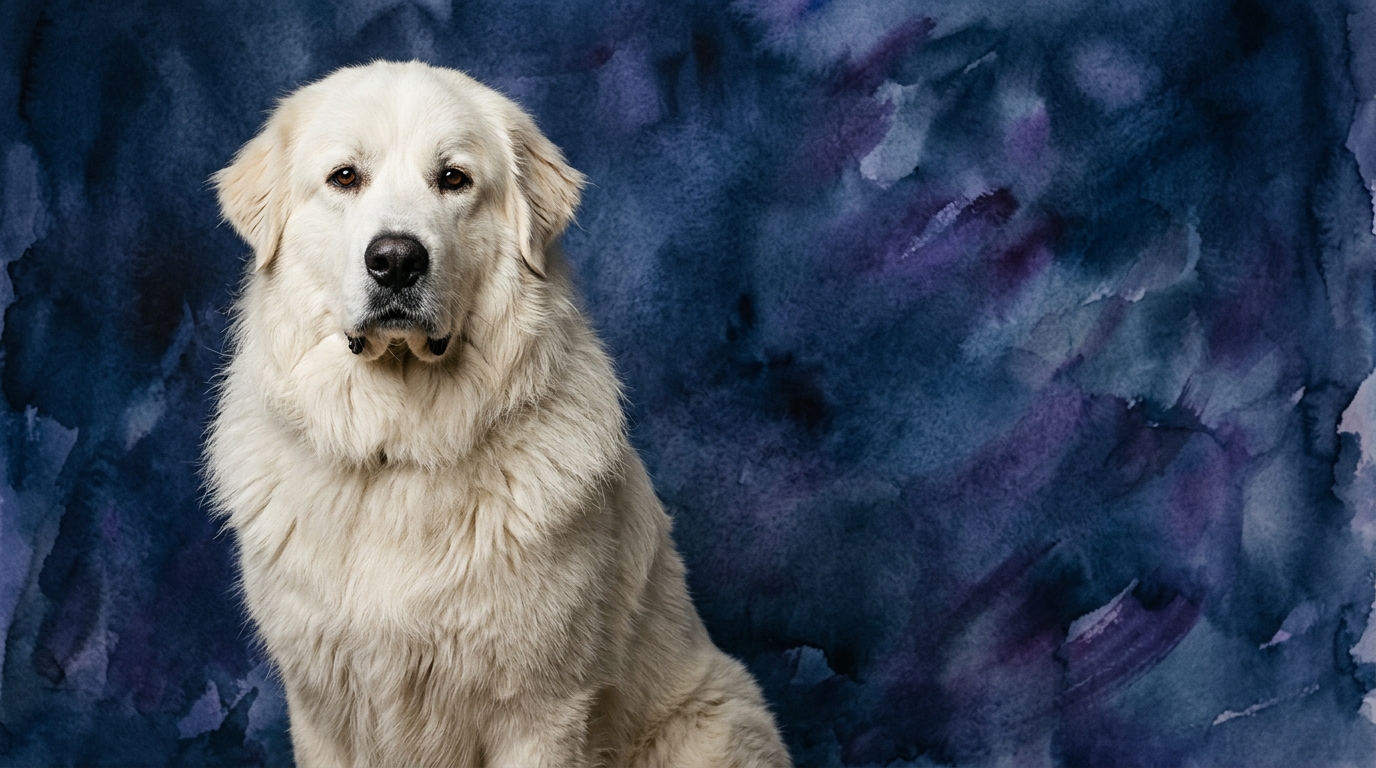
At The Cosmic Pet Pet IQ Lab, we evaluate canine cognition across five key dimensions, offering a nuanced understanding beyond simple rankings. The Great Pyrenees, ranked #64 by Coren for working and obedience intelligence, displays a unique set of cognitive strengths tailored to its historical role. Its problem-solving ability (3/5) is less about rapid task completion and more about autonomous environmental assessment and protective strategy, often manifesting in evaluating perceived threats and deciding on a course of action independently. Training speed (3/5) for the Pyrenees reflects their self-reliant nature; they learn but often choose compliance based on their own judgment, requiring patient, consistent guidance. Social intelligence (3/5) in a Pyrenees is about discerning intentions within their trusted circle, responding with appropriate guardianship or calm reassurance. Their instinctive drive (3/5) is profoundly rooted in livestock protection, focusing on vigilance, territorial defense, and a deep sense of responsibility. Memory (3/5) for this breed is solid for routines, boundaries, and individuals, contributing to their reliable, long-term guardianship.
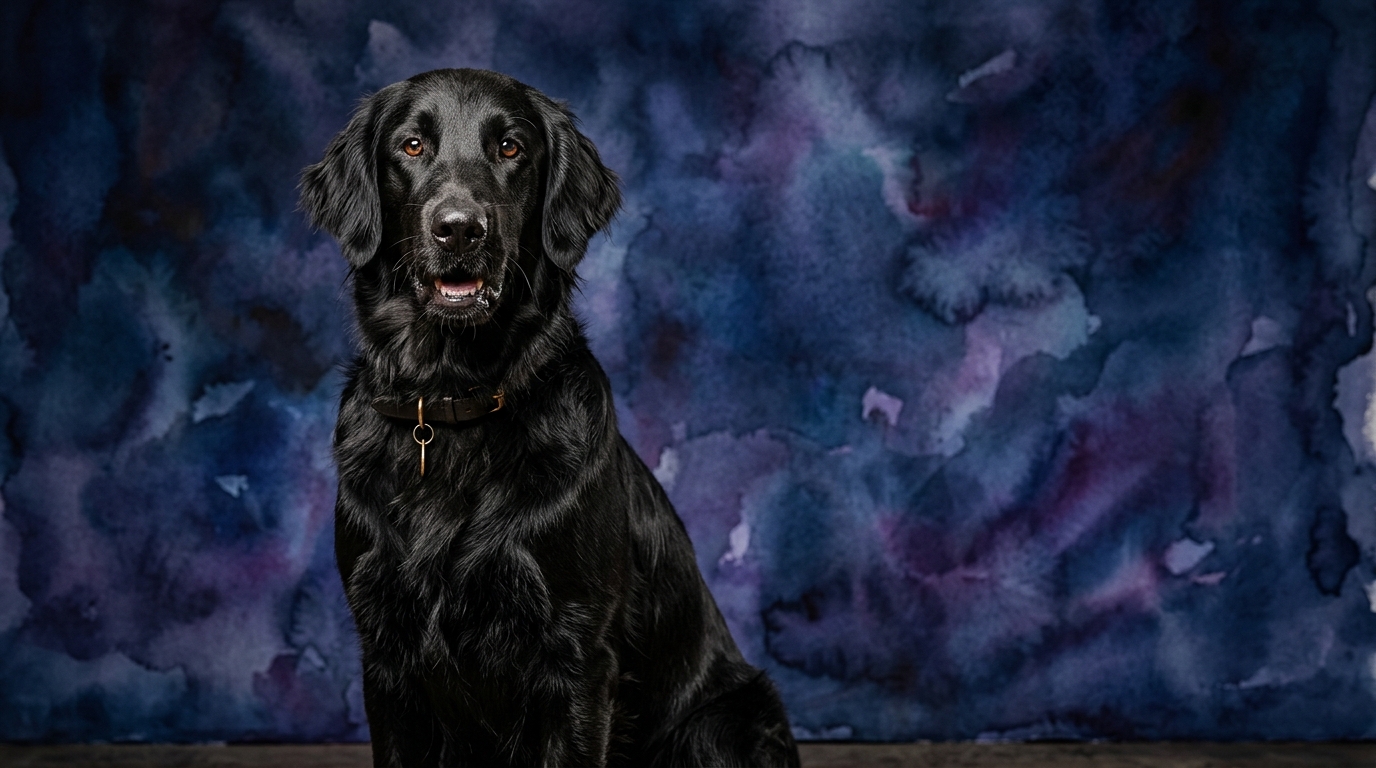
In contrast, the Flat-Coated Retriever, holding a Coren rank of #17, exhibits a cognitive profile geared towards collaborative engagement and rapid learning. Their problem-solving capacity (4/5) is higher, often seen in their ability to navigate complex situations to achieve a goal, particularly when it involves interaction or a reward, demonstrating a flexible approach to challenges. Training speed (4/5) is notably quicker, driven by an inherent eagerness to please and a high motivation for positive reinforcement. Social intelligence (3/5) in the Flat-Coat is warm and expressive, skilled at reading human moods and responding with cheerful affection, though their exuberance can sometimes be prominent. Their instinctive drive (3/5) is centered on their retrieving heritage, displaying a strong urge to carry, fetch, and engage in outdoor activities with tireless energy. The Flat-Coated Retriever's memory (5/5) is a standout trait, enabling them to recall a vast array of commands, routines, and past experiences with remarkable precision, which significantly aids in complex training and reliable task performance.
Where the Great Pyrenees Excels Cognitively
The Great Pyrenees truly excels in areas demanding independent judgment and a profound sense of responsibility. Their cognitive strength lies in their ability to autonomously assess situations and make decisions without constant human direction, a trait honed over centuries of livestock guarding. This manifests as superior situational awareness in dynamic environments, where they must identify potential threats, differentiate between harmless wildlife from genuine danger, and formulate a response based on their own evaluation. Unlike breeds that might wait for a command, a Pyrenees will often preemptively act to protect their perceived charges, demonstrating a sophisticated internal compass for threat assessment and boundary enforcement. Their deliberate approach to problem-solving, while slower in terms of human-initiated tasks, is highly effective for their original purpose, prioritizing vigilance and protective strategy over rapid obedience.
Where the Flat-Coated Retriever Excels Cognitively
Conversely, the Flat-Coated Retriever shines in areas requiring rapid learning, exceptional recall, and collaborative problem-solving. Their standout memory (5/5) allows them to retain complex sequences of commands and retrieve items from diverse locations with impressive accuracy, making them highly effective in field work and advanced obedience. This breed's problem-solving skills (4/5) are geared towards overcoming obstacles to achieve a goal, often involving human interaction or a tangible reward, showcasing a flexible cognitive approach to novel challenges. Their eager-to-please temperament translates into a quicker training speed (4/5), as they are highly motivated to engage and learn from their human partners. This combination of memory, collaborative problem-solving, and rapid learning makes them exceptionally adaptable to structured training environments and complex tasks that demand consistent, precise execution.
Training Dynamics: Pyrenees vs. Flat-Coat
When considering ease of training, the Flat-Coated Retriever generally presents a more straightforward path. Their higher training speed (4/5) and innate desire to work collaboratively mean they grasp new concepts and commands with fewer repetitions. This is bolstered by their social intelligence (3/5), which fuels their eagerness for positive human interaction and makes them responsive to praise and rewards. A Flat-Coat is typically motivated by the partnership itself, readily seeking to understand and fulfill expectations. In contrast, the Great Pyrenees, with a training speed of 3/5, requires a different approach. Their historical role demanded independence, not strict obedience to human commands. They learn, but often choose when and if to comply based on their own assessment of the situation. Training a Pyrenees involves convincing them that cooperation aligns with their own best interests or their protective duties, rather than simply following a directive. This distinct behavioral difference means a Flat-Coat often appears to 'want' to be trained, while a Pyrenees needs to be persuaded of the 'why' behind the training.
Matching Breeds to Owner Lifestyles
For owners with an active lifestyle, the Flat-Coated Retriever is an ideal match. Their strong instinctive drive (3/5) for retrieving, coupled with boundless energy and a need for mental engagement, means they thrive on regular exercise, dog sports, and structured activities. They are companions for long hikes, runs, and engaging play sessions, requiring consistent outlets for their physical and cognitive vigor. A Flat-Coat who doesn't receive sufficient stimulation can become bored and potentially mischievous. Conversely, the Great Pyrenees aligns more with relaxed owners who appreciate a calm, watchful presence. While they require regular, moderate exercise to maintain health, their instinctive drive (3/5) is geared towards observation and guarding rather than high-intensity, continuous activity. They are content patrolling their territory, napping, and being present with their family. Their cognitive strengths are best utilized in an environment where they can exercise their judgment and protective instincts rather than being constantly challenged with novel tasks, making them suitable for a more serene household.
The Verdict
Choose a Great Pyrenees if you seek an independent, thoughtful guardian with a profound sense of responsibility, valuing their calm, watchful presence and self-reliant judgment over rapid obedience.
Opt for a Flat-Coated Retriever if you desire an energetic, highly trainable companion eager for collaborative tasks, excelling in rapid learning, impressive memory, and consistent engagement.
🧠 Find Your Pet's IQ Score
Our Pet IQ Lab assessment covers 25+ tests across 5 cognitive dimensions — personalized to your breed.
Take the Full IQ Test →Frequently Asked Questions
Are Great Pyrenees difficult to train?
Great Pyrenees are not necessarily difficult, but they are independent thinkers. Training requires patience, consistency, and an understanding of their guardian instincts. They respond best to positive reinforcement and a clear 'why' for commands.
Do Flat-Coated Retrievers require a lot of mental stimulation?
Yes, Flat-Coated Retrievers thrive on mental challenges and engagement. Their high problem-solving ability and memory mean they benefit from puzzle toys, advanced training, and varied activities to keep their minds active and prevent boredom.
Which breed is better with children?
Both breeds can be excellent with children, but in different ways. Great Pyrenees are often patient and protective, while Flat-Coated Retrievers are typically playful and enthusiastic. Supervision is always key, and early socialization is crucial for both to ensure positive interactions.