Side-by-Side Cognitive Profiles
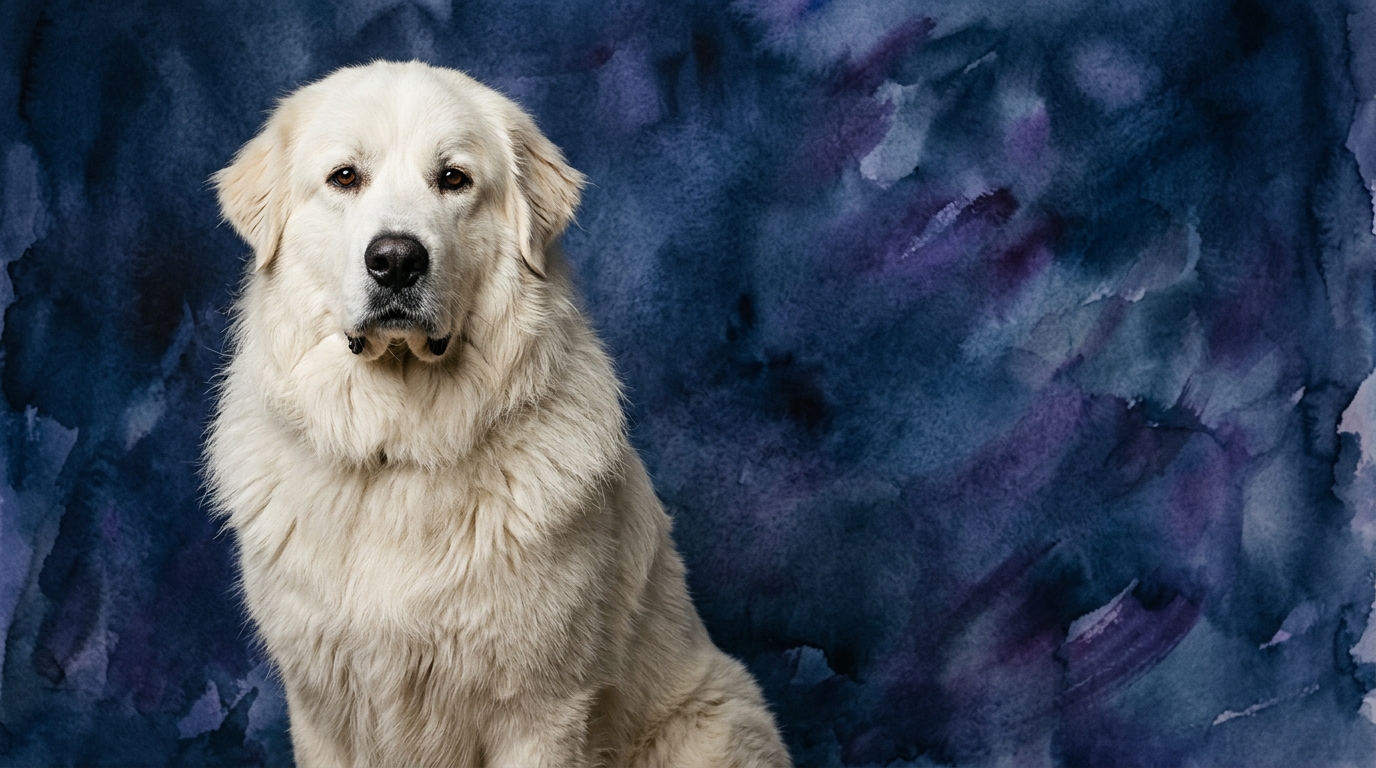
At The Cosmic Pet Pet IQ Lab, we evaluate canine intelligence across five key dimensions, providing a granular view beyond general perceptions. The Great Pyrenees, a working breed with a Coren rank of #64, demonstrates a distinct cognitive makeup shaped by its historical role. Its Problem Solving is rated 3/5, indicating an aptitude for independent, situational judgment, especially concerning its territory or charges. Training Speed is 3/5, suggesting a need for consistent, patient instruction, as they often ponder the purpose of a command before compliance. Social Intelligence stands at 3/5, reflecting strong, loyal bonds with their trusted circle, yet a reserved demeanor with strangers. Instinctive Drive is 3/5, manifesting in their inherent guardian behaviors and territorial awareness. Finally, Memory is 3/5, allowing them to retain routines, recognize individuals, and recall past events pertinent to their domain.
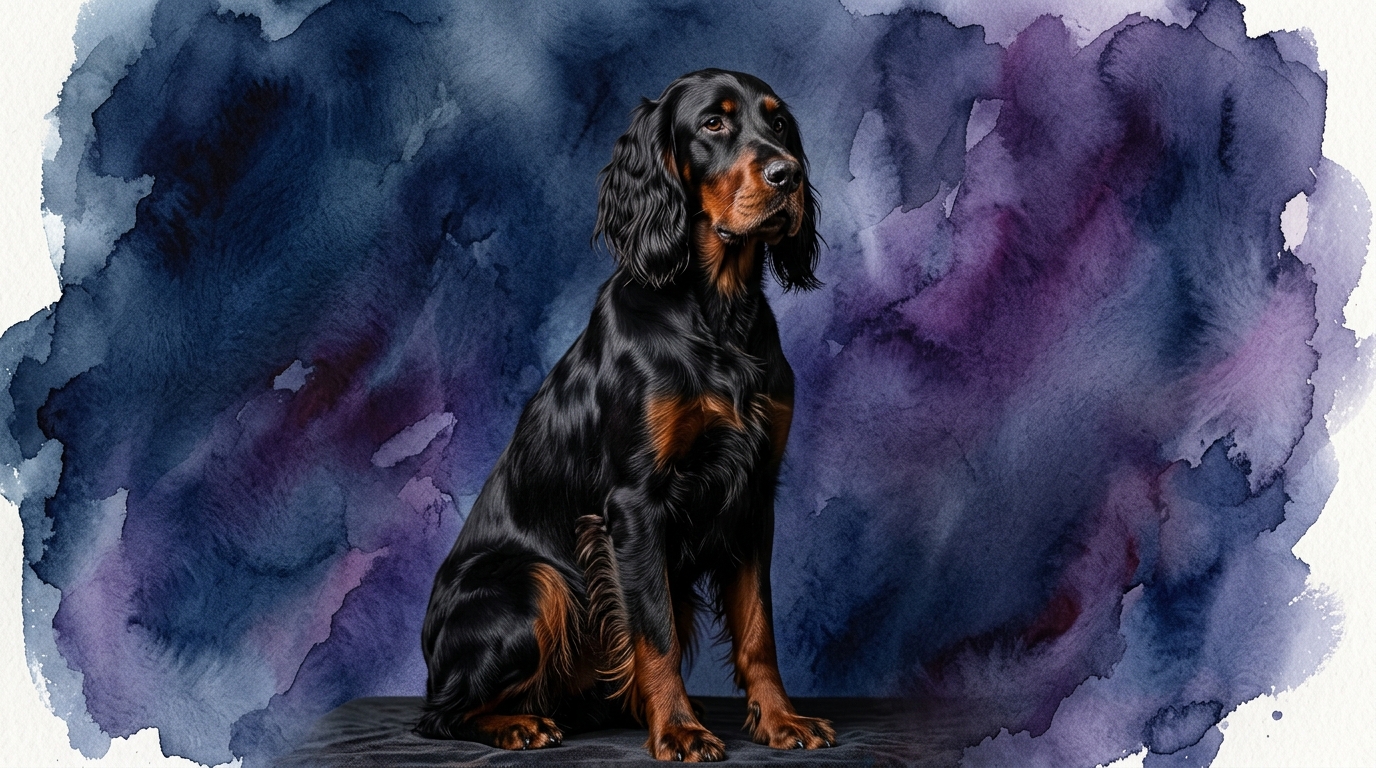
In contrast, the Gordon Setter, a sporting breed with a more favorable Coren rank of #39, exhibits a cognitive profile geared towards collaborative work and active engagement. Its Problem Solving capacity is rated 4/5, showcasing resourcefulness in navigating complex environments and tasks, particularly in field work. Training Speed is 4/5, indicating a quicker grasp of commands and a general enthusiasm for learning new tasks alongside a handler. Social Intelligence matches the Pyrenees at 3/5, signifying a responsive and affectionate nature within their family, though they can possess a strong-willed streak. Instinctive Drive is also 3/5, evident in their keen scenting abilities and drive to locate and retrieve game. Their Memory, however, is rated higher at 4/5, suggesting a superior ability to recall complex sequences, scent trails, and learned behaviors over time.
Where the Great Pyrenees Shows Cognitive Strengths
The Great Pyrenees' cognitive strengths are intrinsically linked to its millennia-old purpose as a livestock guardian. While its Problem Solving score of 3/5 might seem moderate, it represents a profound capacity for autonomous decision-making without constant human direction. This isn't about solving abstract puzzles, but rather about independently assessing threats, discerning friend from foe, and acting decisively to protect its flock or family. For instance, a Pyrenees might strategically position itself to observe a perimeter, or make a calculated judgment about whether a distant sound warrants investigation, all without being prompted. This self-reliance is a unique form of cognitive proficiency, prioritizing vigilant observation and independent action over immediate obedience to human commands.
Furthermore, their 3/5 Social Intelligence, though appearing average, is specifically tuned for discerning subtle cues within their social group and evaluating intentions of outsiders. They form deep, protective bonds, understanding their role within the family unit and demonstrating an unwavering loyalty that translates into proactive guardianship. This isn't about being overtly gregarious, but rather about a deep understanding of their primary social responsibilities. Their Memory score of 3/5 ensures they recall who belongs and who doesn't, remembering the nuances of their environment and the routines of their charges, reinforcing their effectiveness as a sentinel.
Where the Gordon Setter Demonstrates Cognitive Proficiency
The Gordon Setter's cognitive proficiency shines brightly in its capacity for cooperative work and rapid learning, largely due to its sporting heritage. With a Problem Solving score of 4/5, they exhibit a notable aptitude for figuring out how to achieve a goal, whether it’s locating a hidden retrieve or navigating challenging terrain during a hunt. This isn't just about following instructions; it's about applying learned skills creatively to novel situations, often in collaboration with a handler. Their superior Memory (4/5) plays a crucial role here, enabling them to recall complex patterns, scent discrimination, and the precise locations of past finds, which is invaluable in field work.
Their Training Speed of 4/5 is a significant advantage, indicating a breed that generally grasps new commands and behaviors with fewer repetitions than the Great Pyrenees. This responsiveness makes them highly trainable for intricate tasks, from advanced obedience routines to specialized field commands. The Gordon Setter's cognitive makeup favors active engagement and mental stimulation that involves human partnership. Their social intelligence, while rated 3/5 like the Pyrenees, often manifests as a keen desire to please their handler and work as a team, making them highly responsive to praise and direction during training and activities.
Training Dynamics: Great Pyrenees vs. Gordon Setter
Comparing the training dynamics of these two breeds reveals fundamental differences rooted in their cognitive profiles and historical roles. The Great Pyrenees, with its Coren rank of #64 and a Training Speed of 3/5, requires a trainer with immense patience and a deep understanding of its independent nature. This breed was bred to make decisions autonomously in the field, not to be a highly compliant obedience competitor. Therefore, they often question commands that seem arbitrary or unnecessary from their perspective. Training a Pyrenees is less about forceful instruction and more about convincing them that a task is worthwhile and logical. Repetition is necessary, but consistency and positive reinforcement, coupled with a calm demeanor, are paramount to building trust and encouraging cooperation.
Conversely, the Gordon Setter, with its Coren rank of #39 and a Training Speed of 4/5, typically learns new commands more readily and with fewer repetitions. Their sporting background has instilled a desire to work closely with humans, making them generally more eager to please and responsive to direction. Their higher Problem Solving (4/5) and Memory (4/5) scores mean they can master complex sequences of commands and retain them effectively. Training a Gordon Setter thrives on engaging, positive reinforcement methods, often incorporating elements of play and their natural hunting instincts. While they can be strong-willed, their inherent drive to collaborate makes them highly rewarding for trainers who enjoy an active, responsive partner.
Lifestyle Compatibility: Active vs. Relaxed Owners
Choosing between a Great Pyrenees and a Gordon Setter also means aligning with their distinct activity and companionship needs. The Great Pyrenees, despite its substantial size, is often described as a 'couch potato' indoors, embodying a calm and watchful presence. This makes them suitable for owners who appreciate a more relaxed indoor lifestyle, but this calm demeanor belies their need for secure outdoor space where they can survey their territory. They are not typically high-energy fetch enthusiasts, but require consistent, moderate exercise to maintain physical health and mental well-being, often preferring long, meandering walks rather than intense bursts of activity. Owners who value an independent, steady companion and have a large, securely fenced yard will find the Pyrenees a fitting match, though they should be prepared for their strong guardian instincts.
The Gordon Setter, on the other hand, is an ideal fit for active owners who can provide ample physical and mental stimulation. Their instinctive drive (3/5), coupled with their higher Problem Solving (4/5) and Training Speed (4/5), means they thrive on consistent exercise and engaging activities. This breed needs daily opportunities to run, explore, and participate in structured activities like obedience, agility, field training, or long hikes. A Gordon Setter that doesn't receive sufficient outlets for its energy and curiosity can become bored and potentially destructive. Owners who enjoy an energetic, collaborative partner for outdoor adventures and are committed to consistent training will find the Gordon Setter a joyful and fulfilling companion.
The Verdict
Choose the Great Pyrenees if you seek an independent, steadfast companion who excels at autonomous decision-making and guardian duties, appreciating a calm but watchful presence.
Choose the Gordon Setter if you desire an energetic, responsive partner eager for collaboration, thriving on consistent activity, and demonstrating quick learning for complex tasks.
🧠 Find Your Pet's IQ Score
Our Pet IQ Lab assessment covers 25+ tests across 5 cognitive dimensions — personalized to your breed.
Take the Full IQ Test →Frequently Asked Questions
Is the Great Pyrenees difficult to train?
The Great Pyrenees requires consistent, patient training, often needing more repetitions due to their independent nature and guardian instincts. They respond best when commands make logical sense from their perspective, rather than simply obeying, requiring a nuanced approach.
What kind of mental stimulation does a Gordon Setter need?
Gordon Setters benefit from activities that engage their problem-solving and memory, such as advanced obedience, scent work, field trials, or interactive puzzle toys. Regular training sessions that challenge them mentally are crucial for their well-being and to prevent boredom.
Do Great Pyrenees and Gordon Setters get along with other pets?
Great Pyrenees, with their guardian instincts, can be good with other pets they consider part of their 'flock' if socialized early, though they may be wary of new animals. Gordon Setters are generally amicable but their prey drive means introductions to smaller pets should be carefully managed and supervised.