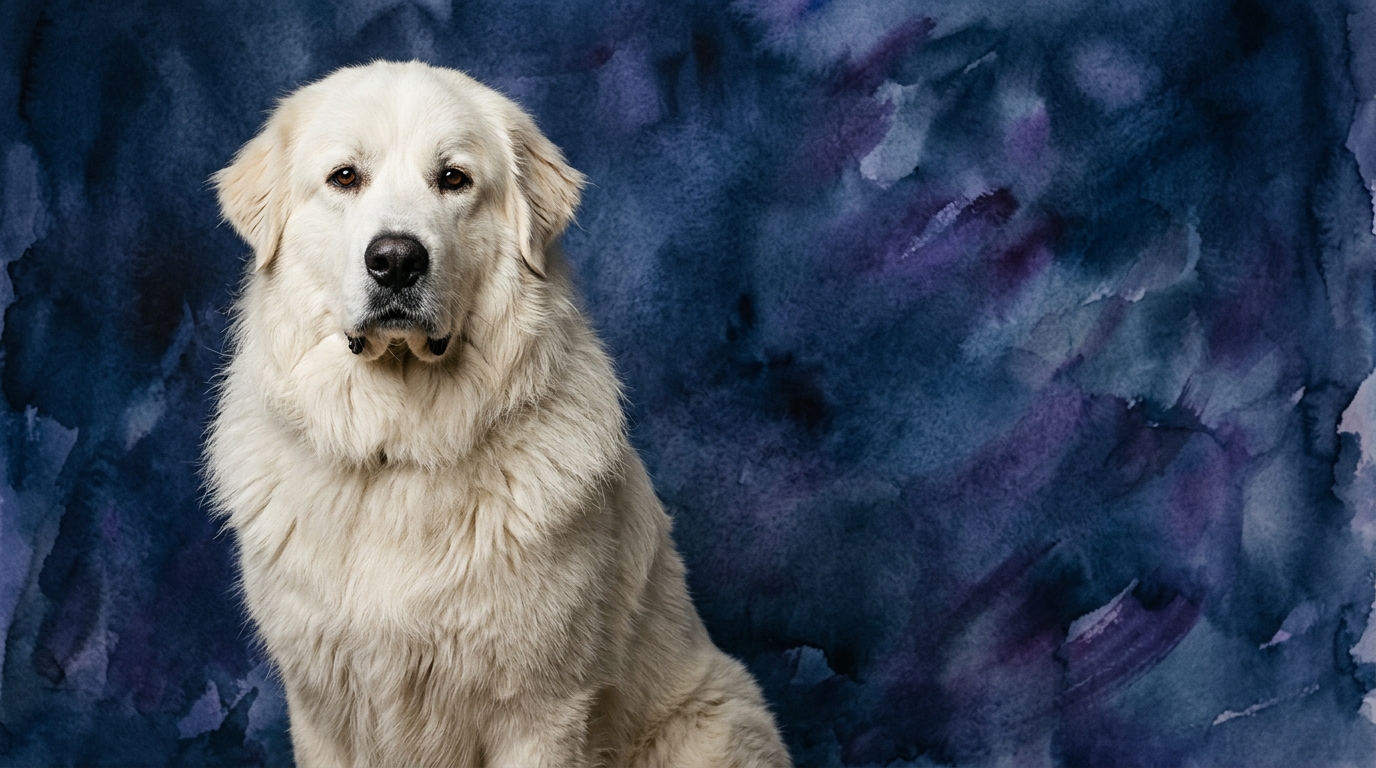
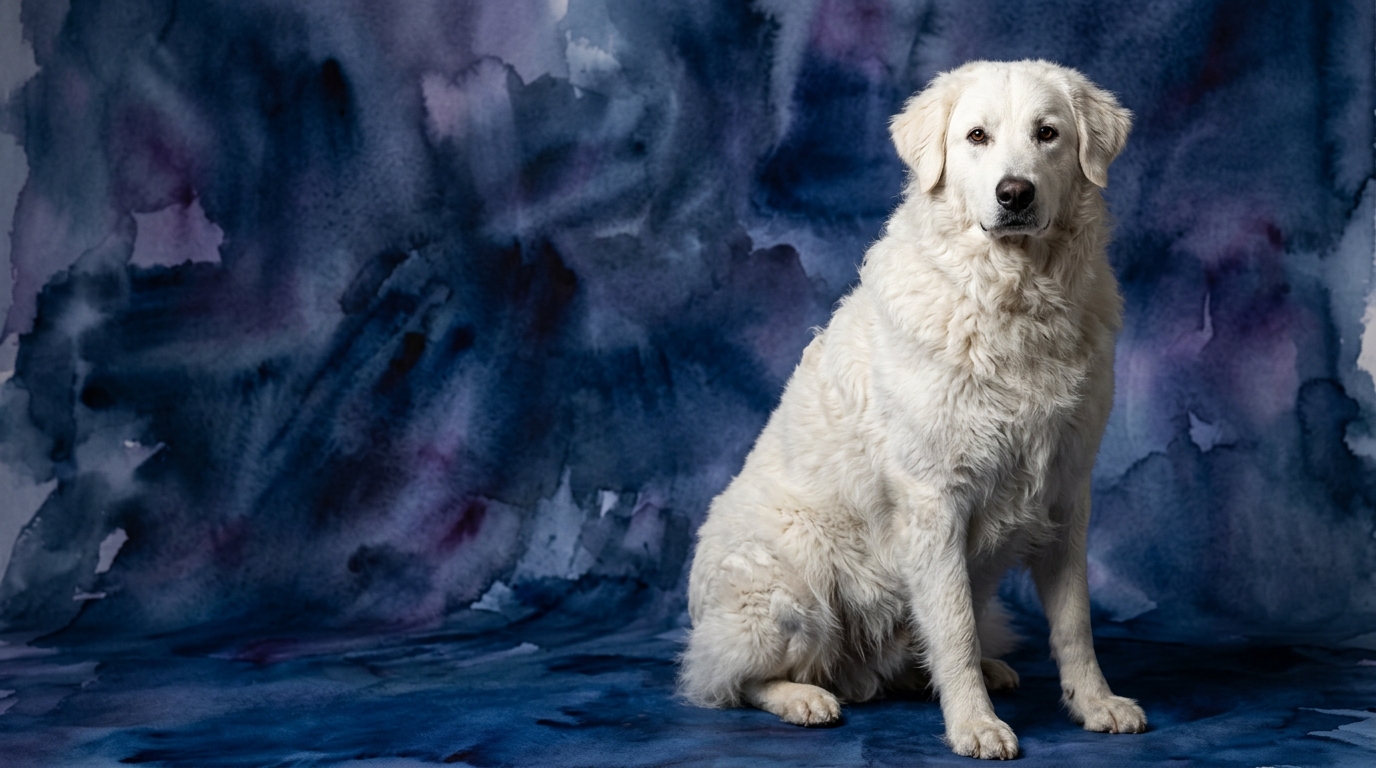
Side-by-Side IQ Profile: Great Pyrenees vs. Kuvasz
At The Cosmic Pet Pet IQ Lab, we analyze five key dimensions of canine intelligence to paint a comprehensive picture. For the Great Pyrenees, ranked #64 by Coren, its scores are: Problem Solving 3/5, Training Speed 3/5, Social Intelligence 3/5, Instinctive Drive 3/5, and Memory 3/5. The Kuvasz, with a higher Coren rank of #42, presents a slightly different profile: Problem Solving 3/5, Training Speed 3/5, Social Intelligence 3/5, Instinctive Drive 3/5, and Memory 4/5.
Let's unpack what these scores signify for each breed. In Problem Solving, both breeds score 3/5, indicating a solid capacity for independent decision-making and navigating complex situations within their environment. For the Great Pyrenees, this often manifests as patient, deliberate assessment before action, relying on a calm, watchful presence to deter threats. The Kuvasz's 3/5 in problem-solving often involves a more assertive and sometimes quicker reaction to perceived threats, demonstrating resourcefulness in dynamic situations, reflecting its slightly higher Coren rank.
Training Speed, at 3/5 for both, suggests a moderate pace for acquiring new commands and behaviors. The Great Pyrenees requires patience in training due to its inherent independence; they understand commands but often weigh their necessity against their primary guarding duties. The Kuvasz, while also independent, may show a slightly more direct engagement in training, though still requiring consistent, fair methods to prevent boredom or defiance, which can stem from their assertive nature.
Social Intelligence, also a 3/5 for both, refers to their capacity to understand and respond to social cues. The Great Pyrenees exhibits a gentle social intelligence, forming deep bonds with its flock and family, often discerning subtle emotional states and reacting with protective empathy. The Kuvasz's social intelligence is often expressed through watchful guardianship, keenly observing interactions within its perceived territory and reacting decisively to maintain order, forming strong, loyal bonds with its immediate family while being more reserved with strangers.
Instinctive Drive, scoring 3/5 for both, encapsulates their innate behavioral patterns, particularly their guarding instincts. For the Great Pyrenees, this drive manifests as a profound, almost primal need to protect, expressed through vigilance, territorial patrolling, and a deterrent presence, often preferring to avoid confrontation if a threat can be diffused. The Kuvasz's instinctive drive is similarly powerful, but often presents with a more assertive and sometimes confrontational approach to perceived dangers, driven by a strong impulse to actively confront and neutralize threats to its charges.
Finally, Memory presents a key differentiator: Great Pyrenees at 3/5 and Kuvasz at 4/5. The Great Pyrenees possesses a functional memory, retaining routine commands, familiar faces, and the layout of its territory effectively, allowing for consistent guarding behavior. The Kuvasz, with a 4/5 memory, demonstrates a superior capacity for recall, quickly learning and retaining complex sequences, recognizing subtle changes in its environment, and remembering specific past events or interactions with greater detail, which can be advantageous in sophisticated guarding roles.
Where the Great Pyrenees Wins Cognitively
While both breeds exhibit robust cognitive abilities essential for their LGD roles, the Great Pyrenees subtly excels in scenarios demanding sustained, patient vigilance and independent judgment without immediate human intervention. Their 3/5 problem-solving score, coupled with a calm temperament, means they are adept at assessing long-term environmental stability and maintaining a deterrent presence, often choosing strategic positioning over overt action. This deliberate processing allows them to act as thoughtful, autonomous guardians, capable of making sound decisions in solitude, a unique cognitive strength for their role. Their social intelligence, also at 3/5, manifests as a profound, gentle empathy towards their charges, enabling them to discern distress and respond with a comforting presence, a nuanced form of protective cognition that prioritizes harmony.
Where the Kuvasz Wins Cognitively
The Kuvasz demonstrates distinct cognitive advantages, particularly stemming from its superior memory score of 4/5 compared to the Great Pyrenees' 3/5. This enhanced memory translates into a quicker retention of complex training sequences and a more detailed recall of past events or specific environmental cues, allowing them to adapt more rapidly to evolving threats or changes in routine. Their problem-solving, also a 3/5, often manifests with a more assertive and decisive approach, enabling them to react with greater immediacy and resourcefulness in dynamic, high-stakes situations. This cognitive agility, combined with their higher Coren rank of #42, suggests a breed with a slightly faster processing speed and a greater capacity for complex associative learning, making them highly effective in rapidly changing environments.
Which Is Easier to Train and Why?
Assessing which breed is 'easier' to train requires understanding their inherent motivations and cognitive styles, despite both scoring 3/5 for training speed. The Great Pyrenees, with its profound independence, will learn commands but often evaluates their necessity, leading to a training process that demands immense patience, positive reinforcement, and a deep understanding of their desire to be autonomous. They are not striving to please in the same way a retriever might; their problem-solving is directed towards guardianship, not necessarily compliance. Successful training with a Great Pyrenees involves convincing them that cooperation aligns with their guarding instincts.
The Kuvasz, while also independent and assertive, tends to exhibit a more direct engagement in training, potentially due to its superior memory (4/5). This means they may retain commands more readily and generalize learned behaviors faster, provided the training is consistent, firm, and fair. Their assertive nature, however, requires a handler who can establish clear leadership without resorting to harsh methods, as they respond best to confident guidance rather than coercion. Ultimately, neither is a 'beginner's dog' for training; both demand experienced, dedicated trainers who respect their LGD heritage, but the Kuvasz's memory advantage might make the *retention* phase slightly less challenging, even if initial learning speed is similar.
Which Suits Active Owners vs. Relaxed Owners?
When considering lifestyle compatibility, the cognitive profiles of these breeds offer distinct fits. The Great Pyrenees, with its patient, deliberate problem-solving and profound independence, often suits a more relaxed owner who appreciates a self-sufficient guardian. While they require adequate space for patrolling and mental stimulation, their cognitive processes lead them to be less demanding of constant, high-intensity interaction. They are content to observe and guard, engaging in bursts of activity interspersed with long periods of watchful calm. Owners who understand and respect their innate autonomy will find a deeply loyal companion.
Conversely, the Kuvasz, with its quicker processing, assertive problem-solving, and superior memory, often thrives with more active owners who can provide consistent structure, mental challenges, and opportunities for purposeful work. Their cognitive wiring demands more engagement and a clear role within the family unit, making them a better match for owners who enjoy regular training sessions, structured walks, and activities that harness their alertness and decision-making capabilities. Both need responsible socialization and training, but the Kuvasz's cognitive energy leans towards a more hands-on ownership style, requiring an owner capable of channeling their vigilance and assertiveness constructively.
The Verdict
Choose the Great Pyrenees if you seek a calm, independent guardian whose cognitive strength lies in patient, autonomous decision-making and a gentle, empathetic presence, fitting a more relaxed ownership style.
Opt for the Kuvasz if you desire a more assertive, vigilant guardian benefiting from superior memory and quicker processing, thriving with active owners who provide consistent structure and engaging mental challenges.
🧠 Find Your Pet's IQ Score
Our Pet IQ Lab assessment covers 25+ tests across 5 cognitive dimensions — personalized to your breed.
Take the Full IQ Test →Frequently Asked Questions
Does the Coren rank difference (Kuvasz #42 vs. GP #64) mean the Kuvasz is significantly smarter?
The Coren rank primarily indicates a dog's capacity for obedience and working intelligence, reflecting how quickly they learn commands and their consistency in following them. While the Kuvasz's higher rank suggests a quicker acquisition of formal tasks, both breeds possess profound cognitive abilities essential for their LGD roles, which aren't fully captured by obedience metrics alone. Their different ranks highlight variations in their natural inclinations towards human-directed tasks versus independent problem-solving.
How does the memory difference impact their daily lives?
The Kuvasz's superior memory (4/5) allows for faster retention of training and a more detailed recall of environmental changes or past events, which can make them quicker to adapt or recognize patterns. The Great Pyrenees' 3/5 memory is perfectly adequate for routine guarding, remembering family, and territory, but might require more repetition for complex tasks or show less immediate recall of specific, transient details.
Are these breeds suitable for first-time dog owners given their intelligence profiles?
Neither the Great Pyrenees nor the Kuvasz are typically recommended for first-time dog owners. Both breeds possess strong independent cognitive profiles and instinctive drives as Livestock Guardian Dogs, which require experienced handling, consistent training, and a deep understanding of their unique needs. Their intelligence manifests in guarding capabilities, not necessarily in eager compliance, demanding an owner capable of patient, firm, and respectful leadership.