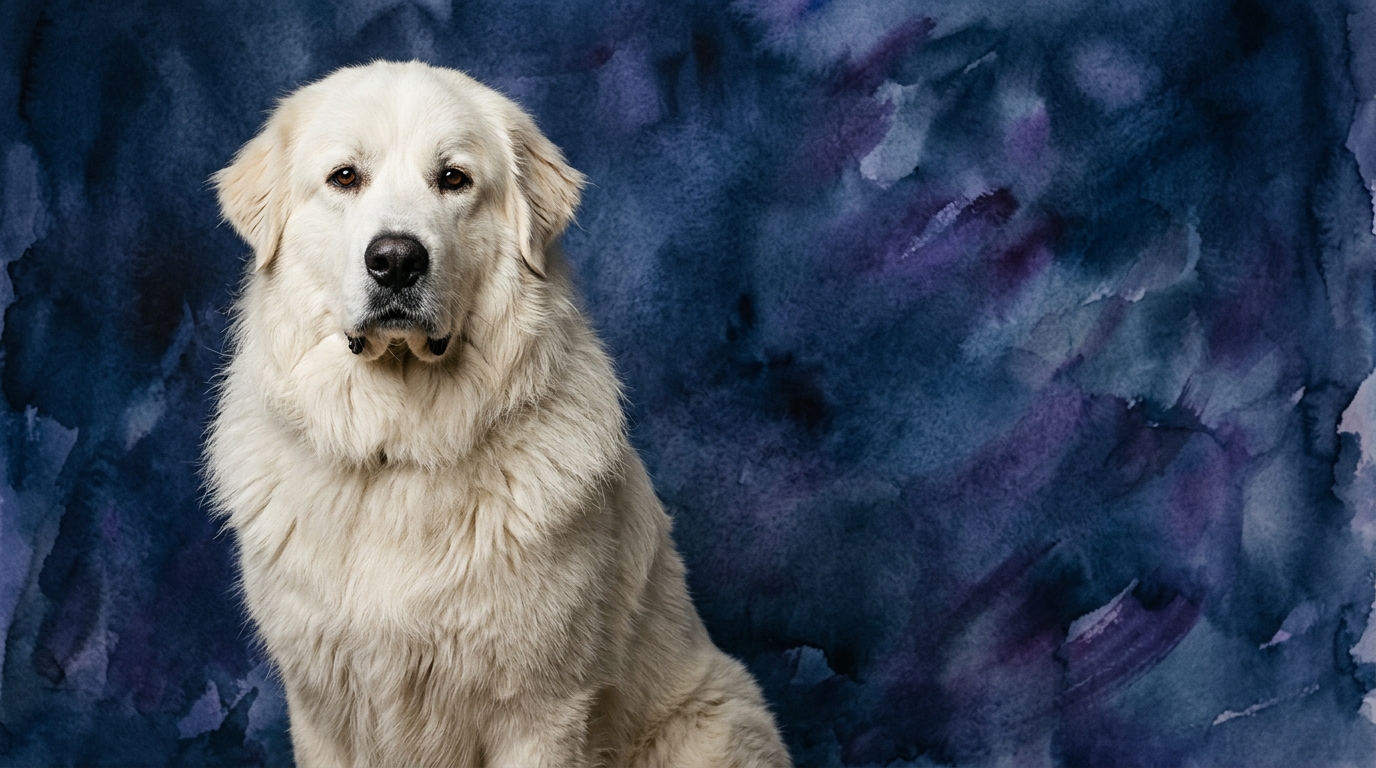
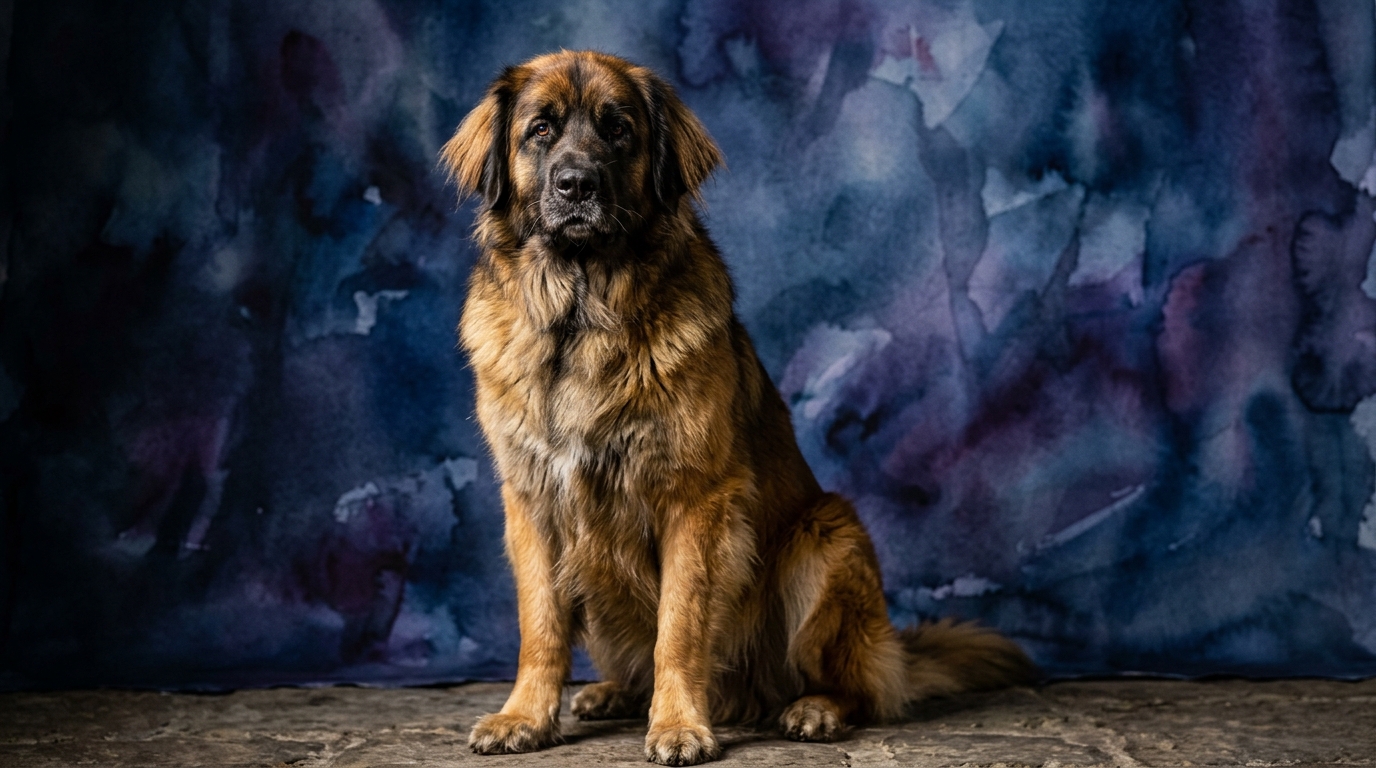
Side-by-Side IQ Profile: Great Pyrenees vs. Leonberger
At The Cosmic Pet Pet IQ Lab, we assess canine intelligence across five critical dimensions. For the Great Pyrenees, a breed ranked #64 by Coren, its profile shows problem Solving 3/5, training Speed 3/5, social Intelligence 3/5, instinctive Drive 3/5, and memory 3/5. This consistent scoring reflects a balanced, yet independently minded intellect, honed over centuries as a livestock guardian where self-reliance and astute observation were paramount.
The Leonberger, while not Coren-ranked, presents an identical IQ profile in our assessments: problem Solving 3/5, training Speed 3/5, social Intelligence 3/5, instinctive Drive 3/5, and memory 3/5. This mirrored scoring might initially suggest cognitive parity, but understanding how these scores are applied through each breed's unique lens of purpose and temperament reveals subtle yet significant distinctions in their practical intelligence and how they navigate their world.
Where the Great Pyrenees Wins Cognitively
The Great Pyrenees' cognitive strengths shine brightest in scenarios demanding autonomous decision-making and vigilance, a direct legacy of their livestock guardian heritage. Their problem-solving abilities, rated 3/5, are particularly effective in assessing environmental threats and devising independent strategies to protect their charges without direct human intervention. This isn't about solving complex puzzles for treats, but rather discerning subtle changes in their environment, identifying potential dangers, and acting decisively to deter predators.
Their instinctive drive, also 3/5, is intensely focused on protection and territory. This manifests as a deep-seated awareness of their surroundings and an innate understanding of their role as a sentinel. While their social intelligence (3/5) allows them to bond profoundly with their family and protected animals, it also enables them to be discerning with strangers, accurately gauging intent. Their memory (3/5) is particularly strong for routines, territory boundaries, and identifying individuals or situations that previously posed a threat, making them incredibly reliable guardians once they establish their domain.
Where the Leonberger Wins Cognitively
The Leonberger's cognitive advantages often lie in their cooperative and adaptable nature, reflecting their development as a multi-purpose working dog and companion. Their problem-solving capacity (3/5) often manifests in a more collaborative way, excelling at tasks that require understanding human cues and working alongside their handlers, such as in draft work or water rescue. They possess a keen ability to interpret human emotions and intentions, making them remarkably attuned family members.
Their social intelligence (3/5) is particularly geared towards forming strong, reciprocal bonds with their human companions, often displaying an intuitive understanding of family dynamics. This translates into a desire to please and participate, which can make training a more fluid experience. The Leonberger's memory (3/5) is robust for commands and the expectations of their human family, allowing them to quickly recall learned behaviors and apply them appropriately across various situations. Their instinctive drive (3/5), while protective, is often balanced with a strong desire for companionship and engagement, making them highly responsive to social interaction.
Which is Easier to Train and Why
When considering ease of training, the Leonberger generally presents a more straightforward experience for the average owner. Their 3/5 training speed, combined with their inherent desire to please and work cooperatively with humans, means they are typically more receptive to learning commands and adapting to household rules. They often thrive on positive reinforcement and consistent guidance, eager to engage in activities with their family. This biddability stems from their history as a companion and versatile working dog, where responsiveness to human direction was highly valued.
The Great Pyrenees, while also scoring 3/5 in training speed, approaches learning with a distinctly independent mindset. Their historical role demanded self-sufficiency, meaning they were bred to make decisions on their own rather than constantly seeking human input. This can translate into a perceived stubbornness; they understand commands but may choose to evaluate if executing them aligns with their own assessment of the situation. Training a Pyrenees requires immense patience, consistency, and an understanding that their compliance is often a negotiation, appealing to their guardian instincts and building trust rather than demanding rote obedience. Owners often find success by framing training as a collaborative effort rather than strict command and response.
Which Suits Active Owners vs. Relaxed Owners
For owners seeking a more active, engaged canine partner, the Leonberger often proves a better match. While not hyperactive, they thrive on mental and physical stimulation, enjoying activities like long walks, hiking, swimming, and even participating in dog sports like obedience or agility. Their cooperative nature means they are often enthusiastic participants in family outings and adventures, requiring consistent engagement to prevent boredom. An active owner who enjoys incorporating their dog into daily routines will find a willing and joyful companion in a Leonberger.
Conversely, the Great Pyrenees tends to be a better fit for owners who appreciate a more relaxed, yet vigilant, presence. While they require regular, moderate exercise to maintain health, their energy levels are generally lower than many working breeds, and they are often content to supervise their domain from a comfortable spot. Their primary 'activity' is often patrolling their territory and observing, which doesn't always translate to intense physical exertion. Owners who prefer a calm home environment, possess a secure yard, and understand the breed's independent guardian instincts will find the Pyrenees a loyal, albeit less overtly energetic, companion.
The Verdict
Choose a Great Pyrenees if you seek an independent, watchful guardian with a calm demeanor indoors, valuing a dog that makes its own sound judgments, and you are prepared for their unique training approach.
Opt for a Leonberger if you desire a cooperative, sociable, and engaged companion who thrives on family interaction and moderate activity, and you appreciate a more biddable partner in training.
🧠 Find Your Pet's IQ Score
Our Pet IQ Lab assessment covers 25+ tests across 5 cognitive dimensions — personalized to your breed.
Take the Full IQ Test →Frequently Asked Questions
Do Great Pyrenees and Leonbergers have similar problem-solving abilities?
Yes, both breeds score 3/5 in problem-solving. However, the Great Pyrenees applies this more independently for guardian tasks, while the Leonberger often uses it in cooperative tasks and understanding human cues.
Which breed is more social with strangers?
The Leonberger typically exhibits higher social intelligence with strangers, often being more welcoming and adaptable, whereas the Great Pyrenees, true to its guardian roots, tends to be more reserved and discerning.
What kind of memory do these breeds possess?
Both breeds score 3/5 in memory. The Great Pyrenees often excels at remembering routines, territory, and potential threats, while the Leonberger has a strong memory for commands, learned behaviors, and family interactions.