Side-by-Side IQ Profile: Unpacking the 3/5 Scores
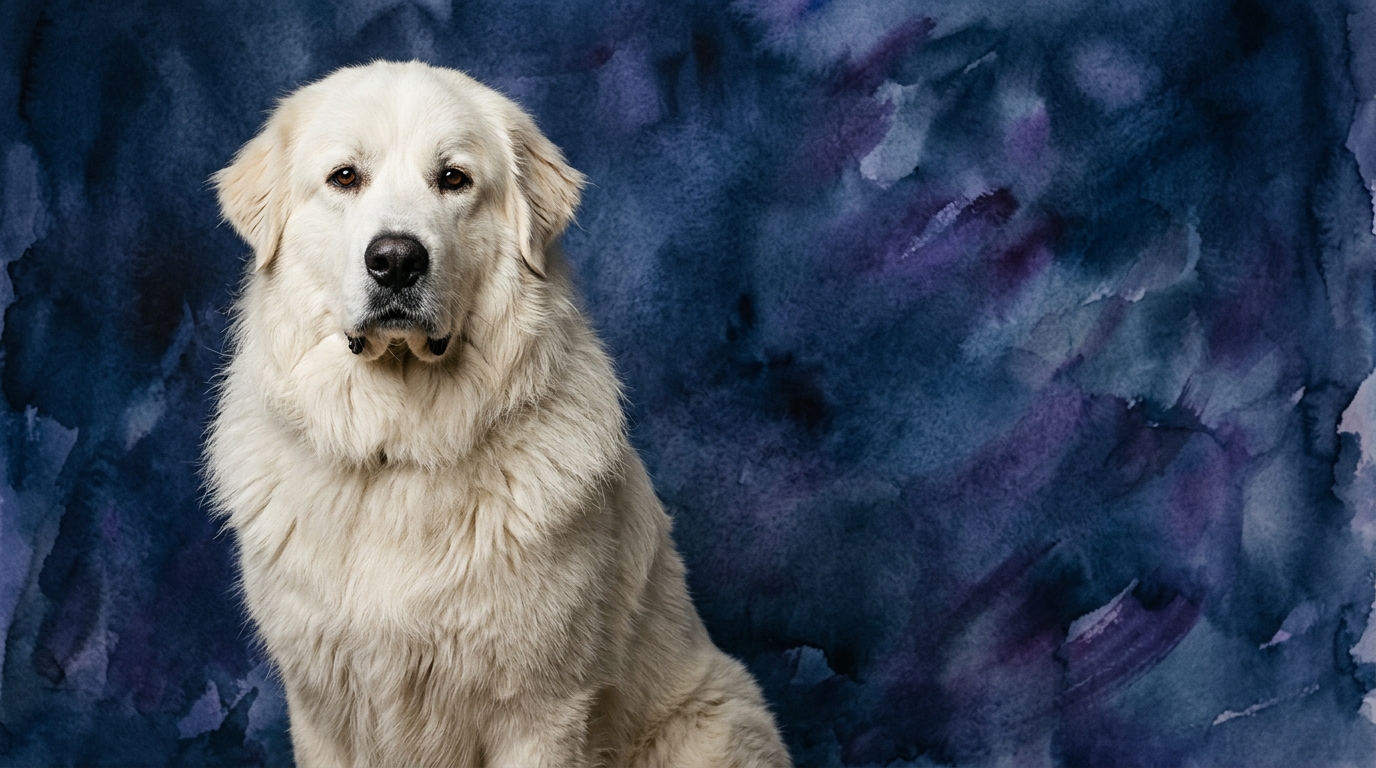
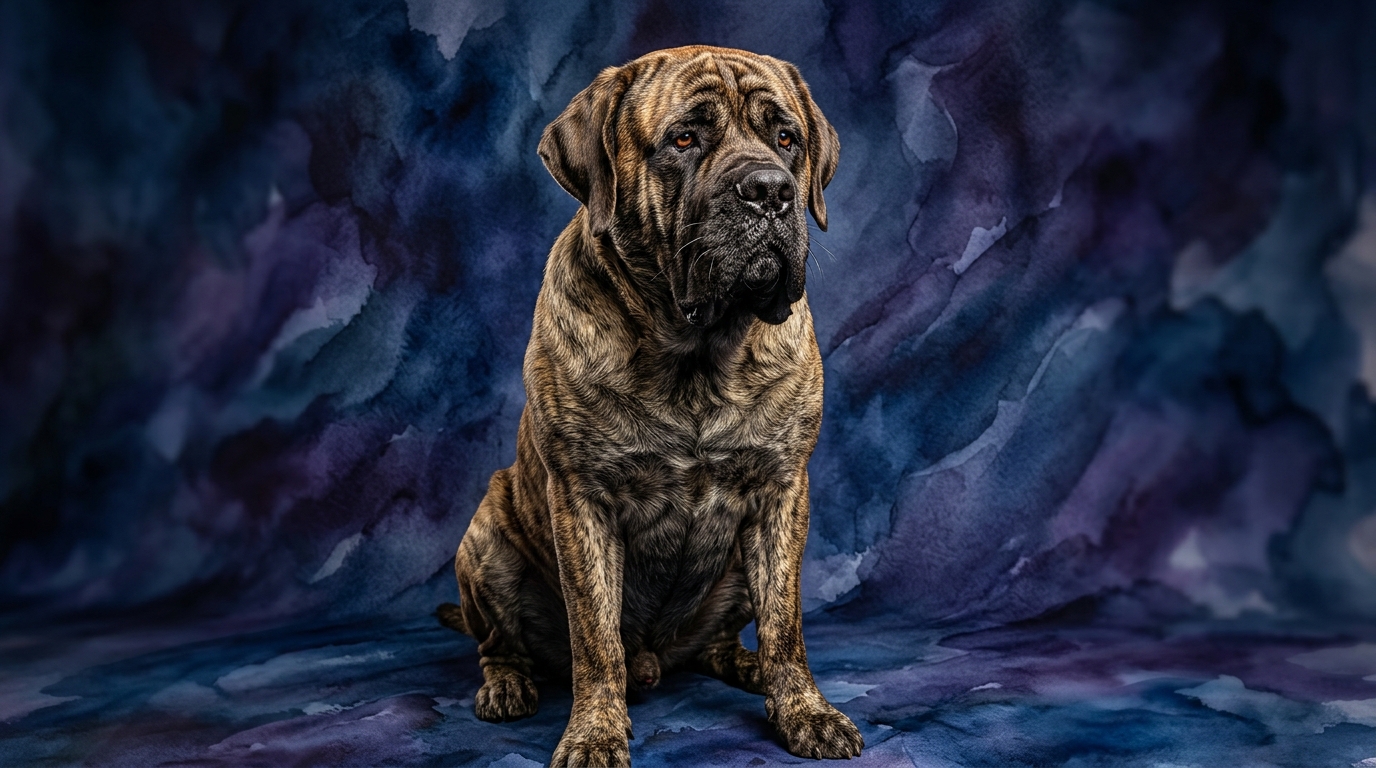
The Cosmic Pet Pet IQ Lab assesses canine intelligence across five critical dimensions, providing a granular view beyond general perceptions. Interestingly, both the Great Pyrenees and the Mastiff register identical scores of 3/5 in every measured category: Problem Solving, Training Speed, Social Intelligence, Instinctive Drive, and Memory. This parity suggests that neither breed possesses a dramatic cognitive advantage over the other in these specific areas, yet their historical roles and inherent temperaments mean these scores manifest differently in their day-to-day lives. It’s important to note that while our lab scores are identical, the Coren rank, which primarily measures working and obedience intelligence, places the Great Pyrenees at #64 and the Mastiff at #72, indicating a subtle distinction in their general aptitude for formal command-following.
For Problem Solving (3/5), both breeds demonstrate a moderate capacity to navigate novel situations. A Great Pyrenees might independently assess a perceived threat to its charges and devise a direct, often subtle, deterrent, while a Mastiff's problem-solving might focus on maneuvering around obstacles to stay near its family or alerting to an unfamiliar sound. Neither breed is expected to master complex, multi-step puzzles quickly, but they efficiently handle practical challenges related to their protective roles.
Training Speed (3/5) indicates that both require patience and consistency in learning new commands. They aren't the quickest to pick up new cues after just a few repetitions, but with persistent, positive reinforcement, they are certainly capable of learning a wide range of behaviors. Their moderate pace is often influenced by their independent natures or their sheer physical presence needing strong, clear direction.
Social Intelligence (3/5) reflects a moderate ability to understand and respond to human social cues and environmental changes. Both breeds are adept at reading their family's moods and reacting appropriately to social dynamics within their household. The Great Pyrenees often displays a more reserved approach with strangers, while the Mastiff, though sometimes aloof, typically forms deep, empathetic bonds with its inner circle.
Instinctive Drive (3/5) highlights a moderate strength in innate behaviors. For the Great Pyrenees, this score underscores its strong, independent guarding instinct honed over centuries to protect livestock without human command. For the Mastiff, it signifies a powerful, territorial protective drive focused on its family and home. Neither typically exhibits an overwhelming prey drive for small game, but their protective urges are undeniable.
Finally, Memory (3/5) means both breeds possess a moderate ability to retain learned commands, routines, and past experiences. They will remember their training, familiar faces, and routines, and can recall specific interactions, both positive and negative, shaping their future responses to similar situations or individuals.
Where the Great Pyrenees Wins Cognitively
Despite identical 3/5 scores across the board, the Great Pyrenees' cognitive strengths shine brightest in its capacity for independent decision-making, a direct inheritance from its livestock guardian heritage. Their 3/5 problem-solving isn't about mastering complex agility courses; instead, it manifests in their autonomous assessment of environmental threats and devising appropriate, often subtle, deterrents or direct actions to safeguard their charges without human instruction. This breed was historically tasked with protecting flocks alone, far from human oversight, necessitating a self-reliant intelligence. A Pyrenees will evaluate a situation, such as a perceived predator or an unfamiliar visitor, and determine the best course of action based on its ingrained protective instincts and learned experiences, often displaying a nuanced understanding of its environment. This self-sufficiency, a particular flavor of their 3/5 instinctive drive and problem-solving, is a distinct cognitive advantage for owners seeking a dog capable of making sound judgments in a guardian role without constant human direction.
Where the Mastiff Wins Cognitively
The Mastiff, while equally protective, demonstrates a different cognitive emphasis, excelling in social attunement and a profound integration into the human family unit. Their 3/5 social intelligence, while numerically identical to the Pyrenees, tends to manifest with a remarkable sensitivity to their human family's emotional states, making them exceptionally empathetic companions. Mastiffs possess a cognitive strength in interpreting subtle cues within the home environment, enabling them to offer comfort or a protective presence instinctively when they sense distress or anomaly. Their problem-solving (3/5) often revolves around ensuring family proximity or safety within a domestic setting, rather than independent outdoor guardianship. This breed's intelligence leans towards a deep understanding of household dynamics and a desire to be an integral, calming, and watchful presence. For owners valuing a dog that reads their moods and integrates seamlessly into the emotional fabric of the home, the Mastiff's particular cognitive expression of its social intelligence and memory proves to be a winning trait.
Which is Easier to Train and Why
While both breeds score 3/5 for training speed, indicating a moderate learning pace, their intrinsic motivations shape the training experience differently. The Great Pyrenees, with its legacy as an independent livestock guardian, often evaluates commands through the lens of its own perceived utility or purpose. This manifests as a thoughtful, sometimes stubborn, approach where they will comply if they understand the 'why' or if it aligns with their protective instincts, rather than simply for human approval. Their Coren rank of #64 suggests they are certainly capable of learning complex commands, but it often requires patient, consistent, and reward-based methods that respect their self-reliant nature. Owners must build a relationship based on trust and mutual respect, recognizing that a Pyrenees may not always be eager to please solely for the sake of it.
In contrast, the Mastiff, ranking #72 in Coren's scale, often exhibits a more pronounced desire to please its family, which can be leveraged in training. While their substantial size and inherent calm demeanor can sometimes be mistaken for slowness, their 3/5 training speed means they absorb information steadily. The challenge with Mastiffs lies more in managing their immense physical presence and ensuring they receive clear, firm, but gentle guidance to prevent accidental mishaps or the development of undesirable habits. Their social intelligence (3/5) often translates into a keen awareness of their owner's expectations, making them generally more responsive to direct instruction. Therefore, for an owner seeking a dog that responds more readily to direct instruction and derives satisfaction from pleasing, the Mastiff might present a slightly less challenging training path, provided consistency is paramount. The Great Pyrenees, while trainable, demands an owner who embraces their independent thought process and is prepared to work with, rather than against, their autonomous guardian spirit.
Which Suits Active Owners vs. Relaxed Owners
When considering lifestyle fit, the nuances of their cognitive profiles again come into play. The Great Pyrenees, despite its calm demeanor, carries an instinctive drive (3/5) for patrolling and monitoring large areas, a remnant of its historical role. While not a high-energy breed in the sense of needing to retrieve a ball for hours, they do benefit from space to roam and survey their territory, which can appeal to active owners who enjoy long walks or have larger properties. Their cognitive engagement often comes from observing and reacting to their environment, making them suitable for owners who appreciate a dog that is mentally stimulated by its surroundings and guardian duties, even if the physical activity is moderate.
The Mastiff, on the other hand, typically aligns better with more relaxed owners once their fundamental exercise needs are met. Their social intelligence (3/5) emphasizes being close to their family, often content to be a watchful, comforting presence within the home. Their instinctive drive (3/5) for protection is often satisfied by simply being present with their loved ones, making them excellent companions for those who enjoy a calm, devoted giant by their side. While they still require daily walks and mental enrichment, their default mode tends to be more sedentary, making them a better fit for owners whose activity levels are moderate to low, and who prioritize companionship and steadfast presence over constant outdoor adventure.
The Verdict
Choose the Great Pyrenees if you value an independent, watchful guardian with a subtle, self-reliant intelligence, suited to larger properties or owners seeking a dog capable of autonomous protective decisions.
Choose the Mastiff if you seek a devoted, gentle giant deeply integrated into family life, offering steadfast protection through presence and loyalty, ideal for a more domestic setting and close companionship.
🧠 Find Your Pet's IQ Score
Our Pet IQ Lab assessment covers 25+ tests across 5 cognitive dimensions — personalized to your breed.
Take the Full IQ Test →Frequently Asked Questions
Are Great Pyrenees or Mastiffs good with children?
Both breeds, when properly socialized and trained, can be wonderful with children due to their gentle natures and protective instincts. The Great Pyrenees tends to be patient and tolerant, viewing children as part of its 'flock' to be safeguarded. The Mastiff is often exceptionally gentle and patient, forming strong, empathetic bonds with its human family members, including children, though supervision is always advised due to their sheer size.
Do these breeds require a lot of exercise?
Neither the Great Pyrenees nor the Mastiff are high-energy breeds requiring intense, prolonged exercise. Both benefit from daily moderate activity, such as walks or supervised yard time, to maintain health and mental well-being. The Pyrenees appreciates space to patrol, while the Mastiff is often content with a good walk and then relaxing with its family.
How do their protective instincts differ?
The Great Pyrenees' protective instinct is rooted in its history as an independent livestock guardian, meaning it's often more proactive and self-directed in assessing and deterring threats in an open environment. The Mastiff's protection is typically more territorial and family-centric, manifesting as a formidable, watchful presence within the home and a strong, unwavering loyalty to its immediate family members.