Side-by-Side IQ Profile: Great Pyrenees vs. Miniature Poodle
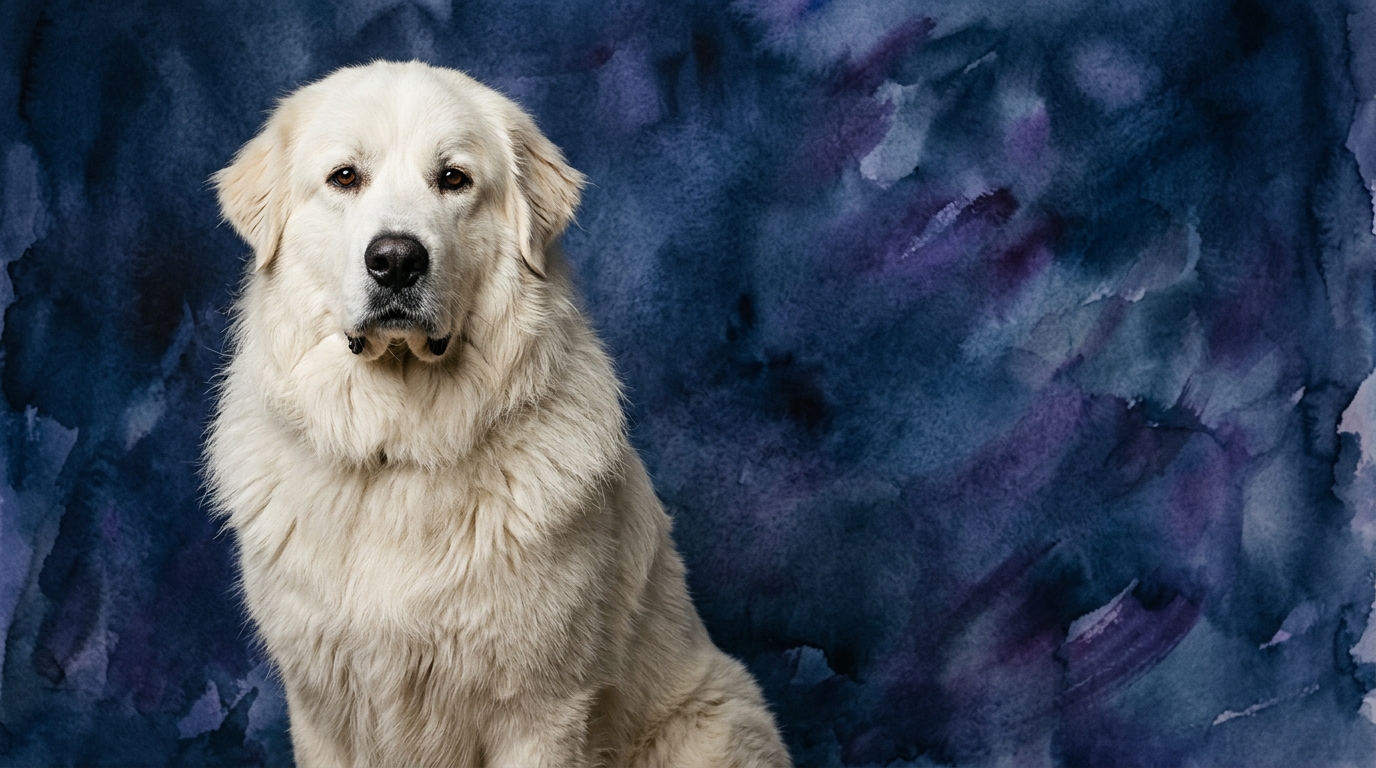
The Great Pyrenees, a majestic working breed ranked #64 by Coren, demonstrates a cognitive profile shaped by centuries of independent flock protection. Their problem-solving ability is rated 3/5, reflecting their capacity to assess environmental threats and make autonomous decisions in safeguarding their charges, rather than solving human-devised puzzles. Training speed for a Pyrenees is 3/5; while they can learn, their independent nature means they often comply only when they perceive a valid reason, making rapid command acquisition less common. Social intelligence stands at 3/5, indicating a strong bond with their immediate family but often a reserved or aloof demeanor towards strangers, a trait beneficial for a guardian. Their instinctive drive, also 3/5, is powerfully geared towards guarding and territoriality, not typically prey drive or retrieval games. Memory at 3/5 means they retain routines and important familial connections well, yet might not excel at recalling complex, multi-step learned behaviors over extended periods.
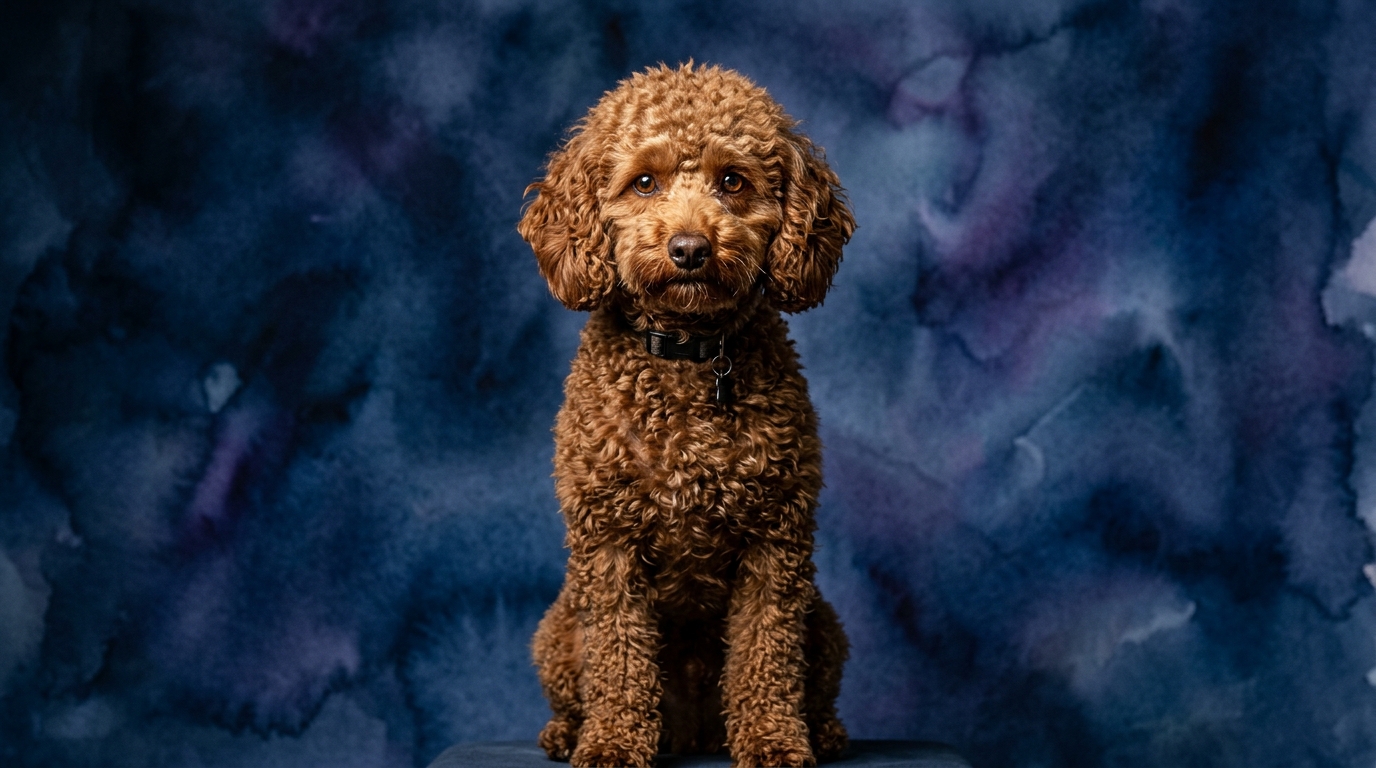
In stark contrast, the Miniature Poodle, a non-sporting breed and Coren rank #2, presents a cognitive makeup designed for engagement and adaptability. Their problem-solving ability is a remarkable 5/5, showcasing an exceptional capacity for abstract thought, figuring out novel challenges, and understanding complex concepts. Training speed is also 5/5; Poodles are exceptionally quick learners, eager to engage with their handlers, and rapidly acquire new commands and intricate routines. Social intelligence, like the Pyrenees, is 3/5; they are typically devoted to their families but can be discerning with new acquaintances. Their instinctive drive, rated 3/5, is versatile, adaptable to various activities from retrieving to performance sports, but not as singularly focused as a guardian's drive. Memory is a high 5/5, meaning Miniature Poodles retain vast amounts of learned information, from specific tricks to long sequences of behaviors, with impressive durability.
Where the Great Pyrenees Wins Cognitively
The Great Pyrenees excels in forms of cognition rooted in their original purpose: autonomous guardianship. Their problem-solving prowess shines in threat assessment and independent decision-making within a large territory, such as discerning a genuine predator from a harmless wanderer without human instruction. This involves a sustained, observational focus and the judgment to act decisively when required, demonstrating a practical, self-reliant intelligence. They also possess a subtle, intuitive understanding of their 'flock' or family members, discerning nuances in their behavior and needs, a critical aspect of their social intelligence within their familial unit.
Where the Miniature Poodle Wins Cognitively
The Miniature Poodle's cognitive strengths lie in their exceptional capacity for rapid, complex learning and retention. Their 5/5 problem-solving ability allows them to master intricate puzzles and adapt quickly to novel situations, demonstrating a flexible and analytical mind. They significantly outperform in training speed, absorbing new commands and advanced behaviors with remarkable efficiency, making them adept at canine sports like obedience and agility. Furthermore, their 5/5 memory ensures that these learned skills and sequences are not just acquired quickly but also retained for long durations, allowing for a vast repertoire of understood cues and actions.
Which is Easier to Train, and Why
Without question, the Miniature Poodle is considerably easier to train. Their 5/5 training speed is a testament to their eagerness to engage, high responsiveness to human cues, and inherent drive to perform tasks presented to them. They thrive on mental stimulation provided through structured training sessions, quickly forming associations between commands and actions. Conversely, the Great Pyrenees, with a 3/5 training speed, presents a different training challenge. Their independence, a core trait for a guardian, means they often require more patience and consistency. A Pyrenees may pause to consider if a command aligns with their own perceived purpose or comfort, rather than instantly complying. Training a Pyrenees requires understanding their motivation and proving the value of the requested action, rather than relying solely on eager-to-please compliance, reflecting a profound behavioral difference.
Which Suits Active Owners vs. Relaxed Owners
For owners who thrive on interactive engagement and mental challenges, the Miniature Poodle is an ideal match. Their elevated problem-solving and memory capacities necessitate an owner willing to provide consistent mental stimulation through training, puzzle toys, and varied activities, preventing boredom that can lead to undesirable behaviors. A Poodle's 'activity' is as much mental as physical. In contrast, owners seeking a more independent, observant companion would find the Great Pyrenees suitable. While they require ample space to patrol and a sense of purpose, their 'relaxed' nature stems from their self-sufficient guardianship. They do not demand constant interactive games but appreciate a secure environment where they can fulfill their watchful duties. Owners must be prepared for their independent thought processes rather than expecting constant active participation in human-led endeavors.
The Verdict
Choose a Great Pyrenees if you value an independent, watchful guardian that makes its own decisions within a secure territory, appreciating a calm, self-reliant canine presence.
Opt for a Miniature Poodle if you desire a highly responsive, mentally agile companion eager to learn and excel in interactive training, performance sports, and intricate problem-solving.
🧠 Find Your Pet's IQ Score
Our Pet IQ Lab assessment covers 25+ tests across 5 cognitive dimensions — personalized to your breed.
Take the Full IQ Test →Frequently Asked Questions
Do Great Pyrenees need a 'job' to be content?
Yes, their instinctive drive for guardianship means they are happiest when they feel they have a purpose, often fulfilled by watching over their family and property. This provides essential mental engagement.
Are Miniature Poodles prone to boredom if not mentally stimulated?
Absolutely. Their elevated cognitive abilities mean they require consistent mental challenges and engagement to prevent boredom, which can manifest as destructive behavior or anxiety.
Can a Great Pyrenees be trained for complex obedience?
While they can learn, their independent nature (training speed 3/5) means they may not achieve the same level of precision or rapid response as a breed like the Poodle. Training requires patience and understanding their motivations.