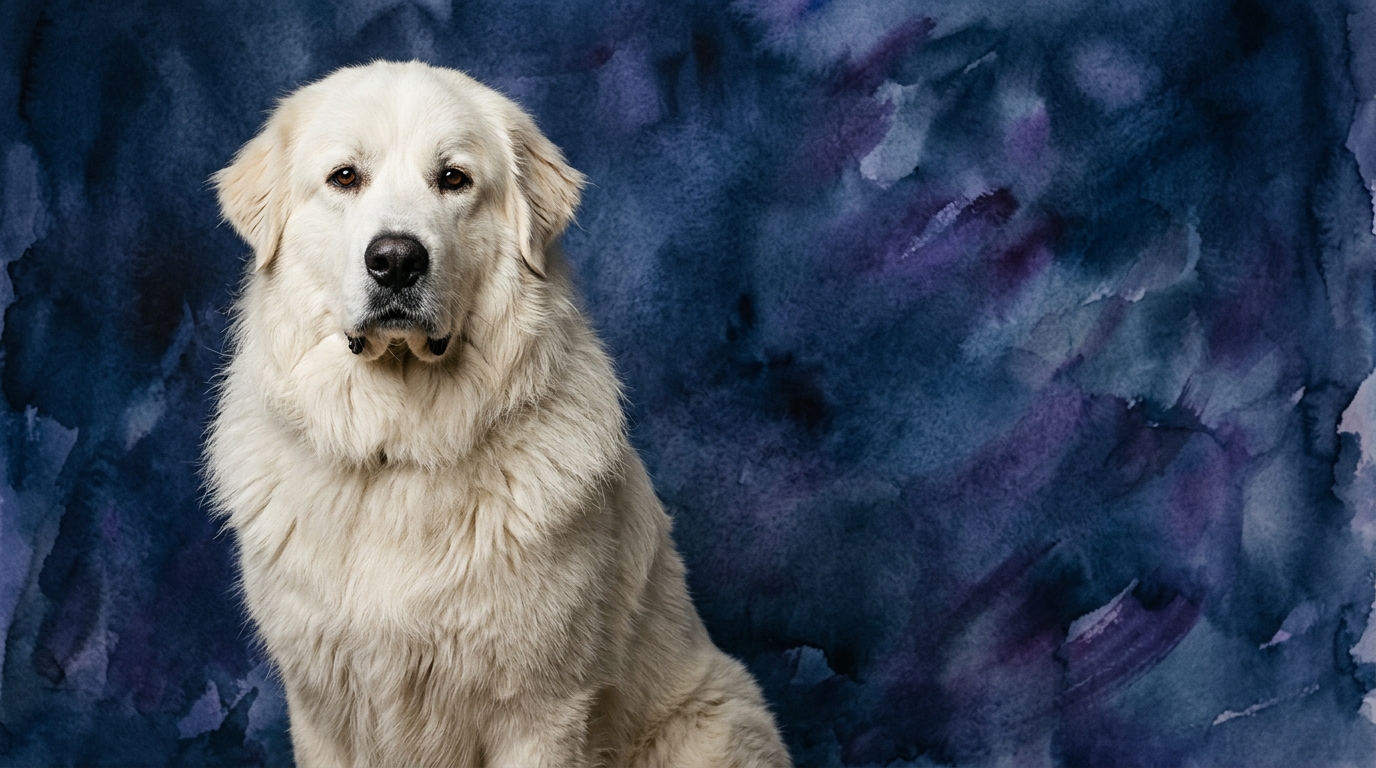
Side-by-Side IQ Profile: Great Pyrenees
The Great Pyrenees, a magnificent livestock guardian dog, embodies a particular kind of intelligence honed over centuries of independent work. Their Problem Solving score of 3/5 reflects a thoughtful, often self-directed approach to assessing and mitigating threats to their flock, rather than a quick response to human-initiated puzzles. This strategic, watchful nature means they excel at understanding their environment and making autonomous decisions to protect it.
Their Training Speed, also at 3/5, isn't about rapid obedience to every command, but rather a deliberate processing of information; they learn, but often weigh commands against their primary guardian instincts, sometimes appearing hesitant if a task doesn't align with their protective role. Social Intelligence, rated 3/5, focuses on discerning intentions, recognizing friend from foe, and managing the dynamics within their 'flock' – be it sheep or family members – with a calm, observant demeanor. An Instinctive Drive of 3/5 is deeply rooted in their protective vigilance, a constant readiness to guard and patrol. Finally, their Memory at 3/5 allows them to retain extensive knowledge of their territory, potential dangers, and the routines of their charges, contributing to their reliable guardian capabilities.
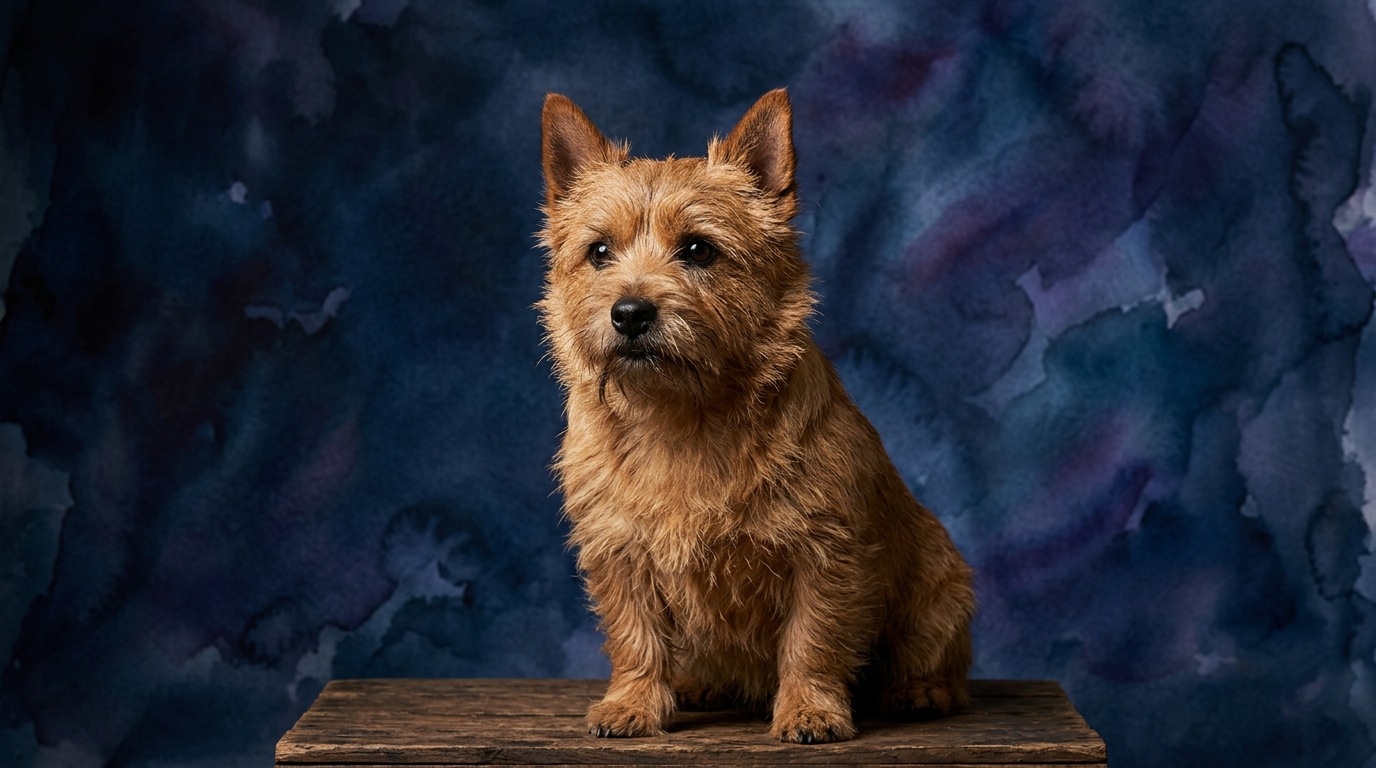
Side-by-Side IQ Profile: Norwich Terrier
In stark contrast, the Norwich Terrier, a plucky member of the terrier group, exhibits its 3/5 scores through a lens of tenacity and spirited engagement. Their Problem Solving at 3/5 shines in situations requiring quick thinking and determination, particularly when navigating tight spaces or outsmarting small prey; this is an intelligence built on persistence and ingenuity in pursuit.
Training Speed, also 3/5, speaks to their capacity for learning new commands, often with enthusiasm, though their independent terrier spirit means they can sometimes prioritize their own agenda over immediate compliance, especially if a more interesting scent or sound captures their attention. Social Intelligence, rated 3/5, manifests as an acute awareness of their human companions and surroundings, often expressing a lively curiosity and a readiness to engage, though they may also be quick to alert to novel stimuli. Their Instinctive Drive, a robust 3/5, is powerfully geared towards hunting and exploring, a ceaseless urge to investigate and pursue. Memory at 3/5 serves them well in remembering routes, the locations of exciting smells, and the patterns of their daily lives, aiding their adventurous spirit.
Where Great Pyrenees Wins Cognitively
The Great Pyrenees excels in cognitive domains requiring independent judgment and a broad understanding of their environment. Their guardianship role demands a sophisticated form of ambient intelligence, where they are constantly evaluating their surroundings for potential threats without direct human prompting. This manifests as superior situational awareness over large areas, an ability to read subtle cues in animal behavior, and a deep, enduring memory for territory boundaries and perceived intruders.
Their problem-solving isn't about speed, but about strategic, long-term assessment of risk and the implementation of protective measures, often involving a patient, watchful stance rather than immediate action. They demonstrate a nuanced social intelligence in managing the dynamics of a flock, understanding hierarchies and vulnerabilities, and reacting appropriately to maintain harmony and safety.
Where Norwich Terrier Wins Cognitively
The Norwich Terrier's cognitive strengths lie in their focused determination and rapid response to specific stimuli. Their problem-solving prowess truly shines in scenarios demanding ingenuity and persistence in confined or challenging spaces, such as navigating complex tunnels or figuring out how to access a hidden toy. This breed's high instinctive drive translates into exceptional focus on a target, allowing them to block out distractions and apply concentrated effort.
Their social intelligence, while different from the Pyrenees, is characterized by a quick processing of human intentions and a readiness to engage in interactive play or tasks that involve 'hunting' for rewards. Their memory is particularly sharp for sequences of actions or locations related to their interests, such as remembering where a treat was hidden or the path to a favorite digging spot.
Which Is Easier to Train and Why
Despite both breeds scoring 3/5 in Training Speed, their approaches to learning and compliance differ significantly. The Great Pyrenees, with their heritage of independent decision-making, can be perceived as more challenging to train for absolute obedience. They learn commands but often filter them through their own judgment: 'Is this command necessary for the safety of my flock (or family)?' This means training requires patience, consistency, and a deep understanding of their guardian mindset, focusing on building a partnership where they choose to comply. Their perceived 'slowness' is often thoughtful deliberation.
In contrast, the Norwich Terrier, while possessing a strong will, often approaches training with a spirited enthusiasm, especially if it involves engaging their prey drive or offers immediate rewards. Their challenge isn't a questioning of purpose, but rather a potential for distraction or stubbornness if they deem a task uninteresting or too repetitive. Training for a Norwich benefits from short, engaging sessions that tap into their innate curiosity and desire to work alongside their human, making them generally more amenable to traditional obedience exercises, provided the trainer can keep up with their energy and focus.
Which Suits Active Owners vs. Relaxed Owners
When considering lifestyle compatibility, the Great Pyrenees generally suits owners who appreciate a more relaxed, yet deeply committed companion, but who understand the significant responsibilities of managing a large, independent guardian. While they enjoy a good patrol of their territory, they are not typically high-energy dogs requiring constant strenuous exercise; their activity is often interspersed with periods of watchful repose. Relaxed owners who can provide ample space, consistent training rooted in understanding their guardian nature, and who value a calm, protective presence will find a harmonious match.
The Norwich Terrier, conversely, is better suited for active owners who can channel their boundless energy and keen intellect. Their instinctive drive and problem-solving nature thrive on regular engagement, whether through vigorous walks, interactive games, or participation in dog sports like agility or earthdog trials. Owners who enjoy outdoor adventures and can provide consistent mental and physical stimulation will find the Norwich a delightful and tireless companion, far from a 'relaxed' lapdog.
The Verdict
Choose a Great Pyrenees if you seek a calm, independent guardian for your home and family, valuing a dog that makes its own judgments and provides a quiet, watchful presence, especially if you have ample space and understand their unique needs.
Opt for a Norwich Terrier if you desire a spirited, tenacious companion eager for adventure and mental challenges, thriving with active owners who enjoy engaging their dog in diverse activities and appreciate a bold, curious personality.
🧠 Find Your Pet's IQ Score
Our Pet IQ Lab assessment covers 25+ tests across 5 cognitive dimensions — personalized to your breed.
Take the Full IQ Test →Frequently Asked Questions
Are Great Pyrenees good at learning tricks?
Great Pyrenees can learn tricks, but their learning style is often deliberate. They tend to prioritize tasks that align with their protective instincts, so trick training may require more patience and motivation than with some other breeds.
Do Norwich Terriers bark a lot?
Norwich Terriers are known for being alert and can be vocal, especially when they perceive something new or interesting in their environment. Early training and socialization can help manage excessive barking, but their terrier nature means they will likely use their voice to communicate.
How do these breeds handle strangers or new pets?
Great Pyrenees are generally reserved and cautious with strangers, observing carefully before accepting. With new pets, they can be accepting if properly introduced, especially if they perceive them as part of their 'flock.' Norwich Terriers are often more outgoing and curious with strangers, though their terrier assertiveness can sometimes surface with new pets, requiring careful introductions and supervision.