Side-by-Side IQ Profile: Guardians vs. Hunters
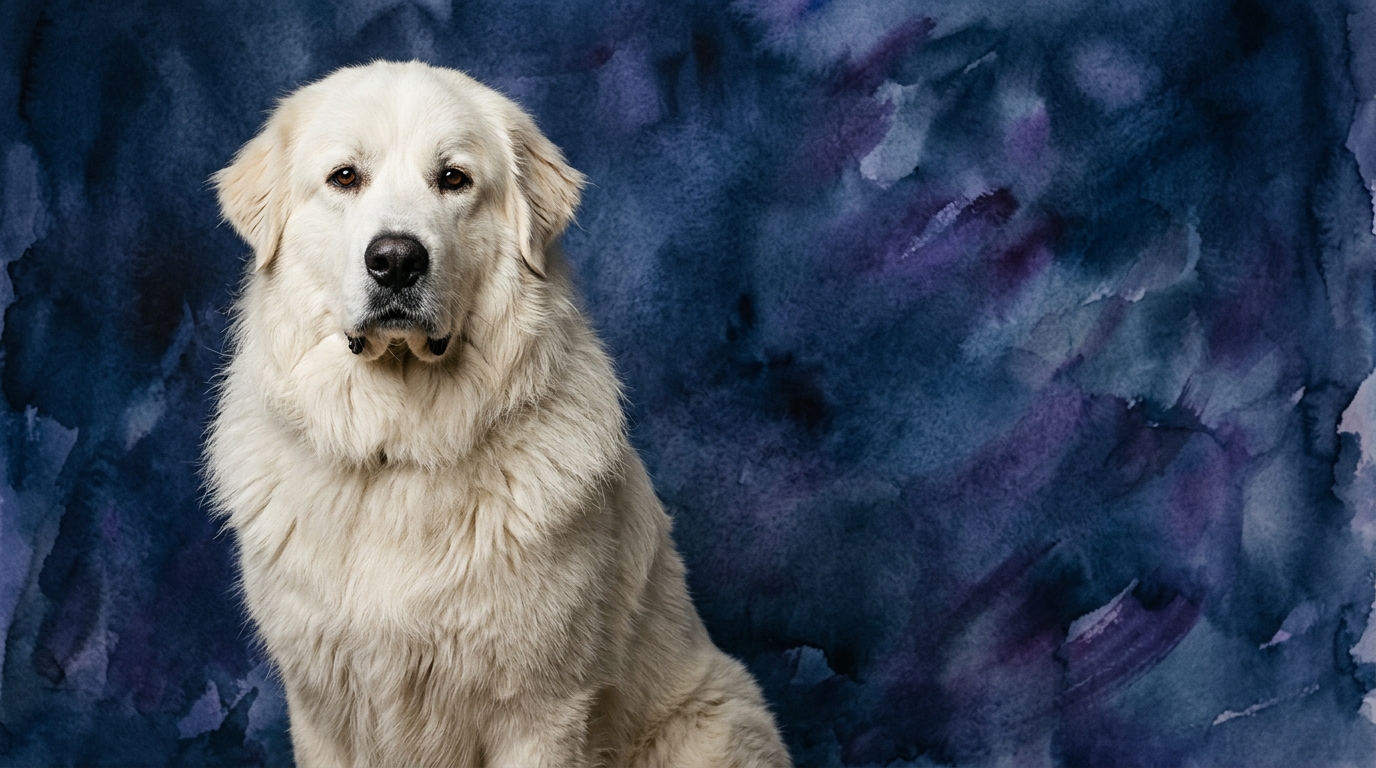
The Great Pyrenees, a majestic livestock guardian, comes from a lineage demanding independent judgment and resilience. Our Pet IQ Lab rates this breed consistently at 3/5 across all five cognitive dimensions: Problem Solving, Training Speed, Social Intelligence, Instinctive Drive, and Memory. This consistent score reflects a balanced cognitive profile geared towards self-sufficiency. Dr. Stanley Coren's ranking places the Great Pyrenees at #64, acknowledging its capacity for adaptive learning within its specific working context, emphasizing its deliberate and thoughtful approach to challenges rather than rapid command execution.
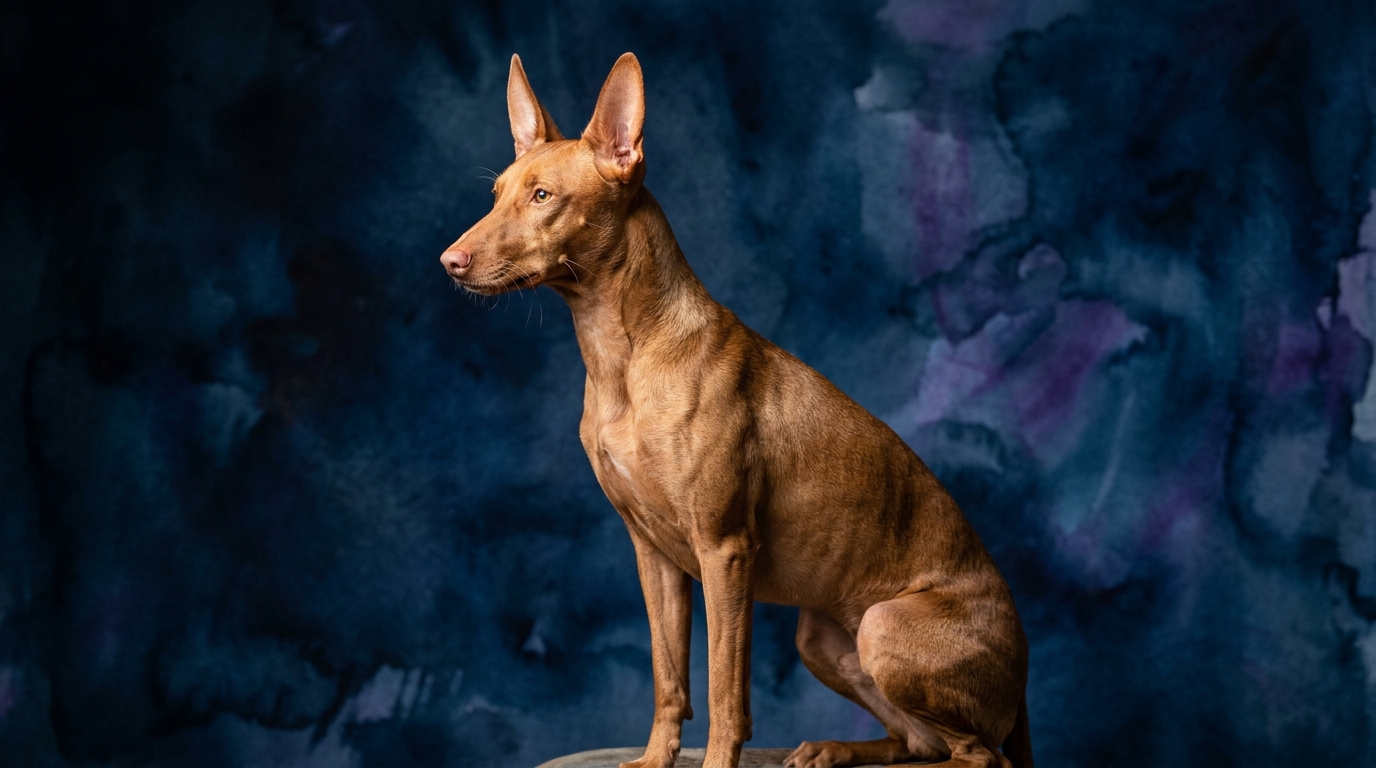
In contrast, the ancient Pharaoh Hound, a swift and agile sighthound, possesses a cognitive architecture honed for pursuit and observation. Despite its distinct history, the Pharaoh Hound also scores 3/5 in Problem Solving, Training Speed, Social Intelligence, Instinctive Drive, and Memory within our IQ framework. This breed is not listed in Coren's rankings, a common occurrence for breeds whose primary historical roles emphasize independent action and specialized sensory processing over complex obedience or rapid response to novel human commands. Their scores reflect a competence aligned with their independent hunting heritage.
Where the Great Pyrenees Excels Cognitively
The Great Pyrenees' 3/5 in Problem Solving shines brightest in situations demanding independent judgment and protective strategy. Their historical role required them to assess environmental threats—be it a predator or an unfamiliar person—and formulate a response without human direction. This manifests as a deep-seated ability to analyze a situation, weigh potential risks to their charges (be it sheep or family), and act decisively, often through deterrence or strategic positioning, rather than direct confrontation, unless absolutely necessary. Their memory (3/5) supports this by retaining knowledge of territory boundaries, flock members, and routines, allowing for consistent vigilance.
Furthermore, their Social Intelligence (3/5) is particularly nuanced, extending beyond human interaction to encompass their relationship with livestock. They learn to differentiate between their assigned charges and potential threats, developing a calm, patient, yet unwavering protective bond. This social awareness allows them to integrate seamlessly into a multi-species environment, understanding the subtle cues of their flock and responding appropriately, demonstrating a sophisticated form of interspecies communication and empathy crucial for their guardianship.
Where the Pharaoh Hound Shines Cognitively
The Pharaoh Hound's cognitive strengths are deeply intertwined with its sighthound heritage, particularly in its Instinctive Drive (3/5) and Problem Solving (3/5) related to hunting. Their keen eyesight and powerful prey drive mean they excel at identifying distant movement, calculating pursuit trajectories, and adapting their strategy mid-chase. This isn't about complex, multi-step problem-solving as much as it is about rapid, fluid decision-making under high-stimulus conditions. They quickly learn the lay of the land, remembering optimal routes and potential prey hideouts, showcasing their Memory (3/5) in spatial awareness and recall of hunting patterns.
Their Social Intelligence (3/5), while perhaps less about nurturing than the Pyrenees, is evident in their cooperative hunting dynamics when working in packs, understanding subtle body language cues from their companions. With humans, they form strong bonds, often displaying a charming, sensitive nature that belies their independent hunting prowess. Their training speed (3/5) in tasks related to agility or lure coursing demonstrates their ability to quickly grasp and execute actions that align with their natural athleticism and drive for pursuit, making them adept at activities that mimic their ancestral sport.
Training Approaches: Independence vs. Instinct
Both breeds score 3/5 in Training Speed, indicating neither is inherently 'easier' or 'harder' to train, but rather require specific approaches aligned with their intrinsic motivations. The Great Pyrenees' training often involves patience and understanding of its independent nature. As a livestock guardian, they were bred to make autonomous decisions; therefore, they might not respond to commands with the same eagerness as a breed designed for close human partnership. Training a Pyrenees means building trust and demonstrating why a command is beneficial, tapping into their desire to protect or maintain order, rather than demanding blind obedience. Their 'stubbornness' is often their independent thought process at work.
The Pharaoh Hound, conversely, presents a different training challenge despite the same 3/5 score. Their powerful Instinctive Drive (3/5) means they are highly susceptible to visual distractions. A squirrel or distant movement can instantly hijack their attention, making recall particularly challenging in unfenced areas. Training success with a Pharaoh Hound hinges on making sessions engaging, varied, and positive, often incorporating games that mimic hunting or chasing to channel their natural drives. Consistency is key, along with a strong understanding of their sensitive yet independent temperament, ensuring training doesn't become monotonous for this agile thinker.
Suitability for Active vs. Relaxed Owners
For owners seeking a companion that aligns with a more relaxed, yet watchful, lifestyle, the Great Pyrenees is often a suitable match. While they require a securely fenced yard to patrol and protect, their exercise needs are moderate rather than intense. They are not typically candidates for long-distance running or high-impact sports. Their mental stimulation comes from observing their environment, monitoring their 'flock' (family), and making independent decisions about potential threats. A Pyrenees thrives with an owner who appreciates its calm demeanor and self-reliant nature, providing ample space and consistent companionship.
The Pharaoh Hound, however, is best suited for active owners who can provide significant daily exercise and mental engagement. Their sighthound heritage demands opportunities to run at full speed in safe, enclosed spaces, and they thrive on activities like lure coursing or long, brisk walks. Their keen senses and alert nature mean they need mental challenges that engage their predatory instincts and problem-solving abilities, such as scent work or puzzle toys. A Pharaoh Hound will flourish with an owner who understands their need for physical exertion and can channel their innate drives into constructive activities, preventing boredom and potential destructive behaviors.
The Verdict
Choose the Great Pyrenees if you seek an independent, watchful guardian with a calm, deliberate temperament, suited for a more settled lifestyle and a securely fenced property where it can fulfill its protective instincts.
Opt for the Pharaoh Hound if you are an active individual or family capable of providing extensive daily exercise, mental stimulation, and a secure environment for this swift, alert, and affectionate sighthound.
🧠 Find Your Pet's IQ Score
Our Pet IQ Lab assessment covers 25+ tests across 5 cognitive dimensions — personalized to your breed.
Take the Full IQ Test →Frequently Asked Questions
Do Great Pyrenees and Pharaoh Hounds have similar training challenges?
While both score 3/5 in Training Speed, their challenges differ. Great Pyrenees require patience due to their independent, decision-making nature, needing motivation that aligns with their protective instincts. Pharaoh Hounds are sensitive and easily distracted by prey, necessitating engaging, positive reinforcement methods that channel their strong chase drive.
Which breed is better for a family with children?
Both breeds can be good with children, but their approaches differ. A Great Pyrenees often displays a patient, protective demeanor towards its 'flock,' including children, requiring supervision due to its large size. A Pharaoh Hound is generally playful and affectionate but needs proper socialization and exercise to prevent over-exuberance, and supervision to manage its sensitive nature and high energy around small children.
How do their 'Instinctive Drives' manifest differently?
The Great Pyrenees' Instinctive Drive (3/5) is primarily for guarding and protecting its territory and charges, manifesting as vigilance, deterrence, and independent decision-making in threat assessment. The Pharaoh Hound's Instinctive Drive (3/5) is centered on chasing and hunting, manifesting as a powerful prey drive, keen observation of movement, and rapid pursuit, making secure containment crucial.