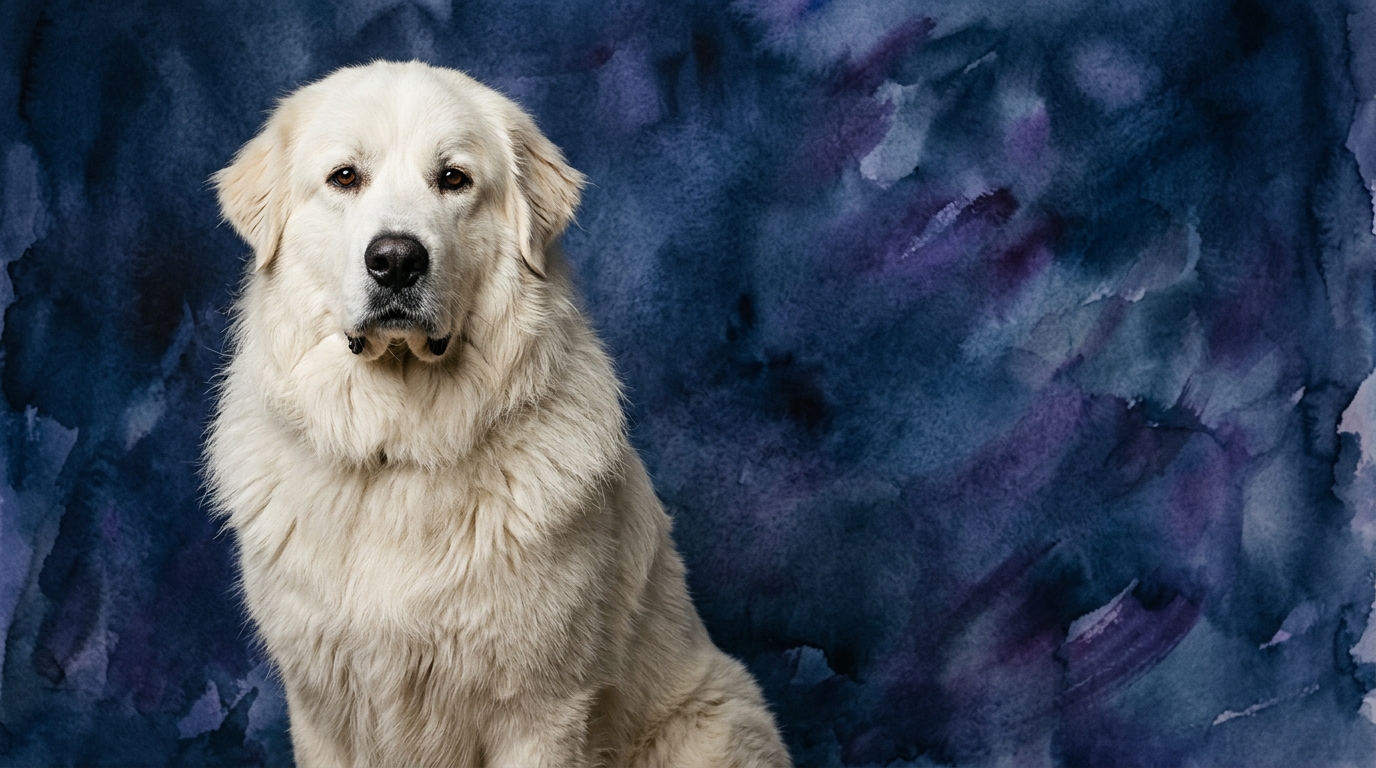
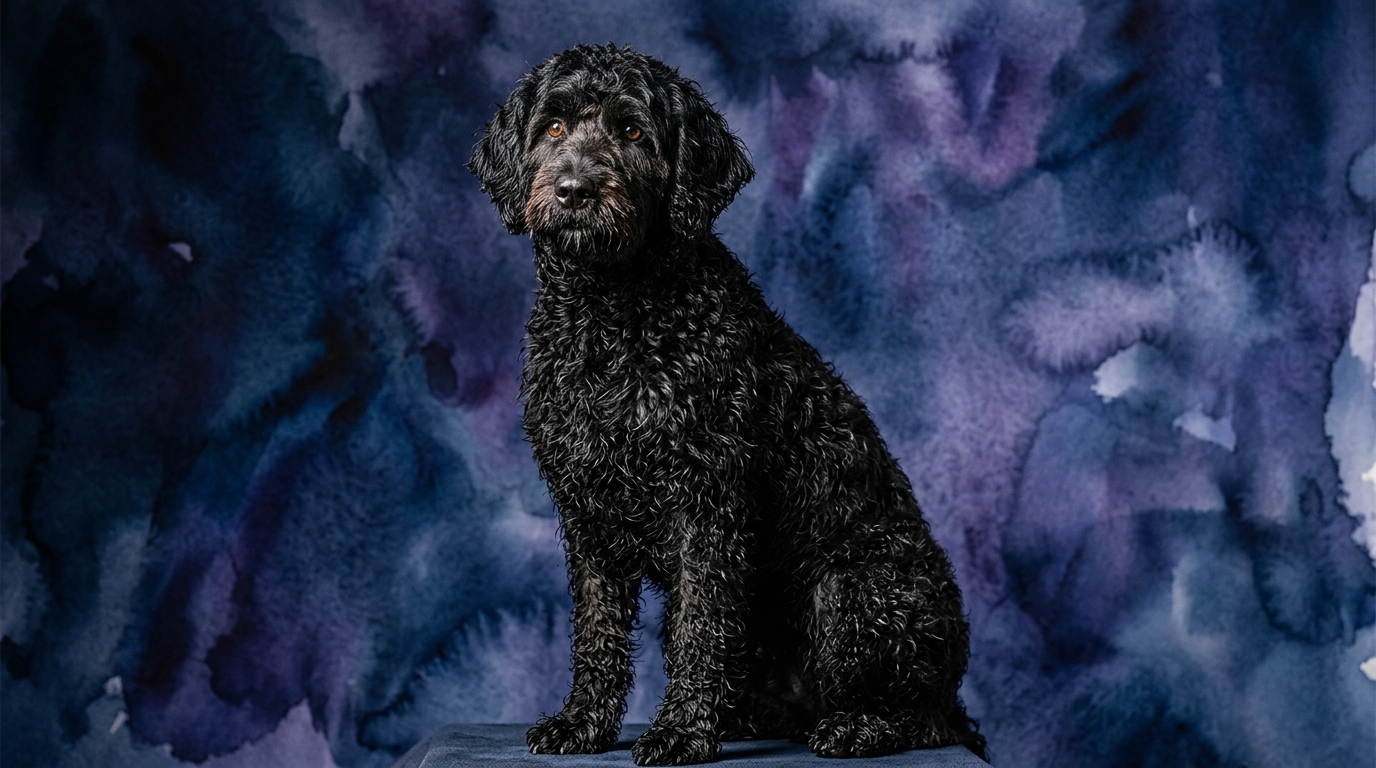
Side-by-Side Pet IQ Lab Profile
The Pet IQ Lab assesses canine intelligence across five critical dimensions, each scored on a 1-5 scale. Intriguingly, both the Great Pyrenees and the Portuguese Water Dog share identical scores across all categories, each receiving a 3/5. However, the *manifestation* of these scores differs significantly, reflecting their specialized historical functions and underlying cognitive priorities.
For the **Great Pyrenees**, a livestock guardian, their **Problem Solving (3/5)** centers on independent judgment, crucial for threat assessment and defensive strategies without direct human command. This includes navigating complex terrain to patrol boundaries or positioning themselves to deter predators. Their **Training Speed (3/5)** is influenced by their inherent independence; they learn best when tasks align with their protective nature and through consistent, positive reinforcement that respects their autonomous spirit, rather than demanding immediate, unquestioning obedience. Their **Social Intelligence (3/5)** manifests as a profound bond with their perceived 'flock,' whether human or animal, coupled with an acute awareness of their environment and the intentions of strangers. The Pyrenees' **Instinctive Drive (3/5)** is their powerful, inherent urge to guard and protect, encompassing territoriality, vigilance, and a calm, unwavering presence within their designated space. Finally, their **Memory (3/5)** is robust for territory, routines, and the individuals within their care, enabling reliable long-term guardianship.
The **Portuguese Water Dog (PWD)**, bred for water retrieval, also scores 3/5 across the board, but these scores reflect a different set of cognitive strengths. Their **Problem Solving (3/5)** is evident in their ability to navigate dynamic aquatic environments and execute complex retrieval tasks, devising strategies to retrieve objects from difficult locations or adapting to changing water conditions, often in collaboration with their human partners. The PWD's **Training Speed (3/5)** is characterized by an eagerness to engage and a quick grasp of new concepts, especially when tasks involve activity and partnership. While spirited, their desire to please and participate in human-led activities often translates into rapid skill acquisition with stimulating and consistent training. Their **Social Intelligence (3/5)** shines through strong connections with human families, often acting as keen observers of emotional cues, thriving on interaction and collaboration within a team context. The PWD's **Instinctive Drive (3/5)** is profoundly linked to their heritage, encompassing a powerful retrieving instinct, a natural affinity for water, and an intrinsic desire to be actively involved in tasks alongside their human companions. Their **Memory (3/5)** is strong for commands, learned behaviors, and the locations of items, particularly in dynamic retrieval scenarios, underscoring their cognitive flexibility.
Where the Great Pyrenees Wins Cognitively
The Great Pyrenees excels in domains requiring autonomous decision-making and sustained, independent vigilance. Their cognitive strength lies in their ability to assess complex environmental cues and threats without direct human intervention, a critical trait for a solitary livestock guardian. This breed's problem-solving in a protective context, such as identifying and deterring potential predators, is a hallmark of their intellect.
Furthermore, the Pyrenees demonstrates superior cognitive endurance in maintaining a watchful, calm presence over extended periods. Their memory for territory and established boundaries, combined with their instinctive drive, allows them to manage and protect a large domain effectively, making subtle, self-directed judgments that prioritize the safety of their charges above all else.
Where the Portuguese Water Dog Wins Cognitively
The Portuguese Water Dog's cognitive advantages are rooted in their collaborative spirit and adaptability to varied, human-directed tasks. They shine in situations demanding active partnership and the rapid assimilation of complex sequences of commands, especially those involving physical activity and problem-solving within a structured environment. Their social intelligence fosters a deep understanding of human intentions and cues, allowing for seamless teamwork.
PWDs also demonstrate a remarkable capacity for creative problem-solving within a dynamic, interactive framework. Whether figuring out how to retrieve a challenging item from water or learning an intricate agility course, their enthusiasm and desire to engage with their human partners often lead to innovative solutions and quick learning, making them highly responsive working companions.
Which is Easier to Train and Why
Despite both breeds scoring 3/5 in Training Speed, the Portuguese Water Dog is generally perceived as 'easier' to train due to fundamental behavioral differences stemming from their historical roles. PWDs possess a strong desire to work *with* humans, a trait deeply ingrained from centuries of collaboration with fishermen. Their high social intelligence and eagerness to please mean they typically respond well to positive reinforcement and thrive on structured, engaging training sessions, often picking up new commands quickly.
The Great Pyrenees, conversely, was bred to work *independently*. Their cognitive strength lies in autonomous decision-making, which can sometimes translate into a perceived stubbornness in training. A Pyrenees might evaluate a command and decide if it aligns with their own assessment of the situation or their guarding instincts. Training a Great Pyrenees requires immense patience, consistency, and a focus on building cooperation rather than expecting unquestioning obedience. They respond best to handlers who understand and respect their independent nature, making the training journey a different, often more nuanced, experience.
Which Suits Active Owners vs. Relaxed Owners
For owners seeking a highly active and mentally stimulating companion, the Portuguese Water Dog is an excellent match. These dogs require significant daily exercise, often enjoying activities like swimming, retrieving, and dog sports. Their high instinctive drive and social intelligence mean they thrive on having a 'job' and participating in adventures alongside their human, making them ideal for individuals or families with an energetic lifestyle and a commitment to consistent training and engagement. A PWD is not content to be a sedentary companion.
The Great Pyrenees, while large and needing space, often suits owners who appreciate a more relaxed, yet watchful, presence. They are not typically suited for high-impact sports or intense, constant activity. Instead, their activity needs are met by patrolling their territory and maintaining a calm vigilance. They are ideal for owners who have ample secure outdoor space, appreciate an independent guardian, and prefer a dog that is devoted but not necessarily demanding of constant direct interaction or structured activities, understanding that their 'work' is often quiet observation and protection.
The Verdict: When to Choose Each
The Verdict
Choose the Great Pyrenees if you seek a steadfast, independent guardian with a calm demeanor, possess ample secure space, and appreciate a dog that makes autonomous decisions while deeply devoted to its perceived 'flock.'
Opt for the Portuguese Water Dog if you desire an engaging, energetic companion for outdoor adventures, enjoy consistent training and mental stimulation, and want a collaborative dog that thrives on working closely with its human partner.
🧠 Find Your Pet's IQ Score
Our Pet IQ Lab assessment covers 25+ tests across 5 cognitive dimensions — personalized to your breed.
Take the Full IQ Test →Frequently Asked Questions
Are Great Pyrenees good family dogs?
Yes, Great Pyrenees can be excellent family dogs, especially with children they perceive as part of their flock. However, their protective instincts and large size necessitate early socialization and consistent supervision to ensure they differentiate between normal play and perceived threats, fostering a safe environment for all.
Do Portuguese Water Dogs shed much?
Portuguese Water Dogs have a single coat that is low-shedding, making them a popular choice for individuals with allergies or those seeking a cleaner home environment. Despite being low-shedding, their unique coat type requires regular grooming, including brushing and professional clipping every 6-8 weeks, to prevent matting and maintain skin health.
What is the primary difference in temperament between these two breeds?
The Great Pyrenees is characterized by its calm, independent, and watchful demeanor, often preferring to observe and protect from a distance, exhibiting a serene yet ever-vigilant presence. In contrast, the Portuguese Water Dog is typically more outgoing, energetic, and eager to engage in activities directly with its human companions, thriving on interaction and collaborative work.