Side-by-Side Cognitive Profiles
At The Cosmic Pet Pet IQ Lab, we assess canine intelligence across five key dimensions. While both the Great Pyrenees and the Silky Terrier register a consistent 3/5 across these metrics, the *nature* of their cognitive application differs significantly, reflecting their unique breed histories and intended functions.
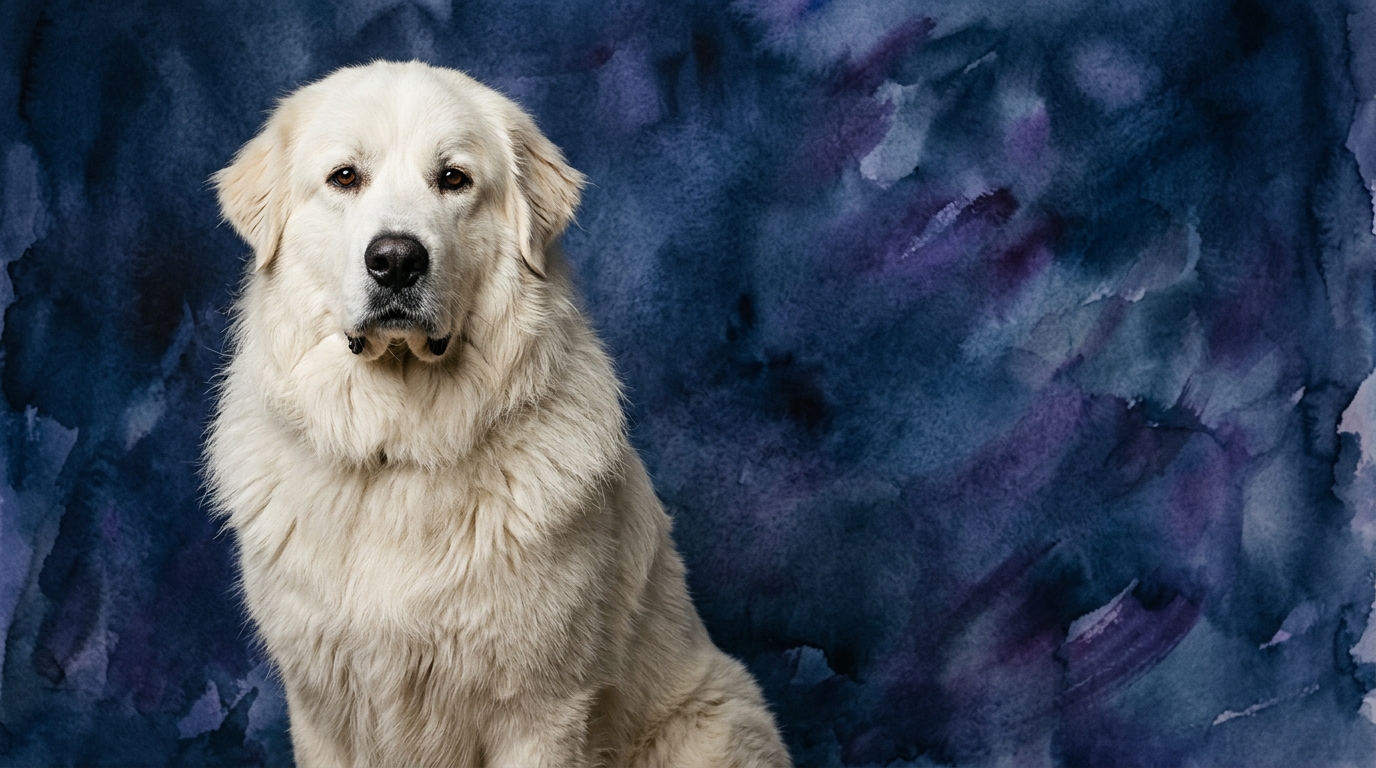
For the **Great Pyrenees**, a large Working group dog with a Coren rank of #64, their problem-solving at 3/5 is deeply rooted in their historical role as independent livestock guardians. This means they excel at assessing environmental cues, identifying potential threats to their flock, and determining appropriate, often non-aggressive, protective responses. Their problem-solving is practical and situational, focused on vigilance and prevention. Their training speed, also 3/5, indicates they learn commands at an average pace, but their profound independence, bred to make decisions without human directives, means compliance can be considered optional if it conflicts with their perceived duty. Training requires immense patience and an understanding of their deep-seated motivations. Social intelligence at 3/5 for the Pyrenees is largely directed towards their "flock," whether animal or human, demonstrating a nuanced understanding of group dynamics and subtle environmental cues, discerning distress or unusual behavior. Their instinctive drive, rated 3/5, is a powerful imperative to guard and protect, manifesting as strong territoriality, nocturnal vigilance, and a profound sense of responsibility. Finally, their memory at 3/5 allows them to retain information about their territory, routines, and specific individuals, supporting their long-term guarding strategies and vigilance based on prior encounters.
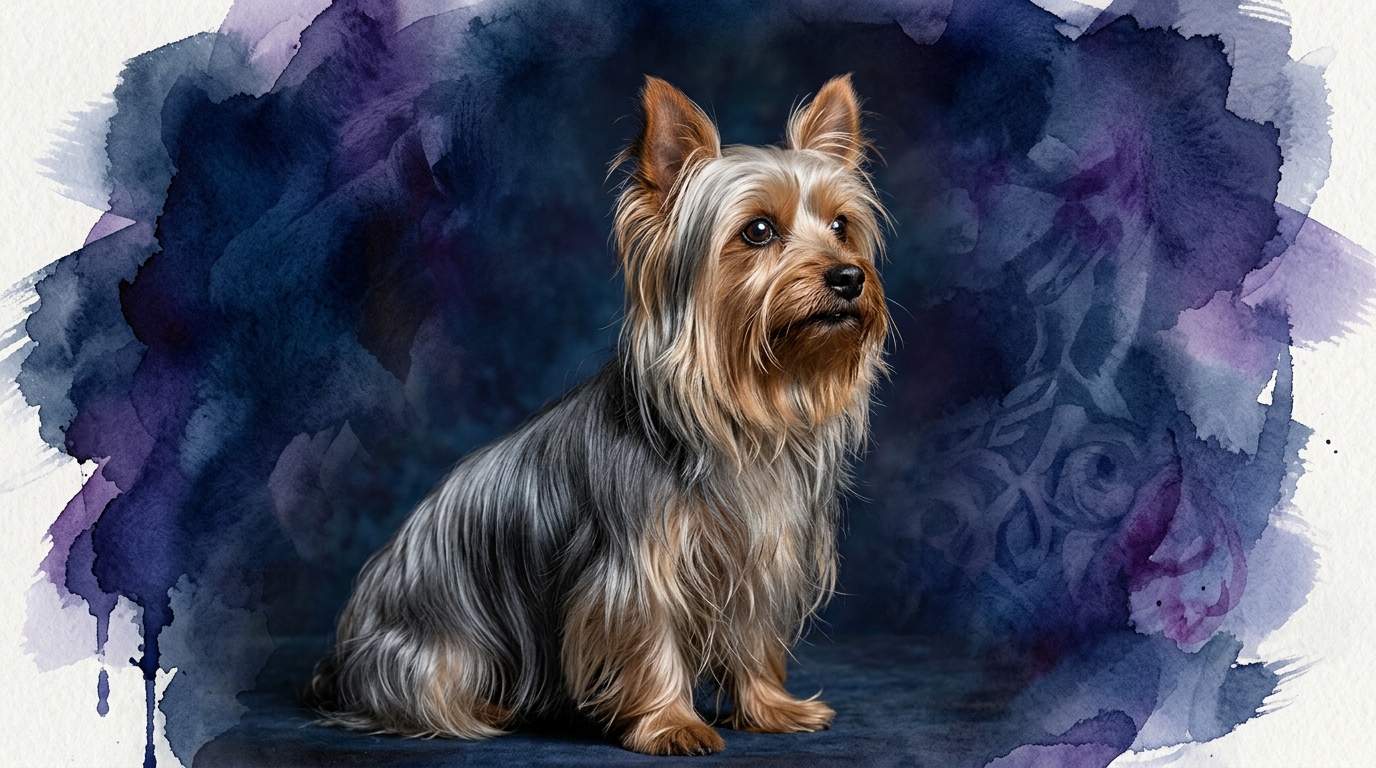
The **Silky Terrier**, a spirited member of the Toy group and not Coren-ranked, expresses its 3/5 problem-solving ability with a clever resourcefulness within a domestic setting. These agile dogs are adept at figuring out how to get what they want, whether manipulating a puzzle toy, finding a way onto a forbidden piece of furniture, or charming their human companions for attention. Their problem-solving is often focused on navigating social dynamics and their immediate surroundings to achieve personal comfort or gratification. Their training speed, also 3/5, suggests they can grasp new concepts at an average pace, often quickly when motivated by positive reinforcement. However, their terrier heritage can introduce a streak of independence and selective hearing, requiring consistent, engaging training methods to maintain focus. The Silky Terrier's social intelligence, rated 3/5, shines in their attentiveness to human emotions, routines, and household dynamics. They are perceptive observers, skilled at communicating their needs and desires through various vocalizations and body language, making them highly responsive companions. Their instinctive drive, also 3/5, is rooted in their terrier ancestry, manifesting as a strong prey drive, a tendency to be alert and vocal, and a significant need for companionship. This fuels their natural curiosity and their role as vigilant, if sometimes noisy, watchdogs. Finally, their memory at 3/5 ensures they retain information about routines, favorite people, and past experiences, recalling where treats are stored or which commands lead to the best rewards, but also remembering negative associations.
Where Great Pyrenees Wins Cognitively
The Great Pyrenees' cognitive strengths lie in their capacity for independent judgment and nuanced environmental assessment over expansive areas. Their problem-solving excels in scenarios requiring autonomous decision-making, such as identifying a subtle shift in livestock behavior that signals danger or strategically positioning themselves to monitor a large territory. Their memory is particularly robust for spatial layouts and long-term threat recognition, allowing them to consistently apply learned protective strategies. This breed demonstrates a quiet, pervasive intelligence focused on the sustained well-being and security of their charges, often without direct human intervention, a mental feat distinct from task-oriented obedience.
Where Silky Terrier Wins Cognitively
Conversely, the Silky Terrier's cognitive advantages are pronounced in their adaptability to complex social environments and their cleverness in navigating human-centric spaces. Their problem-solving is often expressed through resourceful manipulation of their surroundings and human companions to achieve desired outcomes, such as securing attention or preferred resting spots. Their social intelligence allows them to quickly pick up on household routines and human emotional states, making them highly responsive and engaging companions. This breed's memory is particularly sharp for social interactions and routines that bring comfort or reward, enabling them to quickly integrate into family life and anticipate events.
Which is Easier to Train and Why
Comparing ease of training between these two breeds highlights their fundamental differences in motivation and purpose. The Great Pyrenees, with its independent nature, can present a unique training challenge. While they possess a 3/5 training speed and learn what is expected, their deep-seated instinct to make autonomous decisions means they often prioritize their own assessment of a situation over immediate human commands. This isn't stubbornness in a malicious sense, but rather a manifestation of their historical role as guardians who needed to act without constant human direction. Training a Great Pyrenees demands immense patience, positive reinforcement, and an understanding that compliance is often earned through trust and respect, not simply demanded. Their responses might be slower and more considered, especially if a command conflicts with their perceived duty or comfort.
The Silky Terrier, while also possessing a 3/5 training speed, can often appear 'easier' to train in a traditional obedience sense due to their strong desire for human companionship and their motivation by treats and praise. They are often eager to engage in interactive training sessions and can quickly pick up tricks and commands. However, their terrier tenacity and lively spirit mean consistency is paramount to prevent the development of selective hearing or undesirable behaviors like excessive alert barking or chasing small animals. Their problem-solving extends to finding loopholes in training if not consistently reinforced. While they may learn quickly, maintaining their focus and ensuring reliable execution of commands requires an owner who understands their spirited nature and provides engaging, varied training.
Which Suits Active Owners vs. Relaxed Owners
The choice between a Great Pyrenees and a Silky Terrier also depends heavily on an owner's lifestyle. A Great Pyrenees, despite its calm demeanor, is best suited for owners who appreciate a dog with a profound sense of purpose and require ample space. They are not 'active' in the sense of needing high-intensity fetch games or long runs, but they require owners who understand and respect their need to patrol and survey their territory. Owners should be prepared for their selective hearing and independent decision-making, which can manifest as a relaxed approach to immediate obedience. They suit owners who value a watchful, steadfast companion over a highly biddable one and who can provide a secure, spacious environment. Their mental engagement comes from observing and guarding, not constant interaction.
The Silky Terrier, conversely, despite its small size, thrives with owners who are actively engaged and enjoy consistent interaction. They require more mental stimulation through interactive play, puzzle toys, and regular, though not necessarily extensive, physical activity like short walks or indoor games. They are not a 'relaxed' dog in terms of mental engagement; they thrive on being part of the family's activities and require owners who can provide consistent attention and training to channel their spirited energy constructively. They suit owners who enjoy a lively, clever companion and are prepared to provide ongoing mental challenges and social engagement in a domestic setting.
The Verdict
Choose the Great Pyrenees if you seek a calm, independent guardian for a spacious property, valuing a dog's profound sense of purpose and autonomous protective instincts over immediate obedience.
Opt for the Silky Terrier if you desire a lively, clever companion for a more active indoor lifestyle, appreciating a dog's spirited engagement, social perceptiveness, and readiness for interactive play and consistent training.
🧠 Find Your Pet's IQ Score
Our Pet IQ Lab assessment covers 25+ tests across 5 cognitive dimensions — personalized to your breed.
Take the Full IQ Test →Frequently Asked Questions
Are Great Pyrenees difficult to train because of their independence?
Great Pyrenees are not inherently difficult to train in terms of learning capacity, but their strong independent nature means they often prioritize their own assessment of a situation. This requires patient, consistent, and positive reinforcement-based training that respects their guardian instincts and builds a strong, trusting relationship.
Do Silky Terriers bark a lot due to their alert nature?
Silky Terriers do have a strong instinctive drive to be alert and can be quite vocal, often barking to announce new arrivals or unusual sounds. This trait stems from their terrier heritage and makes them excellent, albeit sometimes noisy, watchdogs. Consistent training and early socialization can help manage excessive barking.
Which breed is better for first-time dog owners?
Neither breed is typically recommended as an 'easy' first-time dog for owners due to their distinct cognitive and behavioral needs. The Great Pyrenees' independence and guardian instincts require an experienced hand, while the Silky Terrier's spirited nature and need for consistent engagement can be challenging for novices. Both benefit from owners who understand their specific breed characteristics.