Side-by-Side IQ Profile: Great Pyrenees vs. Wire Fox Terrier
At The Cosmic Pet Pet IQ Lab, we evaluate canine cognition across five key dimensions. While both the Great Pyrenees and the Wire Fox Terrier score similarly with a 3/5 across these metrics, the manifestation of these cognitive abilities is profoundly shaped by their historical roles and inherent temperaments, offering a rich tapestry for comparison. Their '3' ratings do not suggest identical mental processes, but rather distinct pathways to competence.
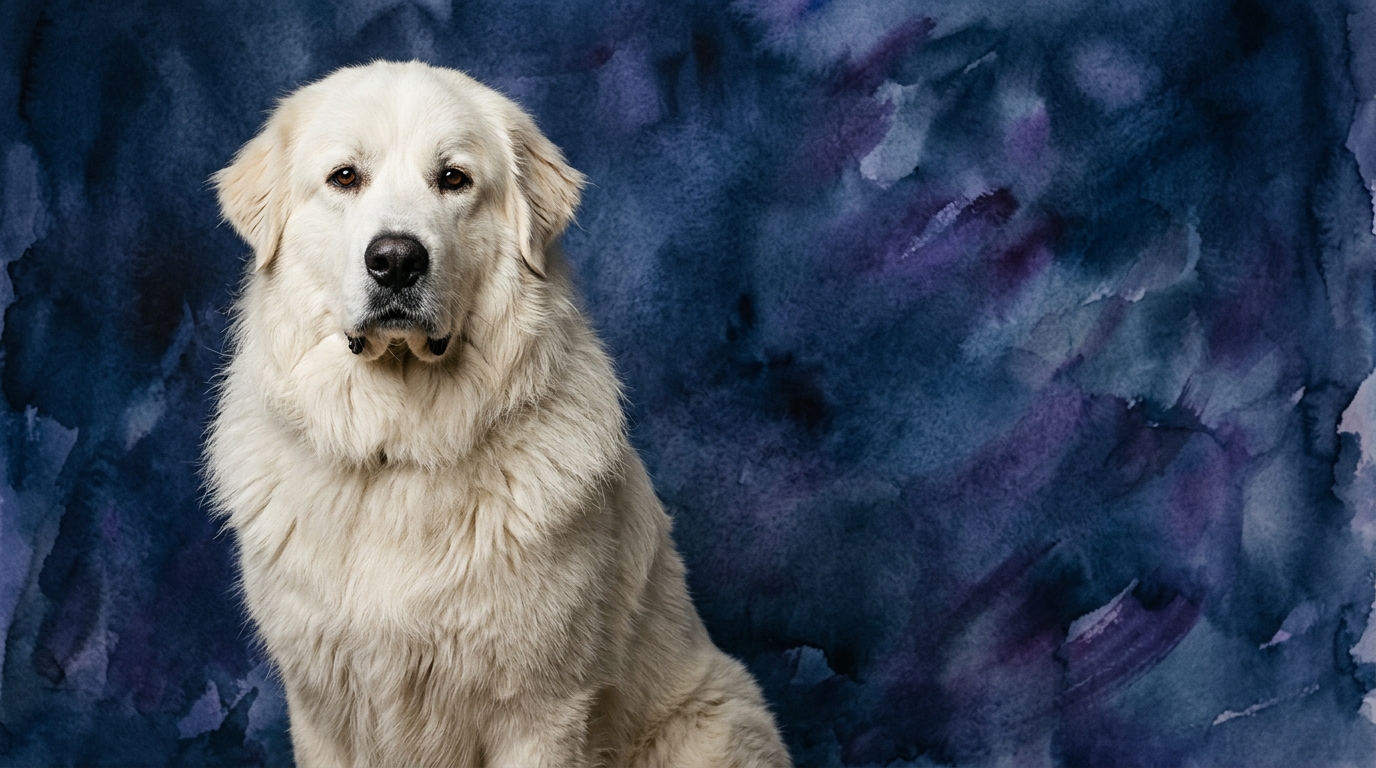
The **Great Pyrenees**, often seen as a gentle giant, carries a Coren rank of #64, reflecting a certain independence in obedience and working intelligence. Their Problem Solving at 3/5 is characterized by an autonomous approach; they excel at figuring out how to protect their charges, often making decisions independently in the absence of human direction, which might sometimes appear as stubbornness in a domestic setting. Their Training Speed, also 3/5, means they learn at a moderate pace, but their deep-seated independence often requires an owner to convince them of the value of a command rather than simply demanding compliance. Social Intelligence at 3/5 for the Pyrenees is often expressed through their nuanced understanding of flock dynamics and subtle threat assessment, being reserved with strangers but deeply connected to their family. Their Instinctive Drive, a robust 3/5, is almost entirely focused on guardianship and protection, making them vigilant and territorial. Finally, their Memory, rated 3/5, allows them to retain extensive knowledge of their territory, routines, and the individuals they are responsible for safeguarding.
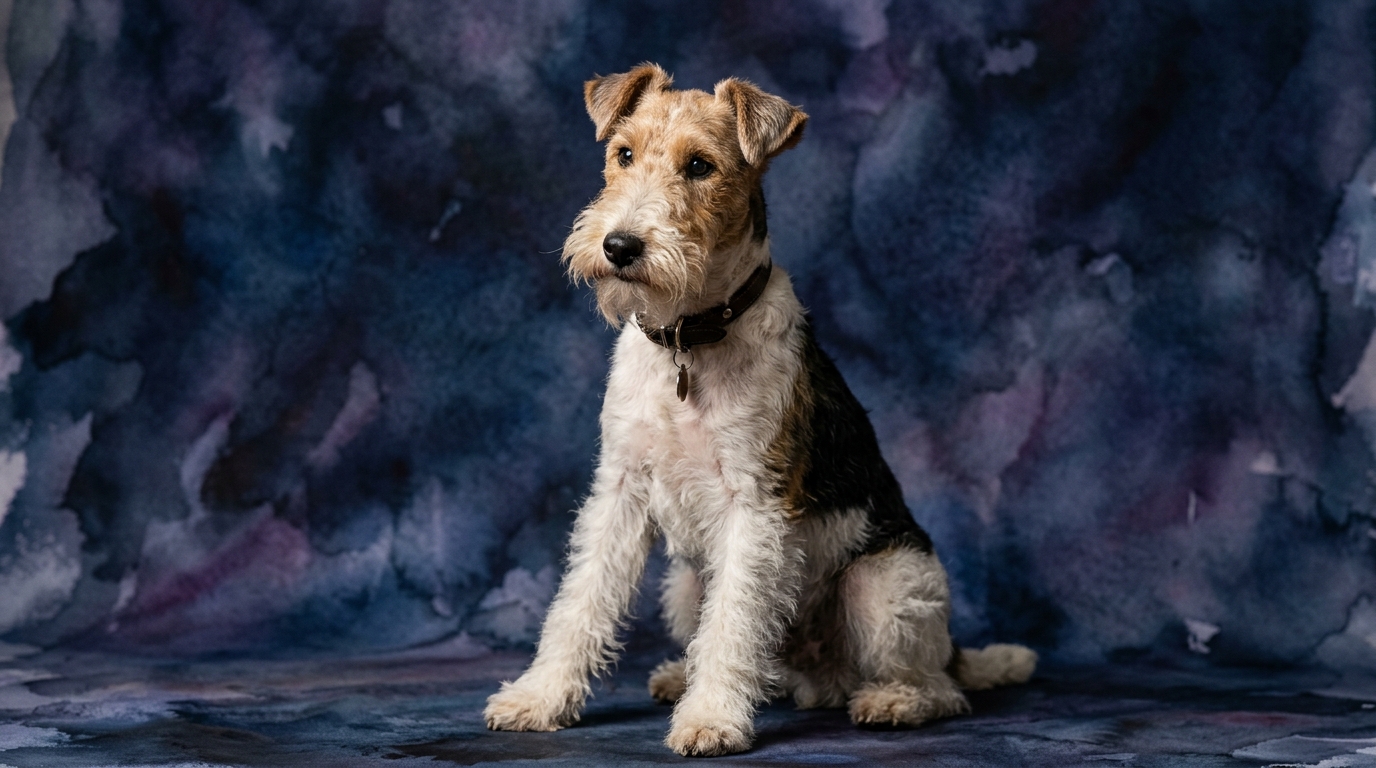
The **Wire Fox Terrier**, unranked by Coren but equally intriguing, exhibits its 3/5 Problem Solving through tenacious exploration and ingenious methods to pursue interests, whether it's digging out a perceived rodent or navigating complex obstacles for a toy. Their Training Speed, also 3/5, indicates they can grasp concepts quickly, but their spirited independence and high energy can make consistent execution a delightful challenge, requiring engaging and varied training methods. Social Intelligence at 3/5 for the Wire Fox Terrier often presents as an outgoing, sometimes boisterous, engagement with familiar humans, coupled with a keen awareness of their surroundings and a strong opinion about other animals. Their Instinctive Drive, a powerful 3/5, is largely channeled into hunting, digging, and energetic play, fueling their ceaseless curiosity and exploration. Their Memory, a solid 3/5, means they recall routines, command sequences, and the locations of intriguing scents or hidden treasures with impressive accuracy.
Where the Great Pyrenees Excels Cognitively
The Great Pyrenees' cognitive strengths are deeply rooted in their millennia-old role as independent livestock guardians. Their paramount win lies in their capacity for autonomous decision-making in complex, low-supervision environments. Unlike many breeds that defer to human command for every action, a Pyrenees excels at continuously assessing threats to their 'flock' – be it sheep or family members – and responding appropriately without explicit instruction. This involves a sophisticated understanding of environmental cues, animal behavior, and the nuanced escalation of a potential threat. They possess a remarkable ability for sustained, low-level vigilance, maintaining an awareness of their surroundings for extended periods, a cognitive marathon that few breeds can match. Their problem-solving isn't about solving human puzzles but about strategically protecting their charges, often using their imposing presence as a primary deterrent, a testament to their calculated, rather than impulsive, application of intellect.
Where the Wire Fox Terrier Excels Cognitively
The Wire Fox Terrier's cognitive advantages are a direct reflection of their heritage as agile, determined hunters of small game. Their cognitive wins shine brightest in scenarios requiring swift, decisive action and persistent ingenuity. They display superior problem-solving when faced with a tangible goal, such as locating a scent, extracting an object from a tight space, or outsmarting a perceived 'prey.' This involves quick spatial reasoning and an ability to adapt rapidly to changing circumstances, demonstrating a dynamic form of intelligence. Their tenacity, driven by their instinctive drive, means they will often try multiple approaches to achieve an objective, exhibiting a resourceful creativity. They excel in environments that demand quick reflexes and an engaging mental challenge, thriving on the thrill of the chase or the satisfaction of a 'successful hunt,' even if it's just a game of fetch with a favorite toy.
Which Is Easier to Train and Why?
When considering 'easier to train,' it’s essential to distinguish between quick learning and consistent compliance, as both breeds present unique training challenges. The Wire Fox Terrier, with its quick grasp of new concepts and eagerness to engage, might initially appear 'easier' to train in a classroom setting. They often pick up commands rapidly and enjoy the interactive nature of training, but their boundless energy, strong prey drive, and occasional stubbornness can make sustained focus and consistent execution challenging. Their spirited nature means training must be highly engaging, varied, and reward-based to maintain their interest and channel their quick wit productively. Consistency is key, not just in teaching, but in managing their exuberance.
The Great Pyrenees, conversely, requires a different approach. While their training speed is rated similarly, their independence means they are less inclined to perform simply to please. They will learn commands, but their compliance is often contingent on whether they perceive the command as logical or beneficial within their world view. Their guardian instincts can sometimes override obedience, especially if they feel their family or territory is threatened. Training a Pyrenees demands immense patience, positive reinforcement, and a deep understanding of their independent, protective nature; it's about building a partnership where they trust your judgment, rather than expecting unquestioning obedience. Therefore, neither is 'easier' in a simple sense; the Wire Fox Terrier offers quick uptake but demands consistent management of energy and drive, while the Great Pyrenees requires a longer investment in building trust and convincing them of the value of cooperation.
Which Suits Active Owners vs. Relaxed Owners?
For owners with an active lifestyle, capable of providing consistent mental and physical engagement, the Wire Fox Terrier is an ideal match. These dogs thrive on structured activities like agility, earthdog trials, long hikes, and vigorous play sessions that tap into their natural drives and boundless energy. They need owners who can commit to daily outlets for their quick minds and tenacious spirits, turning their inherent curiosity into productive engagement rather than mischievous endeavors. Their requirement for regular, stimulating interaction makes them best suited for individuals or families who embrace an energetic, participatory approach to dog ownership.
Conversely, owners seeking a more relaxed pace, particularly those with a larger property that can serve as their dog's 'flock,' will find the Great Pyrenees a better fit. While they do require regular exercise, it often takes the form of patrolling their territory, which is mentally stimulating for them. Indoors, they are typically calm and composed, content to observe their surroundings and be near their family. Their mental engagement is more about observational vigilance and quiet guardianship rather than high-intensity tasks or constant interaction. They suit owners who appreciate an independent companion and can provide a secure outdoor space for their protective instincts to flourish, without demanding constant high-energy activities.
The Verdict
Choose the Great Pyrenees if you seek an independent, watchful guardian for a large property, understanding their protective instincts and valuing a calm, observant companion over one that requires constant interaction and high-intensity activities.
Opt for the Wire Fox Terrier if you are an active owner who enjoys providing consistent mental and physical challenges, thrives on engaging a tenacious, curious companion, and can channel their high energy and prey drive into structured activities.
🧠 Find Your Pet's IQ Score
Our Pet IQ Lab assessment covers 25+ tests across 5 cognitive dimensions — personalized to your breed.
Take the Full IQ Test →Frequently Asked Questions
Do Great Pyrenees need a lot of mental stimulation?
Yes, but their mental stimulation often takes the form of observational vigilance and patrolling their territory rather than complex puzzle toys or obedience drills. Their minds are constantly active assessing their environment for potential threats or changes, fulfilling their inherent guardian role.
Are Wire Fox Terriers good at problem-solving?
Absolutely. Their resourcefulness shines when they're determined to achieve a goal, whether it's finding a hidden toy, figuring out how to get to an interesting scent, or navigating obstacles. This tenacity and quick thinking require thoughtful management and engaging outlets from their owners.
How do their social intelligences differ?
The Great Pyrenees excels at reading subtle environmental cues related to safety and threat, being reserved but deeply loyal to their family. The Wire Fox Terrier often displays a more direct, engaging social intelligence with familiar humans, though they can be quite opinionated or assertive with other animals due to their strong prey drive.