Side-by-Side IQ Profile
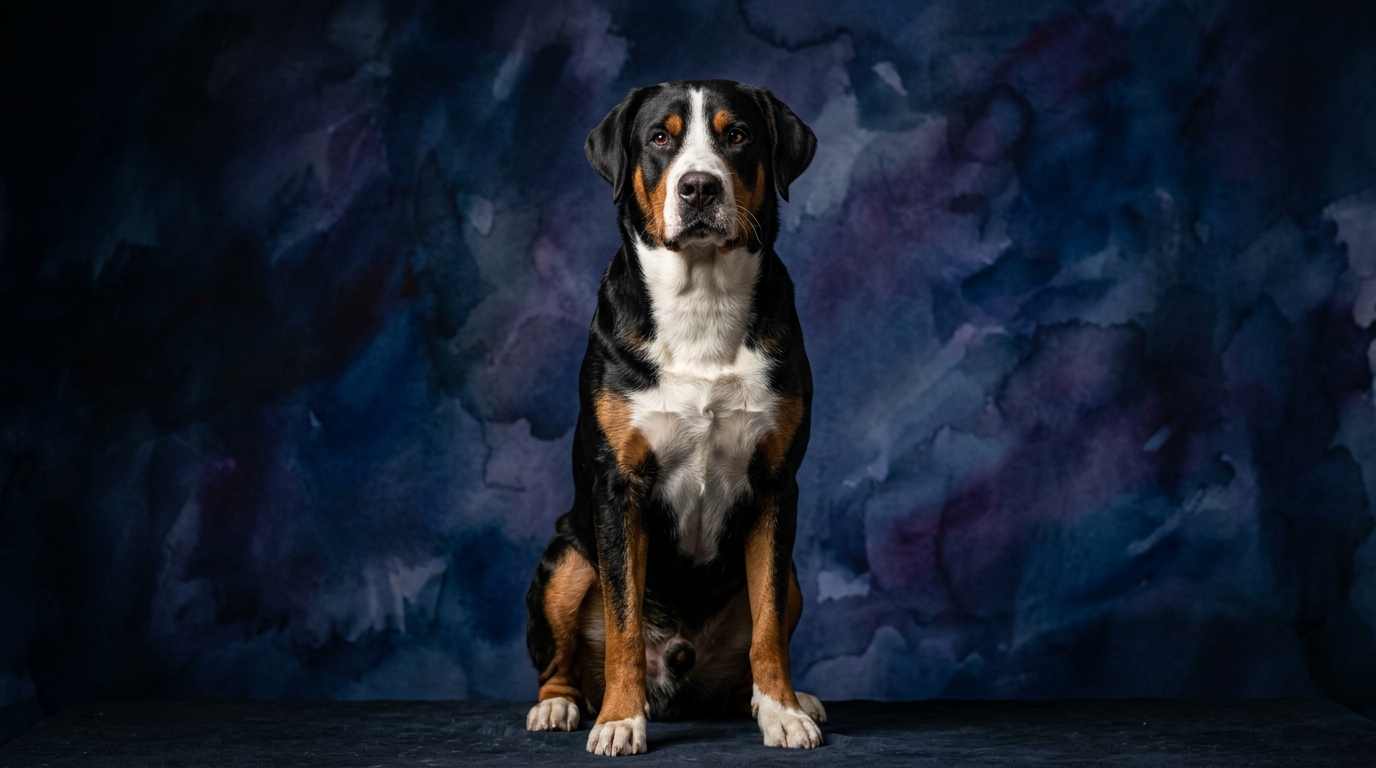
The Greater Swiss Mountain Dog (GSMD), originating from the Swiss Alps, were powerful working dogs bred for tasks like herding, guarding, and drafting, roles that demand a balanced intellect. Their Problem Solving at 3/5 suggests a practical aptitude for navigating complex physical environments and executing multi-step tasks, such as maneuvering livestock or pulling carts over varied terrain, rather than abstract puzzles. Training Speed at 3/5 indicates they absorb commands at a moderate pace, requiring consistent, clear instruction to master their working duties without being overly quick to generalize. Social Intelligence, also 3/5, manifests in their awareness of their human handlers' intentions and their place within a structured 'pack,' crucial for effective teamwork. Their Instinctive Drive, rated 3/5, is geared towards their ancestral working functions—a persistent desire to perform tasks, protect, and be engaged in purposeful activity. Memory at 3/5 means they retain learned behaviors and routines reliably, essential for remembering specific routes, commands, or the layout of their territory over time.
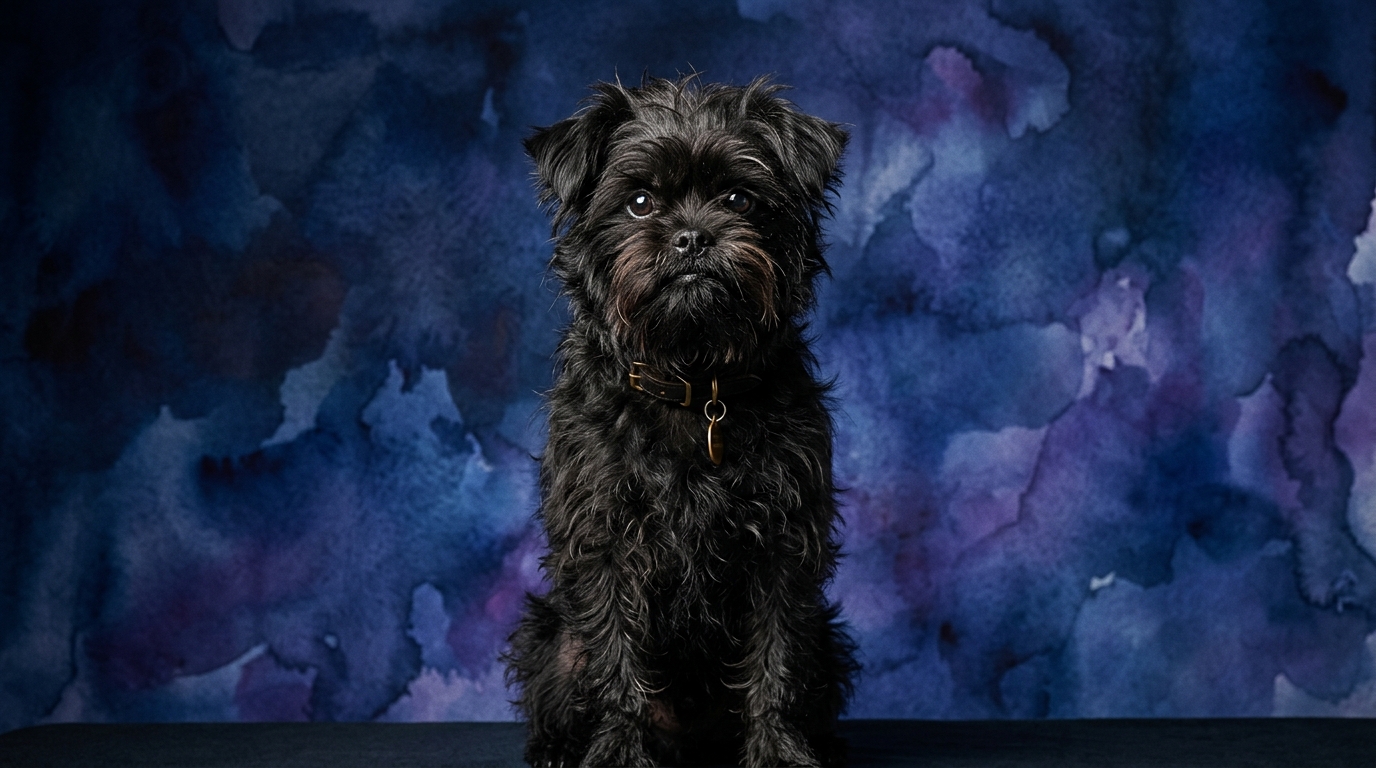
The Affenpinscher (AP), hailing from Germany, the "monkey terrier" was originally tasked with vermin control in kitchens and stables, a role requiring a different kind of cleverness. Their Problem Solving at 3/5 suggests an aptitude for navigating confined spaces, figuring out how to reach hidden treats, or manipulating objects to achieve a desired outcome, often driven by curiosity or mischief, rather than brute force. Training Speed at 3/5 indicates they learn commands at a moderate pace, but their independent terrier spirit might require more engaging and varied methods to maintain focus, as rote repetition can bore them. Social Intelligence, also 3/5, is finely tuned to their human companions' moods and routines, allowing them to adapt their behavior for maximum companionship and often eliciting desired attention. Their Instinctive Drive, rated 3/5, manifests as a strong prey drive towards small scurrying creatures and a bold, self-assured determination in their interactions, even with much larger dogs. Memory at 3/5 means they recall specific household rules, routines, and the preferences of their favorite people, often using this knowledge to their advantage in social settings.
Where Greater Swiss Mountain Dog Wins Cognitively
Despite identical scores, the GSMD's cognitive strengths are particularly evident in scenarios demanding physical prowess combined with sequential thinking. Their 3/5 Problem Solving shines in practical, real-world applications where strength and endurance are prerequisites, such as learning complex agility courses that involve multiple obstacles in a specific order, or understanding the mechanics of pulling a weighted cart. This isn't about abstract thought, but rather applying intellect to physical tasks. Their 3/5 Instinctive Drive, rooted deeply in their working heritage, translates into a sustained focus on tasks that provide purpose, making them exceptionally reliable in repetitive duties like guarding property or assisting with farm work, where consistency over long periods is paramount. While both breeds have 3/5 Memory, the GSMD’s memory is particularly robust for spatial awareness and routines tied to their environment and duties, remembering where things belong or the layout of a large property with impressive accuracy, which is less critical for a small indoor companion.
Where Affenpinscher Wins Cognitively
The Affenpinscher's cognitive advantages, while still rated 3/5 across the board, are distinctively tailored to their role as a companion and former vermin hunter. Their 3/5 Problem Solving often manifests as a cunning ability to navigate household challenges, such as figuring out how to open cabinets or retrieve dropped items from tight spaces, demonstrating a sharp, resourceful intellect within a domestic setting. This isn't about physical strength, but rather agility of mind and paw. Their 3/5 Social Intelligence is particularly acute in reading subtle human cues and adapting their behavior to fit the emotional climate of a room, often used to charm or gain attention, making them remarkably adept at emotional manipulation in a playful sense. This high attunement to human emotions is a hallmark of many toy breeds, fostering deep bonds. The Affenpinscher's 3/5 Instinctive Drive, while historically tied to hunting vermin, now often translates into a tenacious curiosity and a bold, self-assured demeanor, prompting them to fearlessly explore new situations or stand their ground, even against much larger animals, showcasing a psychological resilience that belies their size.
Which is Easier to Train and Why
When considering ease of training, the identical 3/5 Training Speed scores for both breeds are deceptive, as their underlying motivations and physical capabilities differ significantly. The Greater Swiss Mountain Dog, with its working background, typically responds well to positive reinforcement and clear, consistent commands, especially when tasks involve purpose and physical engagement. Their moderate training speed is often balanced by a desire to please and a robust physical capacity to execute commands, making them trainable for complex tasks like carting or advanced obedience, provided the trainer is patient and consistent. Their working drive means they thrive on having a job, which can be leveraged in training. In contrast, the Affenpinscher, despite the same 3/5 Training Speed, can present a different set of training challenges due to their independent, often mischievous "terrier" temperament. While they grasp concepts, their moderate speed is often coupled with a selective hearing for commands if something more interesting catches their attention. They require highly engaging, varied training sessions to prevent boredom and stubbornness, and their small size means physical corrections are inappropriate, relying entirely on positive reinforcement and high-value rewards. Their social intelligence can also make them adept at "training" their owners if not handled with firm, consistent boundaries. Therefore, while both learn at a moderate pace, the GSMD's inherent desire for purposeful work often makes the process of training feel more straightforward and less reliant on constant novelty than with the spirited Affenpinscher.
Which Suits Active Owners vs Relaxed Owners
The choice between these two breeds for active versus relaxed owners hinges less on their identical cognitive scores and more on their physical needs and inherent temperaments. The Greater Swiss Mountain Dog, despite its moderate 3/5 Instinctive Drive, is a large, powerful working breed requiring significant physical exercise and mental engagement to prevent boredom and destructive behaviors. Their 3/5 Problem Solving and Memory are best utilized in activities like hiking, carting, or structured obedience, making them ideal companions for active owners who enjoy outdoor adventures and can provide consistent training and a "job" for their dog. A relaxed owner might find the GSMD's exercise demands overwhelming, potentially leading to an under-stimulated, restless giant. Conversely, the Affenpinscher, with its small stature, is far better suited for more relaxed owners, though they are by no means couch potatoes. Their 3/5 Instinctive Drive, while strong, can be satisfied with shorter, brisk walks, indoor play, and puzzle toys that engage their 3/5 Problem Solving in a less physically demanding way. Their 3/5 Social Intelligence makes them excellent companions for owners who appreciate a close bond and can provide ample lap time and social interaction, adapting well to apartment living. While they enjoy activity, their needs are easily met within a less strenuous daily routine, making them a better fit for those with a more leisurely lifestyle.
The Verdict
Opt for the Greater Swiss Mountain Dog if you are an active individual or family seeking a robust, loyal companion for outdoor adventures and purposeful tasks, capable of moderate training engagement and requiring significant space. Their practical intellect thrives with consistent work and structured routines.
Select the Affenpinscher if you desire a spirited, charming, and highly social companion for apartment living or a more relaxed lifestyle, appreciating a dog with a clever, independent streak. Their moderate cognitive abilities shine in close companionship and engaging indoor play.
🧠 Find Your Pet's IQ Score
Our Pet IQ Lab assessment covers 25+ tests across 5 cognitive dimensions — personalized to your breed.
Take the Full IQ Test →Frequently Asked Questions
Do Greater Swiss Mountain Dogs and Affenpinschers truly have identical intelligence?
While both breeds are rated 3/5 across the five IQ dimensions, this indicates a moderate capability in each area, not an identical manifestation. Their intelligence expresses itself differently based on their breed purpose and physical attributes, with the GSMD excelling in practical working tasks and the Affenpinscher in cunning domestic problem-solving and social navigation.
How does a dog's breed group (Working vs. Toy) influence how their IQ scores manifest?
A breed's group heavily influences how its inherent cognitive abilities are applied. Working breeds like the GSMD leverage their intellect for physical tasks, teamwork, and endurance, while Toy breeds like the Affenpinscher apply their cognition to social dynamics, navigating human environments, and often charming their way into privileges, despite having similar underlying intellectual capacities.
Can an Affenpinscher be trained for complex tasks like a Greater Swiss Mountain Dog?
While an Affenpinscher possesses a moderate training speed (3/5), their small size and independent nature make them less suited for the physically demanding and repetitive tasks a GSMD might perform. They can learn complex tricks and agility, but their "complexity" often lies in mental engagement and novelty rather than strenuous physical execution or prolonged, repetitive work.