Side-by-Side IQ Profile: Greater Swiss vs. Chow Chow
The Cosmic Pet Pet IQ Lab assesses canine intelligence across five key dimensions. For both the Greater Swiss Mountain Dog and the Chow Chow, all five categories are rated at 3/5, suggesting a moderate capacity. However, how these capacities manifest in their daily lives and interactions is distinctly influenced by their breed origins and inherent temperaments.
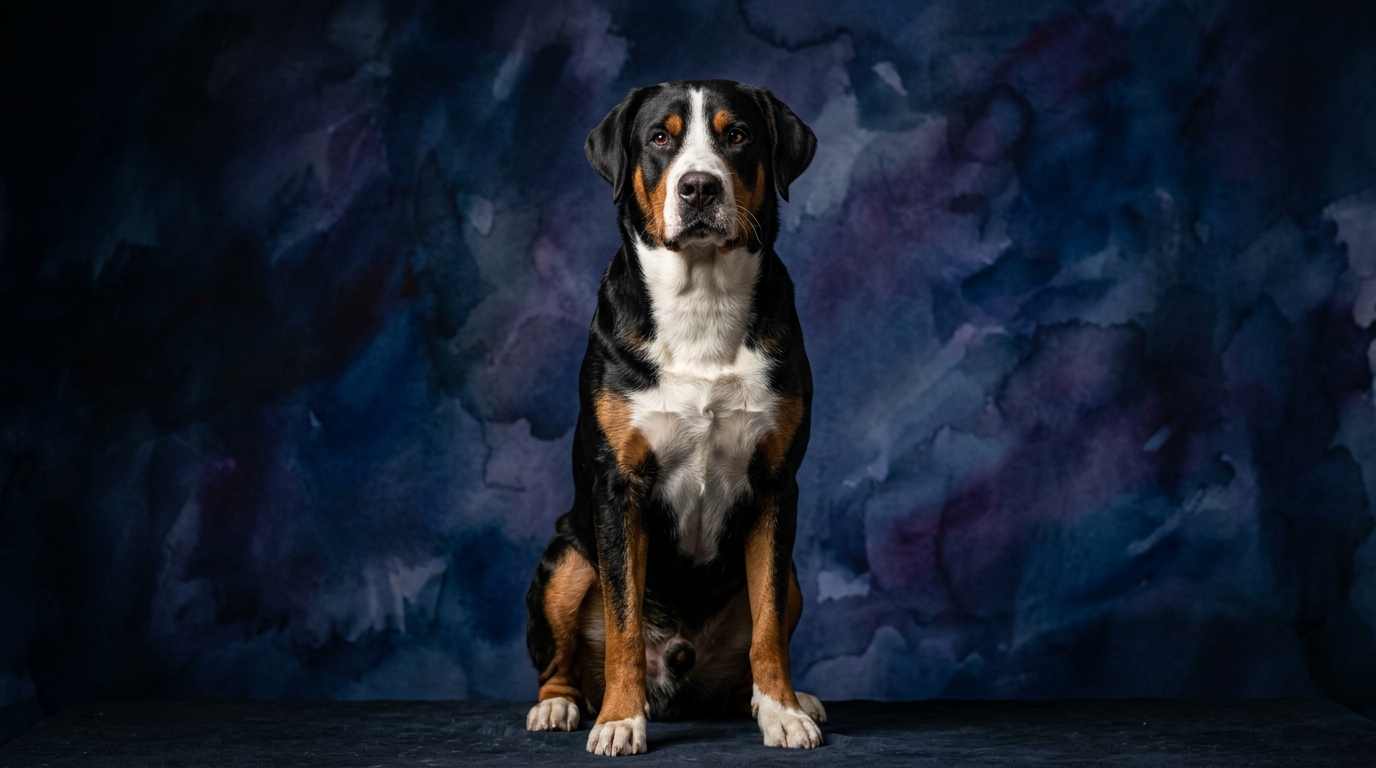
For the Greater Swiss Mountain Dog (Working Group): Problem Solving (3/5): Displays practical, handler-focused problem-solving, applying learned behaviors to new situations like navigating obstacles. Training Speed (3/5): Moderately receptive to new commands; consistent repetition and clear communication are key. Social Intelligence (3/5): Reads human moods and intentions well, adapting behavior to maintain household harmony. Instinctive Drive (3/5): Drives rooted in farm dog roles, including protective instincts and moderate drafting/herding interest. Memory (3/5): Solid memory for commands, routines, and experiences, with learned behaviors sticking with reinforcement.
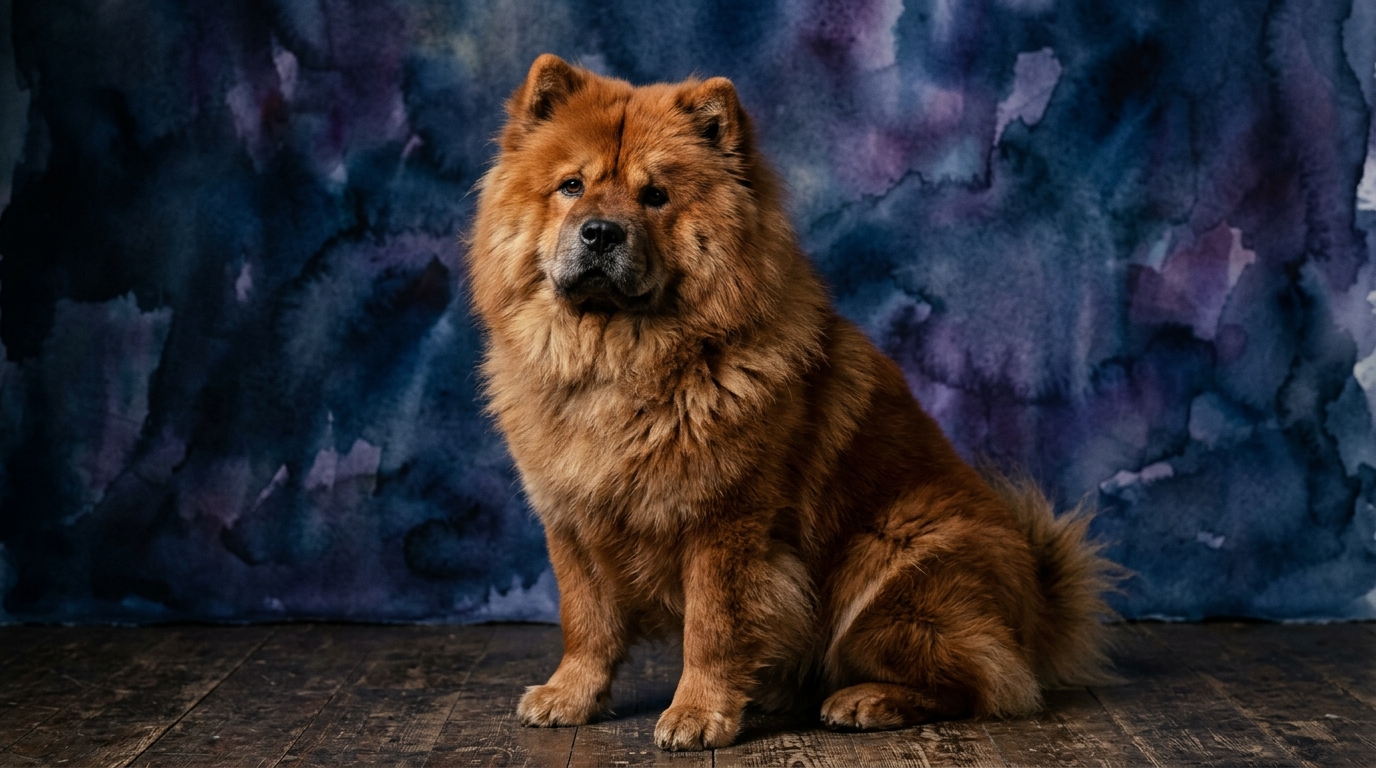
For the Chow Chow (Non-Sporting Group): Problem Solving (3/5): Approaches problems independently, prioritizing self-interest or personal space, often avoiding unwanted interactions. Training Speed (3/5): Learns new commands at a moderate pace, but independence means selective compliance may slow perceived progress. Social Intelligence (3/5): Social understanding is selective, keenly attuned to immediate family but reserved towards strangers, preferring dignified distance. Instinctive Drive (3/5): Drives centered on guarding and territorial protection, alongside strong self-preservation, fostering a watchful, independent demeanor. Memory (3/5): Good memory for routines, boundaries, and inner circle, with past interactions influencing future responses.
Where the Greater Swiss Mountain Dog Excels Cognitively
The Greater Swiss Mountain Dog's 3/5 in Problem Solving often manifests as a more cooperative and handler-focused approach. When faced with a novel situation, a Greater Swiss is more likely to pause, observe their human for cues, and then attempt a solution that aligns with shared goals, such as finding a dropped toy or navigating a new walking path with their owner. Their cognitive strength lies in their ability to integrate human directives into their problem-solving process, making them adaptable partners in practical tasks.
Furthermore, their 3/5 Social Intelligence, combined with their Working group heritage, means they generally process and respond to human emotional states and commands with greater willingness. This translates into a dog that is typically more attuned to the nuances of their owner's voice and body language, making them more responsive in dynamic environments. This cognitive strength underpins their historical role as versatile farm dogs, capable of understanding and executing varied tasks alongside humans.
Where the Chow Chow Shows Unique Cognitive Strengths
The Chow Chow's 3/5 in Problem Solving is distinctively characterized by its independence and self-reliance. Rather than seeking human guidance, a Chow Chow is more inclined to assess a situation and devise a solution that serves its own comfort or security. This might involve finding the perfect vantage point for guarding, or strategically avoiding an uncomfortable situation, demonstrating an innate, self-directed ingenuity. Their cognitive strength lies in their ability to make autonomous decisions, often without needing external validation or direction.
Their 3/5 Social Intelligence, while appearing aloof to outsiders, is exceptionally keen within their chosen family unit. They possess a deep, discerning understanding of their immediate human pack's dynamics and loyalty. This allows them to act as vigilant, self-appointed protectors, making astute judgments about who poses a threat and who belongs, without necessarily displaying overt affection. This cognitive trait is a cornerstone of their ancient guarding heritage, enabling them to maintain vigilance with minimal fuss.
Training Ease: Greater Swiss Mountain Dog vs. Chow Chow
Despite both breeds having a 3/5 Training Speed, the Greater Swiss Mountain Dog is generally easier to train due to fundamental differences in their social intelligence and instinctive drives. The GSMD, as a Working dog, possesses an inherent desire for partnership and a greater willingness to engage in cooperative tasks. Their 3/5 Social Intelligence translates to a higher receptiveness to human direction and a genuine interest in pleasing their owner, which fuels their motivation during training. When a GSMD learns a command, they are more likely to execute it consistently because their cognitive framework values collaboration and purpose.
Conversely, the Chow Chow's independence, though not a lack of cognitive ability, presents a significant challenge in training. While their 3/5 Training Speed indicates they *can* learn, their 3/5 Social Intelligence often means they prioritize their own judgment and comfort over human requests. The Chow Chow's Coren rank of #76 among 79 breeds for obedience intelligence further illustrates this; they understand commands but often choose whether or not to comply, especially if they perceive no immediate benefit to themselves. Training a Chow Chow demands immense patience, positive reinforcement, and a deep understanding of their unique, self-assured temperament, as forcing compliance often proves counterproductive.
Lifestyle Fit: Active Owners vs. Relaxed Owners
For active owners who appreciate a canine partner eager for shared activities and consistent engagement, the Greater Swiss Mountain Dog is often the more suitable choice. Their cognitive makeup, particularly their cooperative problem-solving and social intelligence, thrives on structured interaction, mental challenges, and a sense of purpose. They enjoy learning new skills, participating in dog sports like carting or hiking, and generally being involved in family life, making them ideal for individuals or families who integrate their dog into their daily adventures and provide consistent, engaging mental stimulation.
Relaxed owners who value a dignified, independent companion and are prepared for a more self-directed canine personality may find the Chow Chow a better match. While they still require mental engagement, their cognitive strengths lean towards quiet observation and autonomous decision-making rather than constant human-directed activity. They are content with a predictable routine, moderate exercise, and a strong, consistent leader who respects their reserved nature. Owners who understand and appreciate a dog that thinks for itself, and who can provide patient, consistent guidance without demanding effusive compliance, will find the Chow Chow a rewarding, if unique, companion.
The Verdict
Opt for the Greater Swiss Mountain Dog if you seek a cooperative, engaged companion that thrives on partnership and shared activities, valuing their natural willingness to learn and please.
Select the Chow Chow if you appreciate a dignified, independent dog that offers unique loyalty on its own terms, and you are prepared for a patient, nuanced approach to training and interaction.
🧠 Find Your Pet's IQ Score
Our Pet IQ Lab assessment covers 25+ tests across 5 cognitive dimensions — personalized to your breed.
Take the Full IQ Test →Frequently Asked Questions
Do similar IQ scores mean these breeds learn at the same pace?
While both breeds have a 3/5 training speed, the motivation behind their learning differs significantly. The Greater Swiss often learns more readily due to a desire to cooperate, whereas the Chow Chow, though capable, may take longer due to its independent nature and selective compliance.
How does their social intelligence impact their family life?
The Greater Swiss Mountain Dog's social intelligence typically fosters a more openly affectionate and engaged family member, eager to participate. The Chow Chow's 3/5 social intelligence translates to deep loyalty to its immediate family, but often expressed with a reserved dignity and less overt participation in social games.
Can a Chow Chow be trained for complex tasks despite its independence?
Yes, a Chow Chow can learn complex tasks, but it requires an extremely patient, consistent trainer who uses positive reinforcement and understands their independent mindset. Success often hinges on making the task appealing to the Chow Chow's self-interest or working with their natural guarding instincts.