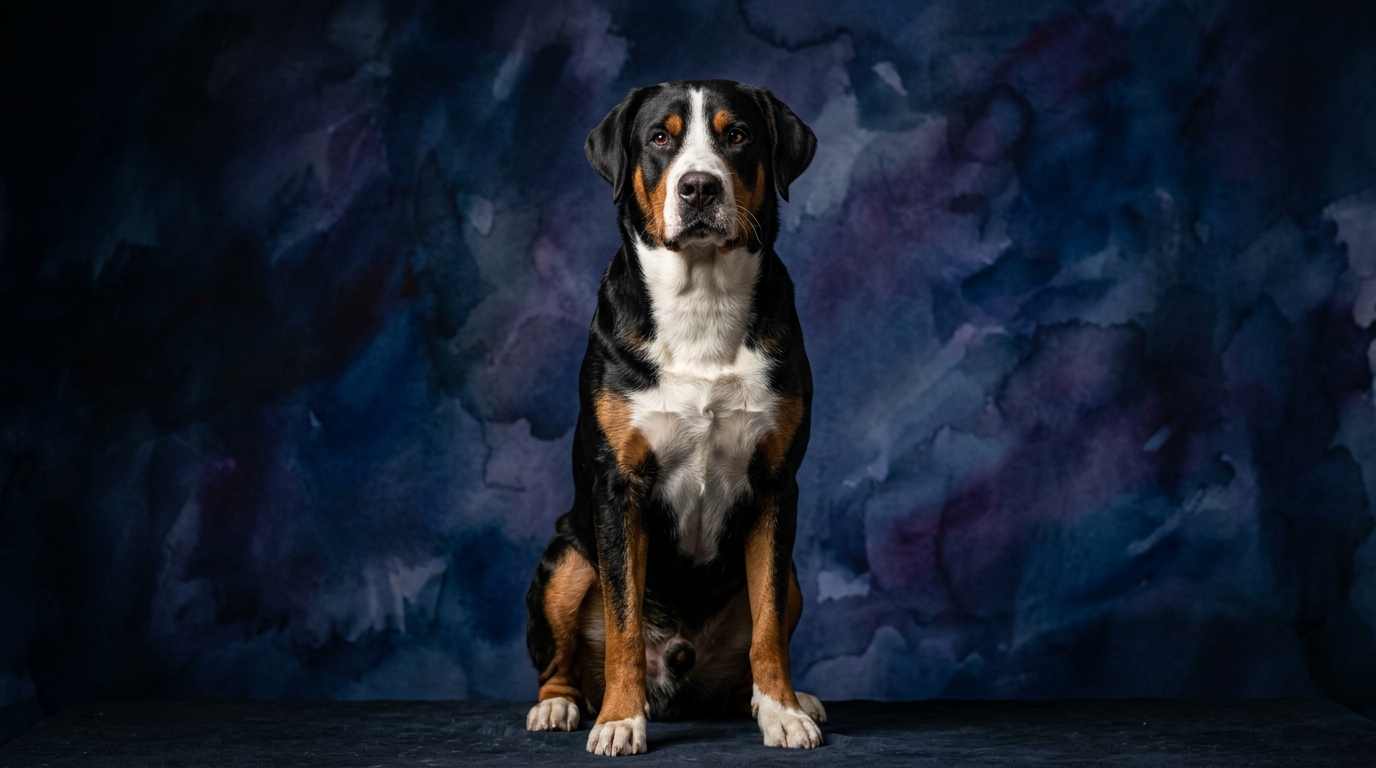
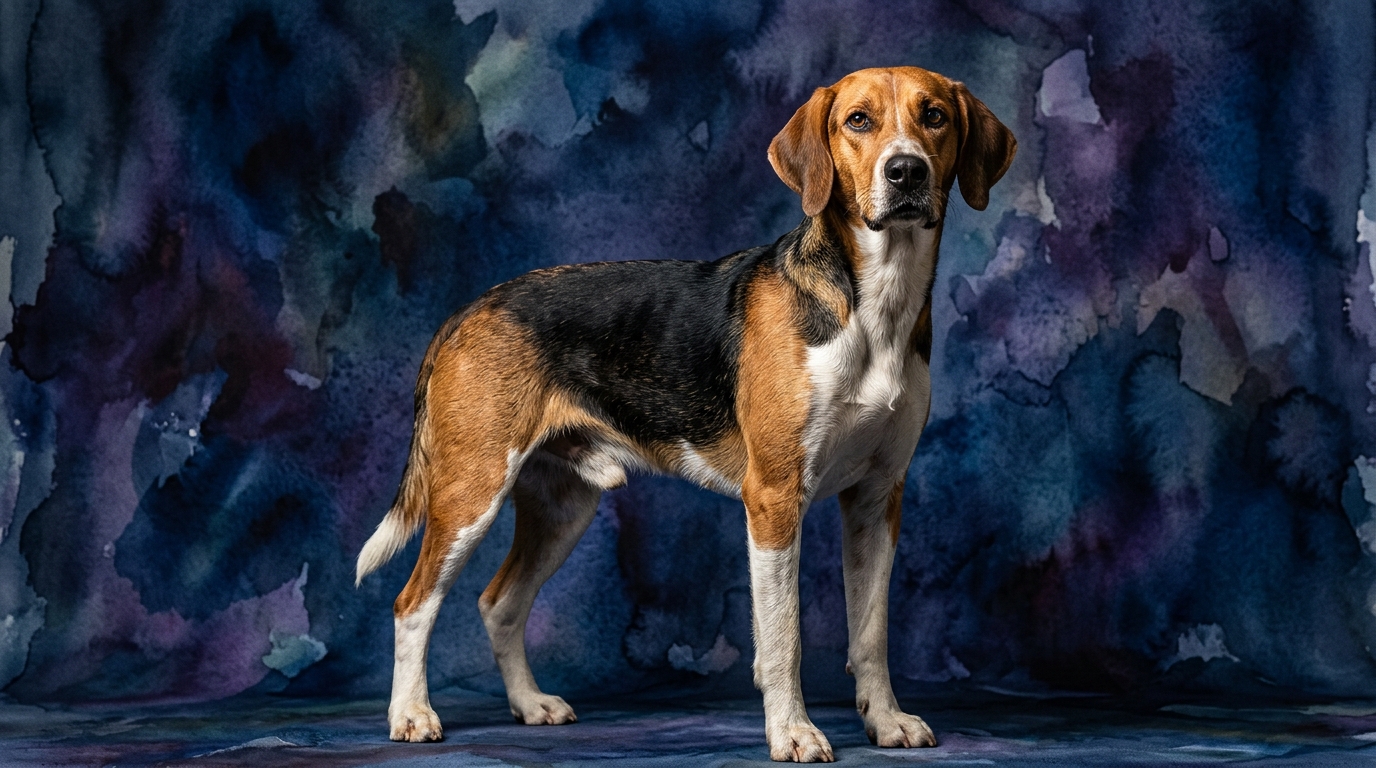
Side-by-Side Cognitive Profile
**Problem Solving (3/5):** For the Greater Swiss Mountain Dog, this score reflects a practical, situation-aware approach to challenges. Their problem-solving often involves understanding spatial relationships, like navigating a cart through a tight space, or assessing environmental changes related to their guarding duties. They tend to find robust, physical solutions that align with their working heritage.
The English Foxhound's 3/5 in problem-solving manifests differently, centered almost entirely on their primary instinct: scent work. Their cognitive efforts are dedicated to deciphering intricate scent trails, distinguishing target odors from distractions, and navigating complex terrain with a singular focus. Their 'problems' are sensory puzzles, requiring sustained mental effort to unravel.
**Training Speed (3/5):** The Greater Swiss Mountain Dog learns at a steady, deliberate pace. They are not prone to impulsive reactions, often taking a moment to process a command and its context before responding. This independent assessment means they require consistent, positive reinforcement and a clear understanding of expectations, which can appear as moderate learning speed rather than rapid acquisition.
The English Foxhound also scores 3/5 here, yet their training speed is heavily influenced by their powerful prey drive. While capable of learning, their attention can be easily diverted by compelling scents, making conventional obedience a continuous exercise in focus and redirection. They learn effectively when training is deeply integrated with their natural motivations, but this takes patience and creativity.
**Social Intelligence (3/5):** Greater Swiss Mountain Dogs exhibit strong social intelligence within their family unit, forming deep bonds and displaying protective loyalty. They are adept at reading human cues from their trusted companions and often show a discerning, cautious approach to strangers, assessing new individuals before fully engaging. Their social interactions are often about establishing trust and maintaining harmony within their chosen pack.
English Foxhounds, true to their pack origins, display their social intelligence primarily in interactions with other canines, thriving in a group dynamic and understanding pack hierarchy. With humans, their social engagement is often enthusiastic but can be less nuanced than breeds specifically developed for close human partnership. Their drive to follow a scent can override social niceties or direct human commands.
**Instinctive Drive (3/5):** The instinctive drive of a Greater Swiss Mountain Dog is rooted in their heritage as farm dogs and drovers. This manifests as a strong desire to guard their territory and family, pull carts, and generally engage in purposeful work alongside their humans. They possess a natural vigilance and a sense of responsibility toward their surroundings.
For the English Foxhound, a 3/5 in instinctive drive is dominated by an unwavering and profound compulsion to track, chase, and pursue. This drive is the core of their existence, compelling them to follow a scent trail relentlessly, often becoming oblivious to their immediate environment or human commands when a compelling odor is present. Their instinct is a powerful, singular force.
**Memory (3/5):** Greater Swiss Mountain Dogs possess a solid memory for routines, boundaries, and the individuals important to them. They recall past interactions and learn from experience, contributing to their reliability and ability to adapt to a consistent household structure. Their memory serves their role as a steadfast companion and guardian.
English Foxhounds demonstrate excellent memory for scent trails, learned hunting patterns, and the topography of their hunting grounds. Their memory is highly specialized, allowing them to recall where a scent was last detected or the most efficient path through a field. While adept at remembering specific tasks related to their drive, their recall might be less consistent for arbitrary human commands in distracting environments.
Where Greater Swiss Mountain Dog Wins Cognitively
The Greater Swiss Mountain Dog's cognitive strengths shine in practical, domestic applications. Their understanding of cause and effect in a home environment is often more pronounced; they can more readily grasp concepts like 'don't jump on the counter because it leads to consequences' or 'this person is allowed here, that person is not.' This makes them more intuitive participants in household routines.
Furthermore, their social discernment gives them an edge in guardian roles. They possess a greater capacity to differentiate between benign visitors and potential threats, applying their problem-solving skills to assess social situations. This nuanced understanding of human social dynamics, coupled with their protective instincts, makes them more effective at making independent judgments about safety and security.
Where English Foxhound Wins Cognitively
The English Foxhound's unique cognitive superiority lies in its specialized sensory processing. Their ability to interpret and follow complex olfactory information over vast distances and varied terrains is unparalleled among these two breeds. This involves advanced pattern recognition, differentiation of subtle scent nuances, and a mental mapping capability that allows them to track a specific scent despite environmental interference.
Their stamina and unwavering mental focus, when engaged in their primary instinctive drive, also represent a cognitive win. While other breeds might tire or lose interest in a prolonged, repetitive task, the Foxhound's mind is built for sustained, single-minded pursuit. This allows them to mentally commit to a goal—locating a scent source—with an intensity that few other breeds can match, making them exceptional in their field of work.
Which is Easier to Train and Why
For general obedience and integration into a typical family home, the Greater Swiss Mountain Dog is often considered easier to train. Their desire to please their family, combined with their thoughtful approach to commands, means they are more likely to engage with and consistently respond to human instruction. While they may take a moment to process, once they understand the 'why,' they are generally reliable.
The English Foxhound presents a greater training challenge, primarily due to the overwhelming power of their instinctive drive. Their nose often dictates their actions, making recall and focus incredibly difficult in environments rich with enticing scents. Training requires immense patience, creativity, and often involves incorporating their natural drives into the learning process, making it a more specialized and demanding endeavor to achieve consistent conventional obedience.
Which Suits Active Owners vs. Relaxed Owners
The Greater Swiss Mountain Dog suits active owners who appreciate a robust companion for outdoor adventures like hiking, carting, or long walks, but who also enjoy substantial downtime. While they need regular exercise and mental stimulation to prevent boredom, they are generally content to relax indoors with their family once their needs are met, making them adaptable to a moderately active lifestyle.
The English Foxhound is unequivocally suited for highly active owners. Their immense energy levels and profound instinctive drive demand extensive daily exercise, preferably off-leash in secure areas where they can run freely and engage their powerful nose. They are not a breed for relaxed owners; their unmet physical and mental needs can lead to frustration and destructive behaviors, requiring a dedicated commitment to their activity requirements.
The Verdict: When to Choose Each
The Verdict
Choose the Greater Swiss Mountain Dog if you seek a loyal, protective family companion who thrives on practical tasks and shared activity, offering a robust presence and discerning social nature. They will integrate thoughtfully into an active yet balanced family life.
Opt for the English Foxhound if you are a dedicated, highly active owner passionate about scent work, long runs, or field activities, understanding that managing their profound and singular instinctive drive is a primary, ongoing commitment.
🧠 Find Your Pet's IQ Score
Our Pet IQ Lab assessment covers 25+ tests across 5 cognitive dimensions — personalized to your breed.
Take the Full IQ Test →Frequently Asked Questions
Can a Greater Swiss Mountain Dog live in an apartment?
While large, a Greater Swiss Mountain Dog can adapt to apartment living if provided with ample daily exercise, mental stimulation, and consistent outdoor access. Their protective nature means they appreciate a defined territory, but they are not typically high-strung indoors if their needs are consistently met.
Are English Foxhounds good family pets?
English Foxhounds can be affectionate with their families, especially children, but their intense exercise requirements and strong prey drive necessitate careful management and integration. They thrive best in homes that can accommodate their need for vast outdoor space, consistent activity, and owners who understand their independent, scent-driven nature.
How do their cognitive scores of 3/5 compare to other breeds?
A 3/5 score indicates a solid average cognitive ability, meaning these breeds are capable learners and problem-solvers within their specific contexts. While not at the extreme ends of the spectrum, their intelligence is well-suited to their historical roles and can be highly effective when properly channeled through appropriate training and engagement.