Side-by-Side IQ Profile: Greater Swiss Mountain Dog vs. Irish Terrier
At The Cosmic Pet Pet IQ Lab, both the Greater Swiss Mountain Dog and the Irish Terrier register a consistent 3/5 across all five measured dimensions of intelligence. However, the manifestation of these scores is uniquely shaped by their breed heritage and purpose.
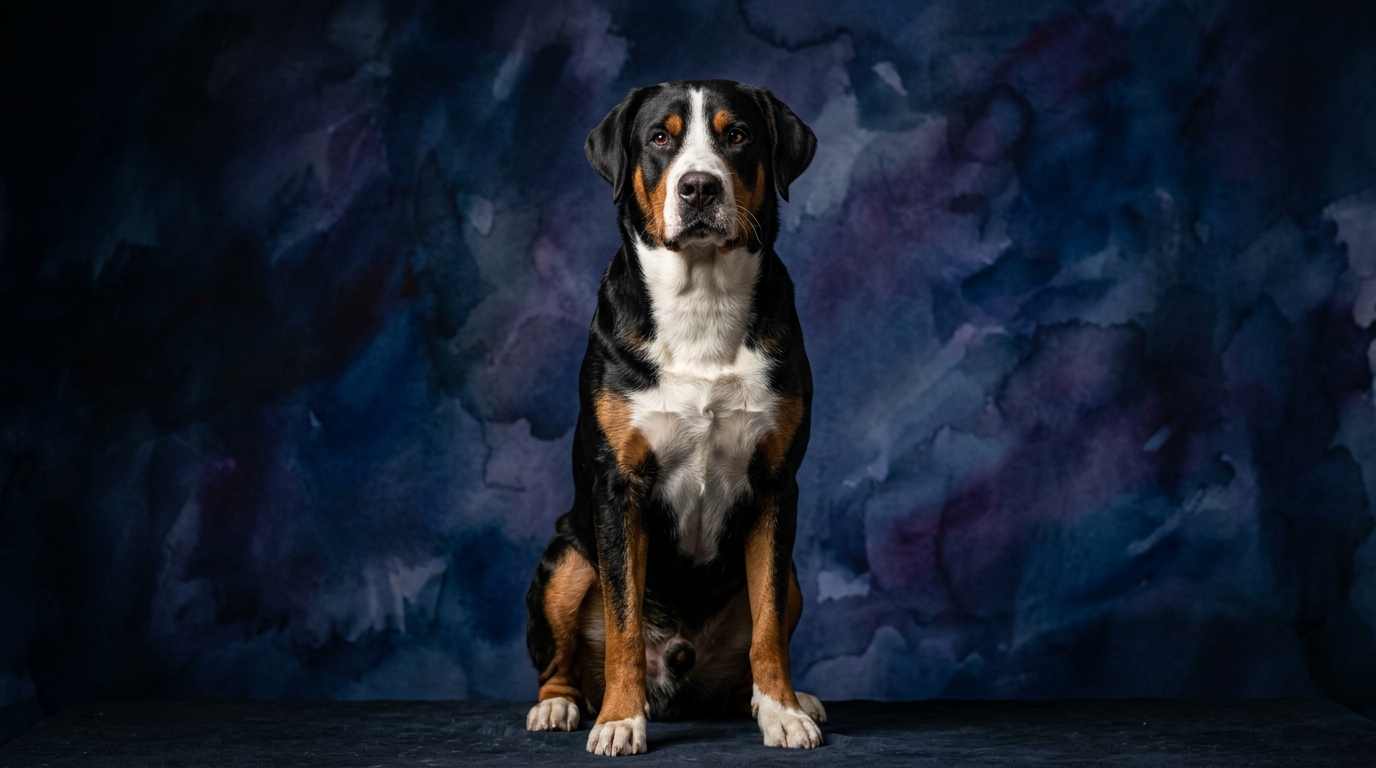
For the **Greater Swiss Mountain Dog**, their **Problem Solving (3/5)** score often translates to a methodical and deliberate approach. They excel at understanding spatial relationships and executing multi-step tasks, such as navigating obstacles while pulling a cart or strategically moving livestock. Their solutions are typically robust and well-considered, reflecting their historical role as farm dogs requiring steady, reliable judgment rather than quick, impulsive actions. Their **Training Speed (3/5)** means they learn new commands at a moderate pace, benefiting greatly from consistent, positive reinforcement. Their inherent desire to please their human companions aids this process, though their substantial size necessitates clear, unambiguous instruction to guide their powerful physical presence effectively. **Social Intelligence (3/5)** in a Swissy typically involves a keen awareness of their family's social dynamics and a discerning nature towards strangers. They are protective and empathetic within their trusted circle, showing measured interactions rooted in their pack orientation and guardian instincts. Their **Instinctive Drive (3/5)** centers on protection, guarding, and a historical inclination towards drafting and herding, manifesting as a strong territorial instinct and a consistent desire to keep their 'flock' (family) safe. Finally, their **Memory (3/5)** is reliable, allowing them to retain learned commands, routines, and experiences effectively, supporting their dependability as working dogs and companions.
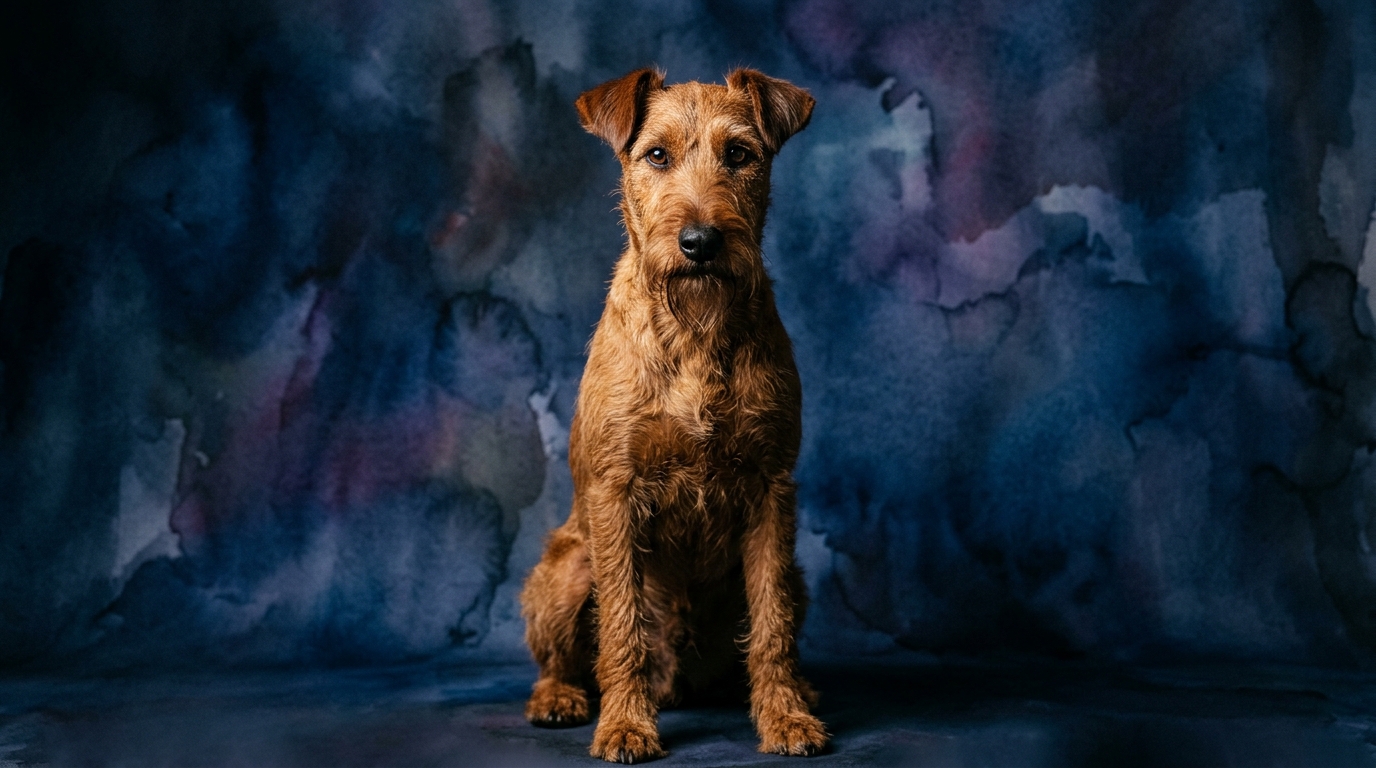
The **Irish Terrier's Problem Solving (3/5)**, in contrast, manifests with characteristic terrier tenacity and resourcefulness. They are adept at figuring out how to get to a desired object, often employing creative and sometimes mischievous strategies to overcome barriers or outsmart small prey. Their solutions are frequently quick and innovative, reflecting a need for independent thought in hunting vermin. Their **Training Speed (3/5)**, while efficient, is balanced by a notable independent streak and a strong will. They grasp concepts efficiently but might choose to obey only if they perceive a clear benefit or if the command aligns with their current interest. Engaging methods and patience are crucial for harnessing their learning potential. In terms of **Social Intelligence (3/5)**, Irish Terriers are often sensitive and attuned to the moods of their immediate family, forming deep bonds and responding to human emotions. However, their social acumen also includes a discerning nature with strangers and other dogs, often requiring careful introductions due to their protective and sometimes feisty temperament. Their **Instinctive Drive (3/5)** is primarily rooted in their terrier heritage: hunting, digging, and pursuing small animals. This manifests as a strong prey drive and an investigative nature, leading them to 'work' their environment by tracking scents or exploring. Their **Memory (3/5)** is good for routines, commands, and particularly for past experiences, both positive and negative, which combined with their strong will, underscores the importance of early, consistent training to establish good habits.
Where Greater Swiss Mountain Dog Wins Cognitively
Despite identical cognitive scores, the Greater Swiss Mountain Dog often demonstrates an edge in tasks requiring sustained, deliberate focus and understanding of cause-and-effect within a structured environment. Their working heritage means they excel at learning multi-step sequences related to specific jobs, such as retrieving particular items or navigating complex routes while maintaining a steady pace. They also tend to interpret human instructions that involve collaboration and a shared objective with greater consistency, often displaying a patient willingness to work through a task rather than impulsively seeking a quicker, less precise solution. This strength is particularly evident in their ability to learn and adhere to boundaries, understanding their role within the family "pack" with a clear, reliable memory for established rules.
Where Irish Terrier Wins Cognitively
The Irish Terrier, with its terrier-specific manifestation of a 3/5 cognitive profile, often shines in situations demanding quick, independent problem-solving and adaptability. Their historical role as vermin hunters cultivated a mind that can rapidly assess a dynamic situation, such as cornering a rodent, and devise an immediate, often unconventional, solution. They excel at tasks requiring resourcefulness and strategic thinking in confined or novel spaces, often displaying a cleverness in manipulating objects or navigating obstacles to achieve a goal. Their social intelligence also leans towards a sharp assessment of new individuals and situations, allowing them to quickly gauge intentions and react with characteristic terrier pluck and discernment, often making split-second decisions based on their keen observations.
Which is Easier to Train and Why
While both breeds hold a 3/5 in training speed, the practical experience of training them diverges significantly due to their inherent temperaments and drives. The Greater Swiss Mountain Dog, as a working breed, generally possesses a strong desire to please its owner and thrives on having a job to do. Their biddable nature means they are often more receptive to consistent instruction and less likely to challenge commands once understood. Training a Swissy often involves channeling their strength and protective instincts into appropriate behaviors, making them generally easier to guide through obedience and task-oriented learning, provided the owner is clear and consistent.
In contrast, the Irish Terrier's independent spirit and high prey drive can make training a more intricate endeavor. While they learn quickly, their strong will means they often require more motivational incentives and a patient, creative approach to maintain engagement. They are prone to being distracted by scents or movement, and their tendency to make their own decisions can sometimes be mistaken for stubbornness. Effective training for an Irish Terrier requires an owner who can make learning fun and rewarding, consistently reinforcing good choices while managing their natural inclination to follow their nose or instincts over a direct command.
Which Suits Active Owners vs. Relaxed Owners
For owners with a relaxed lifestyle, the Greater Swiss Mountain Dog can be a surprisingly suitable companion, provided their moderate exercise needs are met. While they require daily walks and mental stimulation to prevent boredom, they are often content to settle down indoors with their family once their physical requirements are fulfilled. Their calm demeanor and strong bond with their people make them excellent, watchful companions who enjoy being part of the family's quiet routines.
Conversely, the Irish Terrier is undeniably better suited for active owners. This breed possesses abundant energy and a keen, curious mind that demands consistent engagement. Without sufficient physical activity and mental challenges, an Irish Terrier can become bored, leading to destructive behaviors like digging or excessive barking. They thrive on adventures, long hikes, agility training, or any activity that allows them to expend their considerable energy and exercise their problem-solving skills, making them ideal for individuals or families who embrace an energetic, outdoor-oriented lifestyle.
The Verdict
Choose the Greater Swiss Mountain Dog if you seek a loyal, protective companion who thrives on consistent routines and a clear role within a family, offering a calm presence after their moderate exercise needs are met.
Opt for the Irish Terrier if you are an active individual or family seeking a spirited, independent, and clever companion eager for adventure and consistent mental and physical challenges.
🧠 Find Your Pet's IQ Score
Our Pet IQ Lab assessment covers 25+ tests across 5 cognitive dimensions — personalized to your breed.
Take the Full IQ Test →Frequently Asked Questions
Do Greater Swiss Mountain Dogs and Irish Terriers learn at the same pace?
While both breeds have a 'training Speed' score of 3/5, their learning experiences differ. Greater Swiss tend to be more biddable, making them generally easier to guide through consistent training. Irish Terriers learn quickly but require more engaging methods and patience due to their independent nature.
How does their problem-solving ability manifest differently despite identical scores?
The Greater Swiss exhibits methodical, deliberate problem-solving suited for structured tasks like drafting or herding. The Irish Terrier, however, displays quick, resourceful, and independent problem-solving skills, typical of a vermin hunter adapting to dynamic situations with tenacity.
Are these breeds suitable for first-time dog owners?
The Greater Swiss Mountain Dog can be suitable for committed first-time owners willing to provide consistent training and socialization for a large, protective breed. The Irish Terrier, due to its independent nature and high energy, is often better suited for experienced owners who understand terrier temperaments and can provide dedicated, engaging training.