Side-by-Side Cognitive Profiles: Decoding Identical Scores
At first glance, the IQ profiles for both the Greater Swiss Mountain Dog and the Lakeland Terrier appear identical across all five dimensions, each scoring a solid 3/5. This numerical parity, however, belies a rich tapestry of cognitive expression shaped by their breed histories and intended roles. A '3/5' in problem-solving for a working dog differs significantly from the same score in a terrier, demanding a nuanced interpretation.
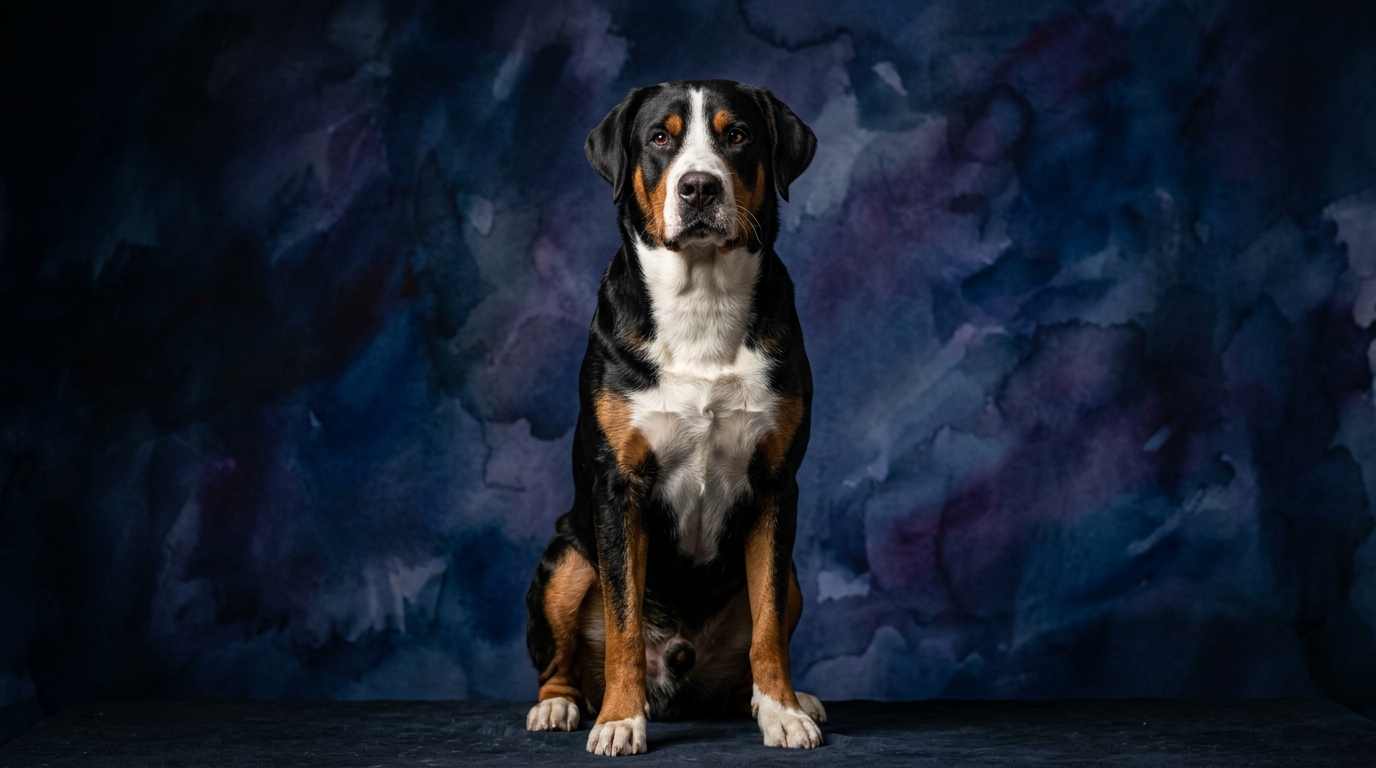
For the **Greater Swiss Mountain Dog (Working Group)**, a 3/5 in **Problem Solving** suggests a practical, methodical approach to physical challenges, often involving strength and endurance, such as navigating terrain with a cart or managing livestock. Their **Training Speed** at 3/5 indicates a steady capacity to learn and retain complex, multi-step tasks crucial for their utility work, thriving on clear, consistent instruction. Their **Social Intelligence** at 3/5 reflects a strong attunement to human cues and family dynamics, making them cooperative team members. An **Instinctive Drive** of 3/5 manifests as a strong desire for companionship, protection, and fulfilling a purpose, like guarding or pulling, rather than a high prey drive. Finally, their **Memory** at 3/5 ensures good recall for routines, locations, and learned commands, vital for dependable work.
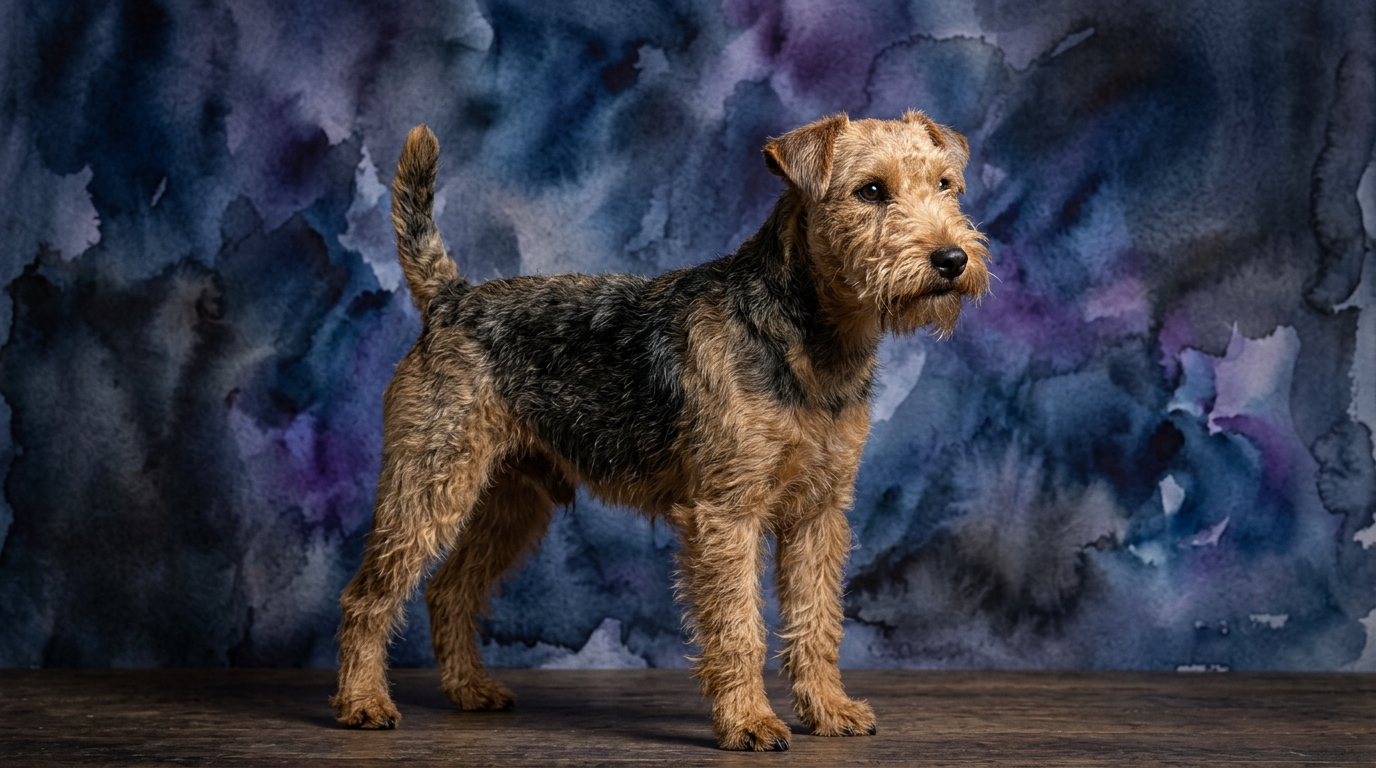
Conversely, for the **Lakeland Terrier (Terrier Group)**, a 3/5 in **Problem Solving** speaks to resourceful, independent solutions, often involving cleverness and persistence in overcoming obstacles, particularly those related to hunting vermin. Their **Training Speed** at 3/5 means they grasp new concepts quickly, but their strong will may require varied, engaging methods to maintain focus and prevent boredom. **Social Intelligence** at 3/5 signifies keen observation of their environment and social cues, though they often interpret these through a more self-reliant, assertive lens. Their **Instinctive Drive** at 3/5 is a potent force, encompassing a strong prey drive, digging instinct, and a desire for independent exploration and assertion. Their **Memory** at 3/5 is excellent for critical details like scent trails, 'problem' areas in the yard, and rewarding past interactions, reflecting their independent hunting heritage.
Where the Greater Swiss Mountain Dog's Cognition Shines
While their raw scores are identical, the Greater Swiss Mountain Dog's cognitive strengths distinctly align with their historical role as a farm and draft dog. Their 3/5 in Problem Solving excels in situations requiring sustained, physical effort and methodical execution, such as figuring out the best path to pull a load or navigating a familiar but challenging route. They are less about quick, cunning solutions and more about robust, reliable action.
Their 3/5 Social Intelligence is particularly strong in fostering stable, cooperative relationships within a family or working unit. This translates to a dog that is generally more intuitive about human expectations and desires to integrate seamlessly into group activities, offering a steady presence. The consistency of their 3/5 Memory means they excel at maintaining established routines and performing learned tasks with dependable precision over long periods, making them ideal for structured roles where reliability is paramount.
Where the Lakeland Terrier's Cognition Takes the Lead
The Lakeland Terrier's 3/5 scores, in contrast, highlight a cognitive profile geared towards independent action and quick, adaptable thinking. Their Problem Solving at 3/5 truly shines in scenarios demanding ingenuity and persistence in isolation – think outsmarting small prey or finding a way through a perceived barrier that a larger, less agile dog might simply push through. They are masters of the 'figure it out myself' approach, often with a dash of charming mischief.
Their 3/5 Instinctive Drive fuels an intense, singular focus when pursuing a goal, whether it's a squirrel in the yard or a challenging agility course. This drive, combined with their quick 3/5 Training Speed, allows them to learn and adapt rapidly to novel situations, making them excellent candidates for activities that require agility, speed, and independent decision-making. Their memory is particularly keen for tracking scents and remembering the location of interesting 'finds' or opportunities for exploration.
Trainability: Cooperation vs. Independent Spirit
When it comes to trainability, the identical 3/5 scores for Training Speed require an understanding of *how* each breed approaches learning. The Greater Swiss Mountain Dog, with its 3/5 Social Intelligence and Working Group heritage, generally presents as easier to train in a traditional sense. They possess a natural inclination to cooperate and a desire to please their human companions, making them responsive to clear commands and consistent positive reinforcement. Their steady learning pace means they absorb information reliably and are less likely to intentionally 'test' boundaries.
The Lakeland Terrier, while equally capable of learning quickly (3/5 Training Speed), often requires a more nuanced approach. Their 3/5 Instinctive Drive and independent problem-solving mean they might find repetitive drills boring or choose to follow their own instincts if a command doesn't align with their immediate interest. Training a Lakeland often involves making lessons engaging, varied, and fun, incorporating games and challenges to hold their attention. Consistency is still vital, but so is understanding their tenacious, sometimes 'stubborn' nature that stems from their historical purpose of working independently.
Matching Canine Cognition to Lifestyle: Active vs. Relaxed Owners
Both breeds necessitate active engagement from their owners, though the *nature* of that activity differs significantly. The Greater Swiss Mountain Dog, while capable of bursts of activity, thrives on structured, purposeful exercise that engages both their body and mind. This includes long, steady hikes, carting, or participating in dog sports like obedience or weight pull. They are excellent companions for active owners who enjoy consistent routines and shared outdoor adventures, and once their exercise needs are met, they can be remarkably calm and content indoors. For a truly 'relaxed' owner who offers minimal daily engagement, a Swissy might become restless and prone to destructive behaviors.
The Lakeland Terrier demands a different kind of activity. Their 3/5 Instinctive Drive and independent problem-solving require outlets for bursts of energy, exploration, and mental stimulation. Owners need to be prepared for vigorous games, earth dog trials, agility, or extensive walks that allow for plenty of sniffing and 'investigation.' They need consistent mental challenges to prevent boredom, which can lead to digging, barking, or other undesirable terrier behaviors. A 'relaxed' owner who isn't prepared to channel this intense, tenacious energy will likely find the Lakeland Terrier a challenging companion, as their 'relaxed' moments are typically earned after significant mental and physical exertion.
The Verdict: Choosing Your Cognitive Companion
The Verdict
Choose the Greater Swiss Mountain Dog if you seek a steadfast, cooperative companion for family life and structured activities, valuing reliability, a desire to work alongside humans, and a calm indoor presence after sufficient exercise.
Opt for the Lakeland Terrier if you appreciate an independent spirit, cleverness, and a tenacious approach to life, and are willing to engage in stimulating activities that channel their unique terrier drives and sharp wit.
🧠 Find Your Pet's IQ Score
Our Pet IQ Lab assessment covers 25+ tests across 5 cognitive dimensions — personalized to your breed.
Take the Full IQ Test →Frequently Asked Questions
Do their identical IQ scores mean the Greater Swiss Mountain Dog and Lakeland Terrier behave identically?
No, despite identical numerical IQ scores, their breed types mean their intelligence manifests in vastly different behavioral patterns. A working dog's problem-solving looks different from a terrier's, even if both are rated 3/5 for effectiveness.
Is one breed more 'stubborn' than the other, given their similar IQs?
The Lakeland Terrier might appear more 'stubborn' due to its strong independent streak and instinct-driven decision-making, while the Greater Swiss Mountain Dog, with its cooperative nature, is generally more amenable to direct human guidance.
How do their 'instinctive drives' differ with the same 3/5 score?
The Greater Swiss Mountain Dog's 3/5 instinctive drive is often channeled towards companionship, guarding, and purpose-driven work, fostering a strong bond with its human family. The Lakeland Terrier's 3/5 instinctive drive is typically focused on prey pursuit, digging, and independent exploration, reflecting its heritage as a tenacious hunter.