Side-by-Side IQ Profile: Unpacking the 3/5 Score
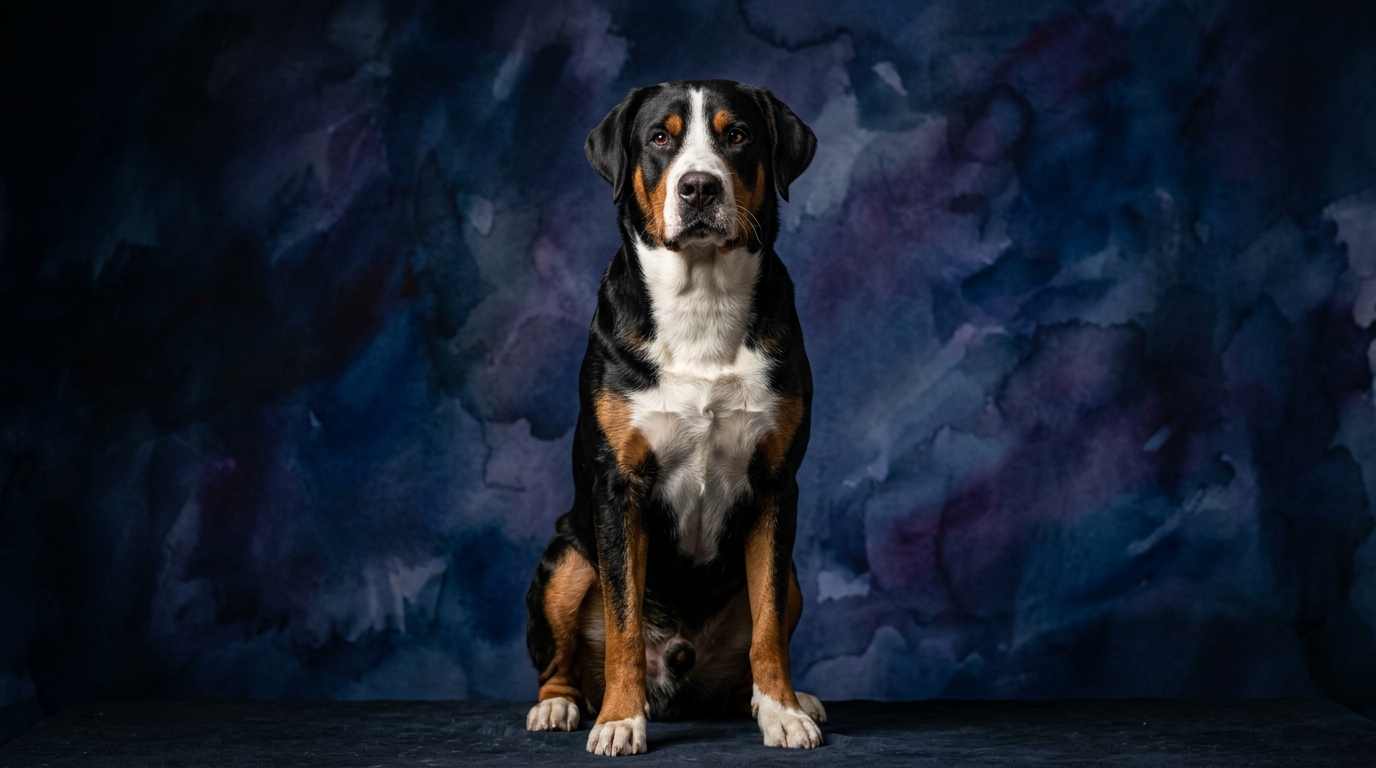
The Greater Swiss Mountain Dog, a robust working breed, exhibits a practical problem-solving capacity rated at 3/5. Their cognitive approach often involves assessing situations for practical solutions related to their historical roles, such as navigating varied terrain while pulling carts or understanding the logistics of herd management. This translates to an ability to figure out how to open gates, find the easiest path through an obstacle, or discern the most efficient way to 'help' with household tasks, demonstrating a methodical and often physically-oriented application of their intellect rather than abstract reasoning.
With a training speed also at 3/5, the Greater Swiss learns commands and routines with a steady, deliberate pace. They are capable learners, particularly when tasks are presented clearly and consistently, often showing a desire to comply once they understand the purpose. However, their independent working dog heritage means they may sometimes require more repetition or a strong incentive to overcome a naturally sturdy will, preferring to process information and make their own informed decisions rather than simply reacting instantly.
Their social intelligence, rated 3/5, is characterized by a deep connection to their family unit and a discerning approach to strangers. Greater Swiss Mountain Dogs are adept at reading their human companions' moods and intentions, often acting as sensitive and empathetic members of the household. They possess a keen awareness of social dynamics within their 'pack,' but their wariness of outsiders means their social acumen is often applied to evaluating potential threats or establishing clear boundaries, rather than indiscriminate friendliness.
The instinctive drive of the Greater Swiss sits at 3/5, rooted in their heritage as multi-purpose farm dogs. This drive manifests as a strong inclination towards guarding, watchful supervision of their territory, and a desire to be involved in family 'work.' They possess an innate sense of responsibility, often attempting to 'herd' family members or take up a sentinel position, driven by an instinct to protect and contribute meaningfully to their human family's activities.
A memory score of 3/5 for the Greater Swiss indicates a reliable recall of learned commands, routines, and the topography of their familiar environment. They retain complex training sequences well, especially those associated with their utility or daily life. This robust memory allows them to anticipate events, remember boundaries, and recall specific behaviors expected of them, contributing to their consistent and dependable nature.
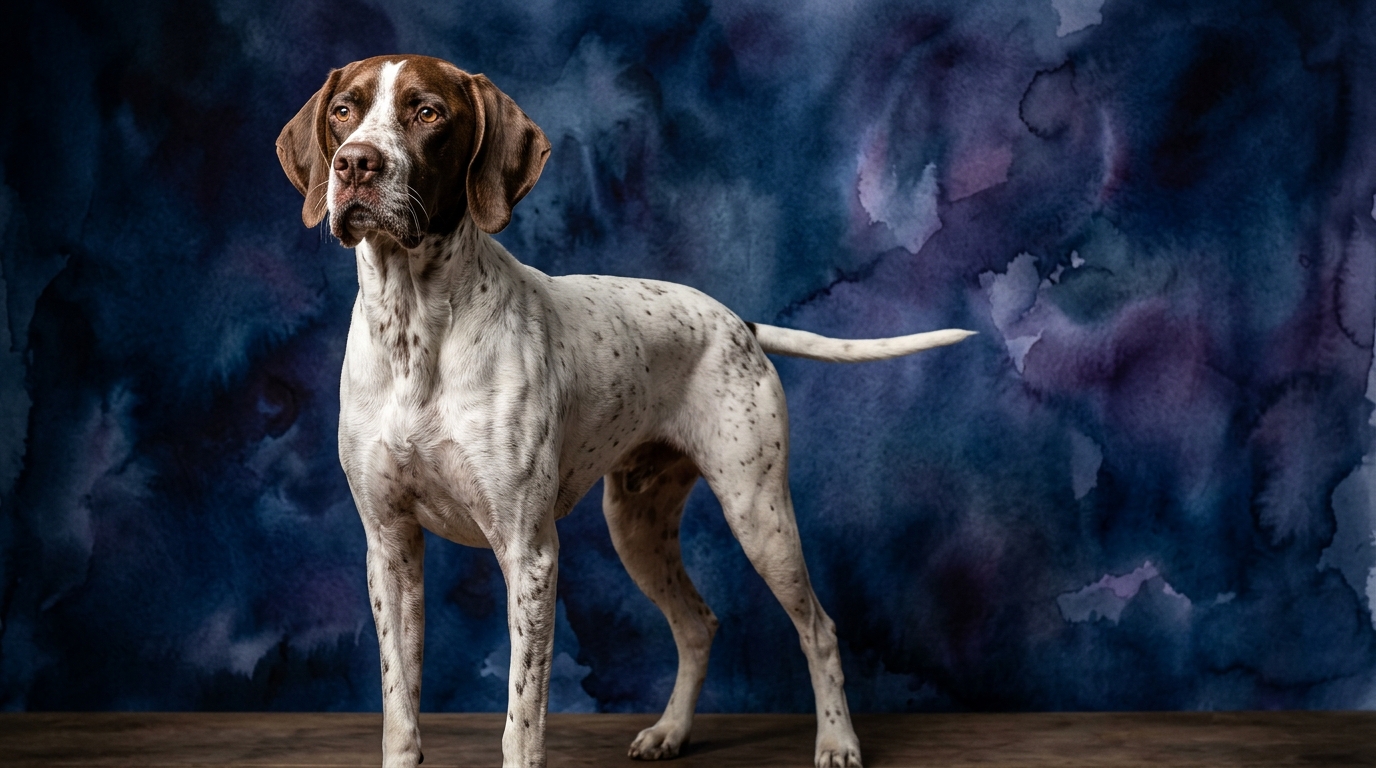
The Pointer also holds a 3/5 rating for problem-solving, but their cognitive efforts are distinctly channeled by their sporting heritage. Their intellect shines in scenarios requiring strategic navigation of varied landscapes, deciphering complex scent trails, and understanding the nuanced behaviors of game birds. This means they are adept at figuring out how to approach a scent, locate a hidden bird, or adapt their hunting strategy based on environmental cues, showcasing a highly specialized and sensory-driven form of problem-solving.
Matching the Greater Swiss with a 3/5 training speed, the Pointer exhibits a different learning style. They are typically eager to please and highly motivated by opportunities to engage their innate drives, making them responsive to positive reinforcement, especially when it involves engaging their hunting instincts. While they learn commands quickly, particularly those related to field work, their intense focus and high energy can sometimes lead to distractions, requiring a trainer to maintain engagement and channel their enthusiasm effectively.
The Pointer's social intelligence, also 3/5, is primarily oriented towards cooperative partnership with their human handler. They are exceptionally attuned to human body language, voice commands, and the subtle cues exchanged during a hunt, demonstrating a strong desire to work in sync with their person. While generally amiable, their social acumen is less about guarding and more about forming a highly effective working bond, enabling seamless communication and teamwork in the field.
Rated 3/5 for instinctive drive, the Pointer is profoundly motivated by their powerful prey drive and the innate urge to 'point' game. This drive is not merely about chasing; it encompasses an intense focus, stamina for extended searches, and the characteristic freeze and stance that gives them their name. Their world is often interpreted through scent and the thrill of the hunt, making this drive a central component of their being and a powerful motivator for activity.
The Pointer's memory, also 3/5, is particularly sharp for spatial information, scent patterns, and the intricate sequences involved in field work. They can recall the location of previously encountered game, remember complex routes through terrain, and retain an extensive vocabulary of hunting commands. This specialized memory supports their ability to perform intricate tasks reliably and consistently over long periods, making them invaluable partners in the field.
Where the Greater Swiss Mountain Dog Wins Cognitively
While both breeds score identically, the Greater Swiss Mountain Dog often demonstrates a cognitive edge in areas requiring independent decision-making related to household management and discerning social interactions. Their historical role demanded a dog capable of assessing situations autonomously, whether guarding livestock or navigating complex tasks without constant human direction. This translates to an inherent ability to 'think through' practical problems in a domestic setting, such as figuring out how to alert their owner to a perceived threat or understanding complex family routines, often exhibiting a thoughtful, self-directed approach to daily challenges that the more handler-focused Pointer might not prioritize.
Where the Pointer Wins Cognitively
Conversely, the Pointer's cognitive strengths truly shine in scenarios demanding intense focus, environmental awareness, and cooperative precision, particularly within their sporting domain. Their superior sensory processing, especially related to olfaction and auditory cues, allows for an unparalleled ability to interpret subtle environmental information. This means they can process vast amounts of sensory data to locate game with remarkable efficiency and precision, demonstrating a specialized form of problem-solving that involves intricate pattern recognition and rapid, instinct-driven responses, surpassing the Greater Swiss's more generalized environmental awareness.
Which is Easier to Train and Why
Determining which breed is 'easier' to train is less about raw intelligence and more about alignment with training goals and methodology. The Pointer, driven by an intense desire to work and a strong cooperative instinct, often exhibits a rapid uptake of commands that align with their sporting drives. Their eagerness to please a handler in the context of a task makes them highly responsive to positive reinforcement and structured field training, though their high energy and focused prey drive require consistent engagement to prevent distraction. Conversely, the Greater Swiss Mountain Dog, while certainly trainable and possessing a 3/5 training speed, brings a more deliberate and sometimes independent approach. Their training benefits from consistency, clear purpose, and patience, as they tend to process information thoroughly and may question commands that don't immediately make sense to their practical, working mindset. They are less driven by a handler's immediate pleasure and more by understanding the 'why' behind a command, meaning training them often requires building a strong, respectful partnership where mutual understanding is key. Therefore, Pointers might appear 'easier' for task-oriented, drive-based training, while Greater Swiss may require a more nuanced, relationship-focused approach for consistent compliance.
Which Suits Active Owners vs. Relaxed Owners
The distinction between suitability for active versus relaxed owners becomes quite clear when considering the underlying drives of these breeds. The Pointer, with its profound instinctive drive (3/5) geared towards extended physical activity and sensory engagement, is undoubtedly suited for highly active owners. They thrive on vigorous daily exercise, such as long runs, hikes, or dedicated field work, and require owners who can consistently meet their need for both physical exertion and mental stimulation related to their sporting instincts. A Pointer without sufficient outlets for its energy and drives can become restless or destructive. The Greater Swiss Mountain Dog, while robust and enjoying activity, possesses a different kind of 'active' need. Their 3/5 instinctive drive is more about purposeful work and being an integral part of family life. They appreciate regular walks, opportunities to 'guard' the home, and involvement in family routines. While they can keep up on adventures, their activity needs are generally more moderate than a Pointer's, making them a better fit for owners who are active but perhaps not seeking a canine running partner for marathons, preferring a loyal companion for structured walks and family engagement.
The Verdict
Choose the Greater Swiss Mountain Dog if you seek a loyal, discerning companion who will thoughtfully integrate into your family, appreciating moderate daily activity and opportunities to contribute to household life with a sturdy, independent intellect.
Opt for the Pointer if you are a highly active individual or family seeking a devoted, energetic partner for outdoor adventures and structured activities, particularly those that engage their remarkable sensory capabilities and intense sporting drive.
🧠 Find Your Pet's IQ Score
Our Pet IQ Lab assessment covers 25+ tests across 5 cognitive dimensions — personalized to your breed.
Take the Full IQ Test →Frequently Asked Questions
Do Greater Swiss Mountain Dogs and Pointers truly have the same intelligence?
Numerically, both breeds score 3/5 across our five cognitive dimensions, suggesting a similar baseline capacity. However, their intelligence manifests differently; the Greater Swiss applies its intellect to practical, independent working tasks and discerning social interactions, while the Pointer excels in sensory-driven problem-solving and cooperative field work, guided by its sporting instincts.
Is one breed more prone to separation anxiety than the other?
Both breeds can develop separation anxiety if their needs for companionship and stimulation are not met. The Greater Swiss, deeply bonded to its family unit, might experience distress if left alone for extended periods without sufficient mental engagement. The Pointer, with its high energy and need for purposeful activity, can also become anxious or destructive if under-exercised and left isolated.
Which breed is better with children?
Both breeds can be excellent with children when properly socialized and trained, though their approaches differ. The Greater Swiss often exhibits a patient, protective nature towards children within its family, acting as a watchful guardian. Pointers are generally gentle and playful, but their high energy and occasional exuberance might require supervision with very young children to ensure appropriate interactions.