Side-by-Side IQ Profile: Deconstructing Identical Scores
On paper, the Greater Swiss Mountain Dog and the Rat Terrier present an intriguing puzzle, both scoring a consistent 3 out of 5 across all cognitive dimensions in our Pet IQ Lab. However, these identical scores belie a fascinating divergence in how each breed applies its inherent cognitive capabilities, shaped profoundly by their ancestral roles and physical attributes. Understanding these nuances is key to appreciating their distinct forms of intelligence.
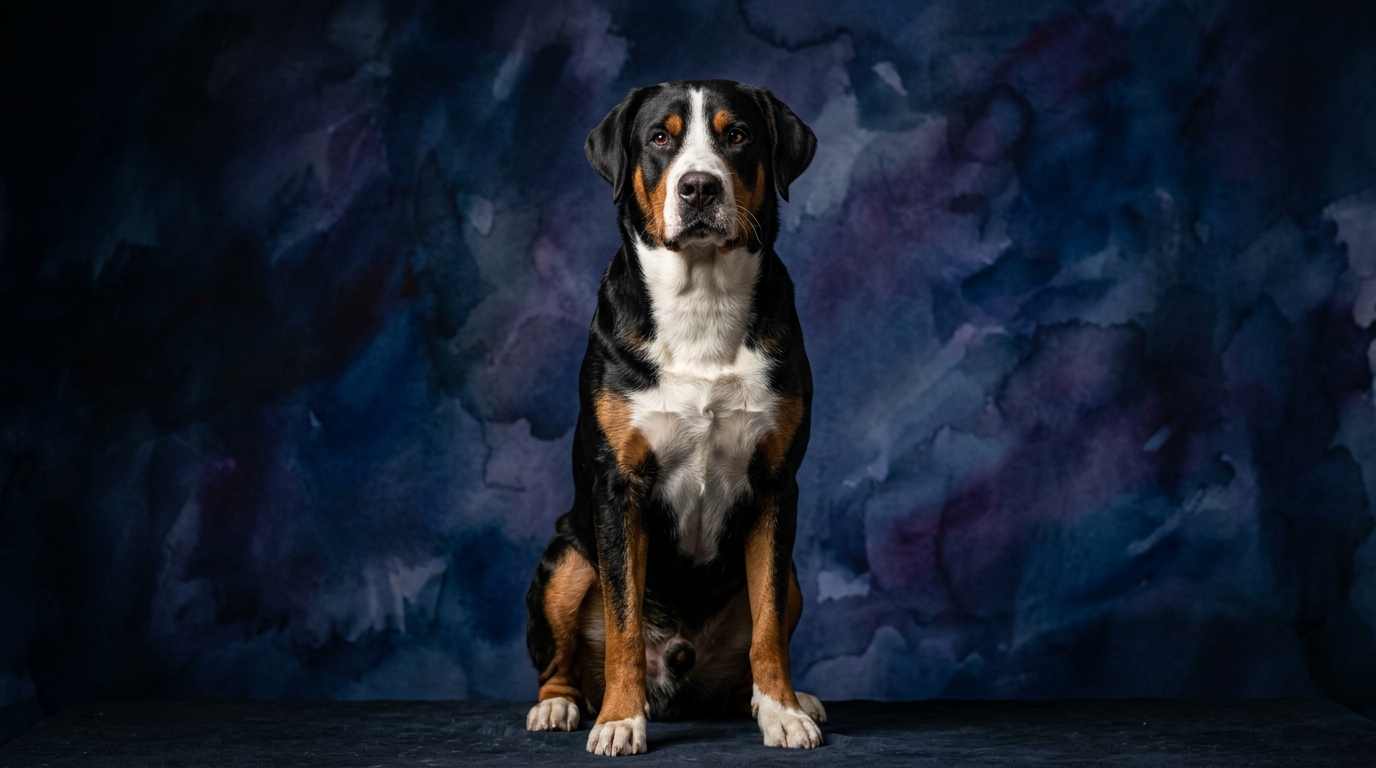
The **Greater Swiss Mountain Dog (Working Group)** embodies a steady, robust form of cognition. Their **Problem Solving (3/5)** typically involves methodical approaches, often relying on strength, persistence, and learned patterns rather than impulsive experimentation, excelling in tasks requiring deliberate effort or physical manipulation. Their **Training Speed (3/5)** reflects a moderate pace of learning, where consistent, positive reinforcement fosters a deep understanding, leading to reliable performance rooted in their desire for partnership. **Social Intelligence (3/5)** for a Swissy manifests as a calm awareness of family dynamics and human moods, offering a stable, comforting presence and engaging respectfully with a nuanced understanding of their environment. Their **Instinctive Drive (3/5)** is rooted in farm work—hauling, guarding, and some herding—rather than intense predation, translating to protective instincts and an inclination towards structured tasks. Finally, their **Memory (3/5)** is strong for routines, commands, and familiar environments, making them highly dependable in established settings and predictable tasks.
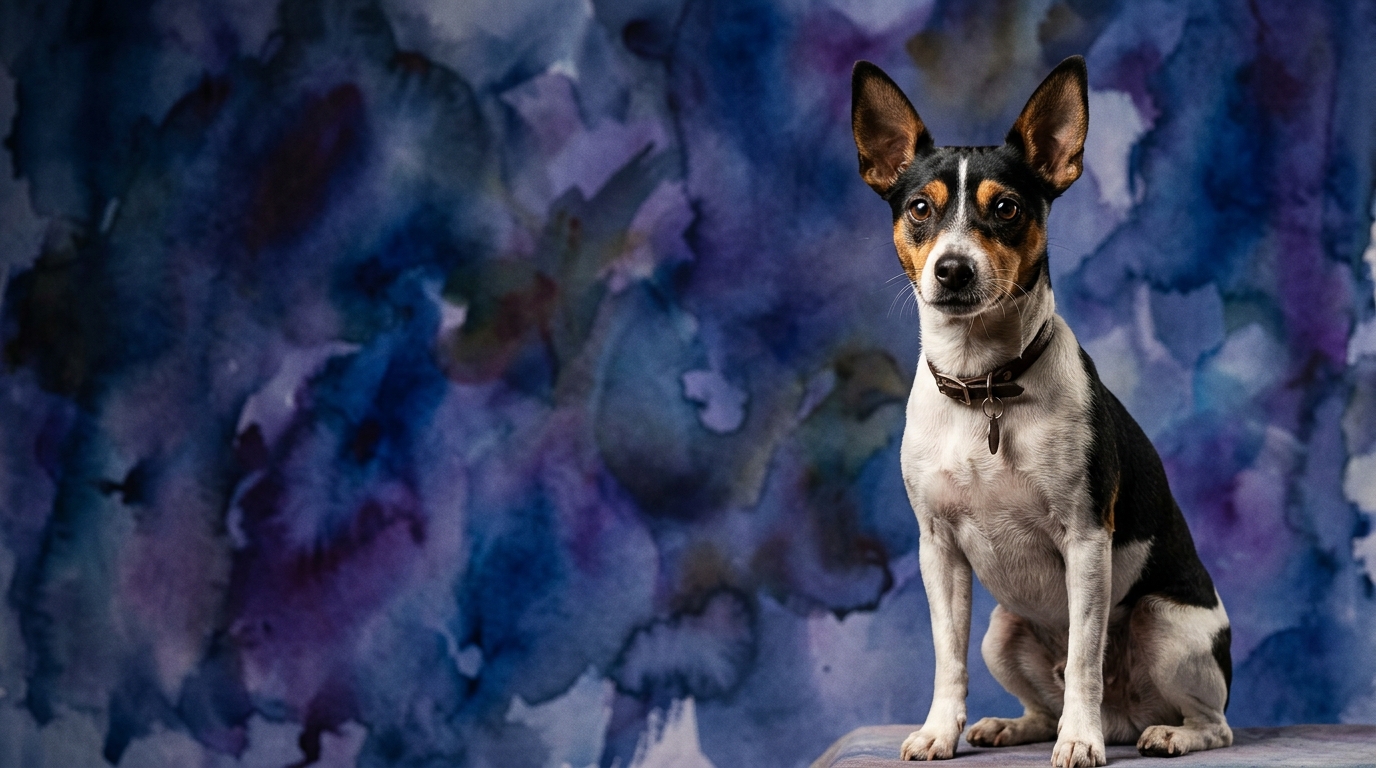
In contrast, the **Rat Terrier (Terrier Group)** showcases a quick-witted, independent cognitive style. Their **Problem Solving (3/5)** is characterized by speed and agility, often involving rapid, multiple attempts to overcome obstacles, driven by high energy and curiosity. Faced with a challenge, they're more inclined to 'act first, think later' with a burst of creative solutions. Their **Training Speed (3/5)**, while quick to grasp concepts, is often challenged by their independent terrier spirit and distractibility, requiring engaging and varied sessions to maintain focus and ensure consistent execution amidst external stimuli. **Social Intelligence (3/5)** for a Rat Terrier often means forming strong bonds with primary caregivers but showing caution or reservation with strangers. They read human emotions to engage playfully or retreat, and interact assertively with other dogs, reflecting their confident nature. Their **Instinctive Drive (3/5)** is powerfully geared towards vermin control—chasing, digging, and alert barking—manifesting as an intense focus on small, fast-moving objects and a relentless urge to explore. Their **Memory (3/5)** is particularly sharp for identifying patterns related to prey, recalling effective hunting strategies, and remembering sequences that lead to rewards, though their independent streak might lead to selective "forgetting" if a more enticing activity arises.
Where the Greater Swiss Mountain Dog Wins Cognitively
The Greater Swiss Mountain Dog’s cognitive strengths shine in areas requiring sustained focus, physical effort, and a reliable partnership. Their problem-solving, while rated 3/5, leans towards methodical, strength-based solutions, making them adept at tasks like pulling carts, navigating complex, familiar routes, or maintaining vigilance over a property. Their memory, also 3/5, is particularly strong for established routines, spatial awareness within their territory, and the specific cues associated with their human companions, contributing to their unwavering reliability as guardians and farmhands. Socially, their 3/5 score manifests as a nuanced understanding of family dynamics, allowing them to offer a comforting, stable presence, often anticipating needs through calm observation rather than overt actions. They excel when tasks demand deliberation, consistency, and physical execution over rapid, impulsive responses, providing a sense of predictable companionship and steadfast loyalty.
Where the Rat Terrier Wins Cognitively
Conversely, the Rat Terrier's cognitive advantages lie in their rapid processing and adaptability, even with a matching 3/5 problem-solving score. Their ability to quickly assess and react to dynamic situations, essential for effective vermin control, gives them a distinct edge in agility, fast-paced environmental changes, and tasks requiring quick, independent decision-making. Their 3/5 instinctive drive translates into exceptional focus and determination when pursuing a target, demanding swift, independent decisions and rapid adjustments. Their memory, while 3/5, is particularly sharp for identifying patterns related to prey and remembering successful strategies for engagement, making them highly effective in tasks requiring quick, repetitive actions and a keen eye for detail. They thrive in environments that demand rapid changes in strategy, independent initiative, and a high degree of physical and mental agility, showcasing a quick-witted, opportunistic intelligence.
Training Dynamics: Greater Swiss Mountain Dog vs. Rat Terrier
Determining which breed is 'easier' to train, despite both having a 3/5 training speed, comes down to their underlying temperamental differences and motivational drivers. The Greater Swiss Mountain Dog, with its working background, generally approaches training with a desire to please and a steady, deliberate mindset. They respond well to consistent, positive reinforcement and thrive on structured routines. Their challenge often lies in their potential for stubbornness or a slower initial uptake, requiring patience and clarity from their trainer. Once a command is learned, however, a Swissy tends to perform it reliably, valuing the partnership and task completion above all else. They are often more forgiving of a novice trainer's inconsistencies due to their inherently tractable nature.
The Rat Terrier, while quick to grasp concepts, presents a different training dynamic. Their high instinctive drive (3/5) and independent terrier spirit mean they can be easily distracted by environmental stimuli, particularly anything resembling prey. Their 3/5 training speed often needs to contend with their strong will; they might understand what you want but choose to prioritize a more exciting scent or movement. Training a Rat Terrier requires creativity, variety, and a strong emphasis on impulse control and recall, making it more about capturing and maintaining their focus than simply teaching the command. While a Swissy might be more straightforward for a novice to train for basic obedience due to their more amenable nature, a Rat Terrier offers a rewarding challenge for those who enjoy engaging a quick-witted, independent thinker who requires a more dynamic and persistent approach.
Matching Breeds to Lifestyles: Active vs. Relaxed Owners
When considering owner lifestyles, the Greater Swiss Mountain Dog typically suits owners who appreciate a structured routine and can provide ample space and consistent exercise, but not necessarily a frenetic pace. They need regular walks, opportunities for mental stimulation through training, and often enjoy activities like hiking, carting, or simply being a reliable presence during family activities. While they are not 'relaxed' in the sense of being couch potatoes, their energy is often expressed in sustained, purposeful activity rather than frantic bursts. They are ideal for families seeking a stable, reliable companion who enjoys being part of daily life and thrives on a sense of purpose and a clear role within the household.
The Rat Terrier, conversely, is better suited for highly active owners who can match their boundless energy and provide constant mental engagement. Their terrier instincts demand outlets for chasing, digging, and exploring. They excel in dog sports like agility, flyball, or earthdog trials, which satisfy their quick wit and physical prowess. An under-exercised Rat Terrier can quickly become bored, restless, and destructive, making them a poor fit for truly relaxed or sedentary households. They thrive with owners who enjoy varied outdoor adventures, can channel their intense focus and drive into productive activities, and are prepared for a lively, ever-alert companion who will keep them on their toes.
The Verdict
Choose a Greater Swiss Mountain Dog if you seek a large, dependable companion for a structured family life, valuing methodical intelligence and a steady, protective presence with ample space.
Choose a Rat Terrier if you desire a compact, energetic partner for an active lifestyle, thriving on quick wit, independent problem-solving, and engaging, varied activities.
🧠 Find Your Pet's IQ Score
Our Pet IQ Lab assessment covers 25+ tests across 5 cognitive dimensions — personalized to your breed.
Take the Full IQ Test →Frequently Asked Questions
Do identical IQ scores mean identical behavior in these breeds?
No, identical IQ scores like 3/5 across the board indicate similar *potential* in each cognitive area, but how that potential manifests differs drastically based on breed purpose and temperament. A Swissy's problem-solving is methodical and strength-based, while a Rat Terrier's is quick, agile, and independent.
How does breed purpose influence a 3/5 problem-solving score for each?
For the Greater Swiss Mountain Dog, a 3/5 problem-solving means a methodical, strength-based approach suited for tasks like hauling or guarding, focusing on persistence. For the Rat Terrier, it signifies quick, independent solutions for vermin control, involving rapid assessment, agility, and a 'try anything' attitude.
Are these breeds good choices for first-time dog owners?
Both breeds can be suitable for dedicated first-time owners, but with specific considerations. Swissies require commitment to managing their size and training for their strength, while Rat Terriers demand significant time for exercise, mental stimulation, and consistent, creative training to manage their high drive and independence effectively.