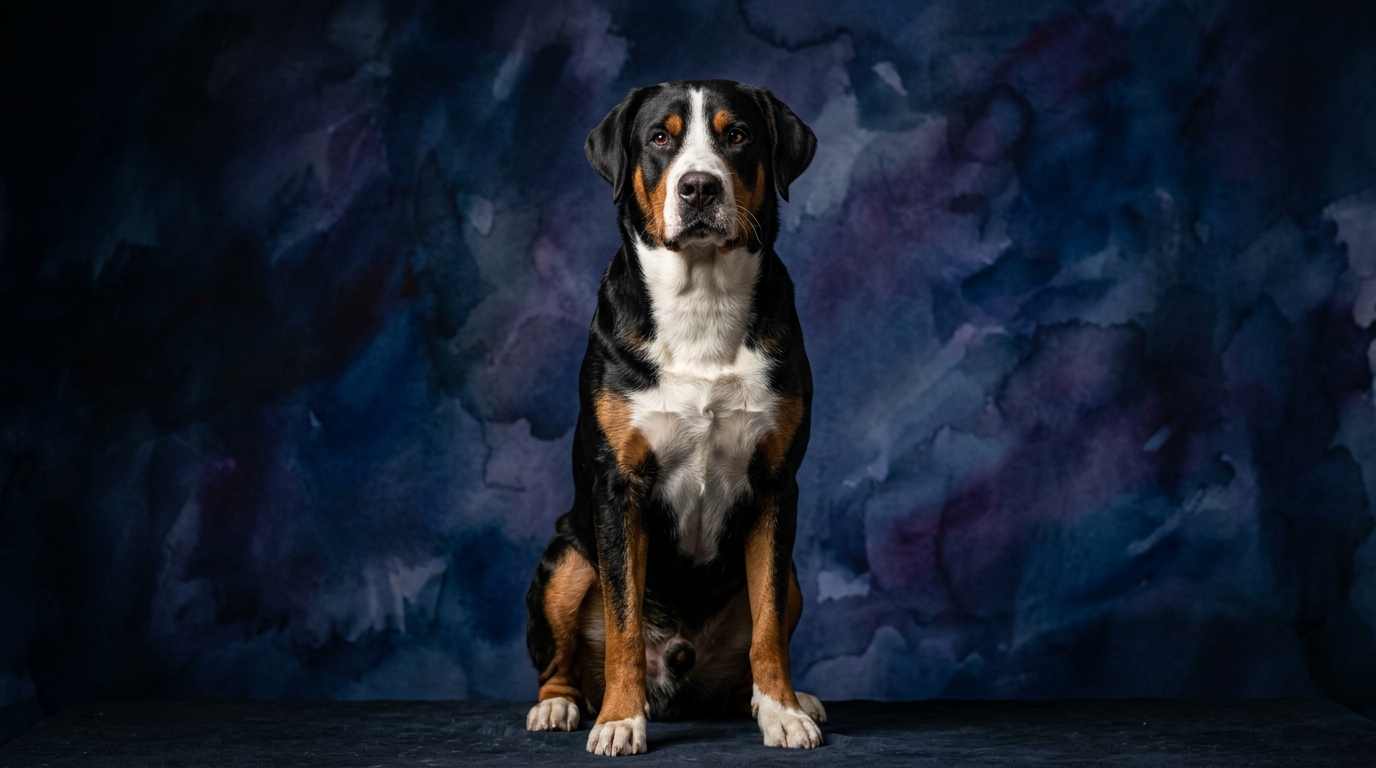
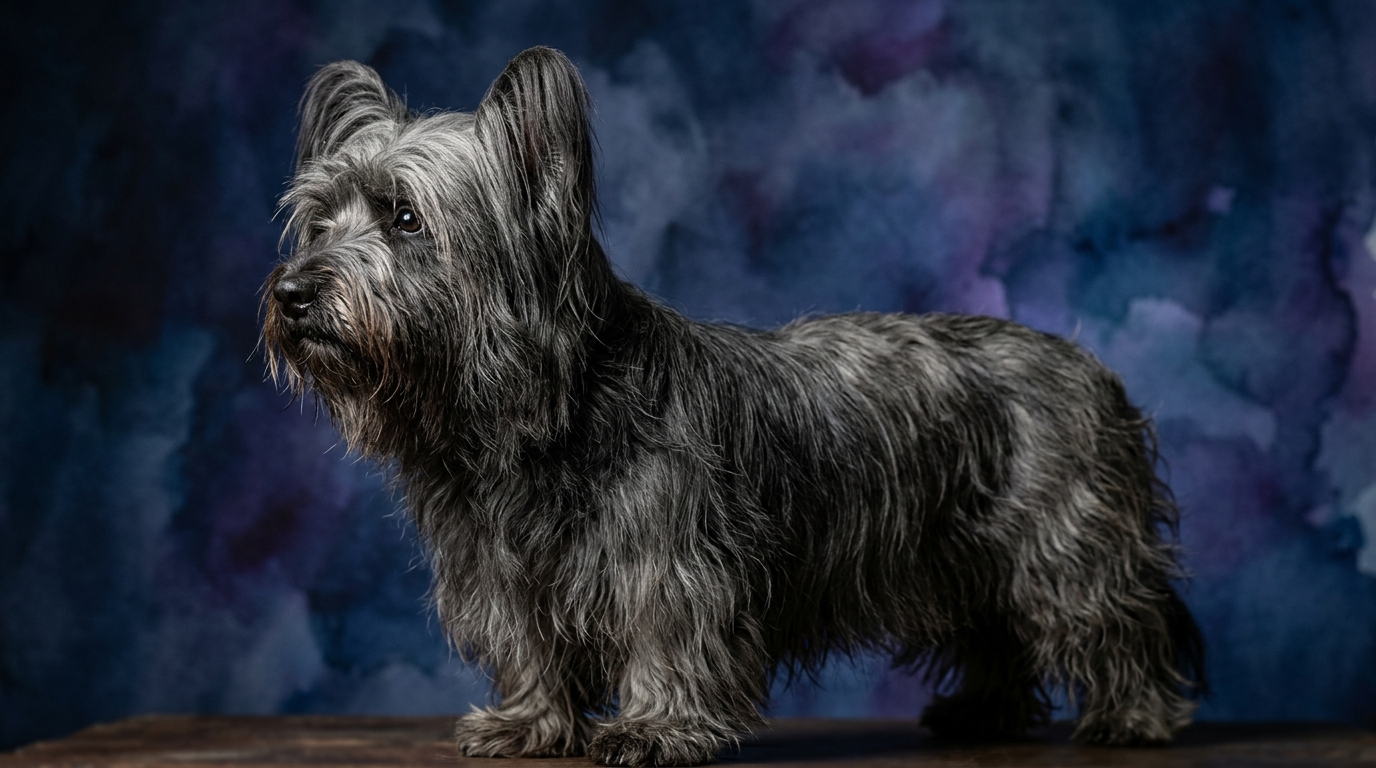
Side-by-Side IQ Profile: Shared Scores, Different Expressions
Both the Greater Swiss Mountain Dog and the Skye Terrier receive a consistent 3 out of 5 across all five intelligence dimensions, indicating a solid, capable level of cognitive function. A score of 3/5 suggests these dogs are competent learners and problem-solvers, requiring consistent guidance but generally responsive to training. However, the manifestation of these scores is deeply rooted in their breed origins and intrinsic drives.
For Problem Solving (3/5), the Greater Swiss often applies its intellect to practical tasks, like navigating a farm or understanding complex household routines, excelling in scenarios requiring cooperation. The Skye Terrier, conversely, channels its problem-solving into more independent pursuits, such as figuring out how to access a perceived den or outsmarting small prey, demonstrating tenacity in pursuit of a goal.
Training Speed (3/5) for the Greater Swiss typically reflects a readiness to learn commands and cues that facilitate working alongside humans, often motivated by praise and partnership. The Skye Terrier also learns quickly, but its independent spirit means that while it grasps commands rapidly, its willingness to execute them can be contingent on its own interests or the perceived value of the task at hand.
Social Intelligence (3/5) in the Greater Swiss often translates to a keen awareness of family dynamics, understanding human moods, and integrating smoothly into a 'pack' structure. The Skye Terrier's social intelligence, while equally present, tends to be more selective; they form deep, discerning bonds with their chosen few, exhibiting a nuanced understanding of their primary human's cues and preferences, sometimes with a reserved demeanor towards strangers.
Instinctive Drive (3/5) is perhaps where their shared score diverges most in its behavioral impact. The Greater Swiss exhibits drives related to guarding, pulling, and companionship, reflecting its heritage as a farm dog. The Skye Terrier's 3/5 drive score is heavily influenced by its terrier lineage: a powerful urge to hunt, dig, and pursue, coupled with a notable independence.
Finally, Memory (3/5) for the Greater Swiss aids in retaining complex routines, remembering specific tasks, and recalling people or places over time. The Skye Terrier uses its memory to recall scent trails, preferred hunting spots, or the location of hidden toys, demonstrating a memory geared towards its more self-directed activities.
Where the Greater Swiss Mountain Dog Wins Cognitively
The Greater Swiss Mountain Dog's cognitive strengths shine particularly in cooperative tasks and understanding social hierarchies. Their 3/5 problem-solving ability is often applied to collaborative challenges, making them adept at learning multi-step commands or understanding the nuances of household rules that benefit the family unit. This breed excels at anticipating human needs within a structured environment, a testament to their history of working closely with people.
Their social intelligence, also at 3/5, manifests as a profound capacity for empathy and connection within their human family. They possess an intuitive grasp of social cues, often sensing changes in mood or tension and responding with appropriate deference or comfort. This makes them highly attuned companions, capable of learning and adapting their behavior based on the emotional landscape of their home, a critical advantage for family integration.
Furthermore, their memory and training speed, both 3/5, are synergistically applied to consistency and reliability. Once a routine or command is established, the Greater Swiss typically retains it well and executes it dependably, valuing the partnership aspect of training. This cognitive predisposition towards working *with* their owner, rather than independently, makes them particularly strong in roles requiring consistent adherence to learned behaviors and a stable, predictable presence.
Where the Skye Terrier Wins Cognitively
The Skye Terrier's cognitive prowess is most evident in its independent problem-solving and tenacious pursuit of goals, reflecting its historical role as a vermin hunter. While also scoring 3/5 in problem-solving, their application tends towards self-directed strategies, such as figuring out how to bypass obstacles to reach a target or locating a hidden toy through scent and memory. They are adept at navigating complex environments with a singular focus, often devising their own solutions.
Their instinctive drive, rated 3/5, is a significant cognitive asset when it comes to scent work and focused attention. This drive, channeled into hunting and exploration, means they possess an acute ability to process olfactory information and maintain concentration on a task that engages their inherent instincts. This makes them excellent candidates for scent detection games or structured earthdog trials, where their natural inclinations are leveraged.
Moreover, the Skye Terrier's memory and training speed, both 3/5, are often employed with a discerning intelligence. They quickly learn what is important to them and how to achieve their objectives, even if those objectives sometimes diverge from human expectations. Their social intelligence, while selective, allows them to deeply understand the few people they bond with, reading subtle cues and forming a profound, if sometimes reserved, connection that is highly personalized and enduring.
Which is Easier to Train and Why?
While both breeds score 3/5 in training speed, the Greater Swiss Mountain Dog is generally perceived as easier to train due to fundamental behavioral differences rooted in their breed functions. The Greater Swiss, as a working dog, possesses an inherent desire to please and collaborate with its human handler. Their instinctual drive (3/5) is geared towards partnership, making them more receptive to direction and eager to perform tasks alongside their owner. They thrive on clear, consistent communication and positive reinforcement, often seeing training as a shared activity that strengthens their bond.
The Skye Terrier, conversely, presents a more significant training challenge despite its equally capable learning speed. Their 3/5 instinctive drive is profoundly independent and focused on self-directed activities, particularly hunting and exploring. This means that while a Skye Terrier can quickly grasp a command, its strong prey drive or desire to follow an interesting scent can easily override its willingness to comply. Training a Skye Terrier requires immense patience, creativity, and consistency, often needing to make lessons more engaging and rewarding than external distractions. Owners must understand that a Skye Terrier might learn a command in a single session but still choose to ignore it if its independent will or instinctual urges are stronger in that moment.
Which Suits Active Owners vs. Relaxed Owners
The Greater Swiss Mountain Dog is better suited for active owners who can provide consistent engagement and purposeful activity. While not requiring extreme endurance, they thrive on regular, moderate exercise, mental stimulation through training, and a sense of 'job' or routine. Their 3/5 instinctive drive for companionship and working means they need to feel integrated into family activities and benefit from roles like carrying packs on hikes or participating in dog sports. An owner who enjoys daily walks, structured play, and consistent interaction will find a well-adjusted companion in a Greater Swiss. They are not suited for entirely sedentary lifestyles, as their robust build and cognitive capacity for learning tasks require an outlet.
The Skye Terrier, while appearing more compact, is not necessarily ideal for a completely relaxed owner, though their exercise needs are generally less demanding than a large working breed. They are well-suited for owners who are mentally active and can provide consistent mental stimulation and opportunities for their terrier instincts to be safely expressed. Their 3/5 instinctive drive means they need outlets for exploring, scenting, and supervised digging, even if it's in a designated area. While they can be content with moderate daily walks and indoor relaxation, a 'relaxed' owner who neglects their need for mental engagement will likely encounter a bored and potentially destructive dog. They suit owners who appreciate their independent spirit and can channel it constructively, rather than trying to suppress it entirely.
The Verdict: When to Choose Each Companion
The Verdict
Choose the Greater Swiss Mountain Dog if you desire a cooperative, family-oriented companion eager to engage in structured activities and integrate deeply into your daily life, thriving on partnership and purposeful interaction. They are an excellent fit for owners who appreciate a dog that learns quickly within a collaborative framework and values a strong, reliable bond.
Choose the Skye Terrier if you are drawn to an independent, discerning companion with a keen mind and a tenacious spirit, and are prepared to engage their strong terrier instincts with patience and creative mental stimulation. They are ideal for owners who appreciate a dog with a unique personality and are committed to consistent, engaging training methods that respect their self-willed nature.
🧠 Find Your Pet's IQ Score
Our Pet IQ Lab assessment covers 25+ tests across 5 cognitive dimensions — personalized to your breed.
Take the Full IQ Test →Frequently Asked Questions
Do Greater Swiss Mountain Dogs need a lot of exercise?
Greater Swiss Mountain Dogs require moderate, consistent exercise. Their robust build and working heritage mean they thrive on daily walks, structured play, and activities that engage both their body and mind, but they are not typically hyperactive endurance athletes. Consistent mental stimulation through training and family involvement is equally important to their well-being.
Are Skye Terriers good for first-time dog owners?
Skye Terriers can be challenging for first-time dog owners due to their independent nature and strong terrier instincts. While they are capable learners, their self-willed personality and potential for selective hearing require consistent, patient, and creative training from an owner who understands their breed-specific traits. They are best suited for those prepared for a dog with a distinct personality.
How do their social intelligence scores of 3/5 compare in practice?
In practice, the Greater Swiss Mountain Dog often uses its social intelligence to integrate seamlessly into a family unit, understanding group dynamics and seeking to please. The Skye Terrier's 3/5 social intelligence is more selective, leading to deep, discerning bonds with a chosen few, often exhibiting a reserved demeanor towards strangers while being highly attuned to their primary human's subtle cues.