Side-by-Side IQ Profile: Greater Swiss Mountain Dog vs. Welsh Springer Spaniel
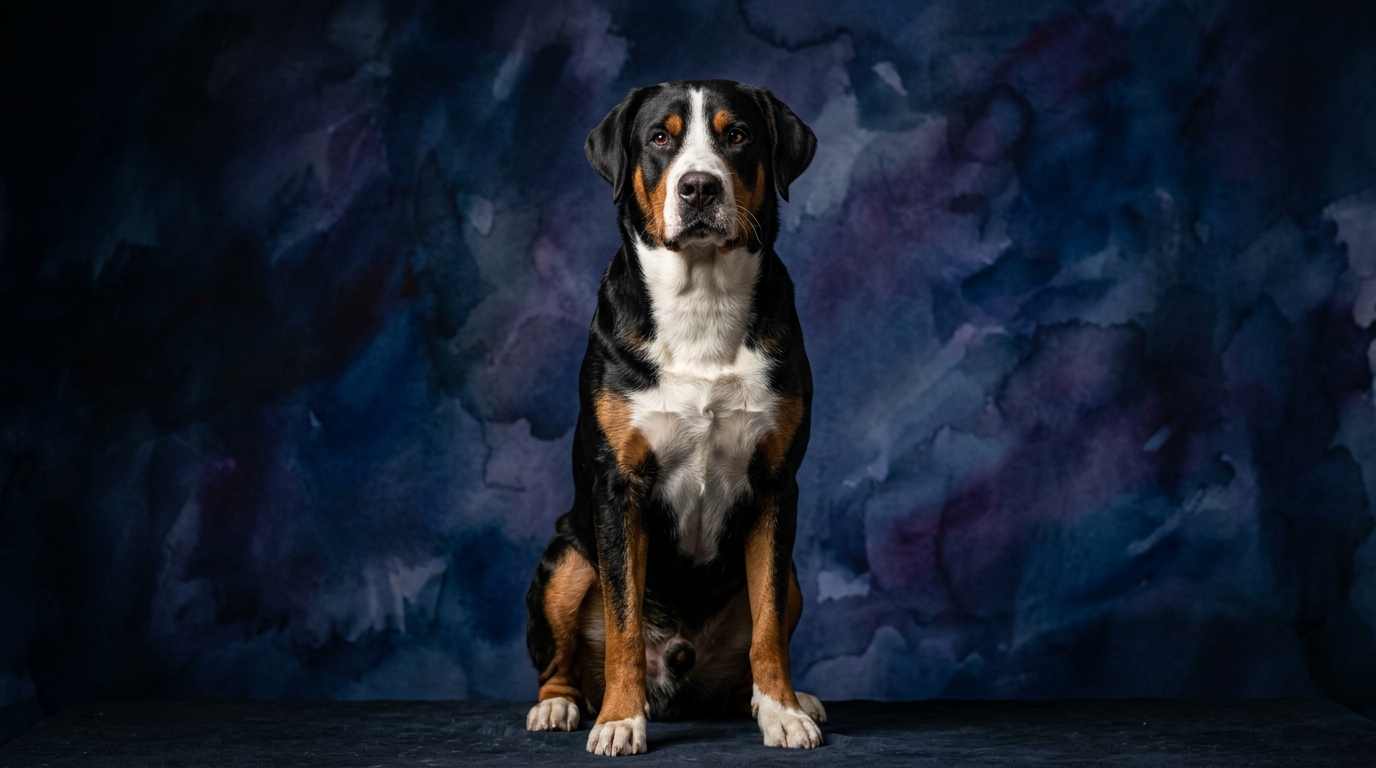
**Greater Swiss Mountain Dog:** This breed, from the Working group, brings a thoughtful, measured approach to cognitive tasks. They are not Coren-ranked, suggesting their strengths lie outside the typical obedience-focused metrics.
**Problem Solving (3/5):** The Greater Swiss Mountain Dog approaches novel situations with a considered, methodical mindset. They are capable of figuring out solutions, but may take their time to assess the environment and potential outcomes before acting, often relying on their physical presence and strength.
**Training Speed (3/5):** While certainly trainable, the Greater Swiss Mountain Dog learns new commands at a moderate pace. Their independent nature, rooted in their historical role as farm guardians and drovers, means they require consistent, patient, and engaging instruction to internalize lessons.
**Social Intelligence (3/5):** Swissies demonstrate a good understanding of human emotions and social cues, forming deep bonds with their families. They can interpret body language and tone of voice effectively, allowing them to integrate well into family dynamics and respond appropriately to social interactions.
**Instinctive Drive (3/5):** Their drives are primarily rooted in their working heritage, encompassing a protective instinct towards their territory and family, and a moderate propensity for herding. This drive manifests as attentiveness to their surroundings and a desire to be involved in household activities, often in a supervisory role.
**Memory (3/5):** Greater Swiss Mountain Dogs retain learned behaviors and associations adequately. Once a lesson is firmly established through repetition and positive reinforcement, they recall it reliably, though occasional refreshers might be beneficial, especially for less frequently used commands.
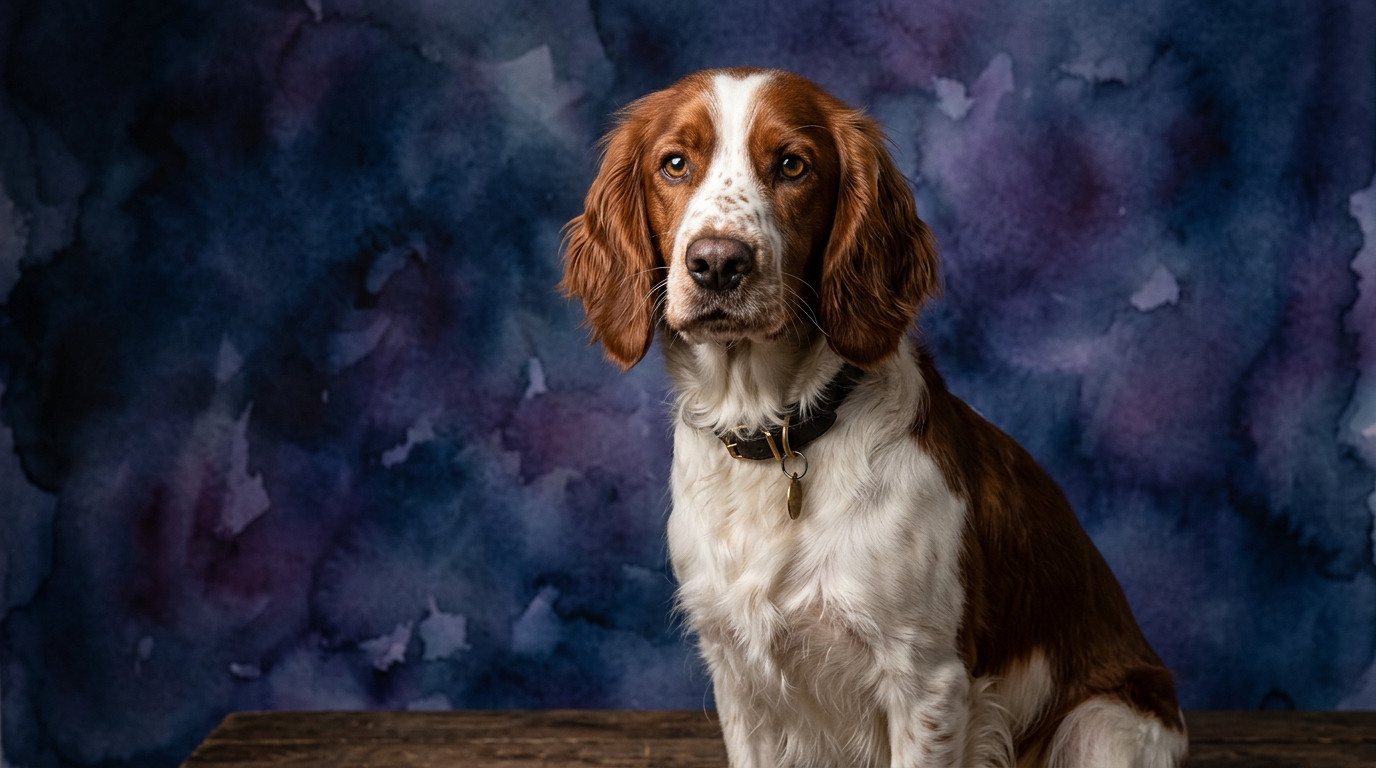
**Welsh Springer Spaniel:** This Sporting breed, Coren-ranked at #31, typically demonstrates a quicker, more responsive intellect, reflecting their role as active hunting companions.
**Problem Solving (4/5):** Welsh Springers exhibit a higher degree of adaptability and ingenuity when faced with new challenges. They are quicker to experiment with different approaches to achieve a goal, often displaying a cleverness in manipulating objects or navigating complex environments to their advantage.
**Training Speed (4/5):** This breed typically grasps new commands with notable alacrity, often showing a keen desire to please and a quick processing ability. Their responsiveness makes them generally receptive to learning, allowing them to build a repertoire of behaviors relatively swiftly with positive reinforcement.
**Social Intelligence (3/5):** Welsh Springers share a similar capacity for social understanding with the Swissy, adeptly reading human moods and intentions. They thrive on interaction and connection, using their social awareness to foster strong relationships and understand their place within the family unit.
**Instinctive Drive (3/5):** Their primary instinctive drives are deeply tied to their sporting lineage, manifesting as a strong desire to retrieve, flush, and scent. This drive makes them highly engaged in activities that mimic hunting tasks, and they possess a natural inclination to explore and use their nose.
**Memory (4/5):** Welsh Springer Spaniels demonstrate a robust capacity for memory, remembering commands, routes, and past experiences with precision. This strong recall supports their quick training speed, as they can consistently apply previously learned information to new contexts.
Where the Greater Swiss Mountain Dog Wins Cognitively
The Greater Swiss Mountain Dog’s cognitive strengths shine in areas demanding physical presence, measured judgment, and a steadfast approach rather than rapid-fire problem-solving. Their 3/5 rating in Problem Solving reflects a deliberate thought process that prioritizes stability and efficacy; a Swissy might methodically assess a perceived threat or a new obstacle, relying on their physical presence. This assessment, coupled with their 3/5 Social Intelligence, makes them reliable in understanding and reacting to family needs in a protective capacity, through a watchful, stable presence. Their 3/5 Instinctive Drive for guarding and droving translates into a natural understanding of boundaries, allowing them to intuitively manage space. They excel in tasks requiring endurance and calm, unwavering focus over extended periods, making them superb companions for structured, repetitive tasks where consistency is key. A Swissy's cognitive advantage lies in its profound ability to be a steady, predictable presence, processing information with a thoughtful gravitas that ensures thoroughness.
Where the Welsh Springer Spaniel Wins Cognitively
The Welsh Springer Spaniel's cognitive profile showcases a distinct advantage in agility of thought and rapid information processing. Their 4/5 Problem Solving score means they are often quicker to devise novel solutions to environmental challenges, such as figuring out how to open a cabinet or retrieve a toy. This adaptability makes them highly capable of navigating complex tasks requiring iterative trial and error. Furthermore, their 4/5 Training Speed highlights their exceptional capacity for learning new commands with fewer repetitions, absorbing information efficiently. This quick uptake is supported by their 4/5 Memory, allowing them to retain a vast repertoire of learned behaviors over time. The Welsh Springer's 3/5 Instinctive Drive, centered around flushing and retrieving, also translates into keen spatial awareness and an ability to track objects with precision. They excel in dynamic environments where quick decisions and responsive actions are rewarded, making them adept at activities requiring swift adjustments. A Welsh Springer's cognitive edge is in its energetic, responsive intellect, enabling it to learn faster, remember more, and adapt with greater spontaneity.
Which is Easier to Train and Why
Based on their IQ profiles, the Welsh Springer Spaniel generally presents as the easier breed to train. Their 4/5 Training Speed directly indicates a quicker absorption of commands and a greater willingness to comply, requiring fewer repetitions. This is bolstered by their 4/5 Memory, ensuring lessons are retained effectively. Teaching a Welsh Springer a complex agility sequence, for example, would likely progress faster as they link actions and recall sequences with greater ease. Their natural desire to work alongside humans also contributes, viewing training as an engaging partnership. In contrast, the Greater Swiss Mountain Dog, with 3/5 Training Speed and Memory, requires a more patient approach. While capable, they may take more time to process commands, and their independent nature might occasionally question necessity rather than immediately comply. Teaching a recall to a Swissy could involve more sustained effort, as their instinct to patrol can sometimes override immediate obedience. Training a Swissy demands engaging their thoughtful nature and building trust, while a Welsh Springer often thrives on immediate success. Therefore, for rapid skill acquisition, the Welsh Springer Spaniel offers a more streamlined training experience.
Which Suits Active Owners vs. Relaxed Owners
The choice between these breeds significantly hinges on an owner's activity level and desire for mental engagement. The Welsh Springer Spaniel is an ideal companion for active owners who relish canine sports, extended outdoor adventures, or consistent training. Their 4/5 Problem Solving and 4/5 Training Speed mean they thrive on mental stimulation and physical activity that challenges their intellect. Owners enjoying activities like agility, flyball, scent work, or long hikes will find the Welsh Springer a willing and enthusiastic partner. Their quick intellect requires an outlet, and a lack of stimulation can lead to boredom. A Welsh Springer excels with an owner who can consistently provide structured activities and varied environments. Conversely, the Greater Swiss Mountain Dog suits owners who appreciate a strong, steadfast presence and a more moderate, though still significant, level of activity. While Swissies need regular exercise, their cognitive profile suggests they are less driven by the constant need for novel challenges. They are content with consistent routines, structured walks, and opportunities to observe their surroundings. Owners enjoying a deliberate pace, perhaps engaging in carting or long, steady walks, will find the Swissy's thoughtful and composed nature a perfect fit. They still require mental engagement, but it often comes in the form of routine reinforcement and being a dependable part of the family unit, rather than continuous high-intensity brain games.
The Verdict
Opt for the Greater Swiss Mountain Dog if you seek a robust, thoughtful companion who excels in steadfast companionship, thrives on consistent routines, and offers a calm, protective presence without demanding constant novel mental challenges.
Select the Welsh Springer Spaniel if you desire an agile, quick-witted partner eager for dynamic learning, excelling in rapid skill acquisition, and thriving on consistent engagement in active pursuits and varied mental stimulation.
🧠 Find Your Pet's IQ Score
Our Pet IQ Lab assessment covers 25+ tests across 5 cognitive dimensions — personalized to your breed.
Take the Full IQ Test →Frequently Asked Questions
Which breed is better for first-time dog owners?
The Welsh Springer Spaniel's quicker training speed and strong desire to please might make them slightly more manageable for first-time owners willing to meet their exercise and mental stimulation needs. The Greater Swiss Mountain Dog, while affectionate, requires a confident owner who can patiently guide their independent nature.
Do Greater Swiss Mountain Dogs need a lot of mental stimulation?
While not requiring the constant, high-intensity mental challenges of some breeds, Greater Swiss Mountain Dogs benefit from consistent routine, social interaction, and opportunities to engage their thoughtful observation skills. Enrichment toys and moderate training sessions are beneficial.
Are Welsh Springer Spaniels prone to boredom if not adequately exercised?
Yes, Welsh Springer Spaniels, with their higher problem-solving and training speed, are prone to boredom if their significant needs for physical exercise and mental engagement are not consistently met. Providing ample opportunities for activity and learning is crucial to their well-being.