Side-by-Side Cognitive Profile: Swissy vs. Westie
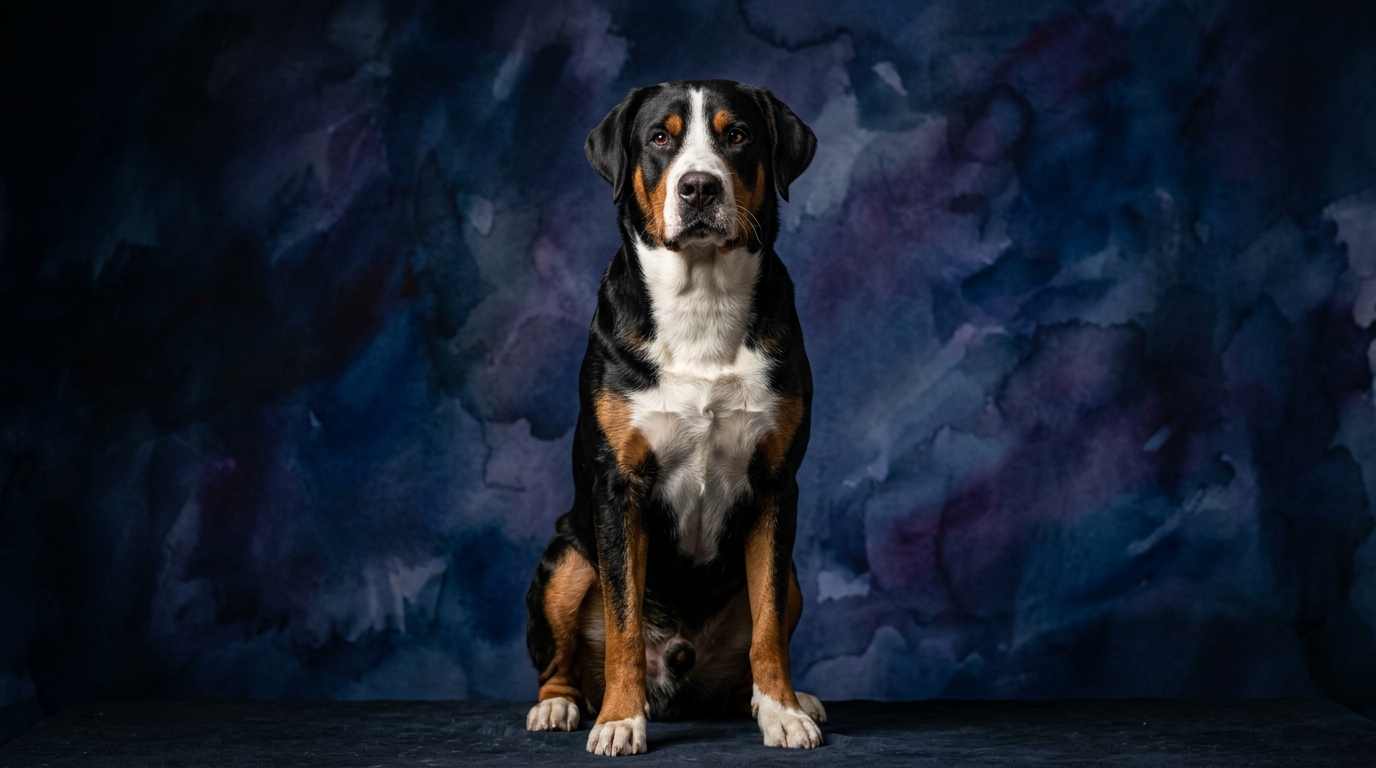
The Cosmic Pet Pet IQ Lab provides a structured way to understand canine cognition across five dimensions. For the Greater Swiss Mountain Dog, a member of the Working Group, we observe a balanced set of aptitudes: Problem Solving at 3/5, Training Speed at 3/5, Social Intelligence at 3/5, Instinctive Drive at 3/5, and Memory at 3/5. This profile suggests a steady, capable, and cooperative intellect, well-suited to their historical roles.
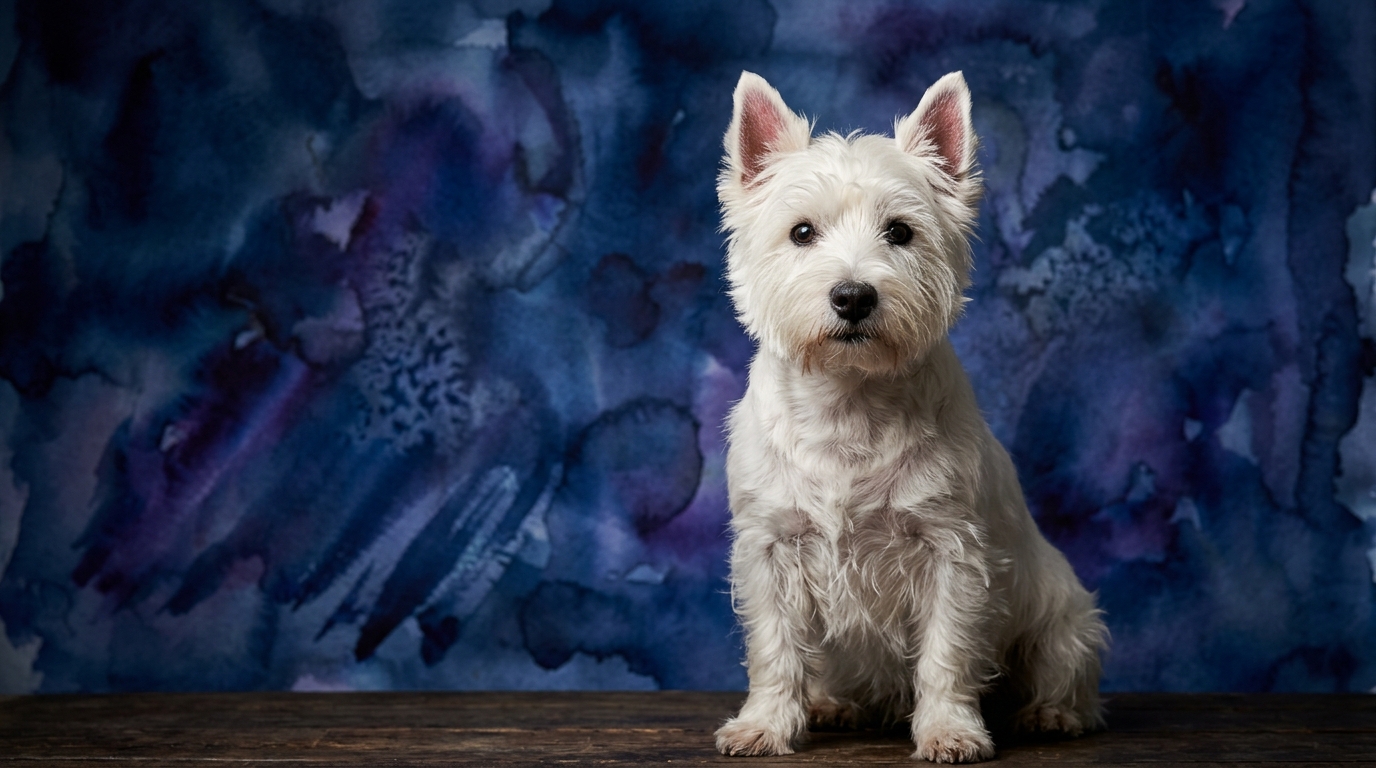
In contrast, the West Highland White Terrier, from the Terrier Group and Coren-ranked #47, presents a slightly different cognitive landscape. It shares Problem Solving (3/5), Training Speed (3/5), Social Intelligence (3/5), and Instinctive Drive (3/5) with the Swissy, but notably stands out with a Memory score of 4/5. This enhanced memory is a key differentiator, hinting at a capacity for retaining complex information and experiences with greater efficiency.
Where the Greater Swiss Mountain Dog Wins Cognitively
The Greater Swiss Mountain Dog’s cognitive strengths are rooted in its working heritage, where reliability and cooperation are paramount. With a 3/5 in instinctive drive, their mental energy is often channeled into partnership and purposeful activity alongside their human companions. This means their problem-solving, while rated 3/5, is typically applied to practical, real-world tasks that benefit from a steady, methodical approach rather than flash-of-genius solutions.
Their social intelligence, also at 3/5, allows them to understand and integrate effectively into a family unit, contributing to harmonious household dynamics. This isn't about discerning every subtle human emotion, but rather about stable, predictable interactions and a desire to be a contributing member of the group. The Swissy's memory (3/5) supports the retention of multi-step routines and commands essential for farm work or competitive events, ensuring they can consistently perform learned tasks. Their cognitive edge lies in their consistent, grounded application of intellect, making them dependable partners in structured environments.
Where the West Highland White Terrier Wins Cognitively
The West Highland White Terrier's most notable cognitive advantage lies in its memory, rated at an impressive 4/5. This superior recall allows a Westie to retain commands, past experiences, and environmental details with greater precision and for longer periods than a Greater Swiss Mountain Dog. This sharp memory significantly underpins their independent nature and their ability to learn intricate tricks or navigate complex territories with confidence, even after considerable time.
While both breeds score 3/5 in problem-solving, the Westie’s approach is often characterized by a tenacious, investigative spirit, a direct legacy of its vermin-hunting ancestry. They are more likely to meticulously explore an object or a puzzle, using their enhanced memory of previous attempts to refine their strategy. This persistence, coupled with their superior memory, enables them to troubleshoot and adapt to novel challenges with a distinct terrier ingenuity. Their instinctive drive (3/5) is keenly focused on exploration and "work" that aligns with their historical purpose, translating into a cognitive strength for tasks requiring sustained focus on a specific objective, such as scent work or finding hidden objects, where memory helps them track progress and recall successful methods.
Which is Easier to Train and Why
When evaluating ease of training, it's crucial to consider not just training speed but also underlying motivations and behavioral predispositions. Both breeds are rated 3/5 for training speed, indicating a moderate learning pace. However, their inherent temperaments significantly influence the training experience.
The Greater Swiss Mountain Dog, as a working breed, typically possesses an intrinsic desire to cooperate and engage with their human partners. Their instinctive drive (3/5) is often directed towards purposeful activity alongside people, which means that once they grasp a command, they are usually willing participants. Their social intelligence (3/5) supports their readiness to integrate into a human-led structure, making them generally receptive to consistent, positive reinforcement. They thrive on clear, calm instruction and routines, finding satisfaction in contributing to the family unit.
The West Highland White Terrier, despite also having a 3/5 training speed, brings a different dynamic due to its terrier heritage. Their instinctive drive (3/5) is strongly oriented towards independent hunting, which translates into a more self-directed and sometimes stubborn personality. While their superior memory (4/5) aids in retaining commands, their inclination to think for themselves can make them less immediately compliant than a Swissy. Training a Westie often demands more creativity, variety, and an appreciation for their independent spirit to keep them engaged. They may quickly learn a command but then choose whether or not to perform it based on their own perceived value or distraction. Therefore, while both learn at a moderate pace, the Swissy's inherent cooperativeness generally makes the training process feel more straightforward for the average owner, whereas the Westie requires a trainer who understands and can effectively harness their clever, independent nature.
Which Suits Active Owners vs. Relaxed Owners
For active owners seeking a robust companion, the Greater Swiss Mountain Dog is an excellent match. Their substantial size and working background necessitate regular physical activity and mental engagement to prevent boredom. While their instinctive drive is 3/5, it's often directed towards activities that involve their family, such as hiking, carting, or long walks. They thrive on having a 'job' and participating in family adventures, making them ideal companions for those who enjoy outdoor pursuits and can provide consistent, structured exercise. Their moderate social intelligence and desire for companionship mean they want to be actively involved.
The West Highland White Terrier can also suit active owners, particularly those who enjoy varied activities like agility or extensive walks, as their 3/5 instinctive drive and keen memory make them adept at these tasks. However, their physical activity needs can often be met with less strenuous but more mentally stimulating engagement compared to a Swissy. For more relaxed owners, the Westie might be a more manageable fit, provided they can still offer consistent mental enrichment and daily walks to satisfy their inquisitive nature. Their smaller size makes them adaptable to various living situations, and while energetic, their activity can often be channeled effectively indoors with interactive toys and puzzle feeders. The Greater Swiss Mountain Dog's sheer size and need for purposeful activity generally preclude them from being a good fit for truly sedentary lifestyles.
The Verdict
Choose the Greater Swiss Mountain Dog if you seek a steadfast, cooperative companion for an active lifestyle, appreciate a dog that integrates readily into family structure, and value reliable application of learned behaviors over independent problem-solving flair.
Opt for the West Highland White Terrier if you desire a clever, tenacious companion with an impressive memory, are prepared for an independent spirit, and can provide engaging mental challenges alongside moderate physical activity.
🧠 Find Your Pet's IQ Score
Our Pet IQ Lab assessment covers 25+ tests across 5 cognitive dimensions — personalized to your breed.
Take the Full IQ Test →Frequently Asked Questions
Do Greater Swiss Mountain Dogs forget commands easily?
No, Greater Swiss Mountain Dogs have a moderate memory (3/5), meaning they retain commands and routines well with consistent reinforcement, but benefit from regular practice to keep recall sharp.
Are West Highland White Terriers difficult to train due to their independence?
Westies can present training challenges due to their independent terrier nature, but their excellent memory (4/5) helps them learn quickly; success often depends on engaging, varied methods and understanding their motivations.
Which breed is better for apartment living?
The West Highland White Terrier is generally better suited for apartment living due to its smaller size, provided its mental and physical exercise needs are met with daily walks and indoor play. The Greater Swiss Mountain Dog's large size and need for space make apartment living less ideal.